



RSS
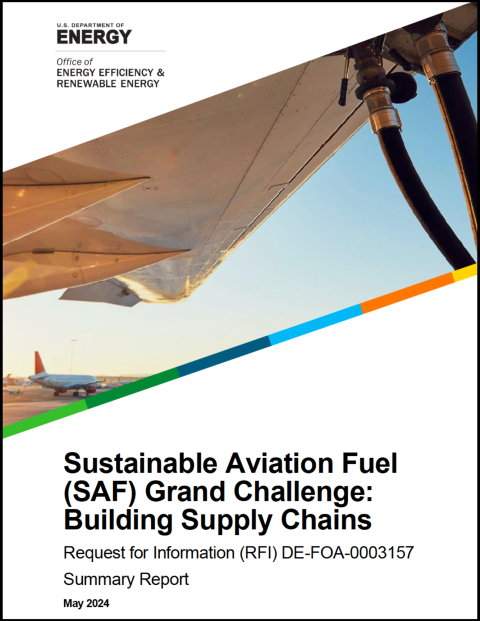
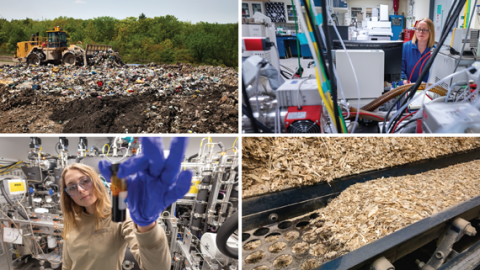
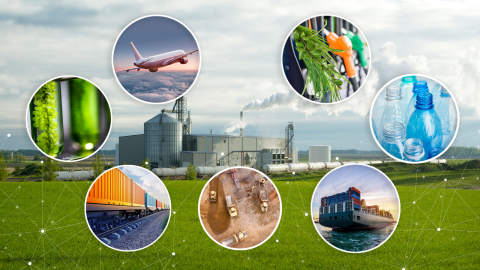

The U.S. Department of Energy (DOE) Bioenergy Technologies Office (BETO) released a Summary Report from a September 2023 Request for Information (RFI) on building supply chains to meet Sustainable Aviation Fuel (SAF) Grand Challenge goals. This RFI underscored the importance of both federal and state policies and collaborative actions by stakeholders to drive progress of SAF supply chains. View the full SAF Grand Challenge: Building Supply Chains Request for Information Summary Report.
The U.S. Department of Energy (DOE) Bioenergy Technologies Office (BETO) awarded an additional $2.18 million in funding to four additional projects as part of the Feedstock-Conversion Interface Consortium (FCIC) 2023 Cooperative Research and Development Agreement (CRADA) call. Funded and led by BETO, the FCIC is a consortium of researchers at nine national laboratories dedicated to reducing the technical risks of biorefinery scale-up. This funding opportunity included competitively selected CRADAs between FCIC partner laboratories and partners from industry and academia interested in leveraging the capabilities of the FCIC.
DOE's Hydrogen and Fuel Cell Technologies Office and SAMPE North America will co-host the Advanced Materials for Hydrogen Infrastructure Technologies Workshop May 22 at the SAMPE 2024 Conference and Exhibition in Long Beach, California.
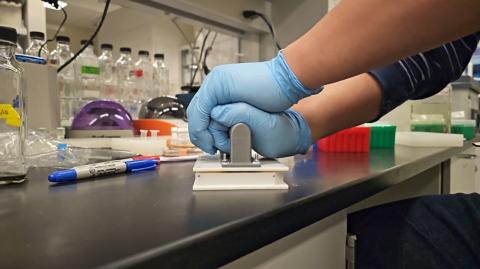
Researchers sometimes genetically engineer microorganisms—such as fungi—to convert renewable feedstock materials into useful biofuel or biochemical products. Polymerase chain reaction (PCR), which allows researchers to quickly amplify DNA sequences for analysis, is one of the most essential tools in this process. When working to synthesize biofuels using fungi, PCR is particularly important for evaluating various strains of mutated fungi.
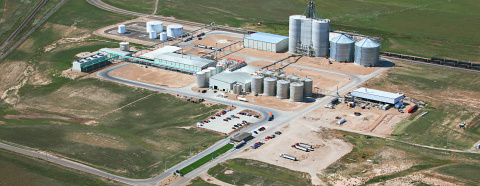
NREL Biomass Technology - A Cornerstone of SAFFiRE Renewables Biofuel Pilot Plant Going Up in Kansas
In 2023, the company negotiated a license agreement for the National Renewable Energy Laboratory’s (NREL’s) deacetylation and mechanical refining (DMR) process, a technology seen as important for sidestepping challenges with cellulosic biofuel facilities in the past. DMR uses a “gentle” alkaline bath and a mechanical shredder to prepare corn stover for ethanol fermentation—essential steps for accessing the energy-dense sugars locked inside.
The U.S. Department of Energy (DOE) Bioenergy Technologies Office (BETO) released new resources for Funding Opportunity Announcement (FOA) applicants which include a step –by-step tutorial and general funding opportunity FAQs.
The U.S. Department of Energy's (DOE's) Hydrogen Program presented its annual awards at the 2024 Annual Merit Review and Peer Evaluation Meeting on May 6.
The Hydrogen and Fuel Cell Technologies Office announced that Dr. Tanya Agarwal of Los Alamos National Laboratory is the winner of the 2024 Postdoctoral Recognition Award for her work in advancing ionomer durability in membranes and electrodes.
The U.S. Department of Energy’s (DOE) Bioenergy Technologies Office (BETO), Vehicle Technologies Office (VTO), and Hydrogen and Fuel Cell Technologies Office (HFTO) have jointly released the Progression to Net-Zero Emission Propulsion Technologies for the Off-Road Sector request for information. The purpose of this RFI is to understand the off-road sector alternative propulsion technology preferences, technologies that seem most promising, and the key barriers to achieving the transition to net-zero emissions by 2050.
The detailed planning document provides guidance for research, development, and demonstration activities critical to accelerating the hydrogen economy.