



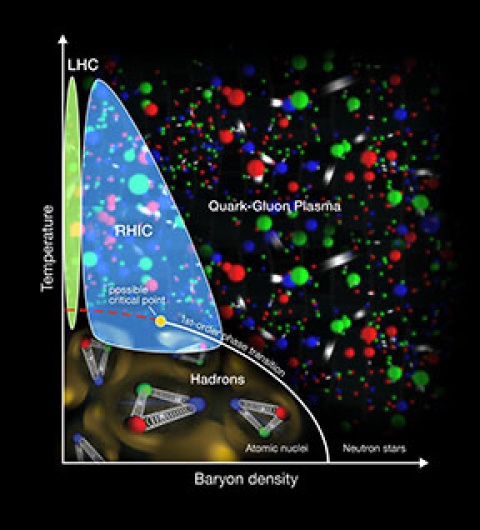
By tracking particles that emerge from nuclear collisions at the Relativistic Heavy Ion Collider (RHIC), a U.S. Department of Energy Office of
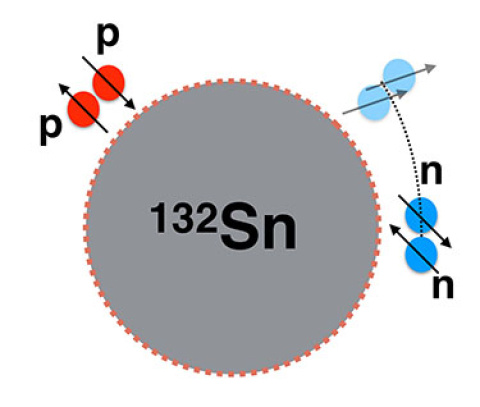
Atomic nuclei are finite many-body quantum systems that exhibit increased stability or “shell structure” when the proton and/or neutron
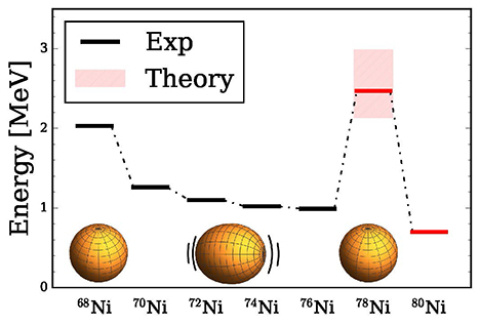
Using the supercomputer Titan at Oak Ridge National Laboratory, scientists performed first-principles computations of the structure of 78
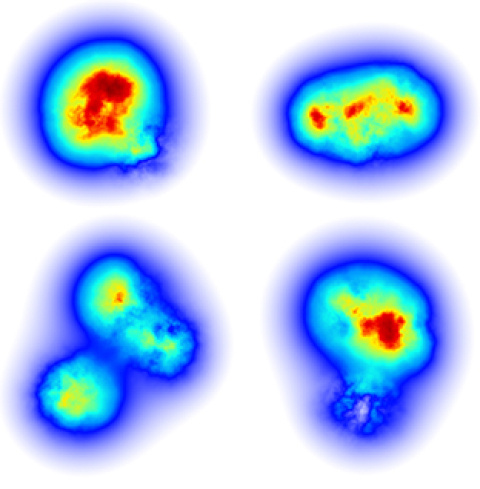
Experimental results from RHIC and the LHC suggest that protons are much more complex than a simple arrangement of three quarks held together by
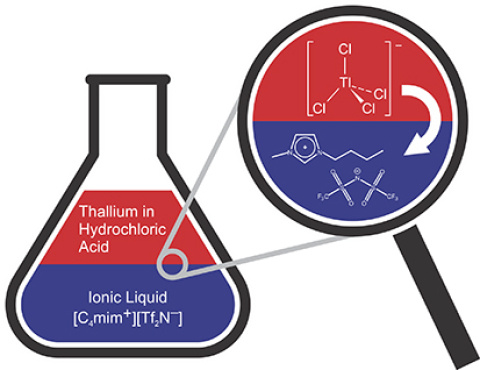
The distribution of indium and thallium between the aqueous and organic phases is the key to understanding the separation of these elements. An
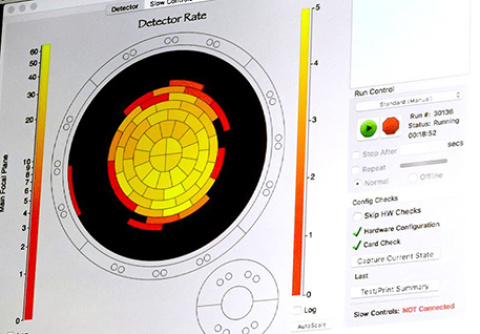
The KArlsruhe TRItium Neutrino mass (KATRIN) project can measure neutrino mass by a very careful determination of the electron spectrum emitted by
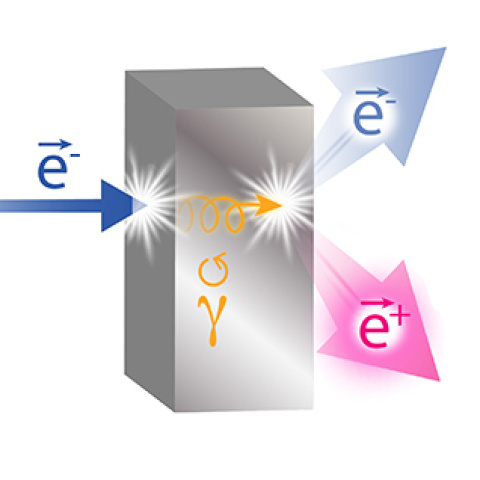
Researchers use accelerators to coax the electron into performing a wide range of tricks to enable medical tests and treatments, improve product
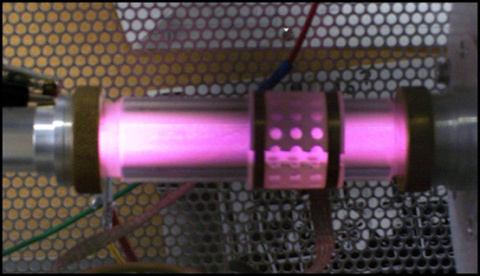
Answering difficult scientific questions about the nature of the universe requires isotopically purified helium (4He). The isotope 3
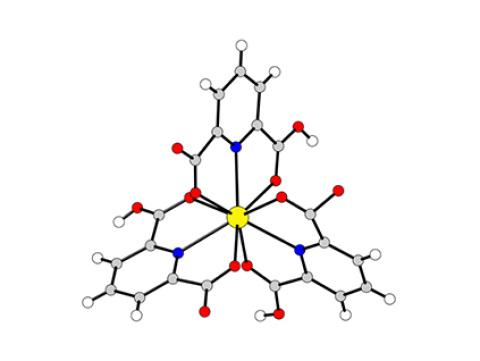
Scientists often use the Periodic Table to predict the properties of an element based on certain trends. For example, elements in the same column
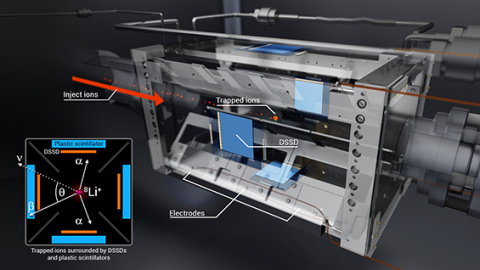
For the first time in over half a century, the search for a particular type of interaction, known as a tensor interaction, in nuclear beta decay