



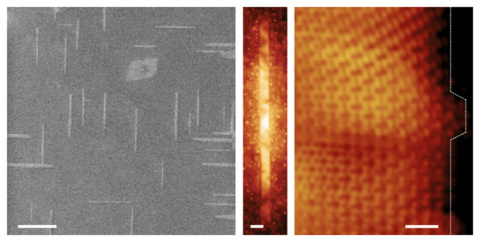
Graphene nanoribbons are predicted to transport electricity and dissipate heat more efficiently than traditional electronic materials such as
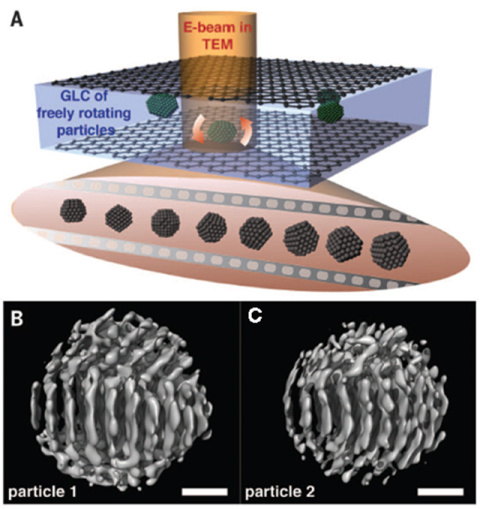
Understanding the synthesis, growth, and physical properties of nanoparticles is important for the development of next-generation materials. This
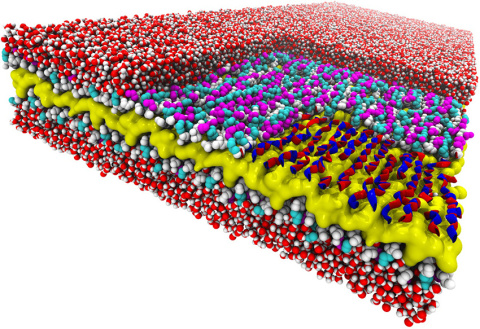
Scientists aspire to build nanostructures that mimic the complexity and function of nature’s proteins, but are made of durable and synthetic
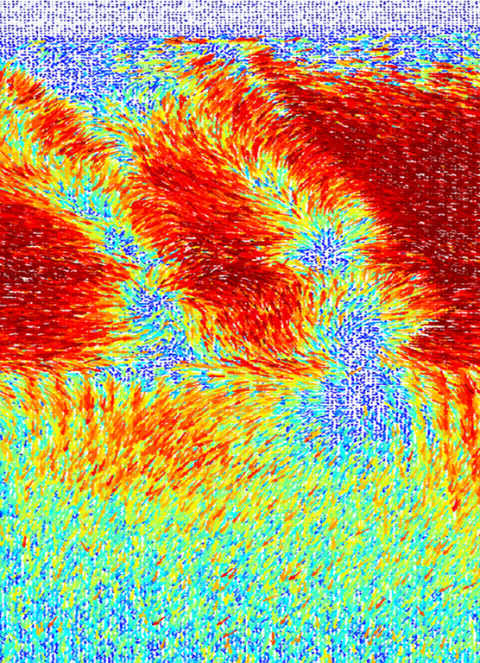
At Cornell University, we developed and tested a new detector for electron microscopes that enables quantitative measurements of electric and
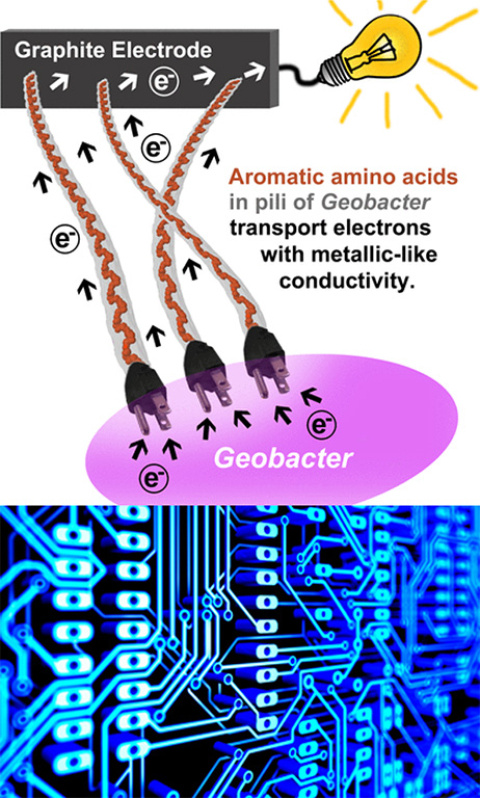
Direct measurement of multiple physical properties of Geobacter sulfurreducens pili have demonstrated that they possess metallic-like
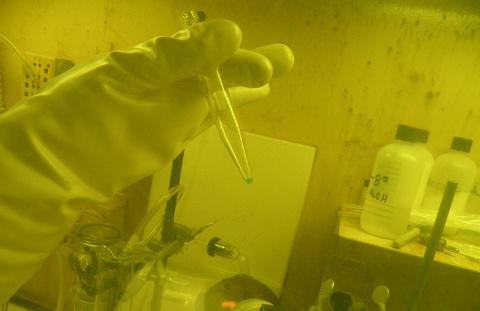
New elements and nuclei establishing the existence of the Island of Stability and expanding the Periodic Table of Elements were produced in hot

A team of scientists from the University of Wisconsin-Milwaukee, Northwestern University, and the University of Hamburg have demonstrated a
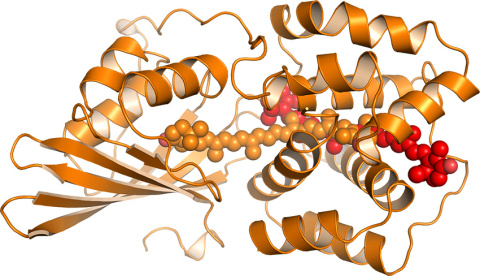
The development of artificial photosynthetic systems for making chemical fuels from solar energy is a long-term research objective that spans many
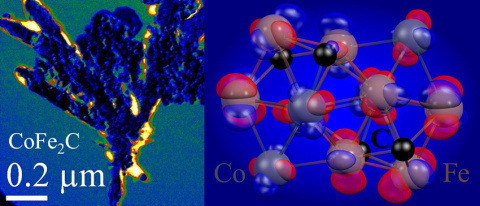
Van Vleck’s Nobel-prize winning explanation of the quantum origin of magnetism dates back to 1937. However it was not until 1999 that
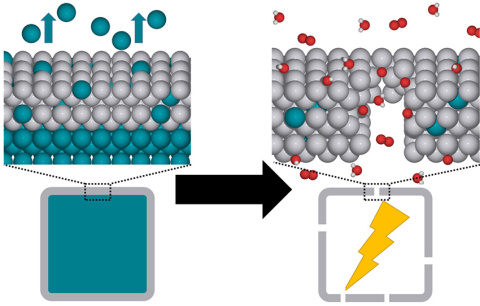
Improving the efficiency of catalysts could enhance many chemical reactions used in industry and research laboratories. To improve efficiency,