



In 2024, the U.S. Department of Energy’s Building Technologies Office (BTO) supported the U.S. buildings industry to bring new products to market, American energy providers to prepare for future energy demand, and U.S. companies to meet their energy goals. Read on to learn more about what BTO accomplished through research, development, and demonstration activities that enable high-performing, affordable buildings to meet Americans’ need for resiliency and health while also supporting a reliable energy system.
- Spurred High-Impact American Innovations
- Supported Communities to Scale Affordable Energy
- Assisted Industry to Sustain Global Competitiveness
- Fostered Electric Grid Reliability, Resiliency, and Security
- Provided Household, Contractor, and Home Builder Assistance
- Collaborated Across Federal Agencies
- Facilitated Skilled Workforce Development
Spurred High-Impact American Innovations
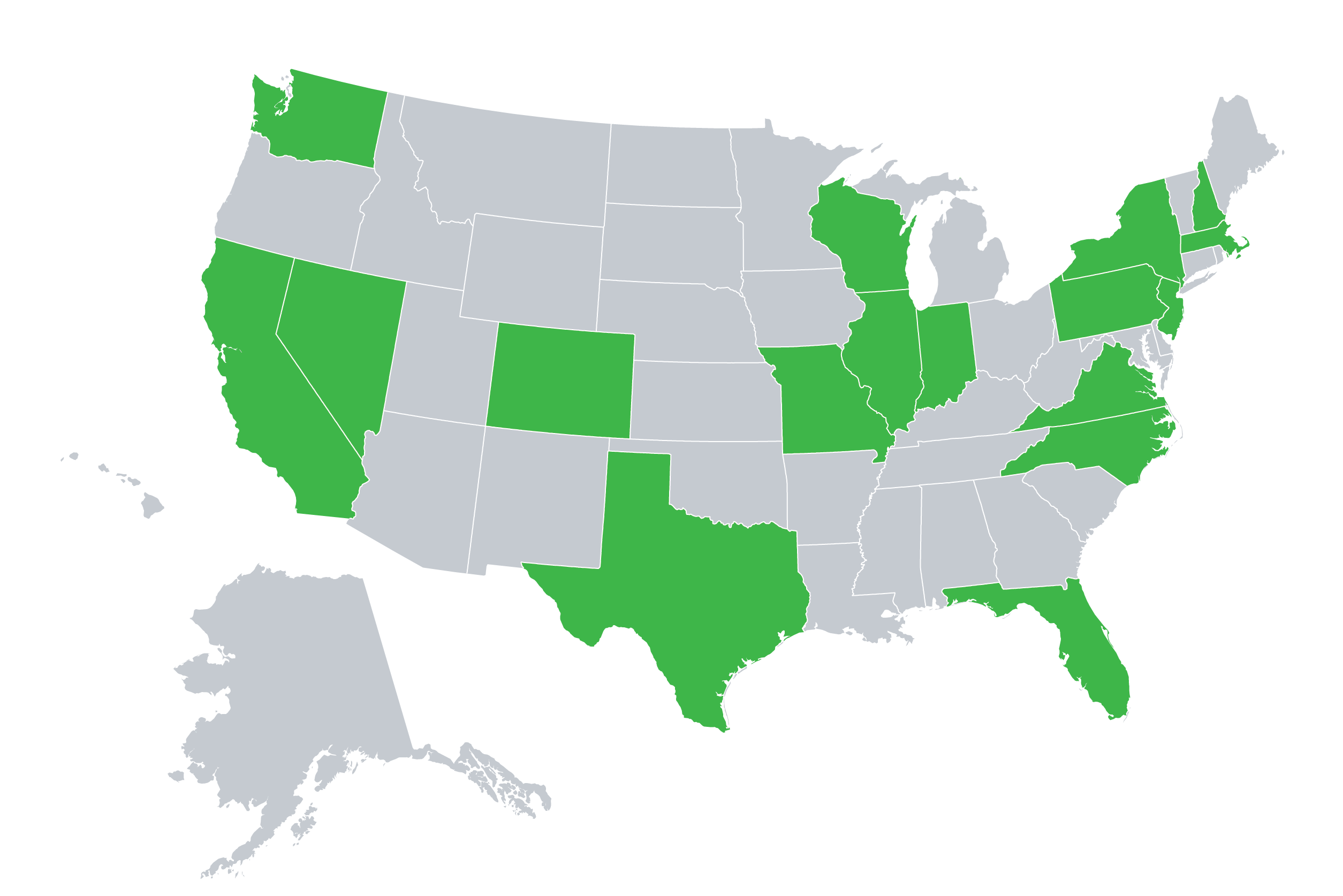
Building Energy Efficiency Frontiers & Innovation Technologies (BENEFIT)
$38.8 million
25 projects across 17 statesFunding to advance research, development, and demonstration activities for high-priority building technologies, including next-generation retrofits for building envelope, lighting, and heating, ventilation, and air conditioning.
Potential impact: $40 billion in energy costs saved annually for BENEFIT 2022/2023 and 2024 combined, assuming one project in each technology area realizes its goals in a form that enables mass adoption.
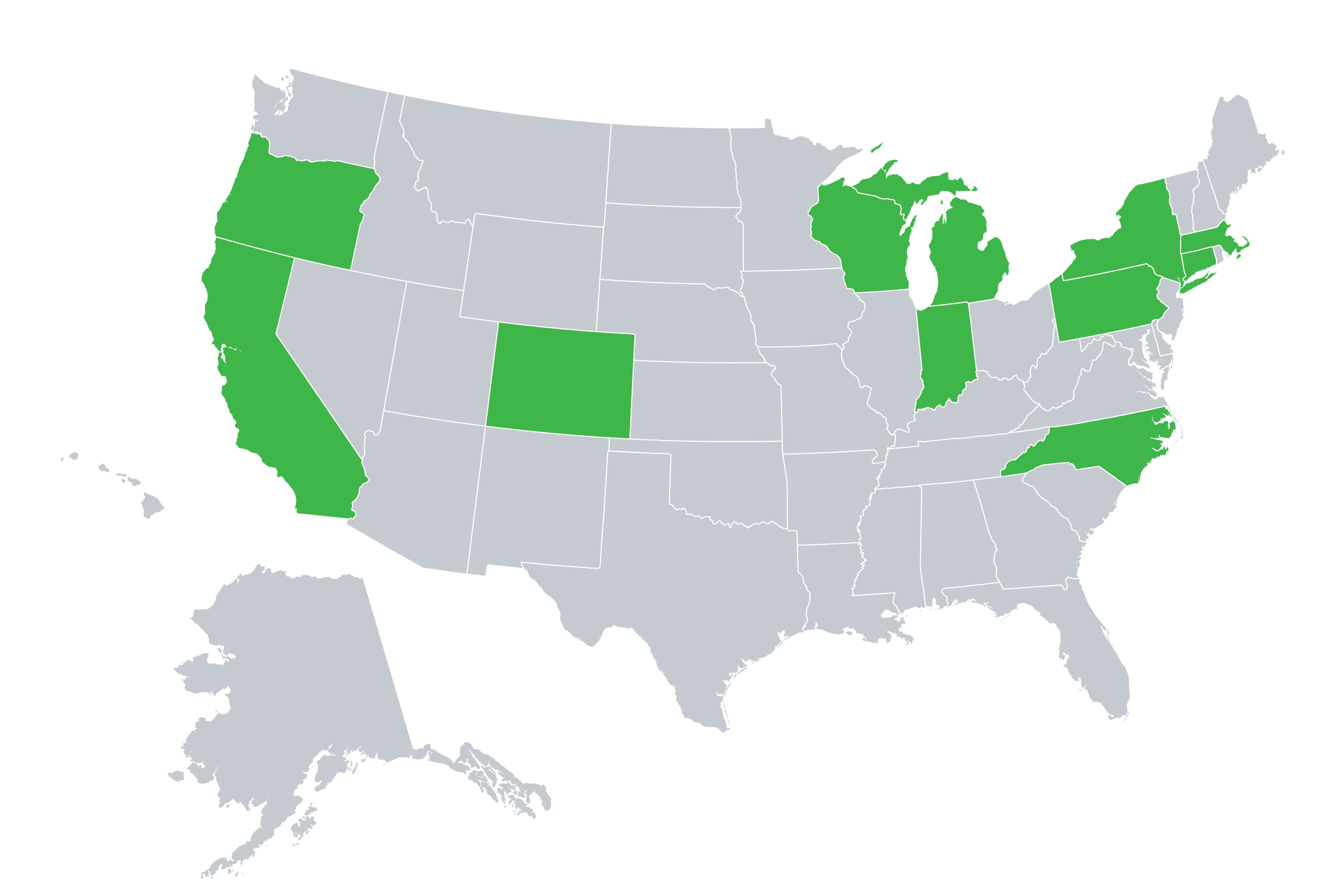
Small Business Innovation Research and Technology Transfer (SBIR and STTR)
$6.5 million
July: 15 projects across 10 states
September: 3 projects across 3 statesFunding to support U.S. small business growth through research and development of innovative energy-saving solutions for a variety of building technologies.
Equitable and Affordable Solutions to Electrification (EAS-E) Home Electrification Prize
$2.4 million
Phase 1, concept: 6 winners across 5 states
Phase 2, demonstration and viability: Grand prize winner + 3 runners-upAccelerating development and deployment of technology innovations that make residential retrofits easier and more affordable.
Potential impact: The grand prize winner’s innovative retrofit approach in a 184-unit multifamily home could save 33%–54% in up-front retrofit costs compared to status-quo solutions.
Supported Communities to Scale Affordable Energy
Buildings Upgrade (Buildings UP) Prize
$22 million
Phase 1: 45 winners across 32 states
Phase 2: OngoingSupporting innovative approaches to retrofit buildings with high performance technologies. Building upgrades include adding insulation, improving air sealing, and installing more efficient equipment. Together, these efforts help reduce energy costs while improving building resiliency and occupant comfort and health.
Resilient and Efficient Codes Implementation (RECI)
$90 million
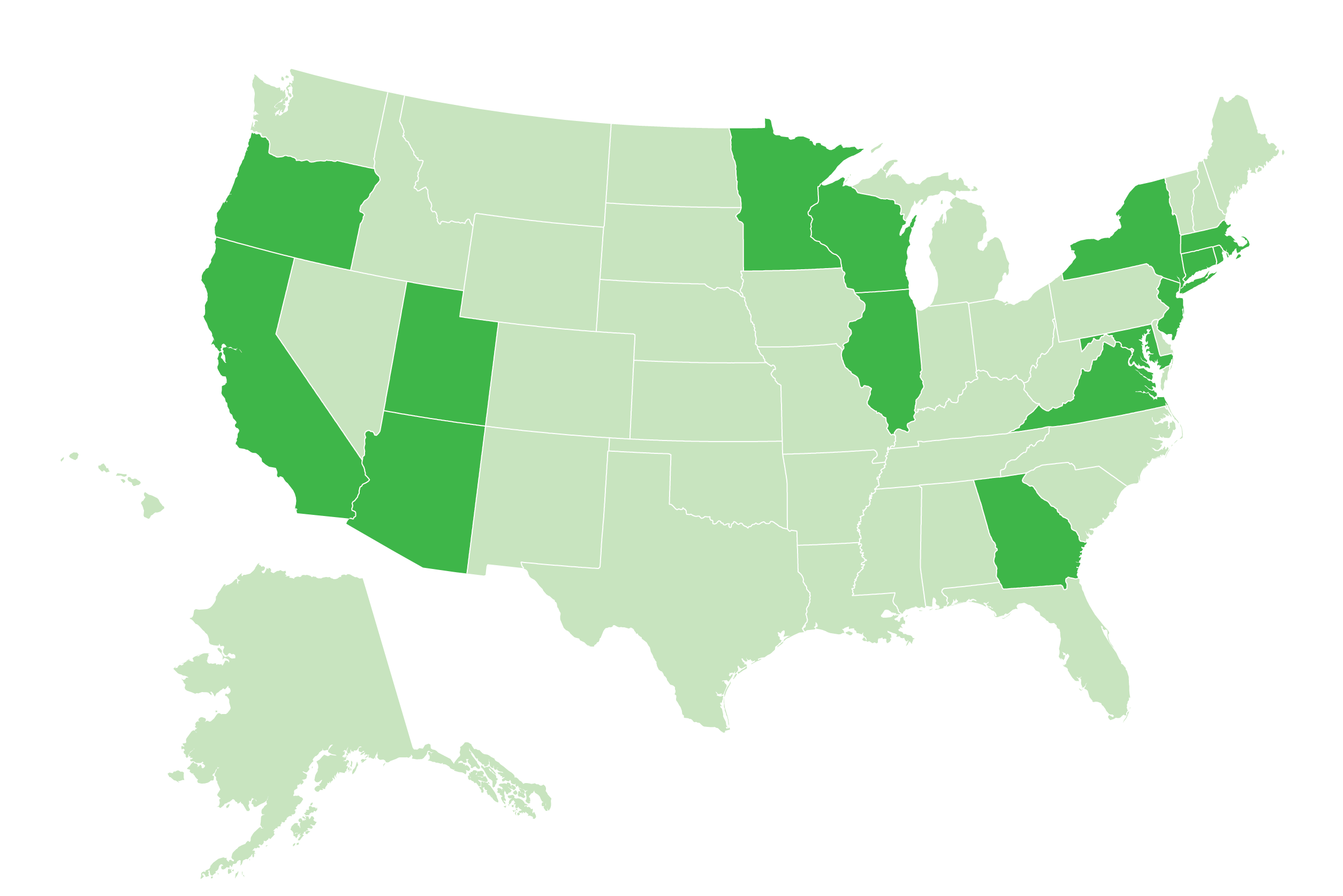
25 projects across 15 states plus regional and national collectivesHelping states, cities, tribal nations, and their partners adopt energy codes that enable more resilient and affordable buildings for residential and commercial customers.
Potential impact: $3.8 billion in energy costs saved annually for RECI 2023 and 2024 combined, based on application estimates.
Assisted Industry to Sustain Global Competitiveness
Building Envelope Innovation Prize
Up to $2.1 million
Phase 1, concept: 7 winners
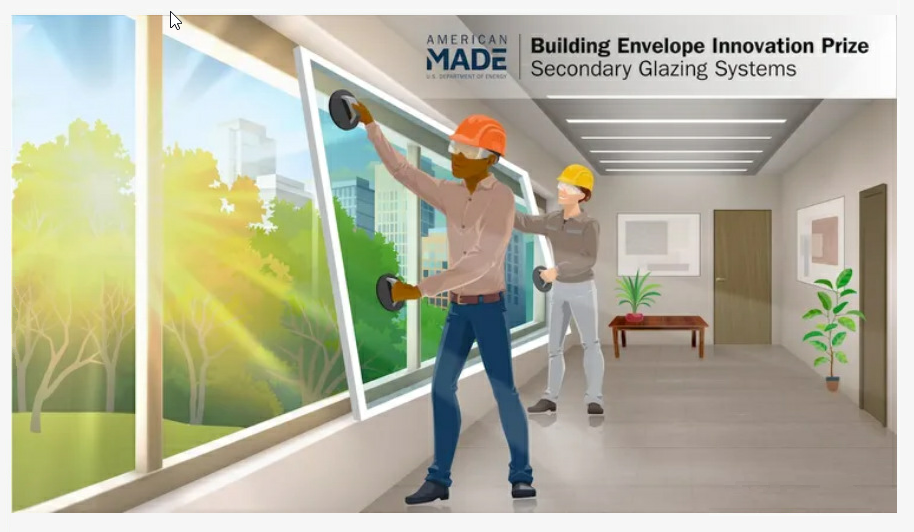
Phase 2, prototype: OngoingRewarding development of high-performing, cost-effective commercial retrofit solutions for commercial buildings, specifically through adding panes to existing windows to reduce energy cost and noise while increasing comfort.
Image: Secondary glazing involves installing an additional windowpane on an existing window to improve insulation while minimizing cost and disruption.
Residential Cold Climate Heat Pump Challenge
8 manufacturers
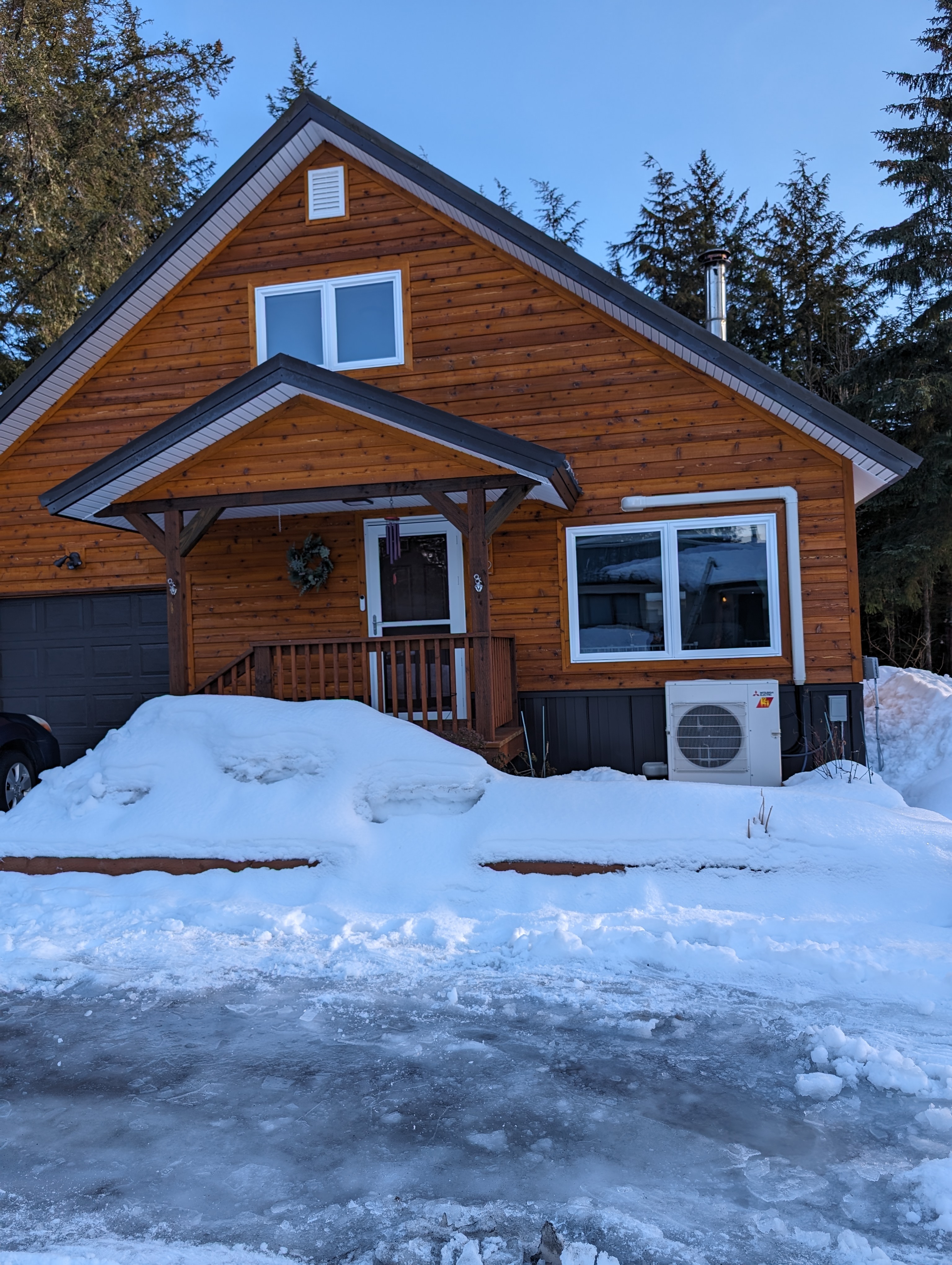
Advancing next-generation heating, ventilation, and air conditioning (HVAC) technology by working with manufacturers to develop, test, and commercialize heat pumps that can deliver as much heat as needed without using auxiliary heating elements.
Impact: After completing field testing, all manufacturers announced they would push products to market with innovations developed as part of the challenge. Two of the companies, Lennox and Carrier, announced that their products are already rolling off the line in 2024.
Commercial Building Heat Pump Accelerator
Technology challenge: 9 manufacturers
Adoption campaign: 32 end users and other supporting organizations
Partnering across the supply chain for HVAC systems to accelerate the development and adoption of heat pump packaged rooftop units to achieve integrated energy efficiency.

Lighting Prize
Up to $12 million
Phase 1, concept: 4 winners
Phase 2, prototype: 6 winners
Phase 3, manufacturing and installation: OngoingFostering development of next-generation luminaires and lighting controls that improve performance, energy savings, and affordability in commercial buildings.
Early impact: Phase 2 winner MWConnect commercialized a new wireless lighting control system with an easy-to-use, intuitive interface. The product can deliver energy savings in excess of 50% in many commercial buildings through easy integration with energy management systems.

Building America Retrofit Solutions Teams
$9 million
9 teamsDriving scalable residential retrofit solutions through a portfolio of community-informed field validation projects.
Better Buildings Initiative
Partnering with leaders in the public and private sectors to accelerate investment and share best practices to make America’s homes and commercial buildings more energy efficient.
Through the initiative, BTO interacts with:
- 71 unique commercial real estate partners responsible for 1.4 billion square feet of commercial space that have collectively saved $610 million through energy and water efficiency measures since 2011.
- 88 unique multifamily sector partners responsible for 650 million square feet of space that have collectively saved $350 million through energy and water efficiency measures since 2013.
- More than 490 members of the Better Buildings Residential Network have collectively completed more than 600 energy efficiency upgrades.
Read more in the 2024 Better Buildings Initiative Progress Report.
Emerging Technologies Collaborative for Buildings
Launched commercial/large multifamily building and envelope retrofits working groups, engaging stakeholders from 15 sectors.
HVAC, Water Heating, and Refrigeration
Hosted targeted sessions at industry events with 300+ stakeholders to better understand industry perspectives on future R&D needs.
Fostered Electric Grid Reliability, Resiliency, and Security
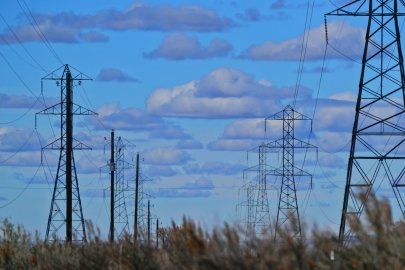
For the first time in more than 50 years, U.S. utilities face significant load growth brought on by increasing demand from computing, artificial intelligence, industry, transportation, and buildings. In 2024, BTO played a leading role in DOE’s effort to transform the grid edge—where electricity distribution transitions between utilities and users—supporting utilities to ensure the grid is the right size to meet demand and developing innovations that will help them meet upcoming load growth projections. These efforts included:
Continued Connected Communities 1.0 projects, which have demonstrated real world applications of demand flexibility and how to enable a more resilient, flexible and reliable grid. In Utah, Rocky Mountain Power has leveraged its Connected Communities effort to develop a new virtual power plant model, while in Southern California national homebuilder KB Homes has built a community that provides more resilience against power outages from wildfires.
Announced Connected Communities 2.0 with a funding opportunity to validate technology innovations at the grid edge in real-world situations to help ensure grid readiness for load growth. Additional work through a partnership intermediary agreement will accelerate collection, reporting, and analysis of performance data to increase acceptance of new technologies and planning strategies. The efforts involve a total of $75 million in funding and garnered great reception from industry. DOE intends to announce selections in 2025.
Supercharging the Grid Edge for an Integrated Energy System
Increased engagement with industry, policy makers, regulators, and technology developers to enable Department of Energy offices to understand common problems, develop a shared investment philosophy, and coordinate work across the department.
Integrated Distribution System Planning
Provided three in-person regional trainings for public utilities commissions and state energy offices, two trainings at National Association of State Utility Consumer Advocates (NASUCA) meetings, two NASUCA webinar series, webinars for other national groups, and an updated catalog of state planning requirements.
Provided Household, Contractor, and Home Builder Assistance
Google Search and Google Maps now enable users to identify expert home energy technicians who have been through training recognized by BTO’s Energy Skilled™ program.
A tax credit product lookup tool helps contractors and homeowners determine if new heating, air-conditioning, or water-heating equipment meets eligibility criteria for the Federal Energy Efficient Home Improvement tax credit. People have used the tool for nearly 12,000 searches since it launched in October.
Home retrofit and equipment decision tools help contractors and homeowners analyze building retrofit options, select appropriate equipment, and understand the installation requirements of such equipment to make energy-saving home improvements.
A home insulation explainer walks contractors and households through the key elements of home insulation and air-sealing products that can lower utility bills and qualify for tax credits.
A contractor training module on residential energy-efficiency incentives provides information in a free, 30-minute video on how to leverage for customers federal, state, local, and utility-run programs.
Home builder trainings on federal incentives, developed at the request of the National Association of Home Builders, cover topics such as the 45L tax credit for single- and multifamily new homes. Additionally, a new Zero Energy Ready Home specification helps builders of high-rise multifamily buildings meet eligibility for the tax credit.
Impact: Zero Energy Ready Home certifications for single family residences almost doubled from 2023 to 2024, from 6561 to 12,894 homes, with highest growth in Arizona, Florida, and Texas.
Collaborated Across Federal Agencies
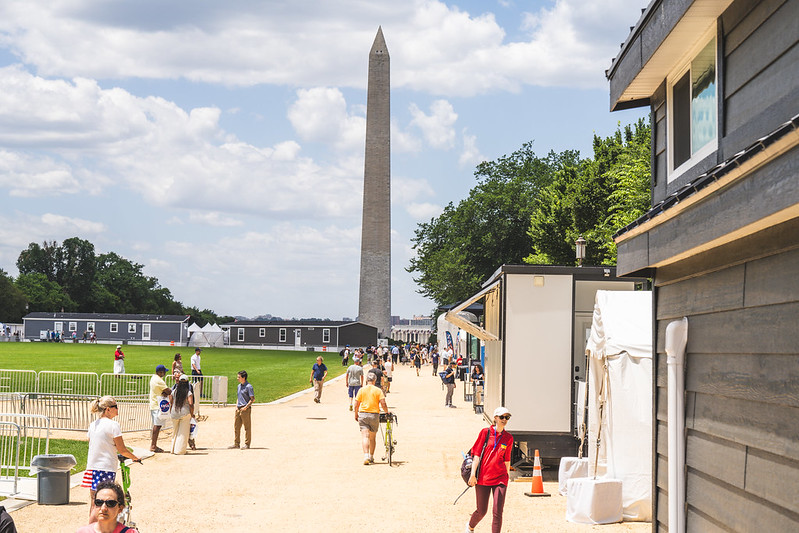
Innovative Housing Showcase
Lead agency: U.S. Department of Housing and Urban Development
Exhibiting full size, enterable prototype homes and demonstrations of innovative technologies.
In 2024, the showcase featured advanced envelope technologies, including a phone app that enables homeowners to detect and fix air leaks.
Image: The Innovative Housing Showcase is a public event to raise awareness of innovative and affordable housing designs and technologies.
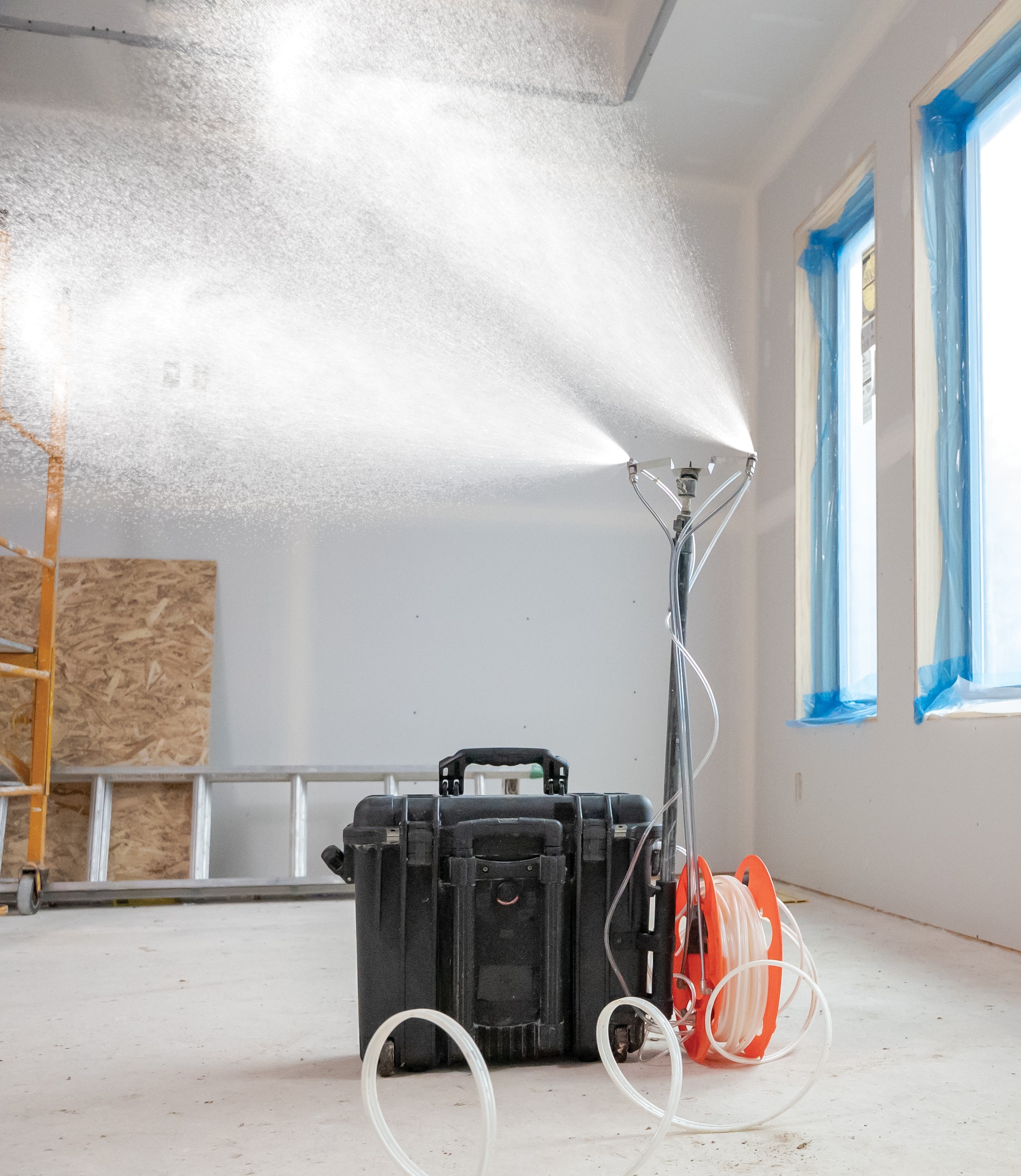
Green Proving Ground
Lead agency: U.S. General Services Administration (GSA)
Leveraging the federal real estate portfolio to evaluate innovative building technologies, driving down operational costs and helping lead market transformation through demonstration of new technologies.
In 2024, GSA and BTO selected 17 innovative building technologies to evaluate in real-world buildings. BTO is funding field validation of 5 of those technologies.
Image: A previous Green Proving Ground-funded project demonstrated automated building envelope sealing, in which a building is pressurized and then a non-toxic water-based sealant is aerosolized and drawn to leaks.
Facilitated Skilled Workforce Development
Worker Training
Energy Skilled
Recognizing worker training programs and certifications that promote high-performing, reliable, and comfortable buildings for Americans.
People who have completed Energy Skilled-recognized programs have the skills needed to perform quality work with modern building systems, leading to reduced energy use and cost. Recognition also allows certification programs to be approved as eligible for funding opportunities through the Inflation Reduction Act.
Impact: In 2024, Energy Skilled recognized 29 new programs, bringing the cumulative total to 46 programs and at least 20,000 trained individuals.
Collegiate Competitions
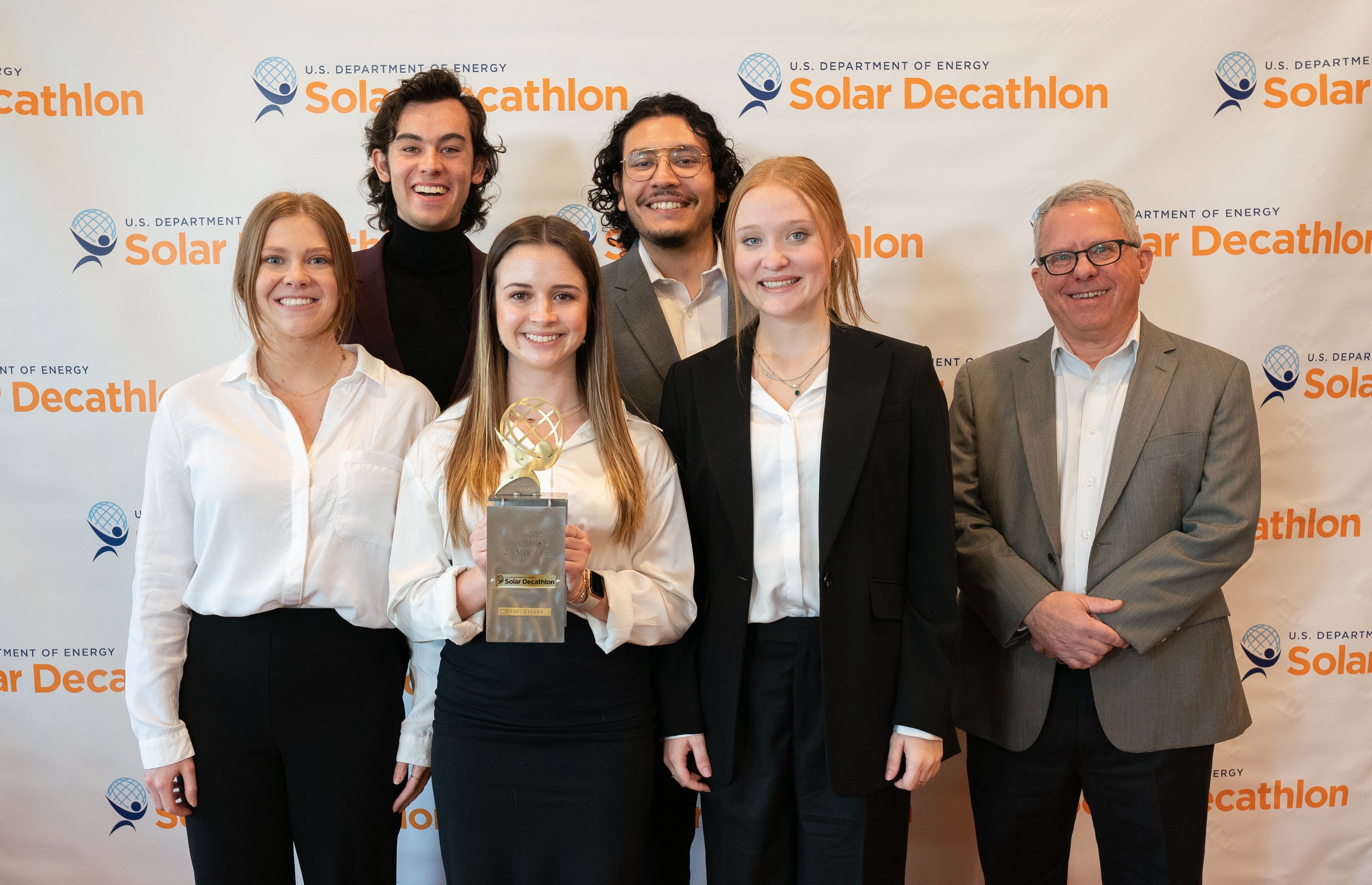
BuildingsNEXT Team Showcase (formerly the Solar Decathlon Design Challenge)
Interdisciplinary teams create sustainable, high-performance building designs that address real-world issues such as existing building retrofits, community impacts, affordability, and resilience.
Teams collaborate on a residential or commercial design project for one or two academic semesters. In 2024, 40 finalist teams from 37 institutions and 11 countries competed in the challenge. The University of Arizona won top honors for its partnership with the Hopi Tribe on 24 eco-friendly rowhouses that integrate passive design techniques and a microgrid to promote energy sovereignty for the community.
Image: The team from The University of Arizona earned the Grand Winner award in the 2024 Design Challenge.
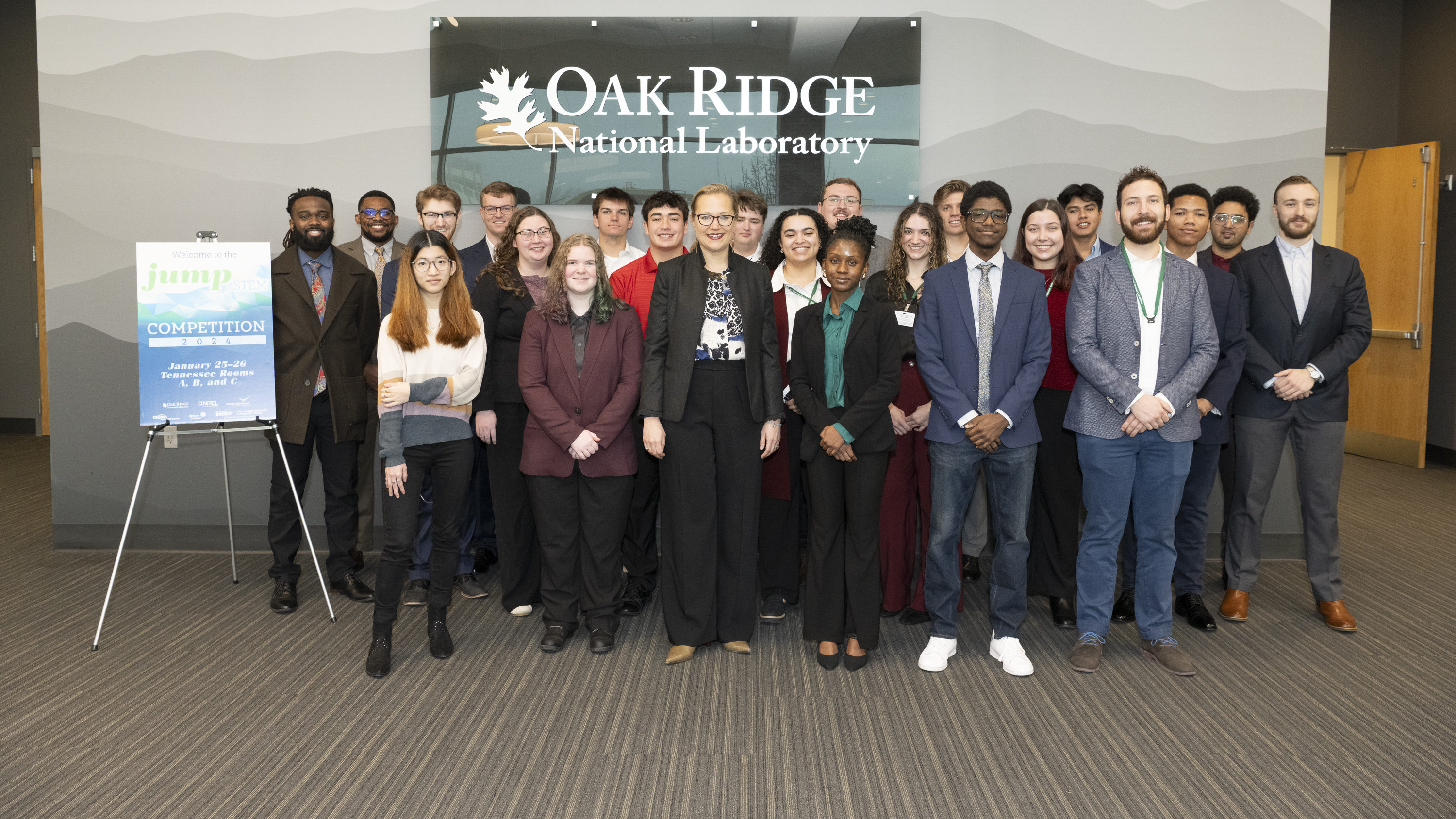
JUMP into STEM
Students pitch solutions for a set of building science challenges and are judged by buildings experts from academia, national laboratories, and industry. In 2024, finalist teams from 7 institutions presented solutions for thermal energy storage, building envelope improvement, and carbon reduction. Winning teams represented the University of Nebraska, Lincoln; Purdue University; Worcester Polytechnical Institute; and Embry-Riddle Aeronautical University. Competition winners intern at national labs over the summer.
Image: Former BTO director Mandy Mahoney (front row, third from left) welcomed 21 students representing seven universities across the nation to the sixth annual JUMP into STEM finals competition at Oak Ridge National Laboratory.