



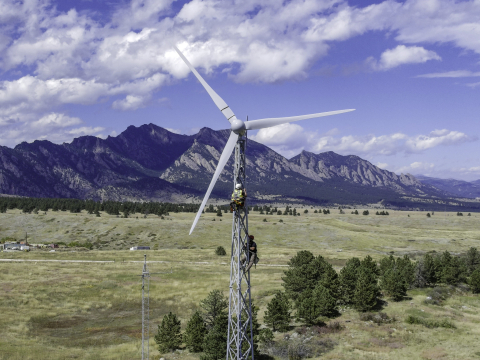
With three recently installed small wind turbines at the Flatirons Campus in Colorado, WETO is poised to take the next step in proving and improving the next generation of distributed wind technologies.
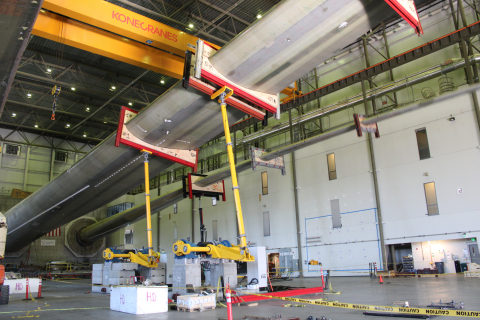
Thanks to funding from the Wind Energy Technologies Office, the Massachusetts Renewable Energy Center’s Wind Technology Testing Center (WTTC) is testing next-generation wind turbine blades.
With support from the U.S. Department of Energy’s Wind Energy Technologies Office, the National Renewable Energy Laboratory is helping grid operators and equipment manufacturers successfully adapt to national energy addition using the Grid Impedance Scan Tool.
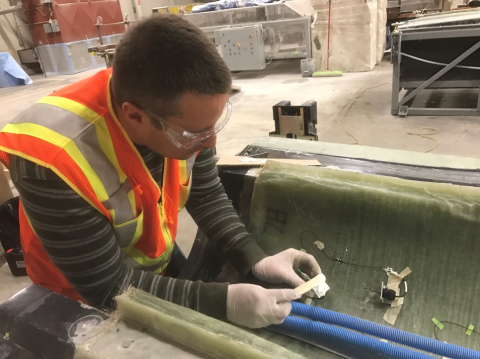
While studying mechanical engineering at the University of Texas in Austin, Paquette became interested in structural components and composite materials. Although he originally planned to pursue work in the aerospace industry, he jumped at the opportunity to work at Sandia on wind turbine blades—the largest composite structures in the world.
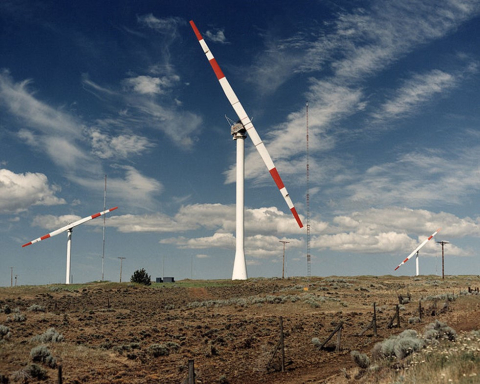
The DOE-NASA Mod-Series Wind Turbine Program precedes the modern wind energy industry in the United States. For over two decades, with five distinct models built, the program helped shape a cost-competitive wind energy industry through funding and R&D.
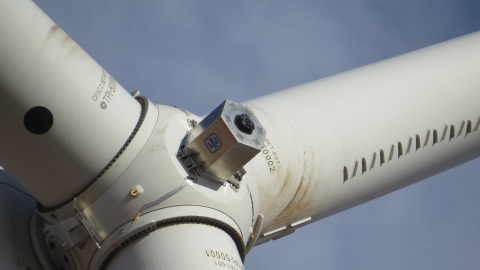
A WETO-funded partnership between General Electric, Sandia National Laboratories, and the National Renewable Energy Laboratory is enhancing data collection efforts to improve the accuracy of wind industry simulation tools.
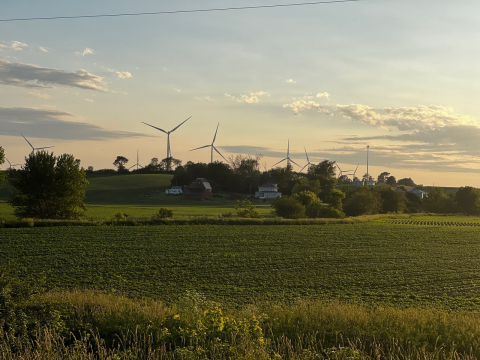
Regional wind data from around the U.S. helps improve a national weather forecasting model, which allows utility companies to better plan for windy days.
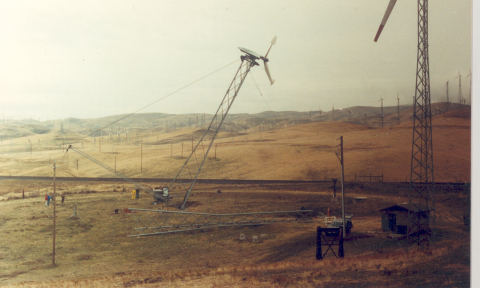
The Wind Turbine Verification Program, established in 1993, introduced electric utilities to emerging wind turbine technologies, created more confidence in wind power, and helped wind energy become the robust renewable energy resource it is today.
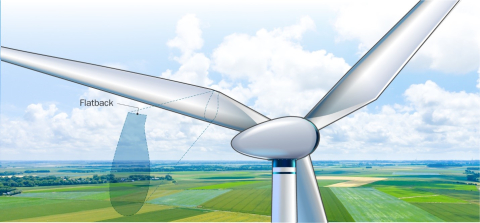
DOE-funded research led to wind turbine blade breakthroughs that provide more power at lower cost.
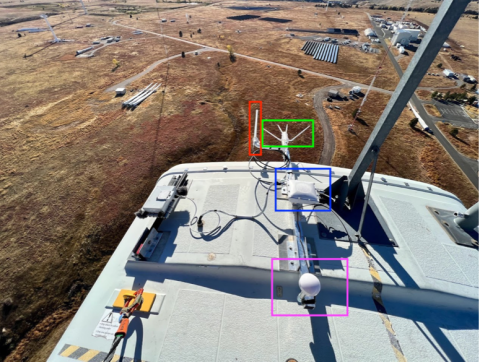
With funding from the Wind Energy Technologies Office, Oregon State University is developing a wildlife detection platform for land-based and offshore wind turbines.