The U.S. Nuclear Regulatory Commission (NRC) recently announced the approval of a 40-year Part 70 Special Nuclear Material license for X-energy's advanced nuclear fuel fabrication facility in Oak Ridge, Tennessee.
February 25, 2026 Estimated Read Time min

The U.S. Nuclear Regulatory Commission (NRC) recently announced the approval of a 40-year Part 70 Special Nuclear Material license for X-energy's advanced nuclear fuel fabrication facility in Oak Ridge, Tenn.
It is the first Category II fuel fabrication license issued by the NRC and the first new fuel fabrication license issued in approximately 50 years.
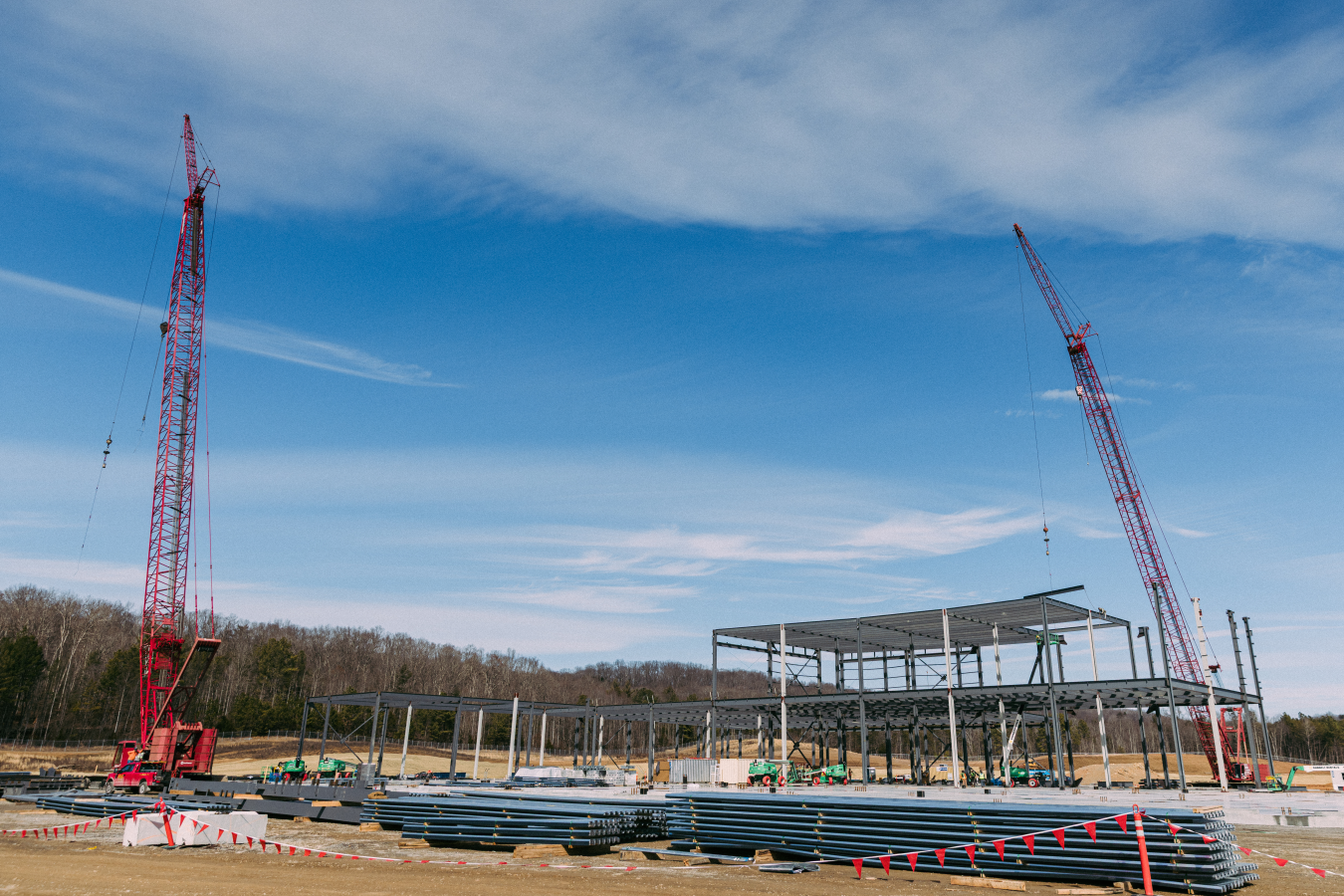
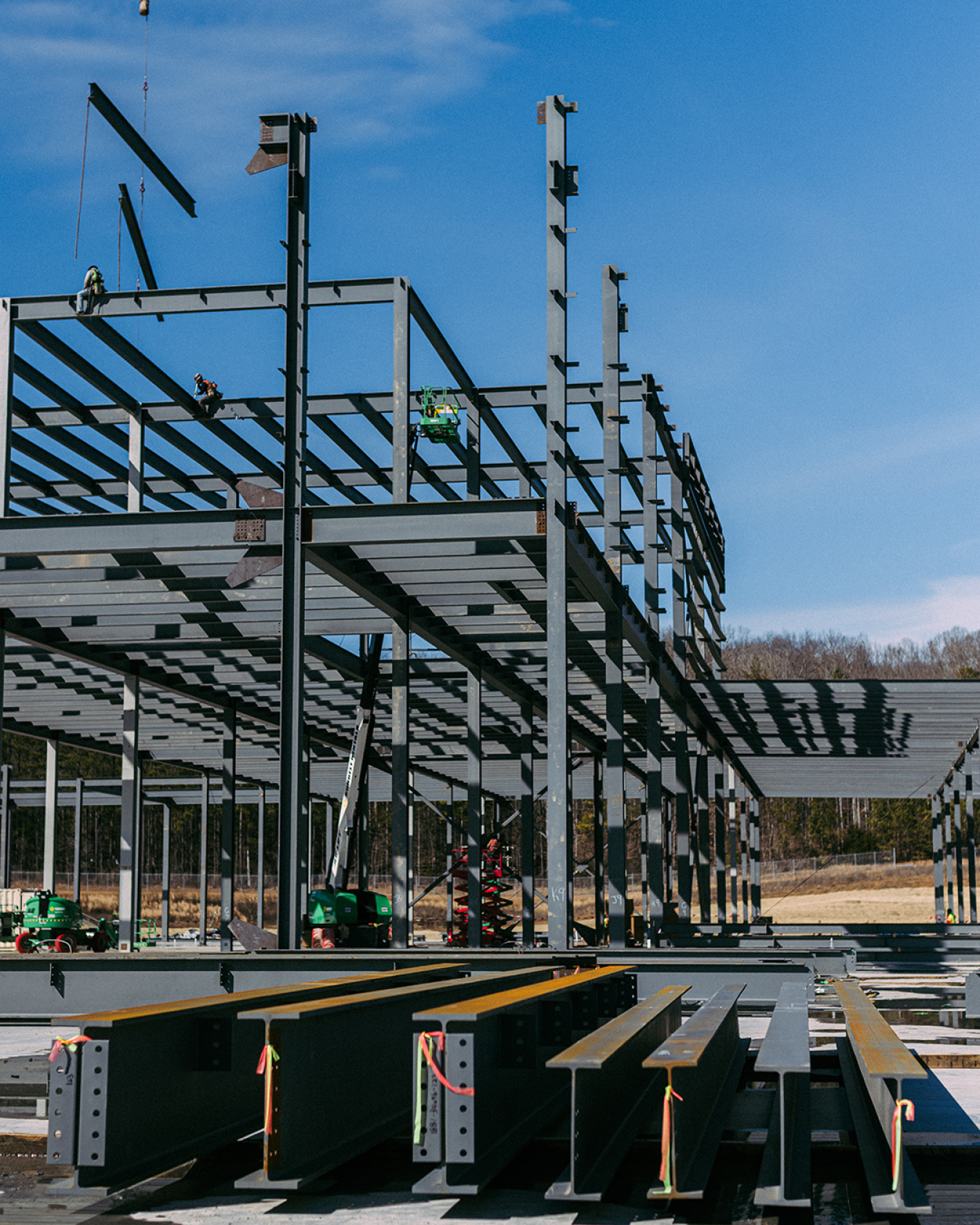
The company's TX-1 facility, currently under construction, is the first commercial-scale fuel fabrication facility in the United States focused on high-assay low-enriched uranium (HALEU) fuel to receive NRC approval. The achievement is a major step forward in building a secure and reliable domestic nuclear fuel supply chain.
Once complete, TX-1 will manufacture TRISO fuel to support deployment of the company’s Xe-100 advanced small modular reactor, as well as other advanced nuclear reactor companies.
Breaking New Ground
The license authorizes TRISO-X, a wholly owned subsidiary of X-energy, to commercially produce nuclear fuel for advanced reactors.
TRISO-X submitted the initial license application for a fuel fabrication facility in 2022. In September 2025, the NRC issued a draft environmental impact statement for public comment, finding no significant impact for the project. The license was approved on February 13, three months ahead of schedule.
Building construction on TX-1 began in November 2025 at the 110-acre TRISO-X Campus in Oak Ridge, part of X-energy’s participation in the U.S. Department of Energy’s Advanced Reactor Demonstration Program (ARDP).
ARDP funding provides up to 50% cost sharing with X-energy for the Xe-100 Advanced Reactor Demonstration Project, including construction of TX-1.
X-energy predicts that the 215,000-square-foot facility will employ around 500 full time staff and can produce 700,000 of its proprietary TRISO-X fuel “pebbles” per year — enough fuel to sustain 11 Xe-100 reactors.
Pebble Power
TRISO-X’s fuel pebbles are billiard ball-sized spheres designed specifically to power the Xe-100 high-temperature gas-cooled reactor.
A single pebble contains over 18,000 TRISO fuel particles, each about the size of a poppy seed. These TRISO particles are made up of a uranium, carbon, and oxygen fuel kernel encapsulated by three layers of carbon- and silicon carbide ceramic-based materials that prevent the release of radioactive fission products.

This unique structure makes TRISO fuels extraordinarily robust, giving them the ability to withstand extreme radiation and temperatures beyond the threshold of current nuclear fuels.
TRISO-X is a proprietary form of TRISO fuel developed by X-energy and TRISO-X in partnership with Oak Ridge National Laboratory. The companies have operated a pilot facility at ORNL since 2016, adapting and refining established TRISO production processes to ensure high-quality fabrication at full commercial scale.
Irradiation testing of TRISO-X fuel is currently underway at Idaho National Laboratory’s (INL) Advanced Test Reactor facility. The experiments will evaluate how the fuel performs under various power levels, temperatures, and burnup conditions to simulate a wide range of operating scenarios.
Fueling the Future
TX-1 is a critical piece of X-energy’s plans to commercialize the Xe-100 small modular reactor, an 80-megawatt-electric, 200-megawatt-thermal high-temperature gas-cooled reactor designed to provide either electricity or high-temperature steam for industrial applications.
In May 2025, the NRC accepted a construction permit application from Dow to build the first four Xe-100 reactors to power its manufacturing facility in Seadrift, Texas. The project is anticipated to be the first-ever manufacturing site in North America to be powered by nuclear energy.
The project is one of two demonstration projects supported by DOE to accelerate the deployment of new reactor technologies.
Fuel fabrication at TX-1 is expected to begin in early 2028.