



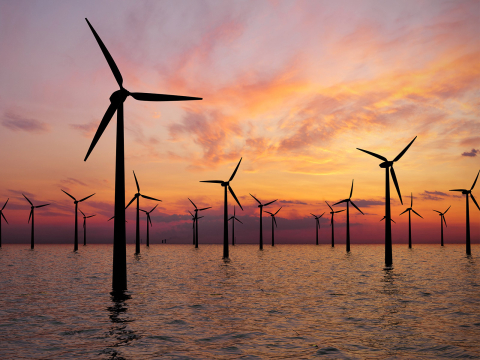
In a collaborative study published in Wind Energy Science, a team led by Pacific Northwest National Laboratory examined offshore wind energy challenges and laid out future approaches to meet them.
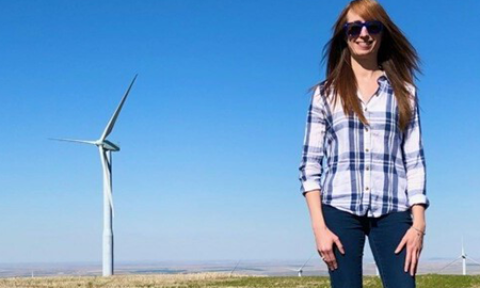
A Pacific Northwest National Laboratory researcher shares her thoughts on the evolving potential of wind energy and how future scientists can get involved.
The National Offshore Wind Research and Development Consortium (NOWRDC), which was established with funding from the U.S. Department of Energy (DOE), has selected five new projects to receive a total of $3.5 million for ocean coexistence and transmission.
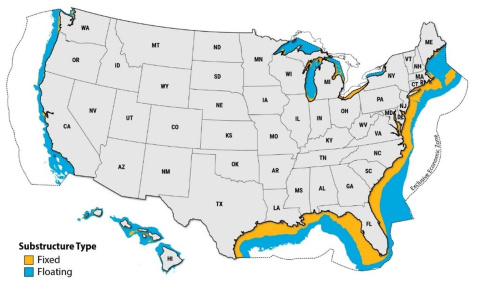
Floating offshore wind potential offers more than two times the energy equivalent of annual U.S. electricity consumption, even after accounting for relative technical suitability in support of responsible offshore wind energy deployment.
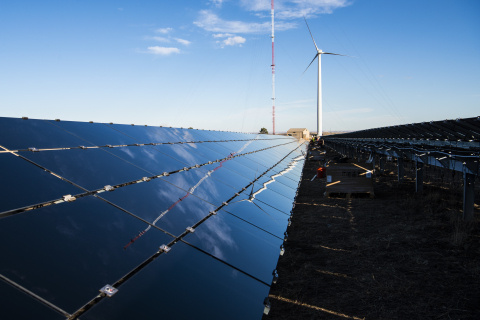
In a new journal article, researchers at Lawrence Berkeley National Laboratory explore the potential implications of both solar and wind energy project siting patterns.
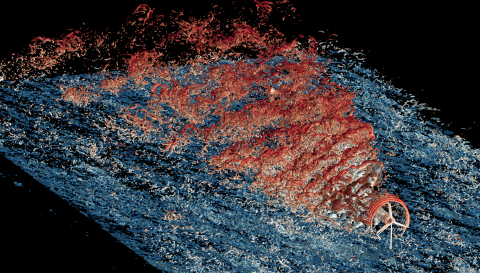
The American WAKE experimeNt—a massive data collection effort funded by WETO—could help U.S. wind farms produce more energy, increase profits, and, eventually, reduce electricity prices for consumers.
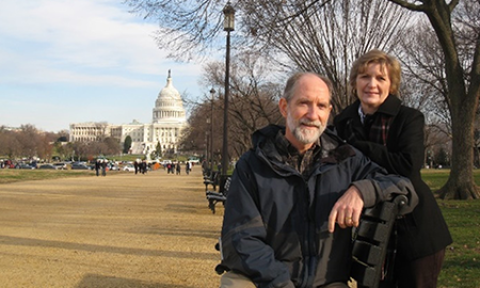
After 31 years at the Pacific Northwest National Laboratory, Wind Energy Program Manager Will Shaw has retired. From the Atmosphere to Electrons initiative to offshore wind buoys, it’s been a wind energy career he’s enjoyed with “gust-o.”
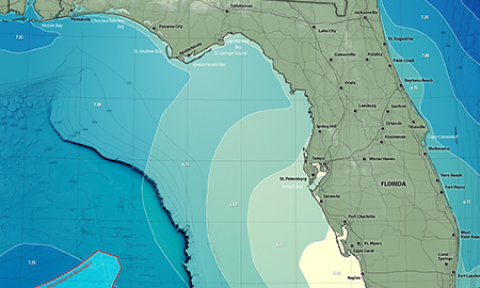
New land-based maps are available for Missouri and Tennessee, and new offshore maps are available for Texas-Louisiana, North Carolina-South Carolina, and Mississippi-Alabama-Georgia-Florida.
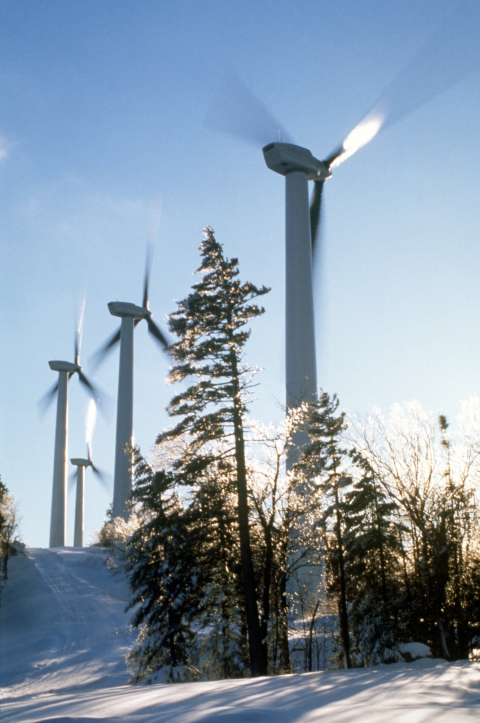
As 2021 draws to a close, the Wind Energy Technologies Office (WETO) is reflecting on our R&D, recent achievements, and recognitions, and getting ramped up for a new year of possibilities for wind energy.
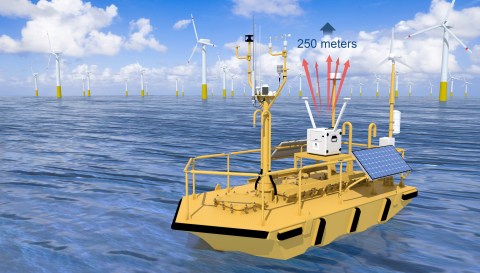
Offshore wind research buoys are equipped with instruments that can take wind speed measurements as high as 250 meters—the height of today’s wind turbines. Results will help wind power plant operators make funding and siting decisions.