



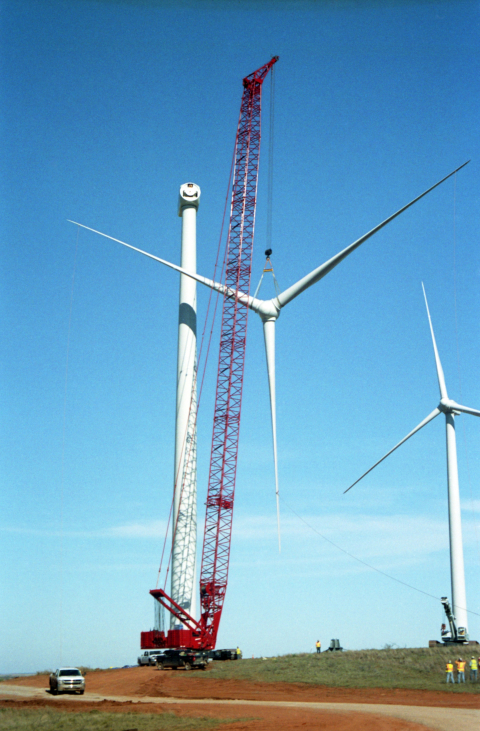
DOE national labs and industry partner Vestas published a report discussing how 3-D printing may hold promise for producing specific wind energy components.
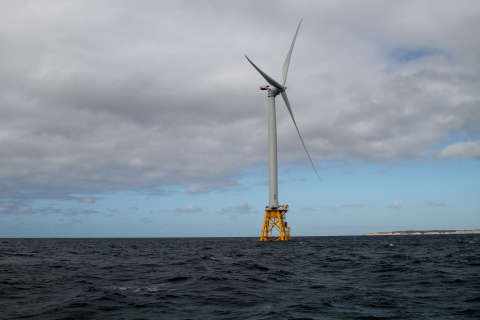
DOE’s Office of Energy Efficiency and Renewable Energy recently selected six wind-energy-related projects for Small Business Innovation Research Phase II funding. The announcement is part of DOE-wide awards totaling $127 million.
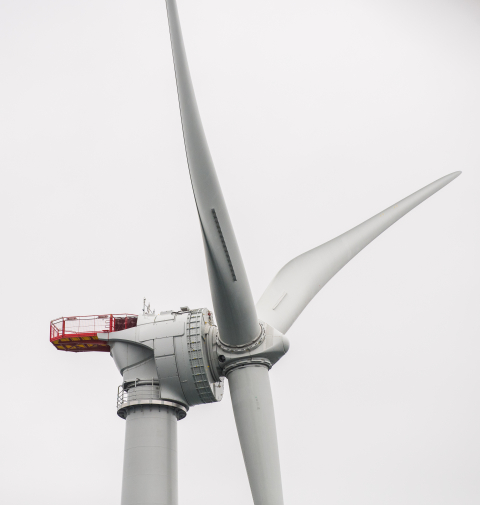
The National Renewable Energy Laboratory has published a new study examining the use of advanced machine learning and 3D printing techniques to save costs and size in wind turbine generators.
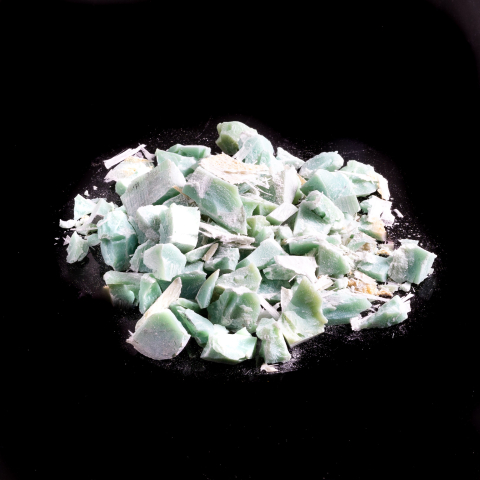
Using, reusing, recycling, and remanufacturing wind turbine materials—combined with technology engineered to use fewer materials and resources—will produce components that can easily be broken down for use in other applications.
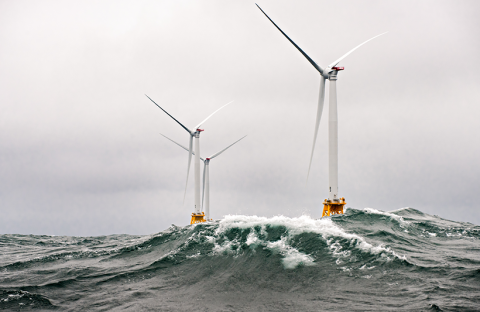
The purpose of the Supply Chain Roadmap is to present the collective benefits of a domestic supply chain and facilitate the acceleration of the offshore wind industry in the United States.
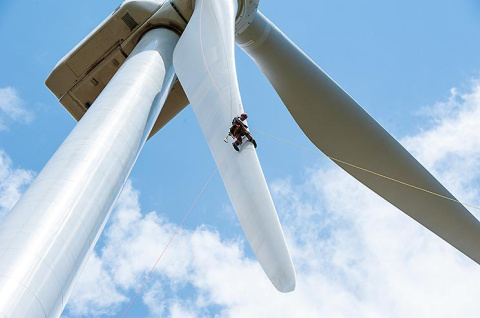
Slender, Flexible Blades Enable High-Energy-Capture Wind Turbines by Resolving Transportation Challenges.
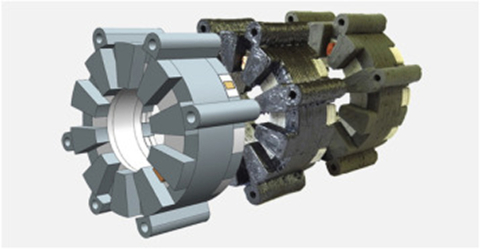
This study highlights the current status of additive manufacturing of magnetic components, such as rotors and stators, for large electrical machines.
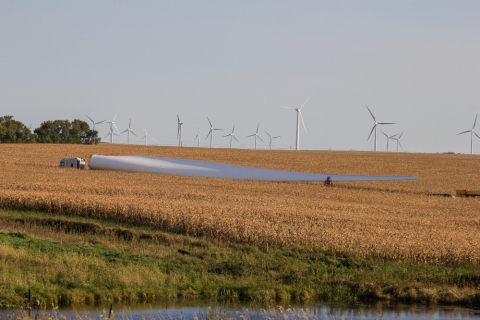
Study blows a hole in the theory that wind turbine manufacturers have avoided carbon fiber materials because of their high cost.
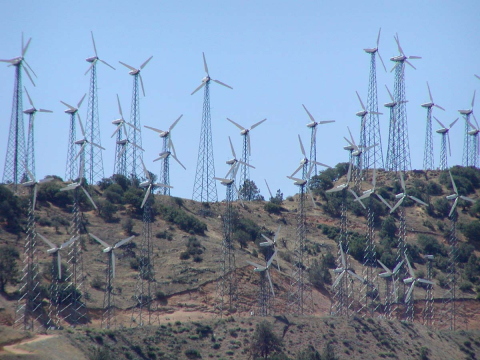
DOE funding opportunity includes integrated additive manufacturing processes for wind turbine blade production.
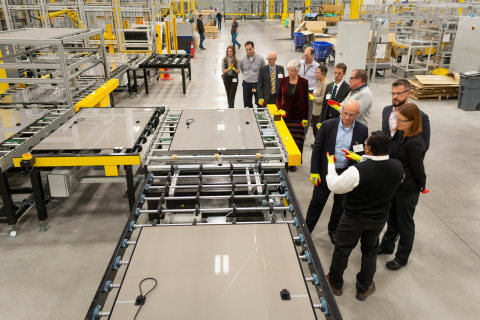
A top priority for EERE is supporting game-changing manufacturing innovations across multiple sectors, including American solar panel manufacturing.