



RSS


Below are stories about environmental impacts and siting featured by the U.S. Department of Energy (DOE) Integrated Energy Systems Office.
Subscribe to the IESO E-Newsletter
Subscribe to the IESO e-newsletter to stay informed on the latest wind energy news, events, publications, and updates.
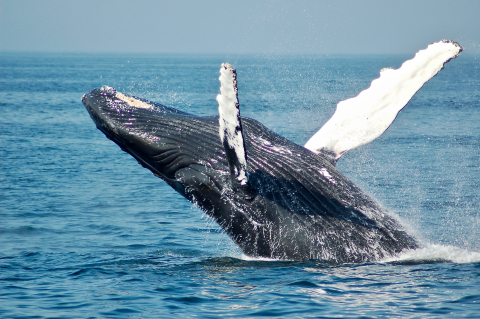
Joy Page wants to combat the environmental crisis head on. Drawing on her experience with renewable energy, she recently joined WETO as a biologist to ensure harmony between wind energy deployment and wildlife populations.
Applications are now open for recent graduates and energy professionals to apply to DOE’s new Renewable Energy Innovator Fellowship.
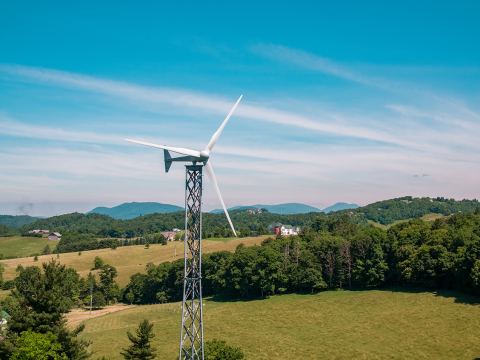
Researchers from NREL explore challenges related to the expansion of wind power.
WETO has released a Request for Information to gather information on research needs related to the effects of offshore wind development on communities, in the context of a national energy addition.
The American Wind Wildlife Institute is now officially REWI, the Renewable Energy Wildlife Institute, to reflect the expansion of their scope to include solar.
As 2021 draws to a close, the Wind Energy Technologies Office (WETO) is reflecting on our R&D, recent achievements, and recognitions, and getting ramped up for a new year of possibilities for wind energy.
R&D World magazine has recognized three WETO-supported projects for its 2021 R&D 100 awards, which celebrate products and technologies that are considered innovative disruptors and revolutionary ideas in science and technology.
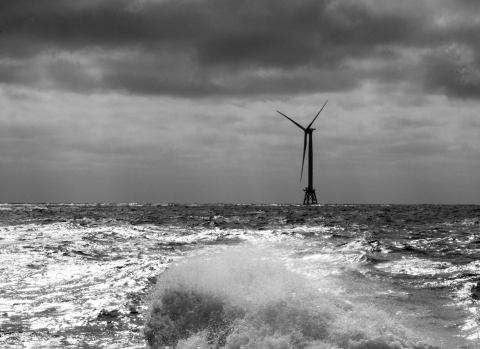
SEER, the U.S. Offshore Wind Synthesis of Environmental Effects Research, is designed to shed light on the environmental effects of offshore wind development, identify existing gaps in information, and prioritize future environmental research efforts.
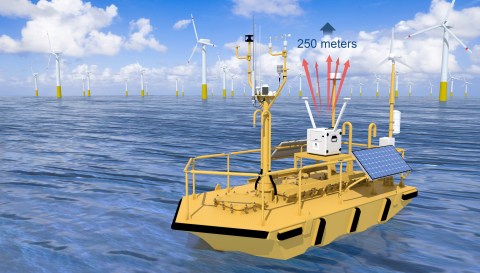
Offshore wind research buoys are equipped with instruments that can take wind speed measurements as high as 250 meters—the height of today’s wind turbines. Results will help wind power plant operators make funding and siting decisions.
Selected projects will study environmental and wildlife topics that can help advance offshore wind on both the east and west coasts of the United States.