



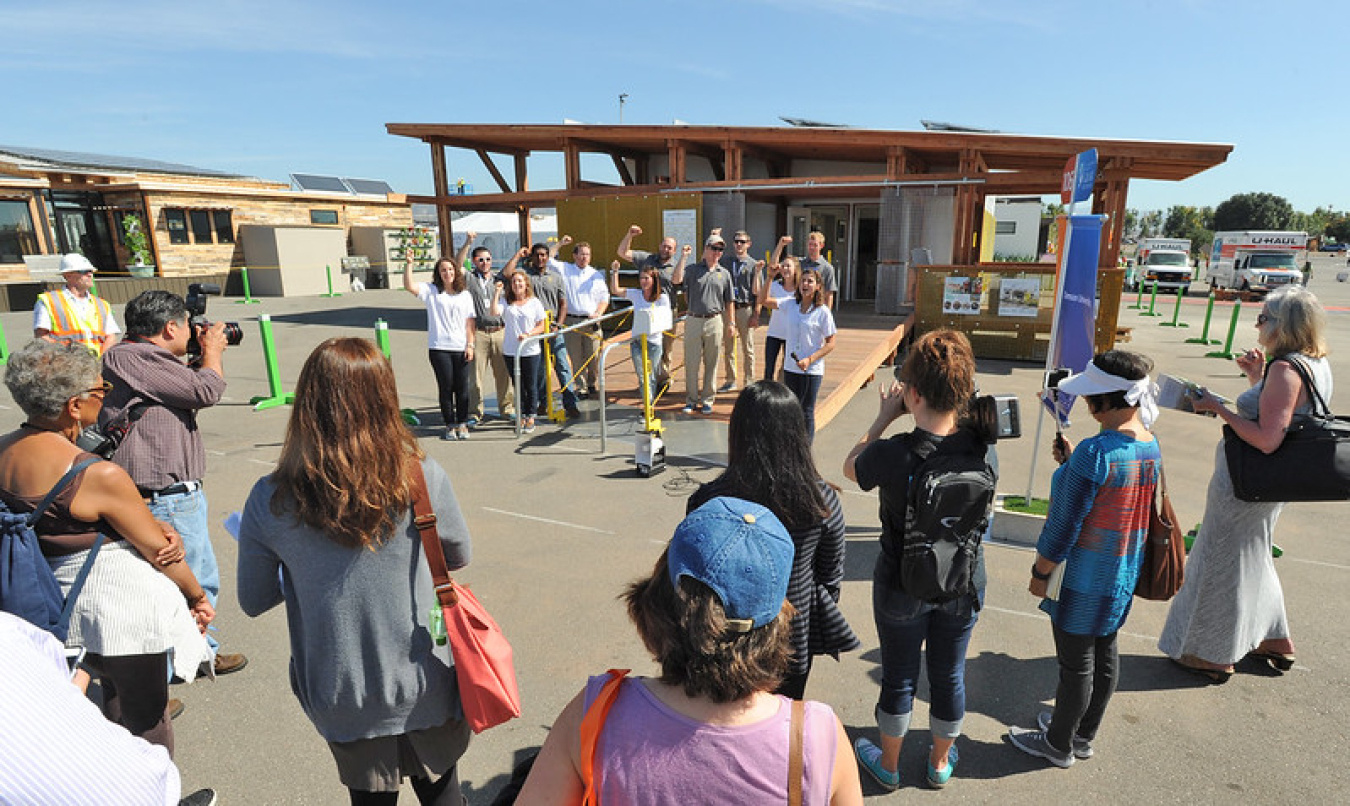
Sixteen teams competed in the 2015 Build Challenge with 14 finalists exhibiting their constructed houses after two years of competition.
2015 Build Challenge Finalist Teams
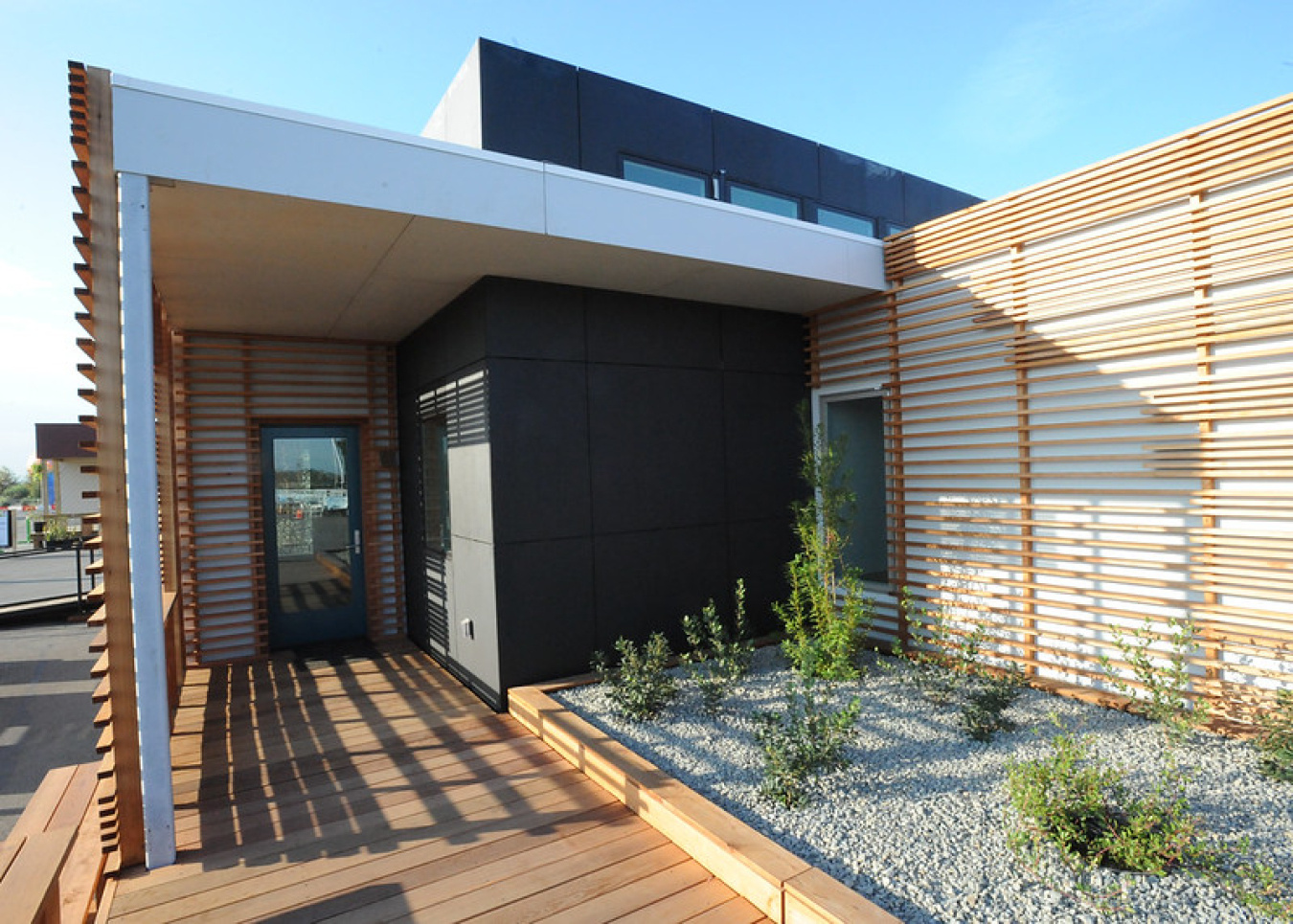
California Polytechnic State University, San Luis Obispo, returned to the challenge with a house designed for coastal California. As such, INhouse addresses the majority of its heating, cooling, and lighting needs architecturally. Its public and private "wings" are serviced by an active "core" that contains mechanical, electrical, plumbing, and monitoring systems. INhouse explores the connection between system and resident with the goal of making operation and management intuitive, energy-affordable, and waste-minimal.
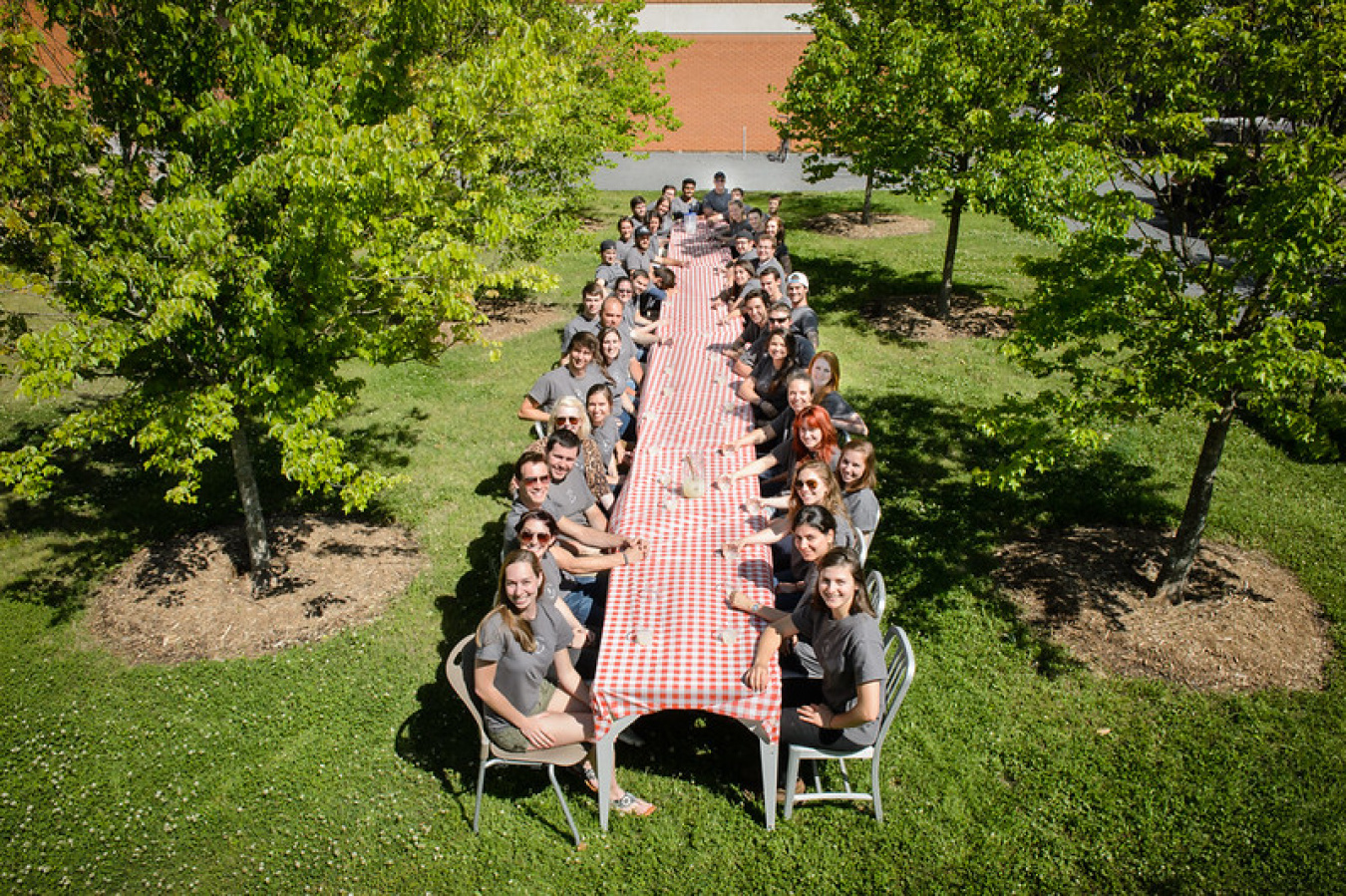
The Clemson team developed a new construction method to enable residents to construct their own homes efficiently and affordably with their submission, Indigo Pine.
The Clemson team focused on stitching together innovative building methods, Southern personality, and local products into a family home. Indigo Pine's innovative building method emphasizes front-end design to make construction faster, safer, and more intuitive by using materials that can be purchased from any supply store. By streamlining and simplifying the construction process, Indigo Pine can be built largely by the homeowners.
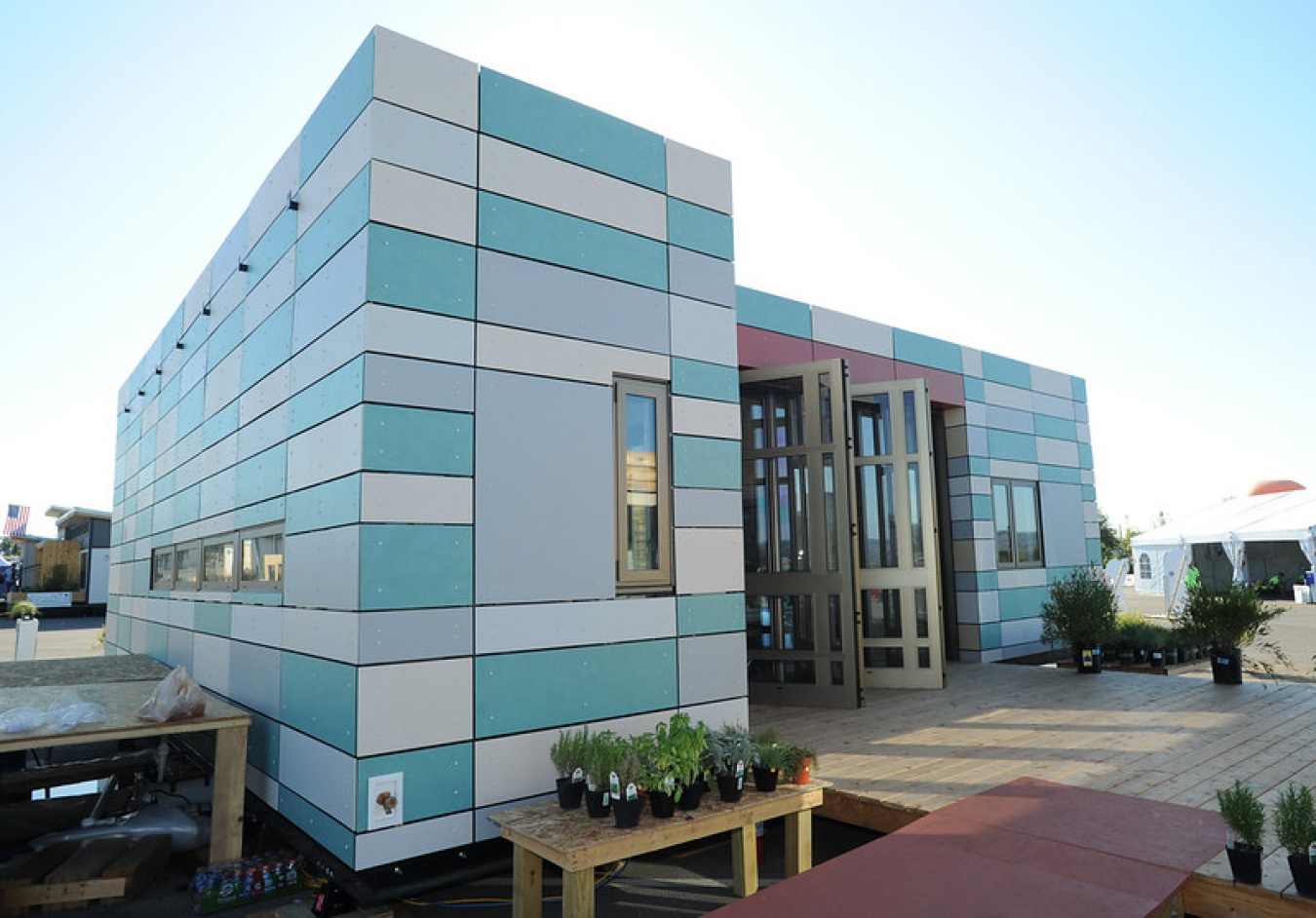
ShelteR3, Crowder College and Drury University's entry, is a disaster-resilient house designed to be both elegantly simple and secure. Its name alludes to the most fundamental purpose of a home—to provide shelter—and the team's design philosophy: Respond, Recover, and Resist. ShelteR3(pronounced "shelter cubed") will not only accelerate the recovery of those affected by tornadoes but also counter the effects of future disasters.
ShelteR3's open living area expands to a spacious front porch and semiprivate rear deck. Minimal window openings in the bedrooms, kitchen, and bath create privacy and secure protection. Finally, the ultra-strong core, strengthened by walls of multiple layers of shielding, is further enveloped by an unyielding fence that deflects projectiles in high winds.
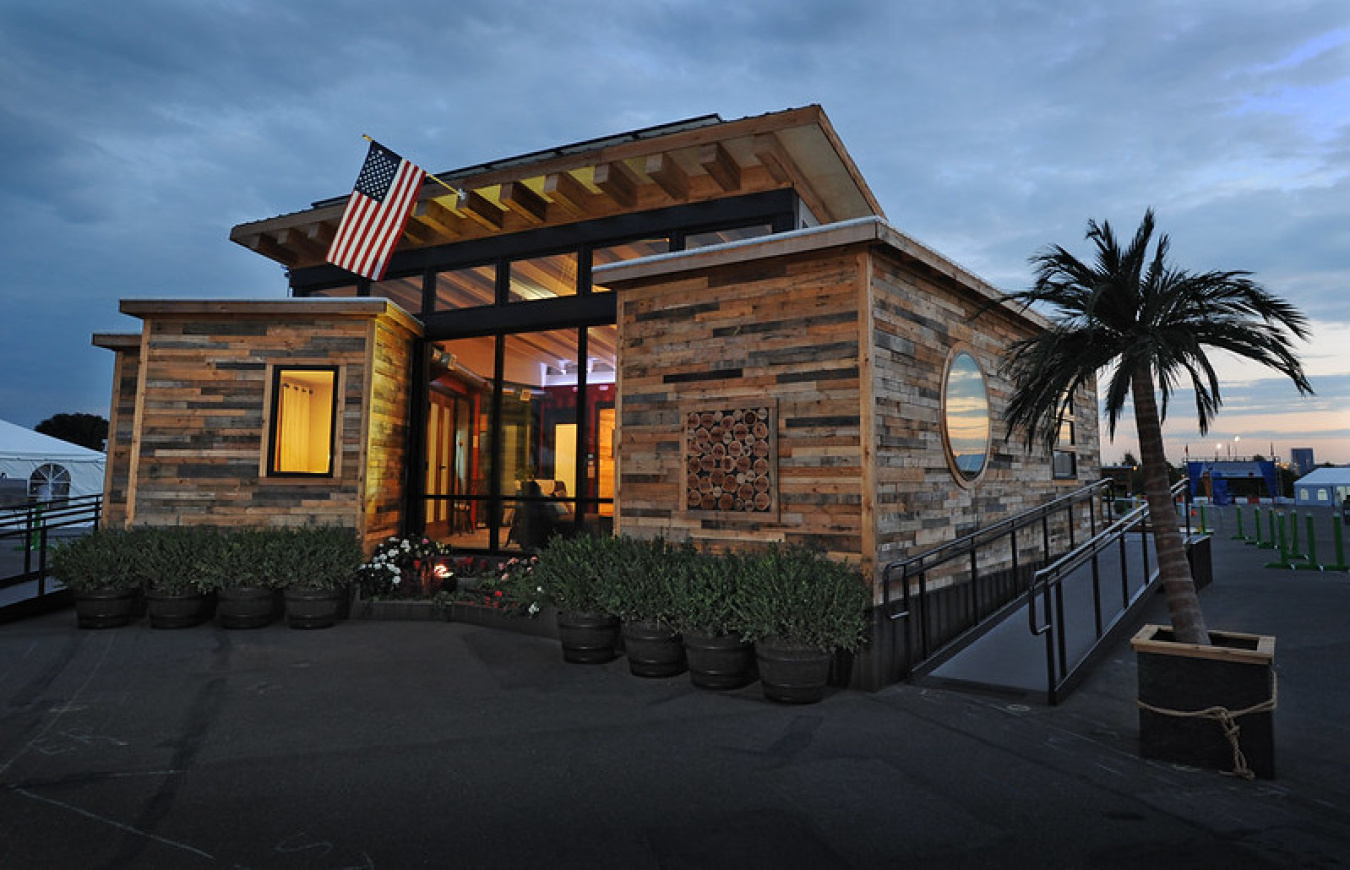
Just as birds use any available materials to build a nest, Missouri University of Science and Technology reused common materials to build its 2015 entry. Three refurbished shipping containers form the structure of the house. Innovative technologies such as greywater reclamation and a home automation system pair with passive design techniques to reduce overall energy consumption and improve efficiency. Collectively, these elements form a balanced blend of modern design and comfort.
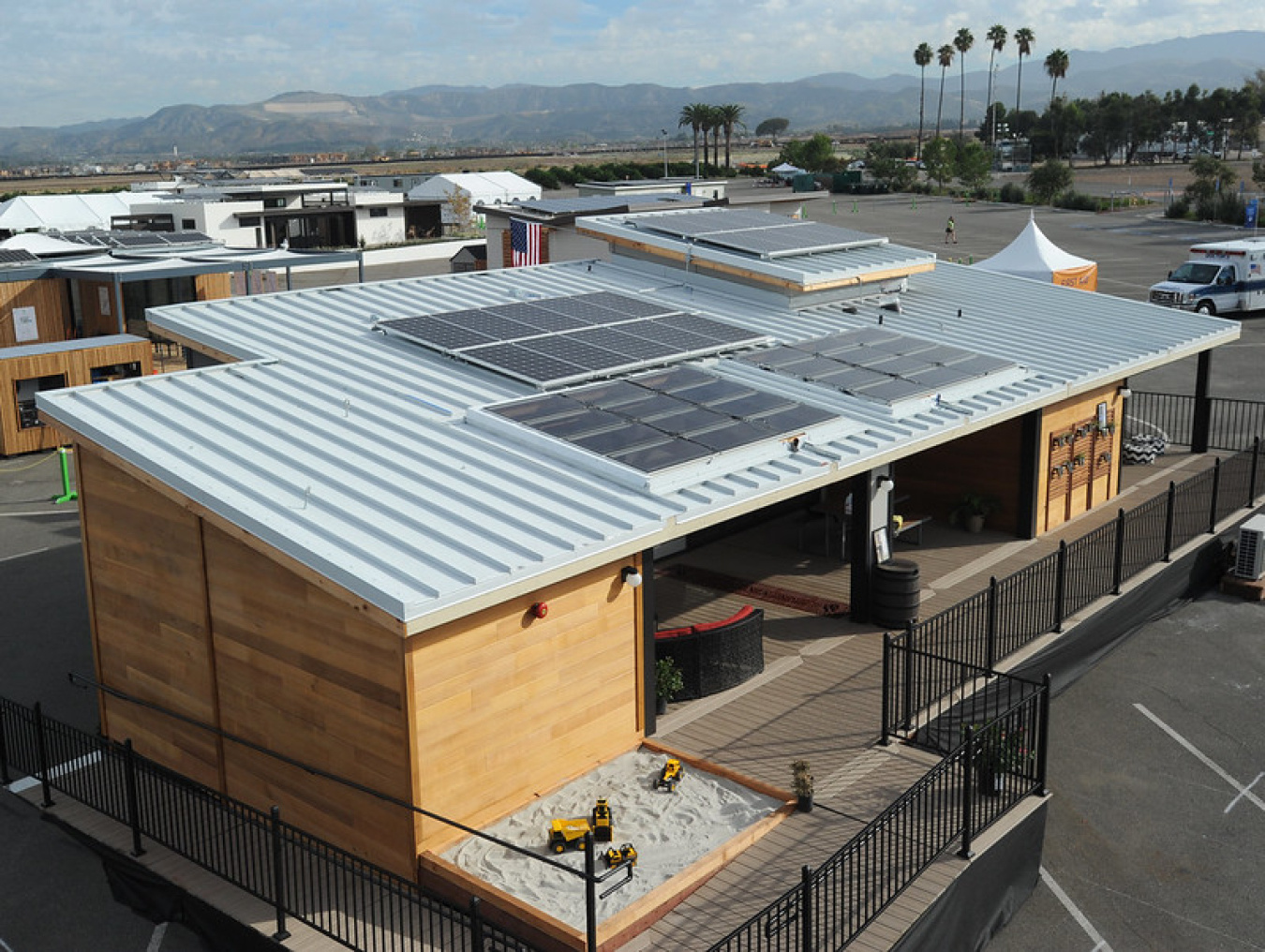
The California State University, Sacramento team called its first Build Challenge project Reflect Home because the house is intended to reflect those who live within it. The Reflect Home is a model of stylish and comfortable living.
The interior includes an open and modern common space with an emphasis on indoor-outdoor living. The continuous wall and ceiling materials break down the barrier between indoors and out, while the outdoor living area offers a large space for living and entertaining.
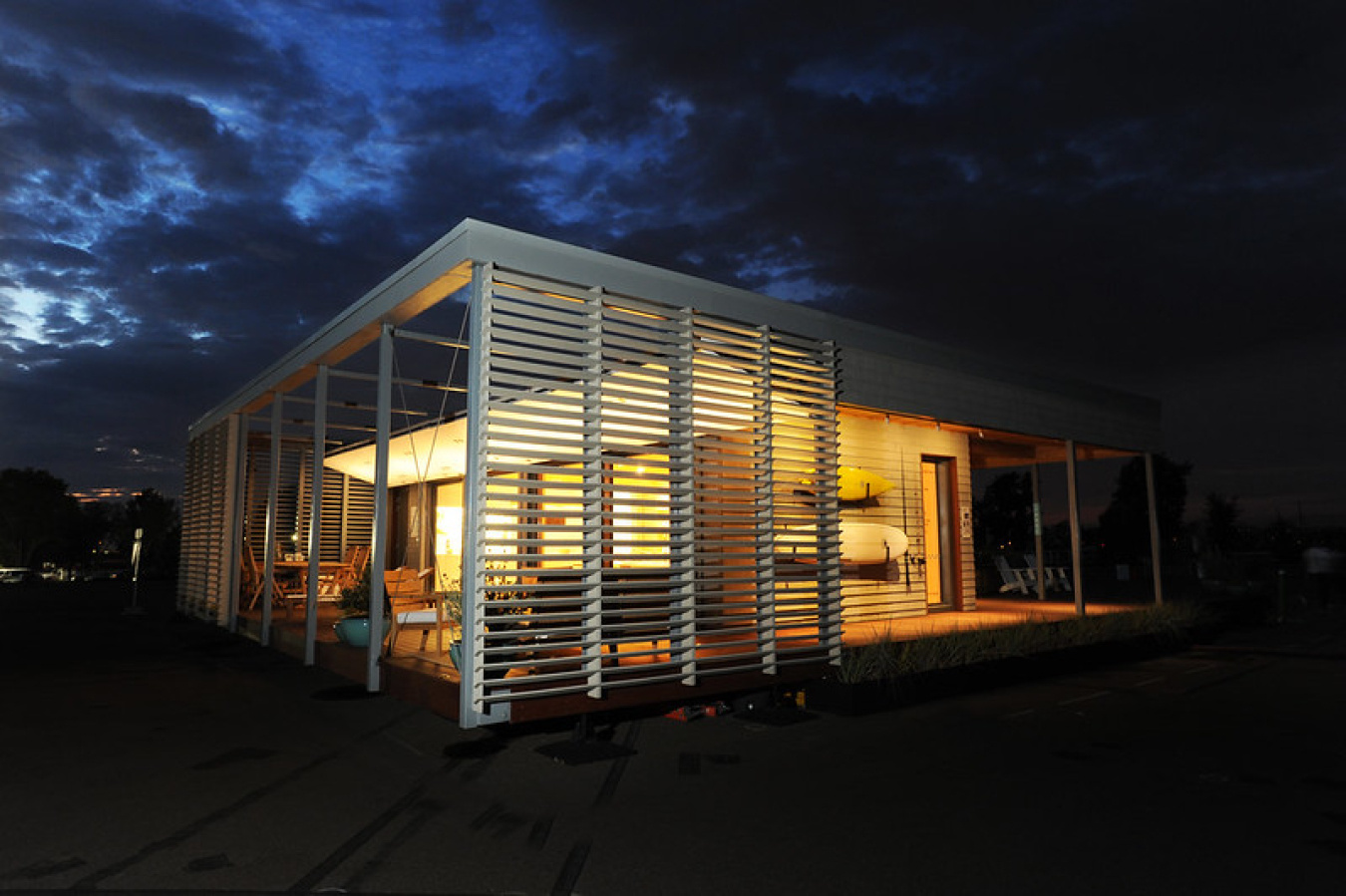
The storm surge, high winds, and flooding associated with 2012's Superstorm Sandy highlighted the vulnerability of Mid-Atlantic shore neighborhoods. The SURE HOUSE therefore began with a simple idea: create a low-energy, storm-resilient home for vulnerable coastal communities. The notion of the "shore house" resulted in a focus on indoor-outdoor spaces, and through a simple design transformation, the SURE HOUSE doubles its usable space in the summer months by opening up to the outdoor decks. This outdoor living room complements a contemporary interior that draws on natural daylight and flexible living space to create an inviting family home.
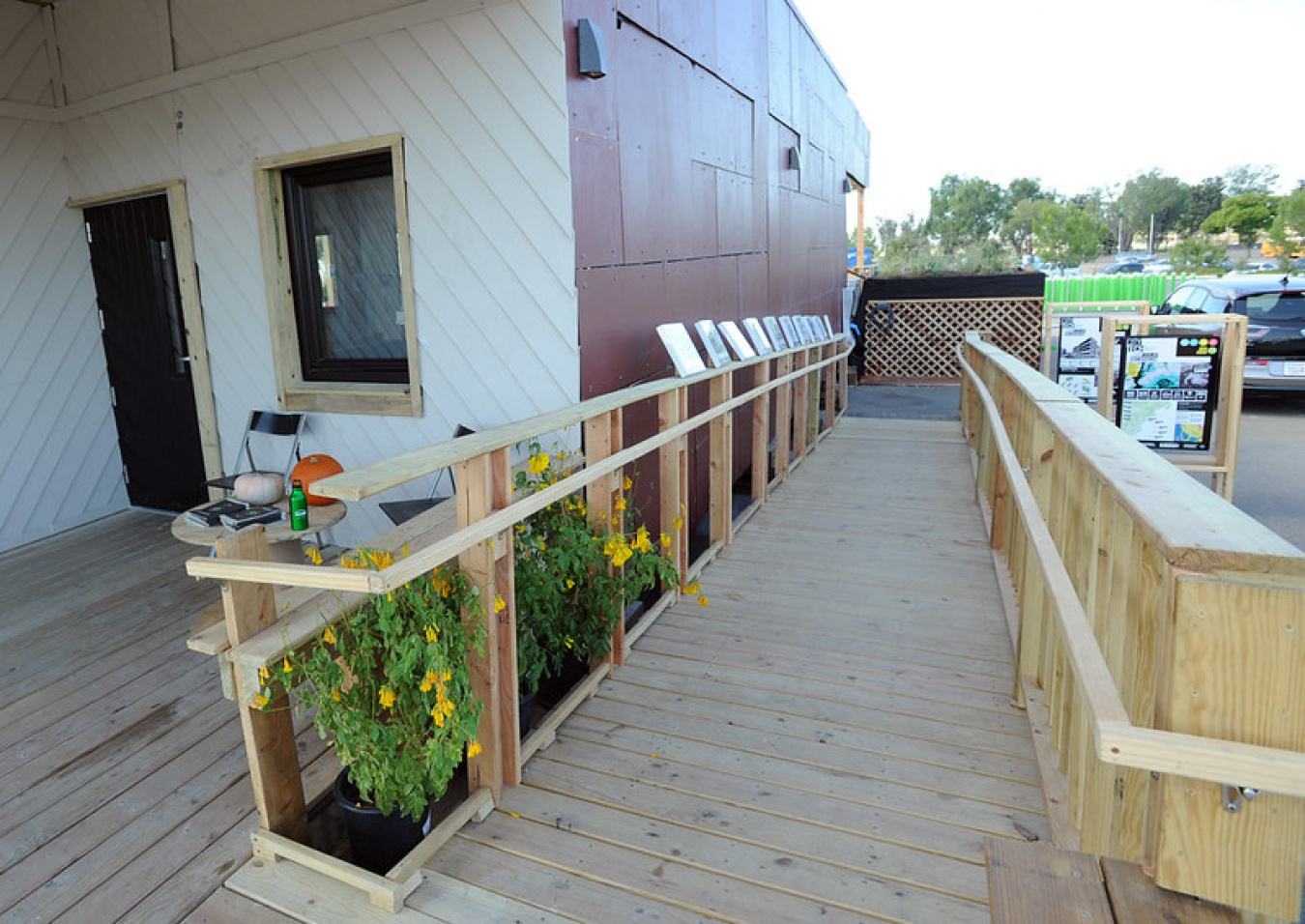
Alf House, State University of New York at Alfred College of Technology and Alfred University's first Build Challenge entry, was inspired by the rolling hills, deep valleys, and picturesque streams of Allegany County, New York. Alf House is designed to withstand the harsh winters of upstate New York.
Alf House was designed for a small family in the Southern Tier of New York State with three goals in mind: efficiency, affordability, and simplicity. It is designed to be decoupled from a hectic, modern-day lifestyle, offering the owners a taste of quiet solitude and outdoor indulgences. Alf House intends to bring people together in a large, inviting, multipurpose space with scenic views. The central gathering space allows for ideal connectivity and interaction.
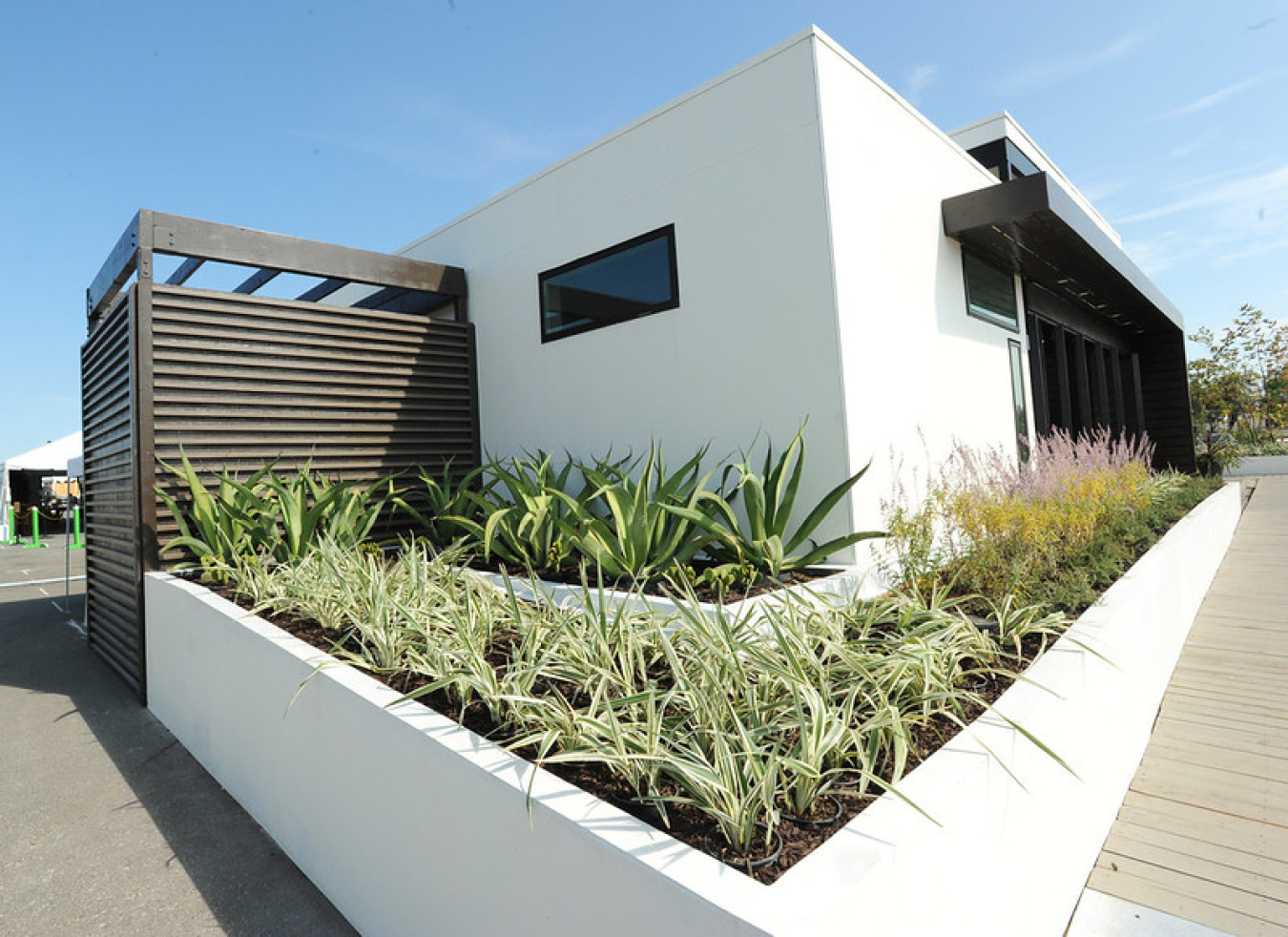
Teaming up for their first Build Challenge, the University of California, Irvine; Chapman University; Irvine Valley College; and Saddleback College designed an innovative house that draws inspiration from the California state flower: the golden poppy. Like the flower, Casa Del Sol is drought-resistant and architecturally adapted to Southern California. It features an open design with a flex floor plan and separate studio for multigenerational living or a possible rental.
Casa del Sol's architectural features—including a south-facing veranda, halo with retractable tensile structure, and eastern brise soleil—passively maintain a comfortable temperature by allowing sunlight into the house during the winter and providing shade from the sun during summer.
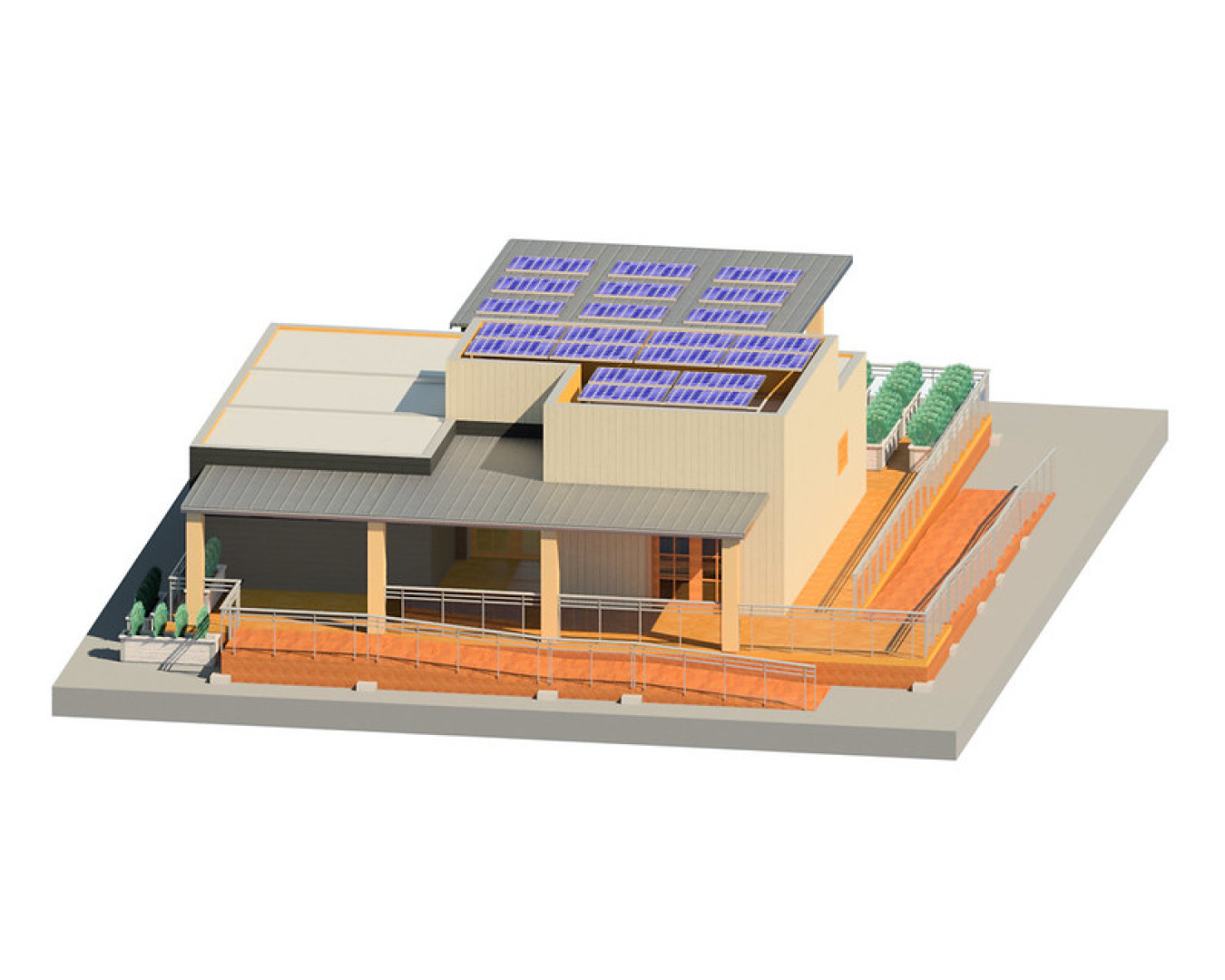
The team is creating Harmony House—an efficient home for a lower-income family. With a traditional façade, wide front porch, open living space conducive to entertaining, and plentiful outdoor space, Harmony House is a modern interpretation of one of Tennessee's oldest architectural styles—the dogtrot house. The dogtrot house traditionally comprised two side-by-side log cabins connected by a center breezeway and covered by a shared roof. This breezeway, or "dogtrot," allowed breezes to flow through the home during hot summer months. Team Tennessee designed a modern version of the dogtrot using wide French doors in the center of the east and west walls that open onto porches to create a breezeway through the middle of the house.
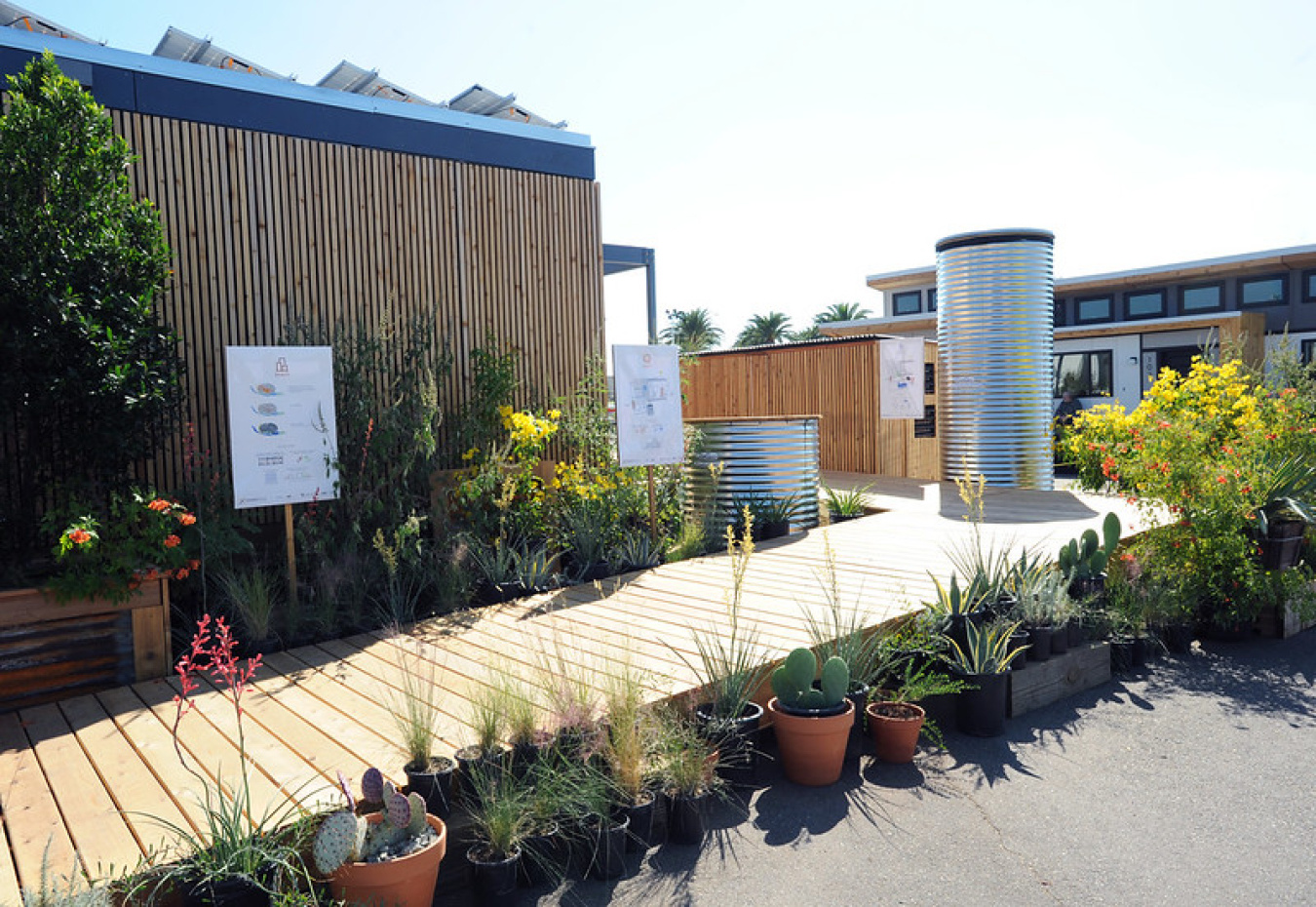
Partnering across the world with Technische Universitaet Muenchen in Germany, The University of Texas at Austin returned to the Build Challenge in 2015 with a vision for its own backyard. One of the fastest growing cities in the U.S., Austin is facing strain on its water and electricity infrastructure. Compounding these issues is an increase in suburban poverty. The team's 784-ft2 NexusHaus offers a solution to these problems in a house that can be deployed throughout Austin as an accessory dwelling unit. The house will collect most of its own water, provide vegetables and fish for consumption through a closed-loop aquaponics system, and increase density within Austin's single-family residential neighborhoods.
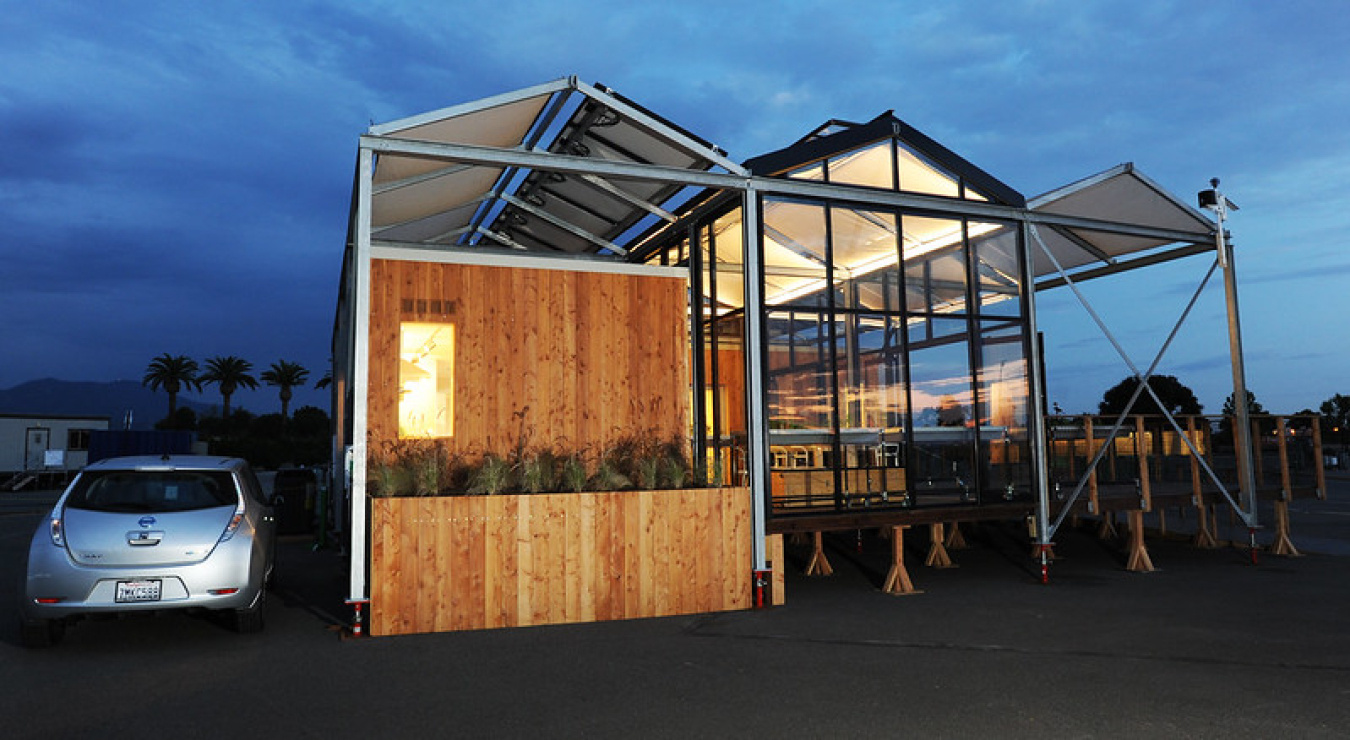
For its first Build Challenge, University at Buffalo, The State University of New York introduced the GRoW Home, which reconceptualizes urban living by pushing the conversation toward total self-sufficiency. This small but dynamic house adjusts to seasonal change through operable elements and a spatially flexible design that allows for adaptable living. The Growlarium—part greenhouse, part solarium—supports vegetation year-round and provides an extraordinary living space.
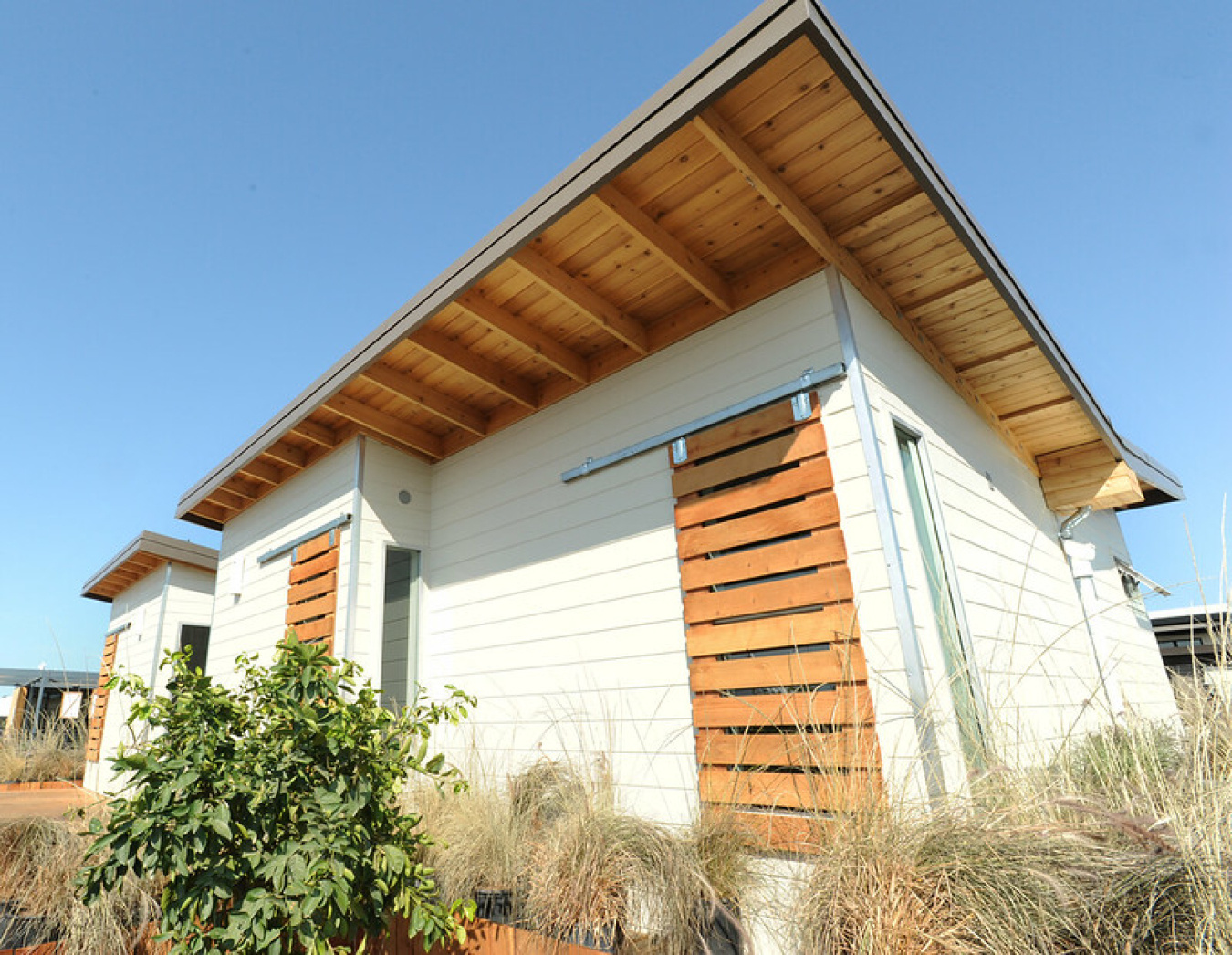
The University of California, Davis, created Aggie Sol, a prototype home for the underserved farmworkers of America. The two-bedroom, one-bathroom Aggie Sol is factory-built for easy transportation and construction. It contains a large common space with living, kitchen, and dining rooms that open onto the decks and sleeping and service rooms off a hallway. The house features in-line framing and an innovative radiant floor system that uses the night sky to reduce cooling loads.
The design addresses health, living, and cost concerns—including inadequate heating and cooling, poor air quality, work-related debris, and affordability—associated with farmworker housing conditions at a price that public and private housing providers can afford.
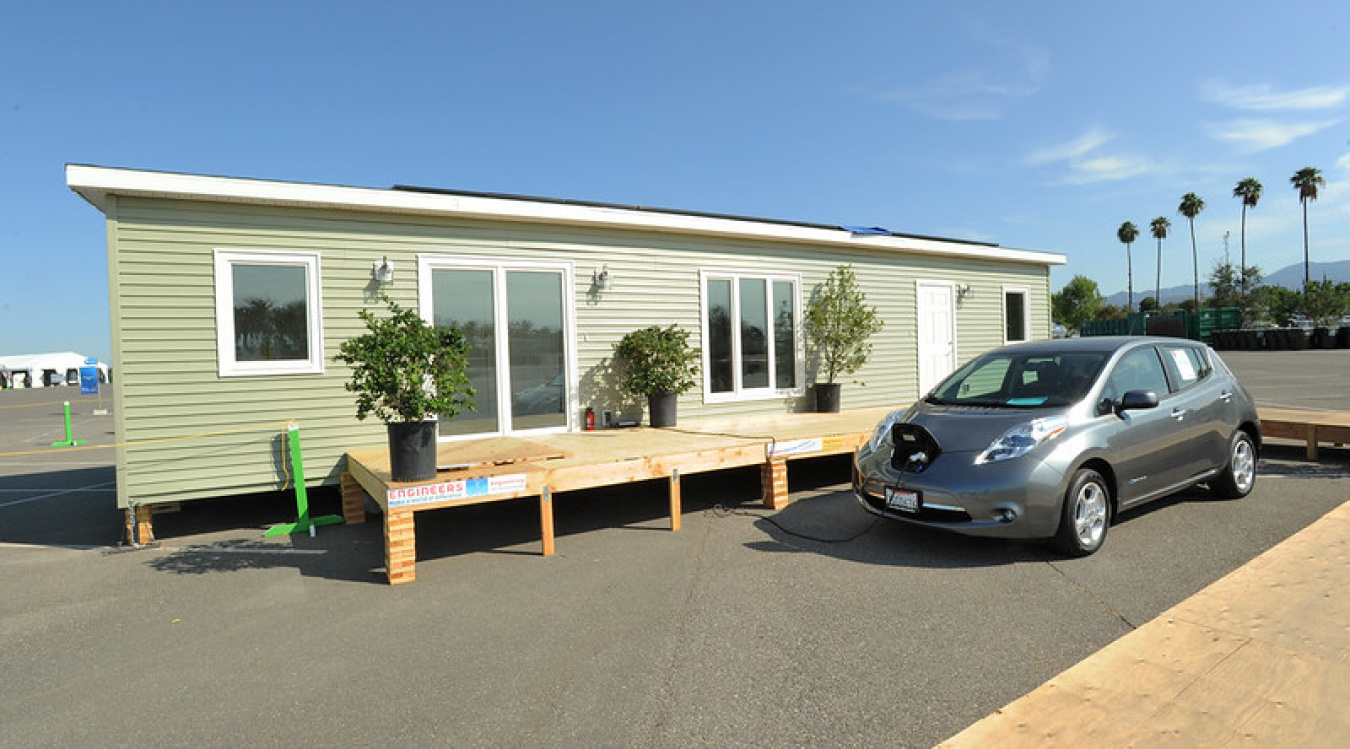
Western New England University, Universidad Tecnologica de Panama, and Universidad Tecnologica Centroamericana teamed up for their first Build Challenge to create the EASI House, a modular house designed for the climate of New England. The 680-ft2, two-bedroom, single-bathroom house is designed to be affordable for an average two-person family. Its modular nature enables it be easily relocated. EASI House's primary goal is to be as affordable as possible without sacrificing comfort.
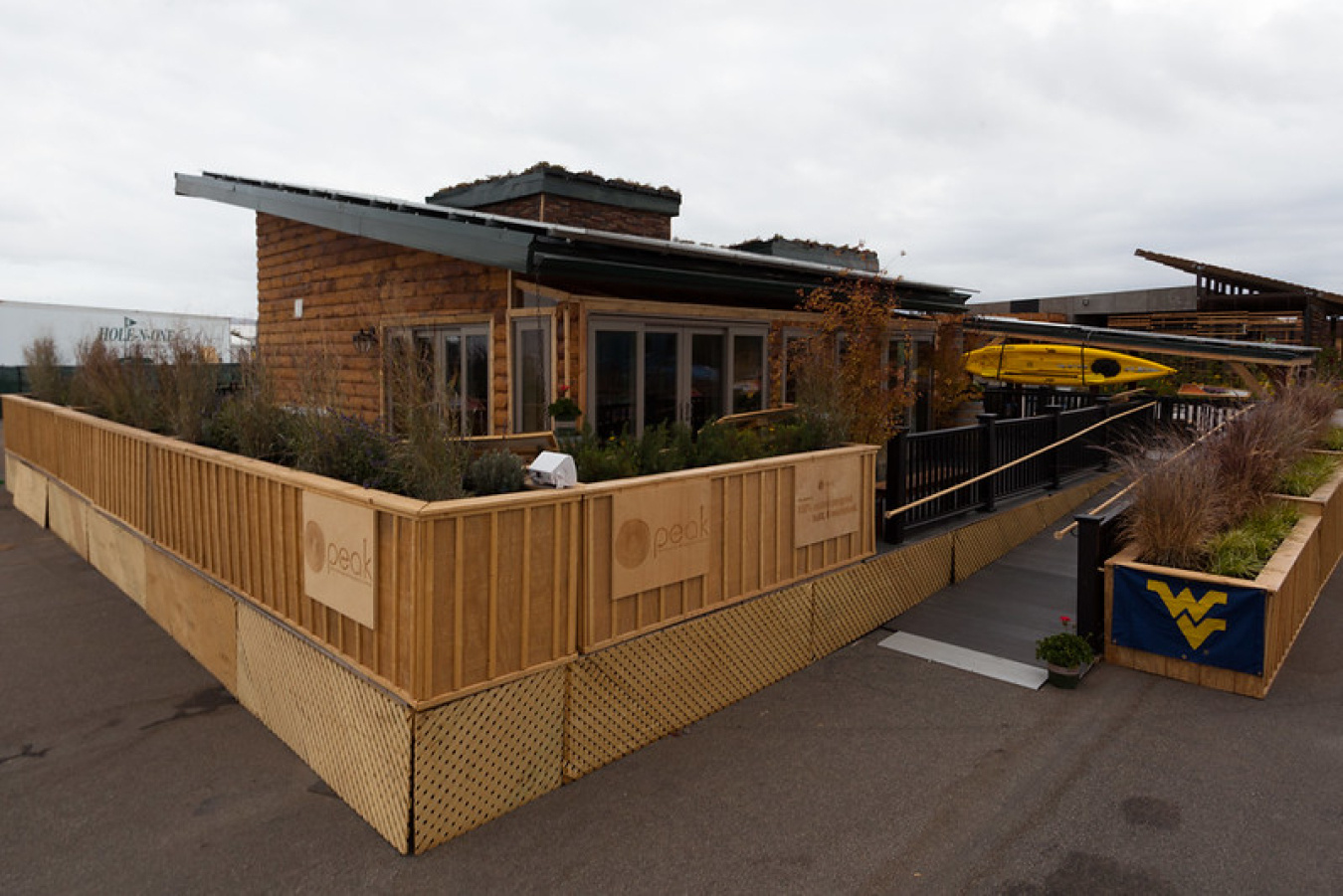
After joining forces for the 2013 Build Challenge, West Virginia University and University of Roma Tor Vergata partnered once again to present STILE. The focal design elements of STILE include recycled shipping containers and an arch that represents Italian and West Virginian architectural concepts. STILE employs a fully integrated automation system that teaches residents to efficiently use energy—enabling the house to truly serve as a learning experience.
2015 Build Challenge Participants
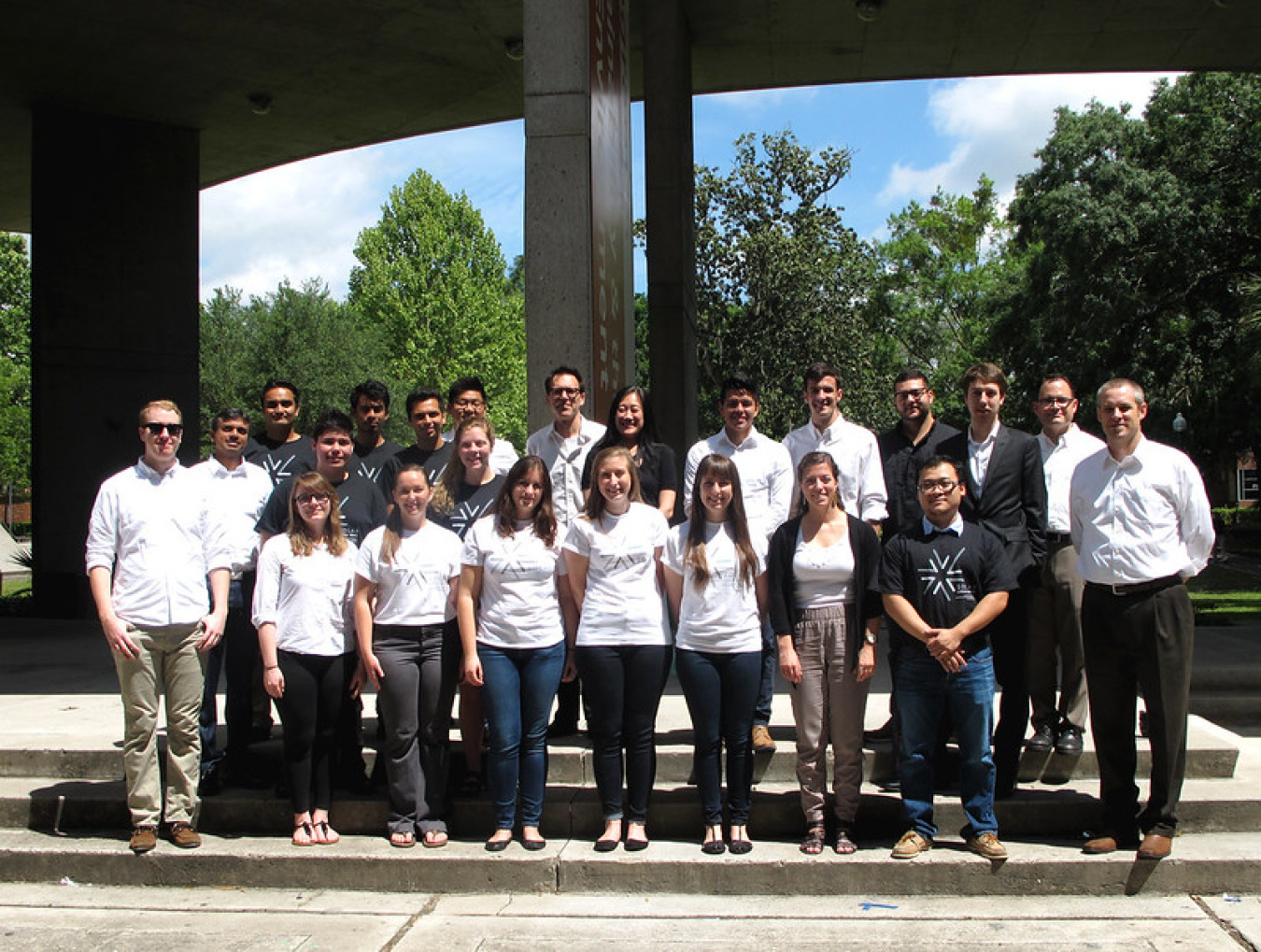
In August 2015, the University of Florida, National University of Singapore, and Santa Fe College team withdrew from the 2015 Build Challenge. However, the team still plans to develop an alternative approach to housing—one that is efficient, affordable, and inspirational. Inspired by mid-century modern homes and the Case Study House program, the Florida/Singapore team approached this house with the goal of creating an elegant and disciplined house that expresses its construction in an honest and direct manner—a house that reflects the poetic delight of a bygone era, updated and transformed through technological prowess.
Y-House seeks to find balance between home design that is marketable to a younger generation and focused on promoting an active lifestyle connected to the outdoors. An open façade and wide wood ramp create an entrance that encourages the public and occupants to mix. The large patio is ideally located for an outdoor living room. And because the house is designed for the mild Southern California climate, the patio draws occupants to enjoy its use.