Saving Energy: DOE's Impact on Water and Pool Heating
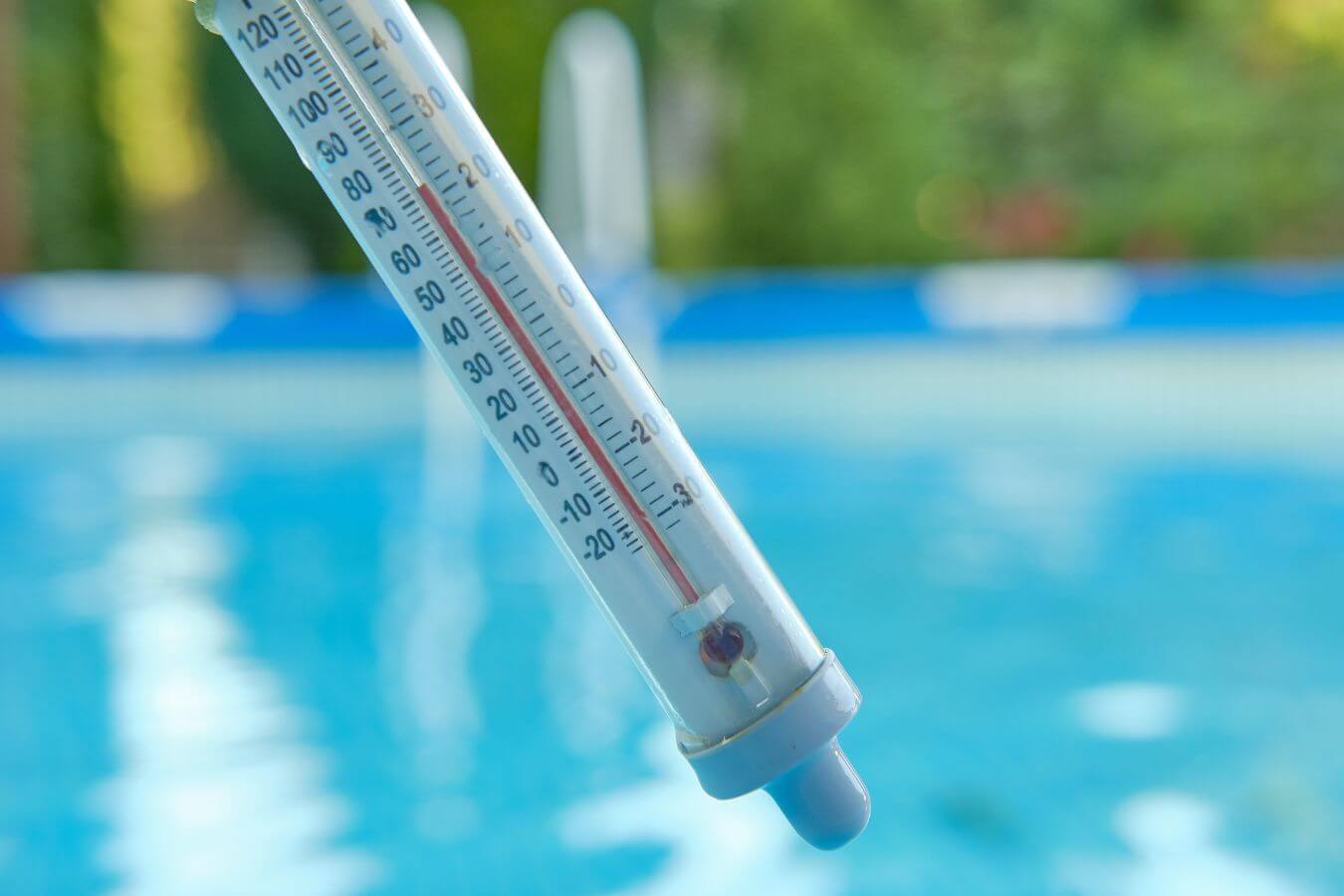
The U.S. Department of Energy (DOE) actively promotes energy efficiency in both domestic water heating and swimming pool heaters through various initiatives. For domestic water heating, DOE sets and updates energy efficiency standards, such as the April 2024 standards for residential water heaters, which are projected to save American households billions annually and increase the adoption of heat pump technology. The efficiency of these units is measured by the Uniform Energy Factor (UEF). In the realm of swimming pool heaters, DOE advocates for energy-efficient options to curb high energy consumption. Highlighting solar pool heaters for their cost-effectiveness and environmental benefits, along with efficiency determined by thermal performance ratings.
Heat pump pool heaters are also emphasized for their high efficiency, measured by the Coefficient of Performance (COP), offering significant savings compared to less efficient alternatives. Even gas pool heaters have guidelines and regulations often mandating minimum thermal efficiency standards. The overarching goal of DOE is to drive energy savings and decrease carbon emissions by advancing more efficient water and pool heating technologies through research, standards, and public education.