



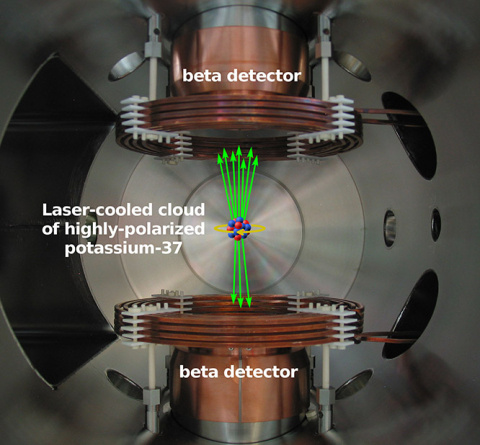
Using the TRIUMF Neutral Atom Trap (TRINAT) facility, a collaboration from Texas A&M University, TRIUMF (Canada's national particle accelerator
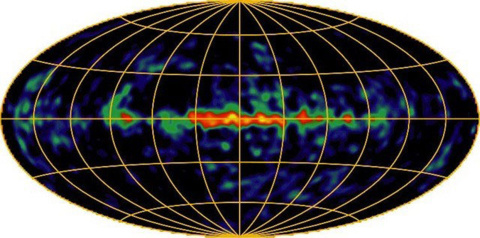
New Tech Uses Isomeric Beams to Study How and Where the Galaxy Makes One of Its Most Common Elements
Satellites equipped with gamma-ray telescopes have proven to be powerful tools for finding evidence that elements are continually being produced in
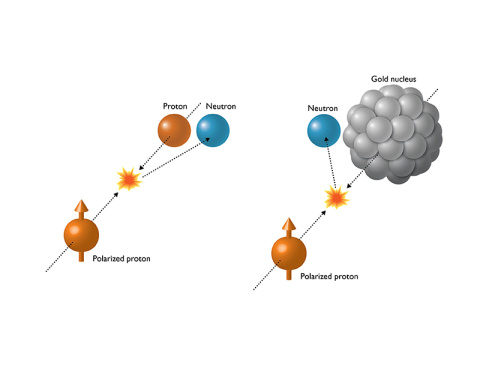
When RHIC physicists first collided spin-aligned protons with much larger gold nuclei in 2015, they expected to see neutrons emerging along the
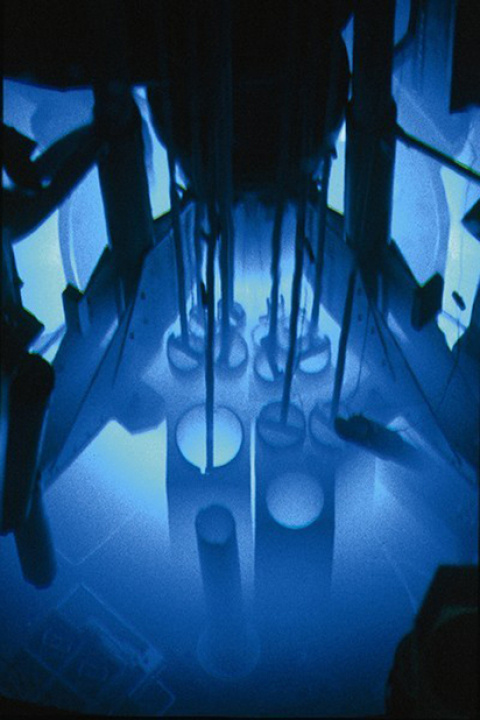
The trace element selenium is part of the 21st naturally occurring amino acid in the genetic code and a micronutrient of interest in the life
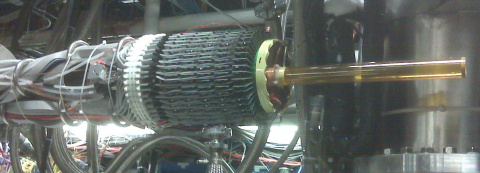
The researchers’ new measurements provided the first beam-spin asymmetry data on exclusive DVCS from helium-4 using a highly polarized
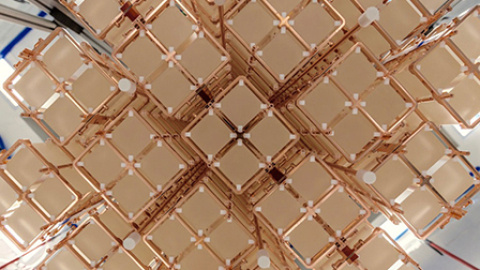
Many questions about the fundamental nature of neutrinos remain open, including whether or not a neutrino is its own antiparticle. If so,
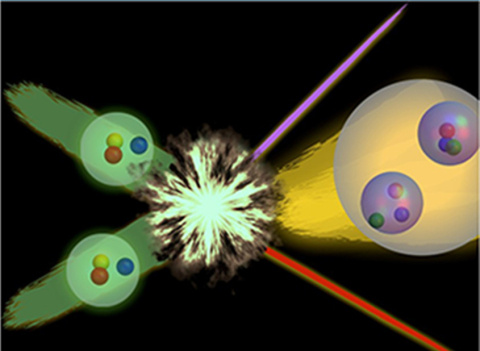
The Nuclear Physics with Lattice Quantum Chromodynamics Collaboration (NPLQCD), under the umbrella of the U.S. Quantum Chromodynamics Collaboration
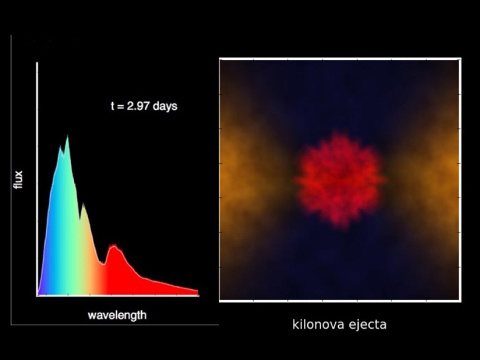
GW170817 was the first gravitational wave detection involving objects with masses typical of neutron stars. Gamma-rays from it were observed by the
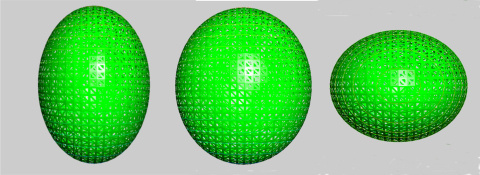
The research team devised a new way to study the shape of atomic nuclei using a particle accelerator and pure electromagnetic interactions. At

Up until now, the big story in characterizing the quark-gluon plasma is that it’s a hot fluid that expands explosively and flows easily. But