



RSS
The time and money required to engineer microbes to produce vital medicines and chemicals can be dramatically reduced with a new model-based method.
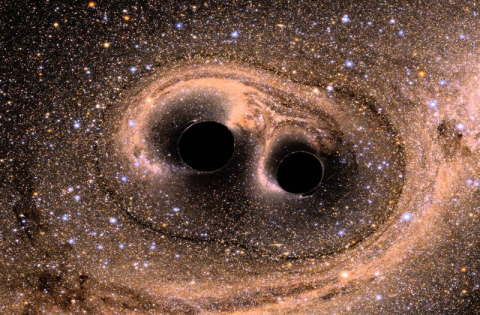
A team of researchers developed a more accurate way to interpret simulations, helping expand our knowledge of colliding black holes.
Projects to Help Vulnerable Communities Battle a Changing Climate
Projects Leverage Research in Scientific Computing to Increase Productivity at National Laboratory User Facilities
Researchers described novel methods for pulling insights from the mess created by disorder and identified new types of quantum speed limits that apply
Agriculture releases sizable amounts of soil-derived carbon to the atmosphere as CO2, but silicate rock applied to farmland can capture that carbon.
Assistant professor Daniel Brandenburg will research a recently discovered quantum entanglement effect for studying matter in unprecedented detail.
Students from across the Chicago region worked closely with Argonne scientists to tackle future urban climate challenges.
Researchers led by PPPL have unveiled a promising approach to mitigating damaging runaway electrons created by disruptions in tokamak fusion devices.
AI approaches like machine learning offer means to manage huge amounts of geospatial data but implementation is complex & requires unique capabilities