



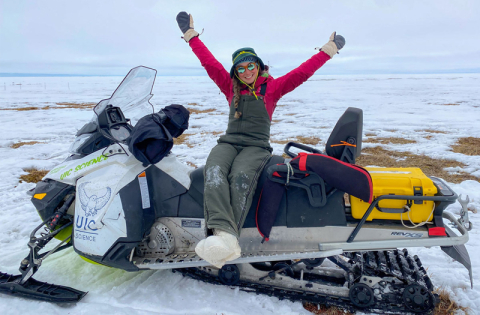
Researchers on the Snow ALbedo eVOlution (SALVO) field campaign are measuring snow depth, solar radiation, and more in the Arctic.
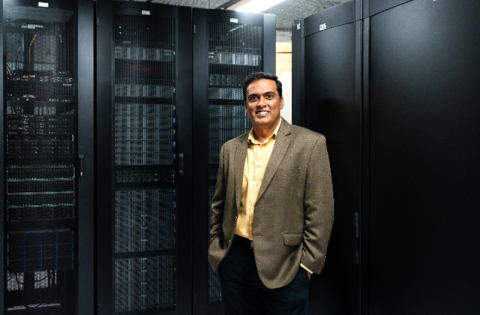
The ARM Data Center plays an essential role in making accessible, reusable data available to scientists around the world.
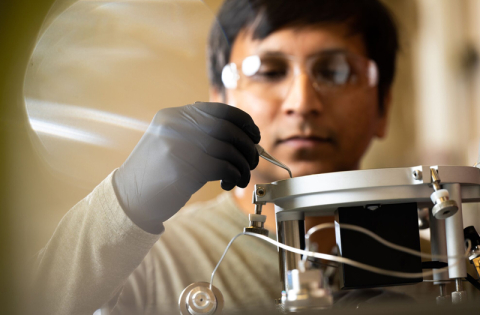
Researchers at the Environmental Molecular Sciences Laboratory use isotopes to better understand our environment and the organisms in it.
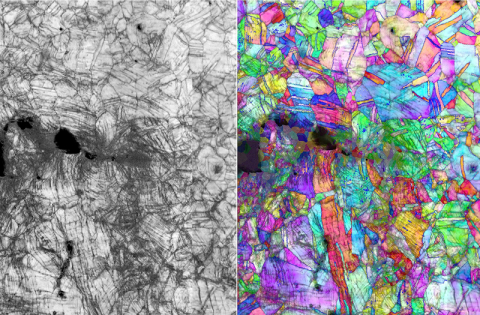
Researchers at two national labs measured the toughest material on Earth.

Developing new technologies to measure rare particle interactions is the work of physicist Junjie Zhu at the University of Michigan and CERN.
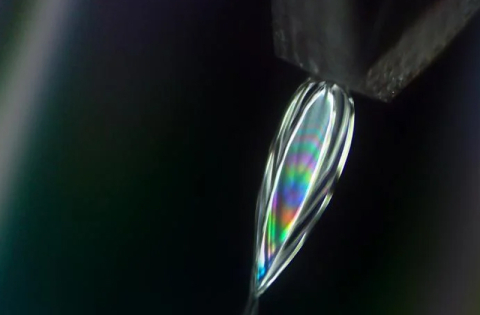
Super-thin layers of liquids are helping scientists better understand the boundaries between substances.
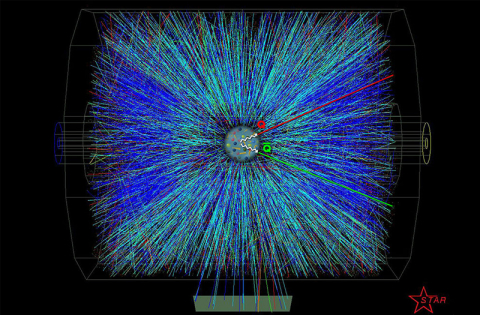
Physicists are researching exotic particles in the quark-gluon plasma to expand our understanding of the beginning of the universe.
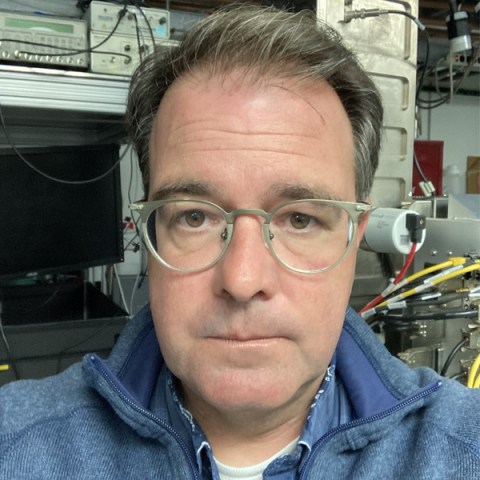
Kevin Wilson studies liquid and nanoparticle interfaces to understand surface chemistry reactions and the cycling of molecules in the biosphere.

DOE’s Fermilab is leading the most advanced and comprehensive neutrino experiment in the world.
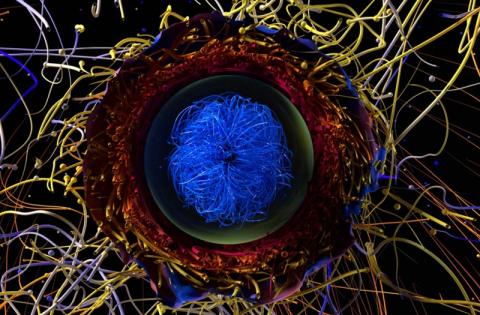
With help from supercomputers at the DOE Office of Science user facilities, physicists are learning about how and why stars explode.