



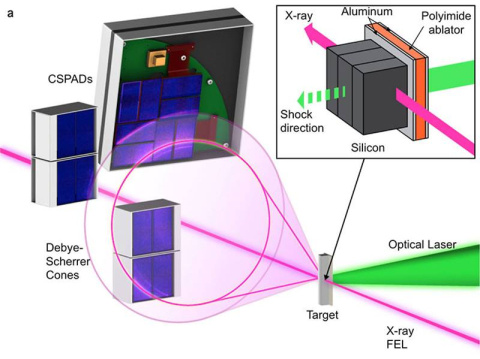
A novel experimental geometry at the Linac Coherent Light Source reveals how silicon responds to shocks similar to those in a planet's core.
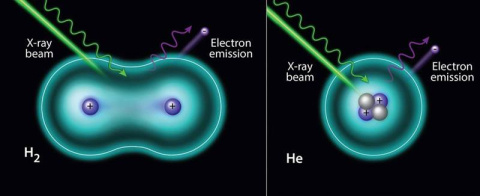
Two most abundant elements in the universe, hydrogen & helium, were previously thought to be impossible to measure by X-ray photoelectron spectroscopy
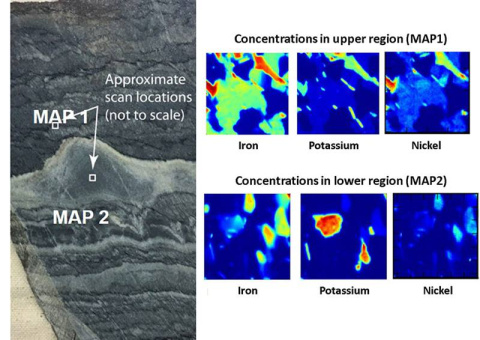
The 3.7-billion-year-old structures were considered the first evidence for life on the planet; new evidence suggests differently.
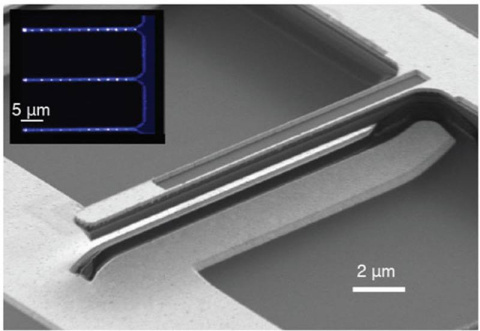
Scientists use implanted silicon ions & electricity to increase the spin time of quantum bits, moving closer to the tech needed for quantum networks.
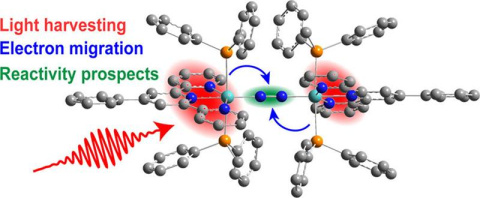
Molybdenum-based complex harvests light to make inert nitrogen gas reactive to potentially become part of fertilizer.
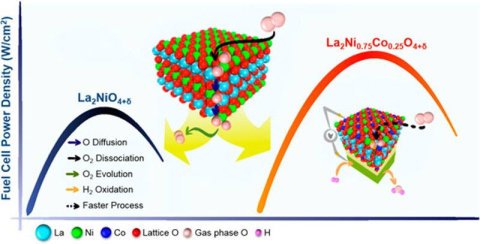
Optimized oxides made from common metals use less energy and show the potential of new design approach.
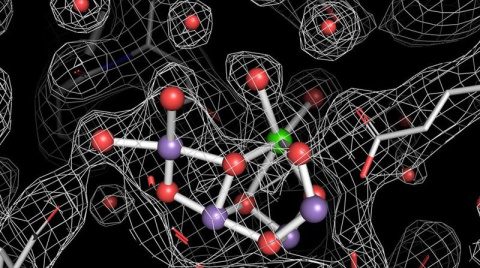
Scientists catch details with atomic resolution, potentially helping design systems to use sunlight and water to produce fuels.
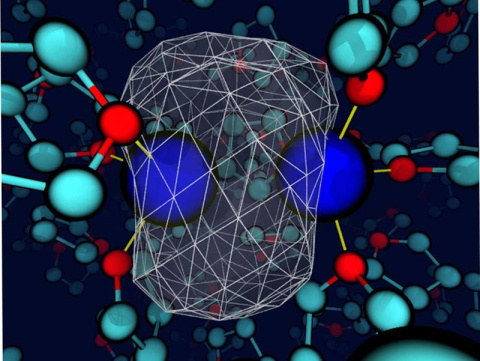
Far from being a mere spectator, solvents can play a larger role in chemical reactions, likely including those used in energy storage and biology.
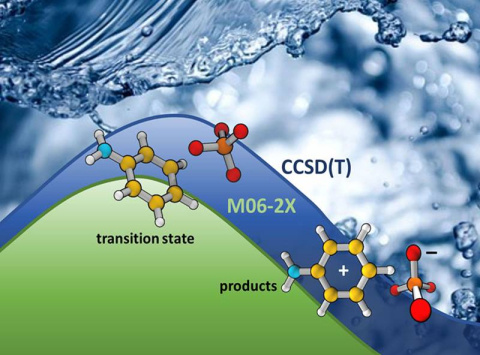
Scientists determine the accuracy of computational methods used to study the sulfate radical approach to purifying water.
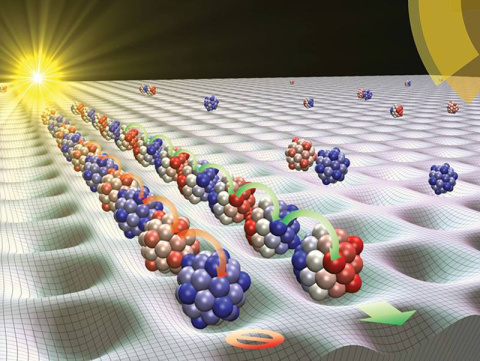
Particle crowding interferes with moving energy efficiently along promising molecular chains.