



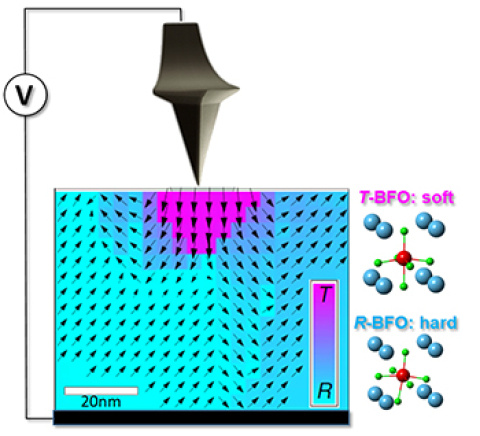
When a material undergoes a phase change, its atomic structure is re-oriented, and many fundamental material properties can be altered including
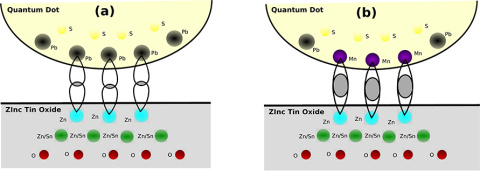
In the quest to replace more traditional solar materials, such as silicon, with more efficient and high-performing options, scientists have been
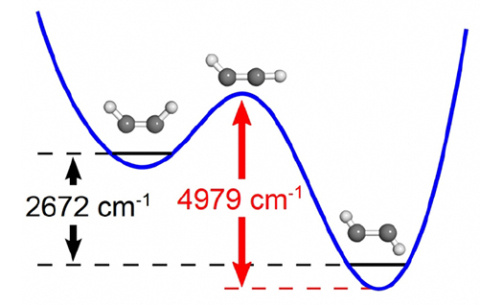
The transition state is where reactants become products in a chemical reaction. Defined as the highest energy point on the minimum energy path
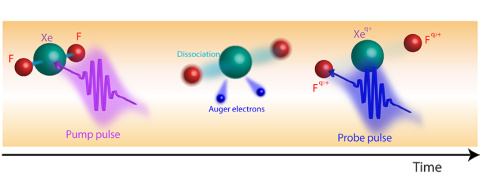
New capabilities at x-ray free-electron lasers (XFELs), such as the Linac Coherent Light Source (LCLS) at the SLAC National Accelerator Laboratory,
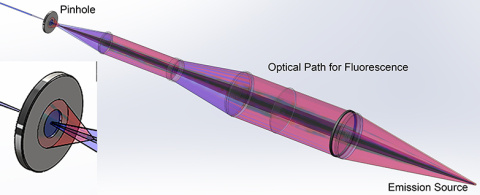
Controlled thermonuclear fusion is the process of fusing light elements into heavier elements to release energy for non-weapons applications.
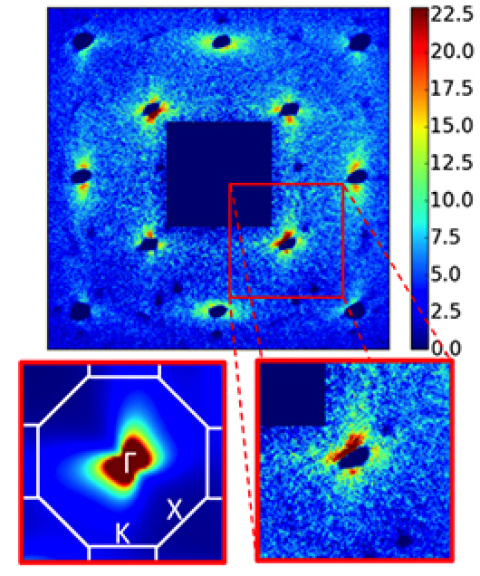
The interactions of electrons and the atoms they reside in are important for a range of phenomena, from fundamental electron and spin transport, to
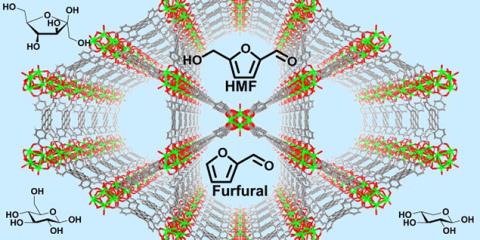
Second-generation bioethanol is derived from cellulose-based feedstocks. Production of such bioethanol is expected to grow significantly worldwide
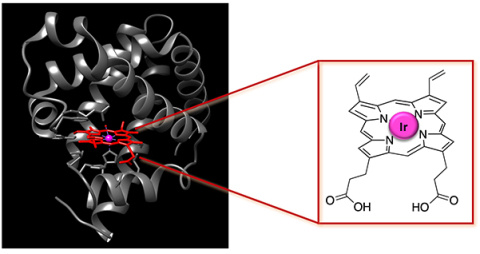
Enzymes that contain metal ions—that is, metalloenzymes—possess the reactivity of a transition metal center and the molecular evolution
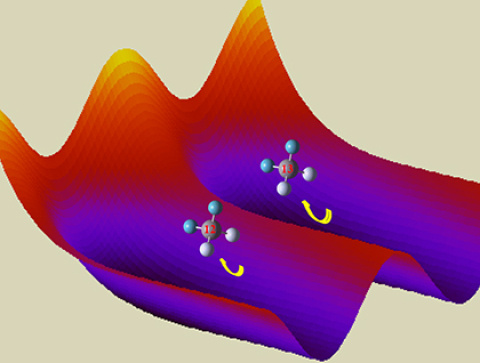
For semi-rigid molecules at low energies, the well-established normal mode approximation gives a basic understanding of molecular vibrations and

Modern x-ray free-electron lasers use high-energy electrons to produce intense x-ray pulses to study the structure and behavior of matter. However,