



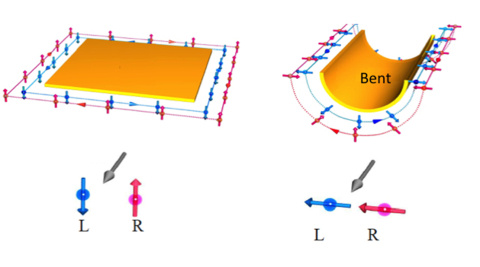
A future type of energy-efficient electronics is called spintronics. A challenge in spintronics is tuning how spins move to create current, called
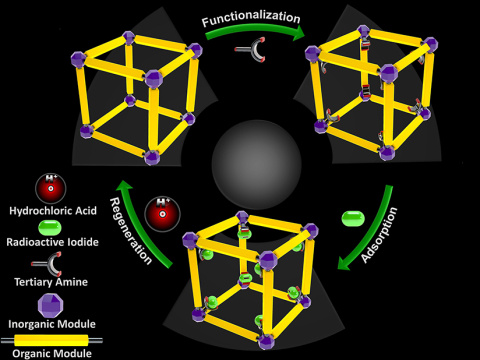
Since the 1980s, research has focused on containment of radioactive iodine, associated with nuclear energy and legacy environmental sites, because
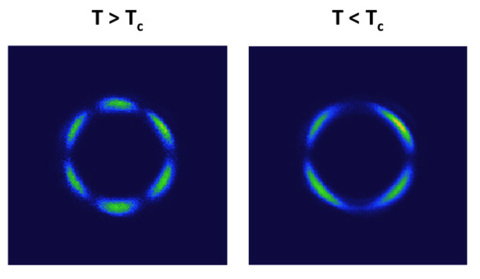
The spatial arrangement of atoms and electrons in a material is often characterized by its symmetry, which has an important role in determining the
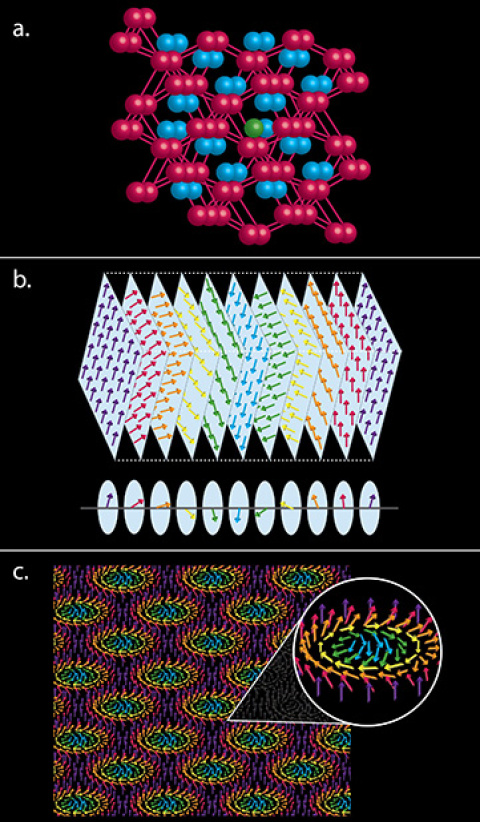
Since the discovery of magnetic skyrmions—topologically stable vortex-like spin texture—in a well-studied magnetic metal in 2009, much
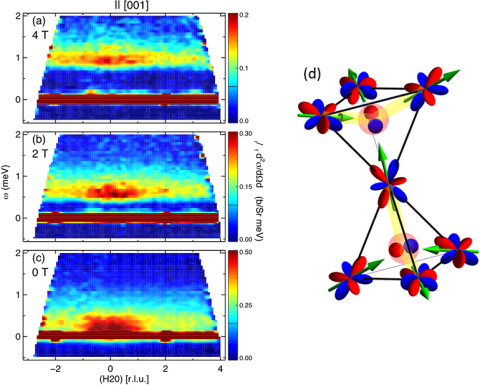
A rare state of matter called a quantum spin liquid proposed over 40 years ago is being pursued for its unique physical properties. In a quantum
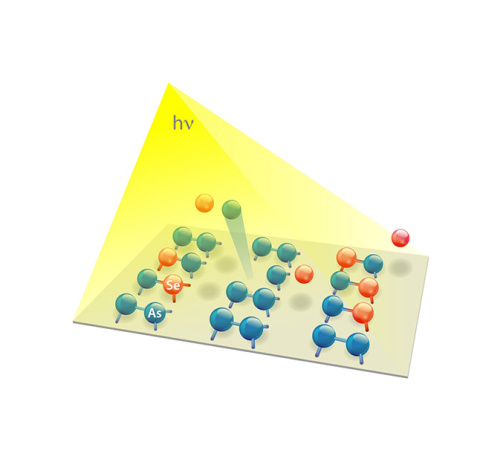
The revolution of the microelectronics technology was made possible by the growth of high-quality semiconductor materials. In a technique called
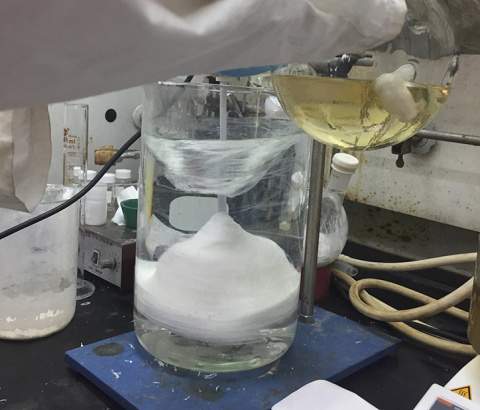
Users from the Scripps Research Institute, including 2001 Nobel Prize laureate K. Barry Sharpless, teamed with scientists at the Molecular Foundry
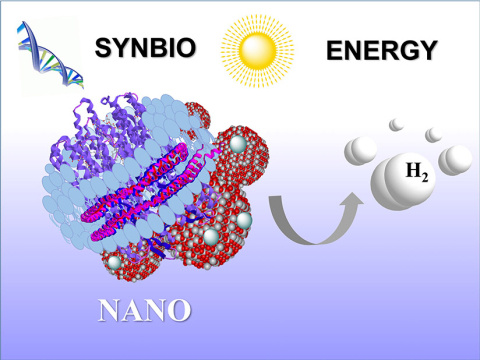
At Argonne National Laboratory’s Center for Nanoscale Materials, a U.S. Department of Energy user facility, researchers employed artificial
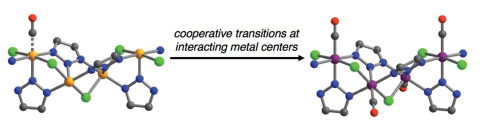
Efficient adsorption-based gas separation requires maximizing both the adsorbent’s selectivity for the gas of interest and its recyclability
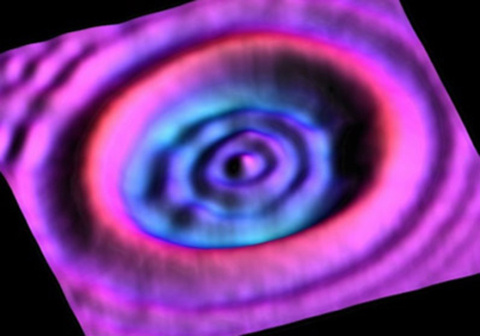
Normally, electrons moving in a conductor are reflected by potential energy barriers. However, electrons moving in graphene travel at relativistic