NNSA's Office of Congressional and Intergovernmental Affairs prepped for key budget hearings, coordinated with state and local partners, and facilitated visits to national laboratories and radiological cleanup operations.
National Nuclear Security Administration
August 6, 2026 Estimated Read Time min
Serving as the primary liaison between NNSA’s complex national security missions and the elected officials and communities they affect, the Office of Congressional and Intergovernmental Affairs (NA-CI) is critical to advancing the agency's deterrence mission. This past quarter, the office’s team prepared agency leadership for key budget hearings on Capitol Hill, coordinated with state and local partners ahead of the 2026 FIFA World Cup, and strengthened partnerships by facilitating congressional visits to national laboratories, and radiological cleanup operations.
On Capitol Hill
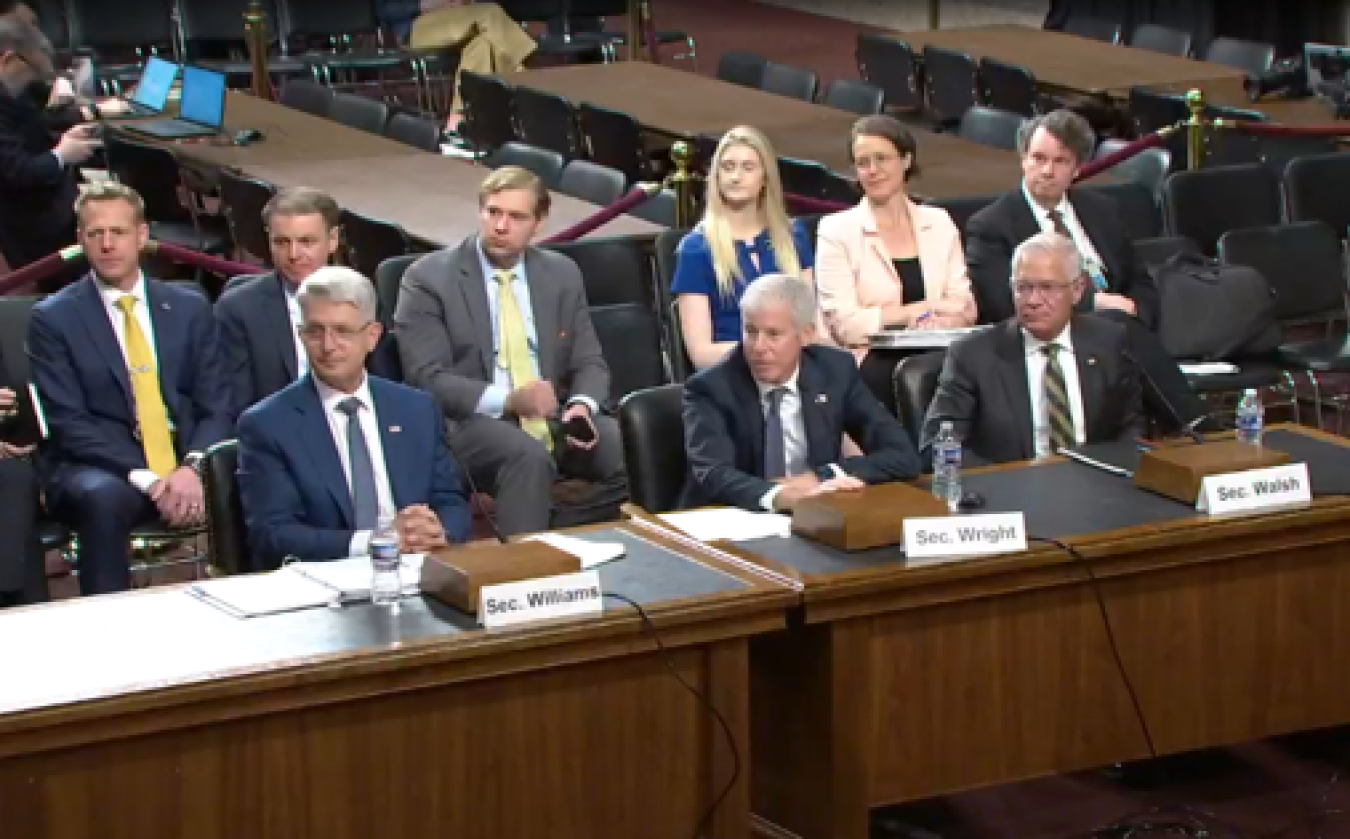
The NA-CI team secures the agency’s mission through the budget process. During the quarter, the office supported 40 budget and program briefings. These help members of Congress and staffers better understand the agency’s needs and missions. NA-CI also helped NNSA’s leaders prepare for four congressional budget hearings. These included testimony in April and May before the Senate Armed Services Subcommittee on Strategic Forces, the House Armed Services Subcommittee on Strategic Forces, the full Senate Armed Services Committee, and the Senate Energy and Water Development Subcommittee.
Enhancing Security Awareness for the 2026 FIFA World Cup
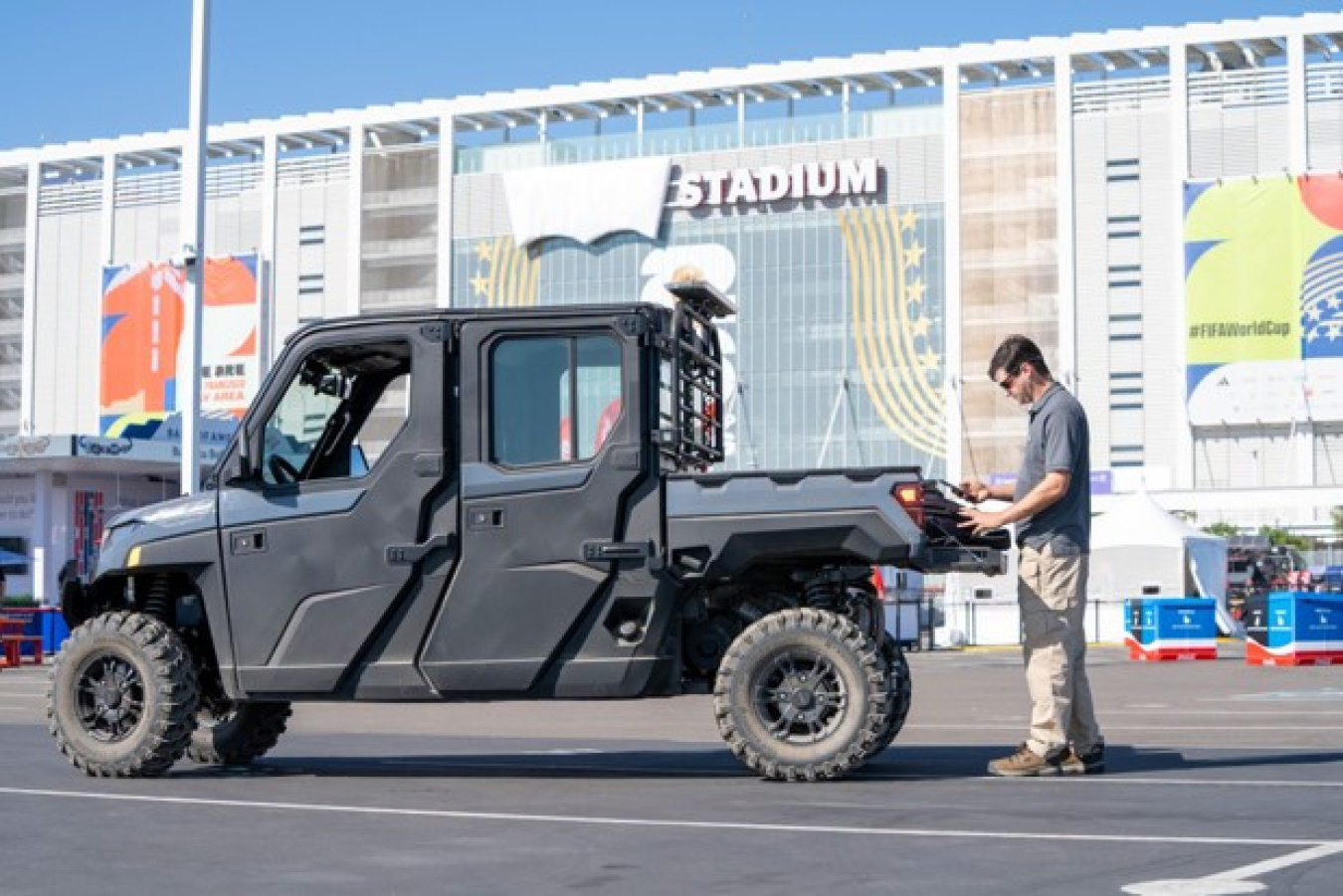
The 2026 FIFA World Cup was held throughout Canada, Mexico, and 11 stadiums across the United States. More than 5 million people attended the 78 U.S.-hosted matches and federal agencies estimate that that millions of those fans came from overseas. Security was the top priority. NNSA has a longstanding record of safeguarding high-profile sporting events, such as the Super Bowl.
Focused on countering radiological threats, NNSA deployed its Nuclear Emergency Support Team (NEST) across U.S. host cities, collaborating with federal, state, and local partners to prepare for potential incidents, ensuring the safety of fans and communities alike. Its radiation-detection systems allow NEST to monitor stadiums and surrounding areas detecting any radioactive anomalies.
Ahead of the World Cup, NA-CI led briefings with host state and local officials, law enforcement, and congressional stakeholders to let them know NEST’s roles and capabilities.
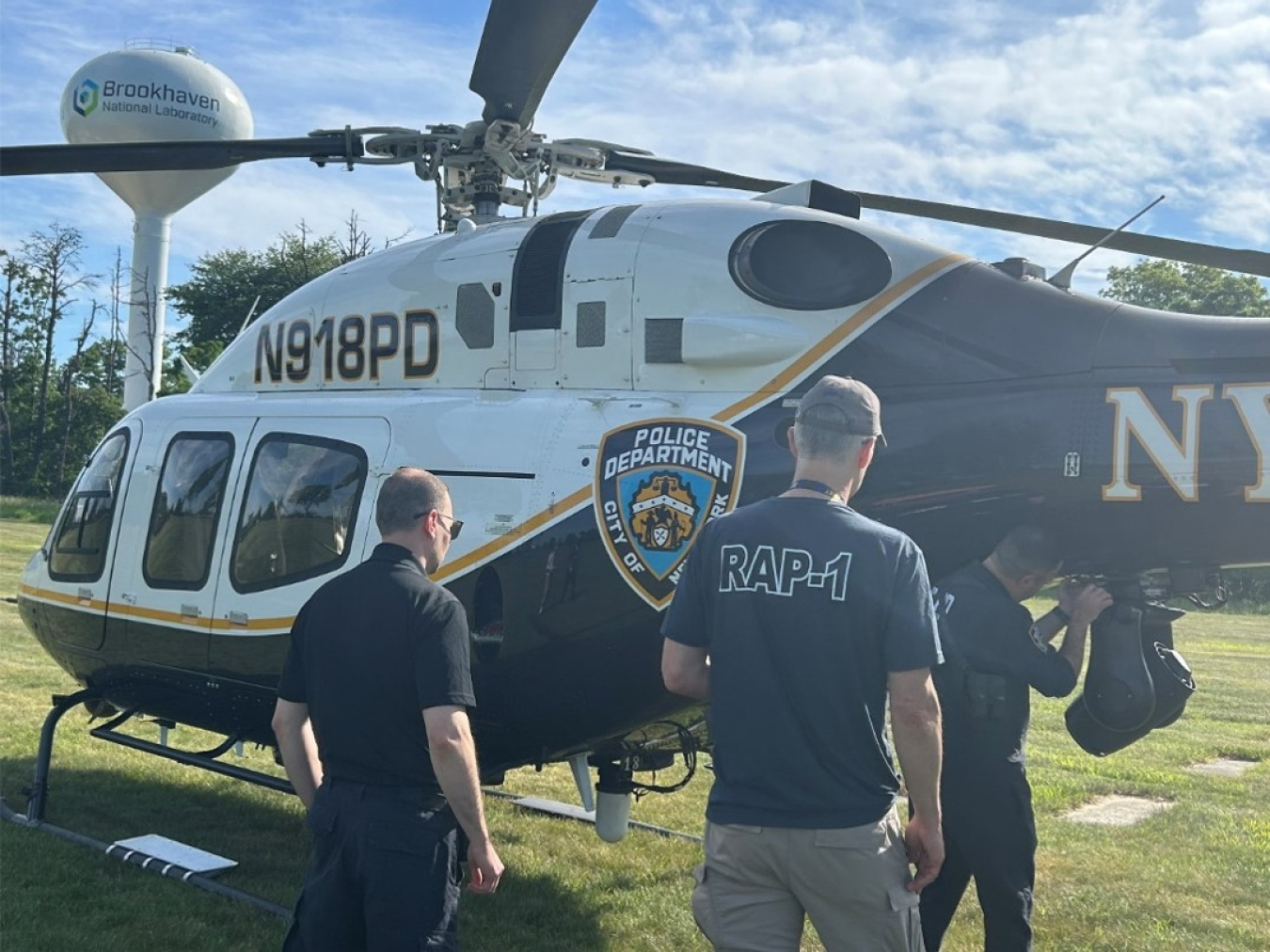
Behind the scenes, NA-CI’s Intergovernmental Affairs team coordinated with the Office of Counterterrorism and Counterproliferation to organize briefings for over 80 officials from California, Florida, Georgia, Massachusetts, Missouri, New Jersey, Pennsylvania, Texas, and Washington. These meetings connected first responders and local leadership with NNSA’s Radiological Assistance Program (RAP) leaders. This included briefings for gubernatorial and mayoral staff, local law enforcement officials, and federal agencies.
NA-CI’s Congressional Affairs team also briefed members of Congress and their staff interested in the public safety of the matches. Those briefed included the offices of Sens. John Cornyn (TX), Rick Scott (FL), and Kirsten Gillibrand (NY), as well as Reps. Roger Williams (TX) and Maria Salazar (FL).
Engaging Congress: Radiological Removals
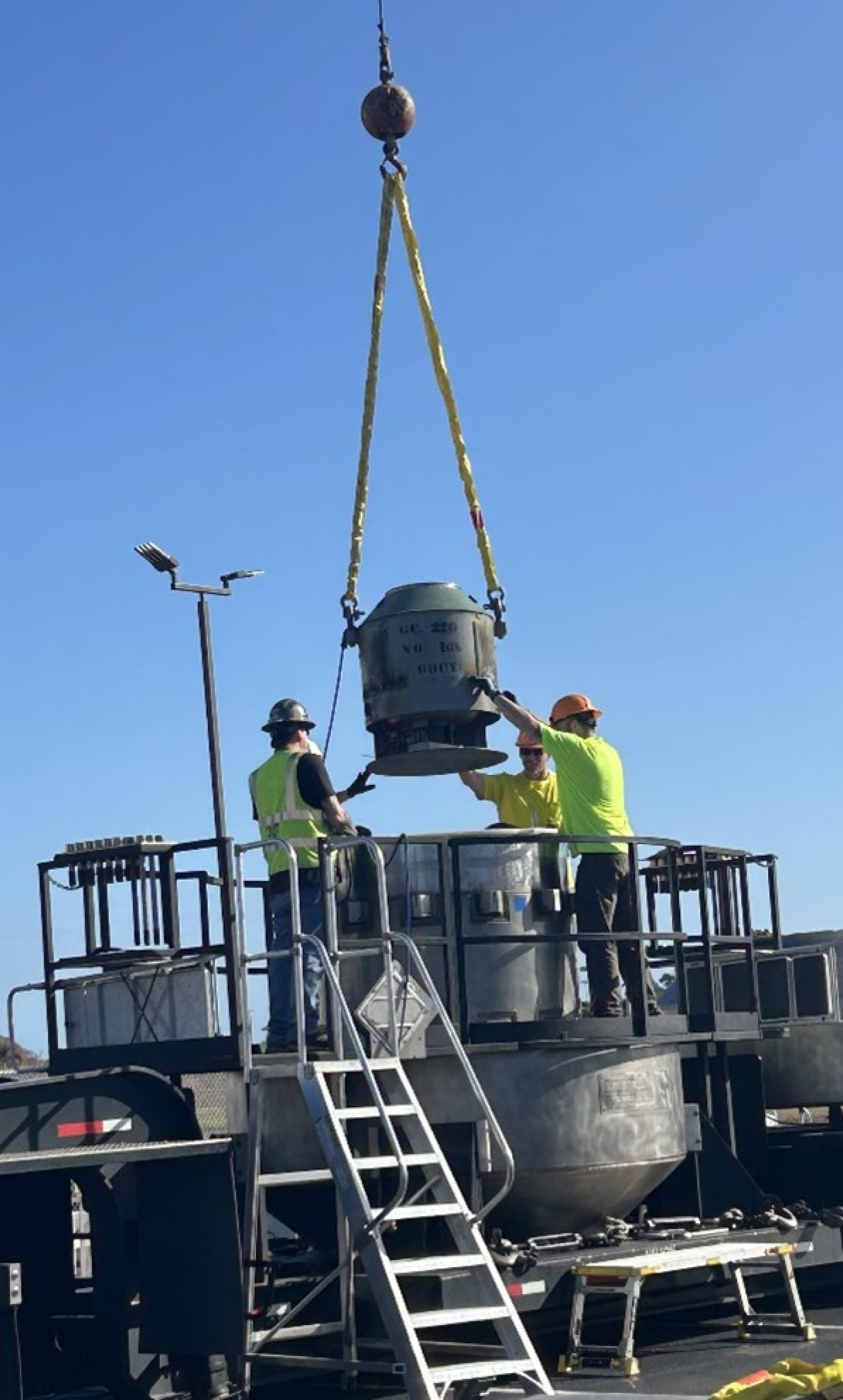
As part of its mission, NNSA recently partnered with a research facility in the Washington, D.C. area, to remove a cesium-137 (Cs-137) blood irradiator under the Cesium Irradiator Replacement Project (CIRP). Used in medical research and blood sterilization, Cs-137 is a highly radioactive. In the wrong hands, it could be used in a radiological dispersal device, or “dirty bomb.” Under NNSA’s congressional mandate, CIRP incentivizes institutions to voluntarily transition to secure, non-isotopic alternatives, such as X-ray devices.
Associate Administrator Lee Ashlock and House Energy and Water Development Subcommittee professional staff personally observed.
Additionally, in April, NNSA completed the removal of all remaining high-risk cesium-137 material from the state of South Carolina, marking the 13th U.S. state or territory declared free of the most dangerous version of this material. NA-CI continues to work with states and their elected officials to educate about the danger of these devices and advocate for their removal.
Empowering Lawmakers: Classified Innovation Briefings
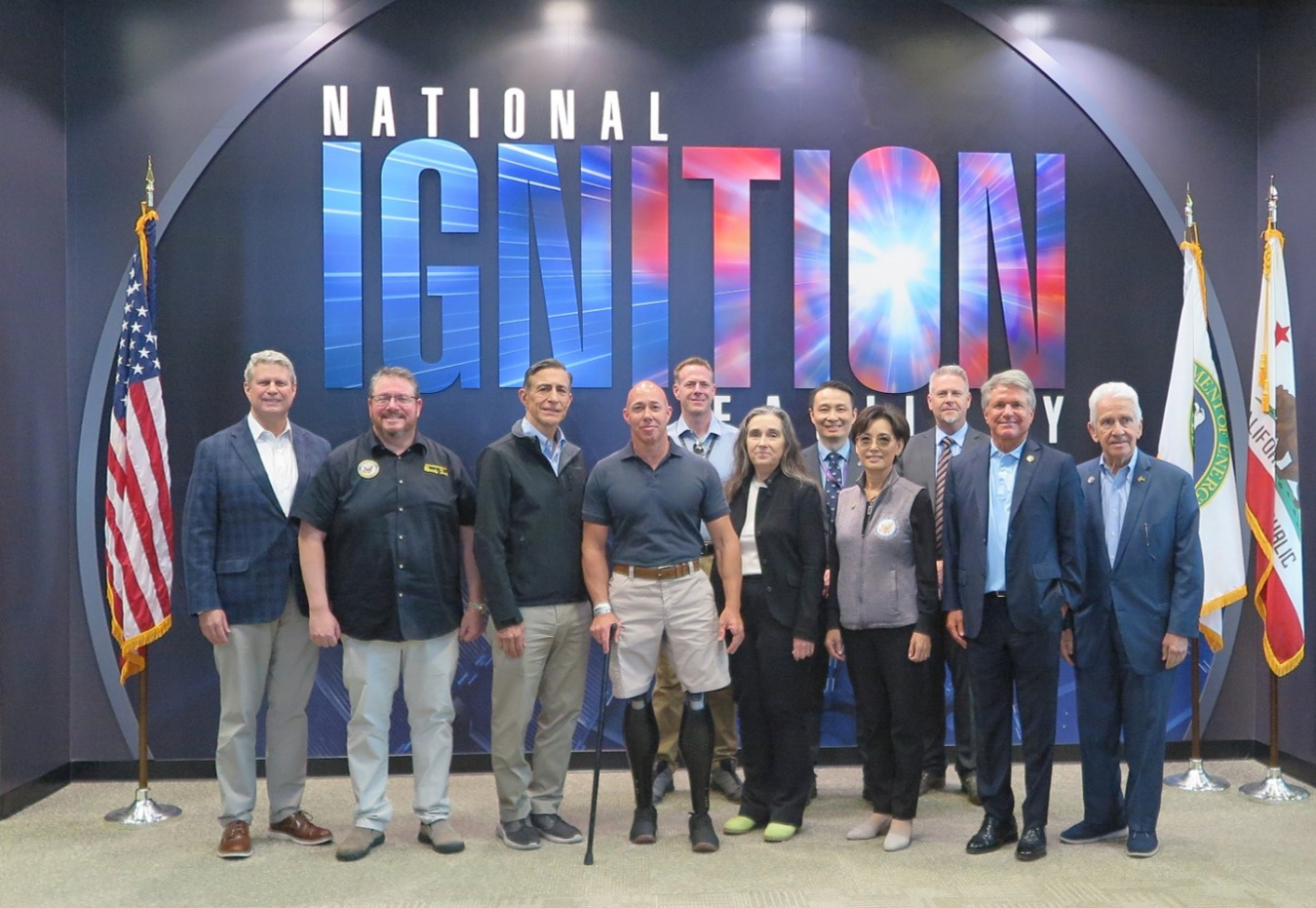
In April, NA-CI supported a high-level congressional delegation to Lawrence Livermore National Laboratory (LLNL) in California. The House Foreign Affairs Committee delegation met with lab leadership and were briefed on the cutting-edge science and national security issues the lab finds solutions for. The delegation included Chairman Brian Mast (FL), Reps. Bill Huizenga (MI), Randy Fine (FL), Darrell Issa (CA), Young Kim (CA), Michael McCaul (TX), and Jim Costa (CA). Thirteen committee staffers and Associate Administrator Lee Ashlock also attended.
The delegation toured the National Ignition Facility, a high energy laser system responsible for fusion experimentation and ensuring the nuclear stockpile’s credibility; and the El Capitan supercomputer facility, which is at the forefront of artificial intelligence and innovation.
The congressional delegation also discussed national security, artificial intelligence, infrastructure, energy security, and scientific advancement.
Building Partnerships with Nuclear Security Enterprise Communities
Strengthening trust between the federal government and the communities of the Nuclear Security Enterprise is crucial for NNSA’s deterrence mission. In June, NNSA participated in the 24th Annual Intergovernmental Meeting with the Department of Energy (DOE).
The forum allowed agency interaction with state, local, and tribal representatives from communities surrounding national security sites and more.
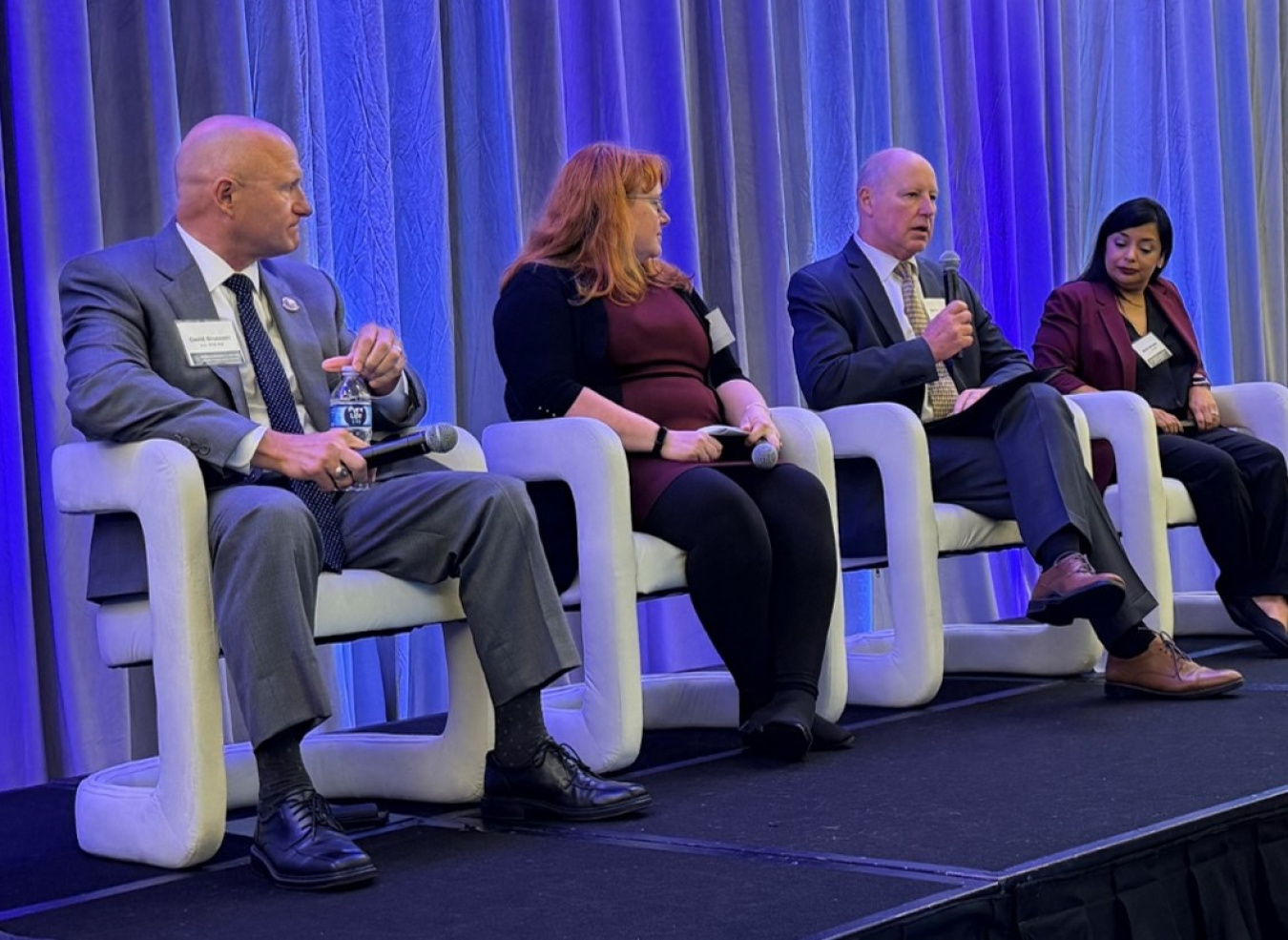
NNSA Associate Principal Deputy Administrator Jim McConnell was a key panelist. His panel got into the nitty-gritty of national security programs, environmental cleanup, legacy management, and how collaborative planning supports the economic and environmental health of host communities. The panel, organized by the National Governors Association, National Association of Attorneys General, State and Tribal Government Working Group, Energy Communities Alliance, and Environmental Council of the States, is an annual event underscoring strong intergovernmental partnerships.