



NNSA has successfully removed all high-risk cesium-137 material from the state. This means South Carolina is now the 13th state to be completely free of this dangerous radioactive material, a massive win for the safety of Americans, and prevents adversaries from acquiring this material.
National Nuclear Security Administration
April 9, 2026 Estimated Read Time min
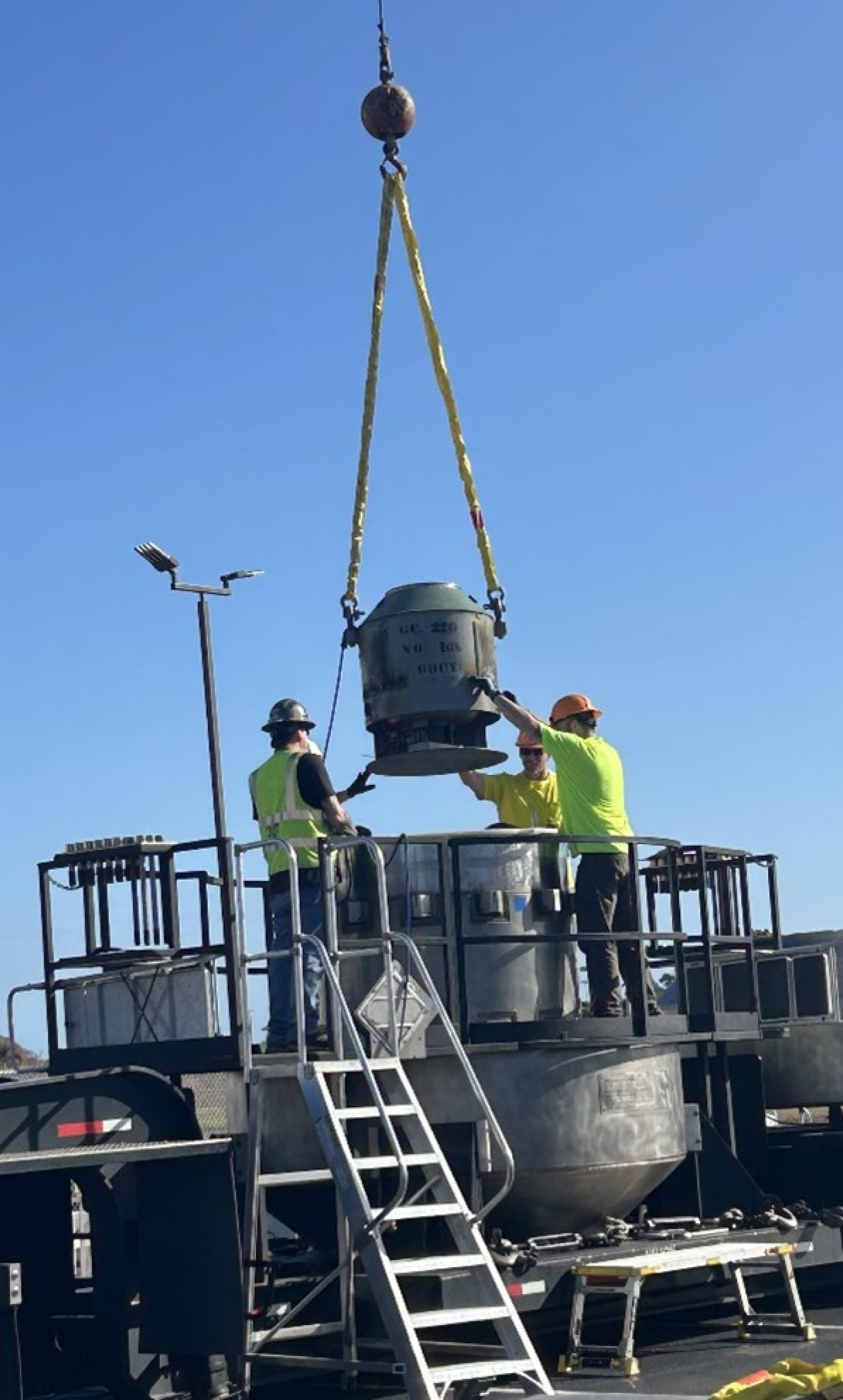
WASHINGTON – In a major step forward for national security, the U.S. Department of Energy’s National Nuclear Security Administration (NNSA) has successfully removed all high-risk cesium-137 material from South Carolina, making it the 13th state to become free of it. This underscores NNSA’s commitment to eliminate radiological threats and protect communities across America.
Cesium irradiators, used in medical applications such as blood treatment and cancer research, contain highly radioactive sources. If stolen from a less secure facility, the cesium inside them could be used to create a radiological dispersal device, commonly referred to as a “dirty bomb.”
By working with local partners, NNSA has removed all the cesium irradiators in South Carolina, eliminating that risk.
“Clearing South Carolina of high-risk radioactive material represents a crucial step in executing NNSA’s mission to deny adversary access to dangerous materials that could jeopardize the safety and security of our communities,” said NNSA Administrator Brandon Williams. “South Carolina is setting the standard of leadership for securing radiological materials in the United States.”
“Securing and eliminating dangerous radiological materials should be a top priority, and this effort delivers exactly that,” said Representative Ralph Norman (SC-05). “Removing cesium-137 from South Carolina cuts off a potential avenue for misuse that could have been exploited by bad actors and reinforces the administration's commitment to protecting our communities. I commend the Department of Energy and NNSA for their leadership in making this happen.”
“Removing all high-risk cesium-137 from South Carolina is a major win for our communities and our nation,” said Representative Nancy Mace (SC-01). “This is the kind of proactive leadership we need to stay ahead of potential threats and keep South Carolina safe. We commend the NNSA for their decisive action and commitment to removing high-risk radioactive material to protect our citizens and our national security.”
“I am grateful that South Carolina is now free of high-risk cesium-137. When in the hands of adversaries, this radioactive chemical element can put our communities at risk, said Representative Joe Wilson (SC-02). “The National Nuclear Security Administration remains committed to protecting American families while promoting innovation through the utilization of secure, cutting-edge technologies.”
“South Carolina is committed to reducing the risk of elements falling into the wrong hands and harming innocent civilians,” said Representative Russell Fry (SC-07). “The removal of the cesium-137 from South Carolina is a milestone worth celebrating as the Trump Administration continues their efforts to remove radiological threats from American communities and keep our country safe.”
“Clearing South Carolina of high-risk radioactive material represents a crucial step in executing NNSA’s mission to deny adversary access to dangerous materials that could jeopardize the safety and security of our communities. South Carolina is setting the standard of leadership for securing radiological materials in the United States.”
Brandon Williams, NNSA Administrator
Since 2017, NNSA has worked with facilities throughout South Carolina to remove and, when necessary, replace their radioactive source-based devices with alternative technologies through the Cesium Irradiator Replacement Project (CIRP). This voluntary program incentivizes users of cesium-based irradiators to transition to safer, advanced alternatives.
With this achievement, South Carolina becomes the 13th U.S. state or territory cleared of high-risk cesium-137 radioactive material, joining Alaska, Arizona, Delaware, Idaho, Iowa, Kansas, Nevada, New Mexico, Oklahoma, Puerto Rico, South Dakota, and Wyoming.
The effort is enabled by the John S. McCain National Defense Authorization Act for Fiscal Year 2019.
In addition to eliminating radiological risk, NNSA partners with local law enforcement to prevent the misuse of radioactive materials by enhancing emergency response capabilities. NNSA and the South Carolina Law Enforcement Division (SLED) have worked together since 2023 to strengthen coordination for threat response, enhance radiation detection, and bolster training.
“SLED is proud to support the state’s ongoing radiological response and prevention strategy, along with the NNSA’s efforts to strengthen U.S. national security,” said SLED Chief Mark Keel. “This critical mission continues thanks to local, state, and national partners working together to help keep South Carolina safe.”