



DOE and DOC collaborate to recover radium-226 (Ra-226), strengthening the domestic supply of a critical material needed for new cutting-edge cancer therapy.
May 19, 2026 Estimated Read Time min
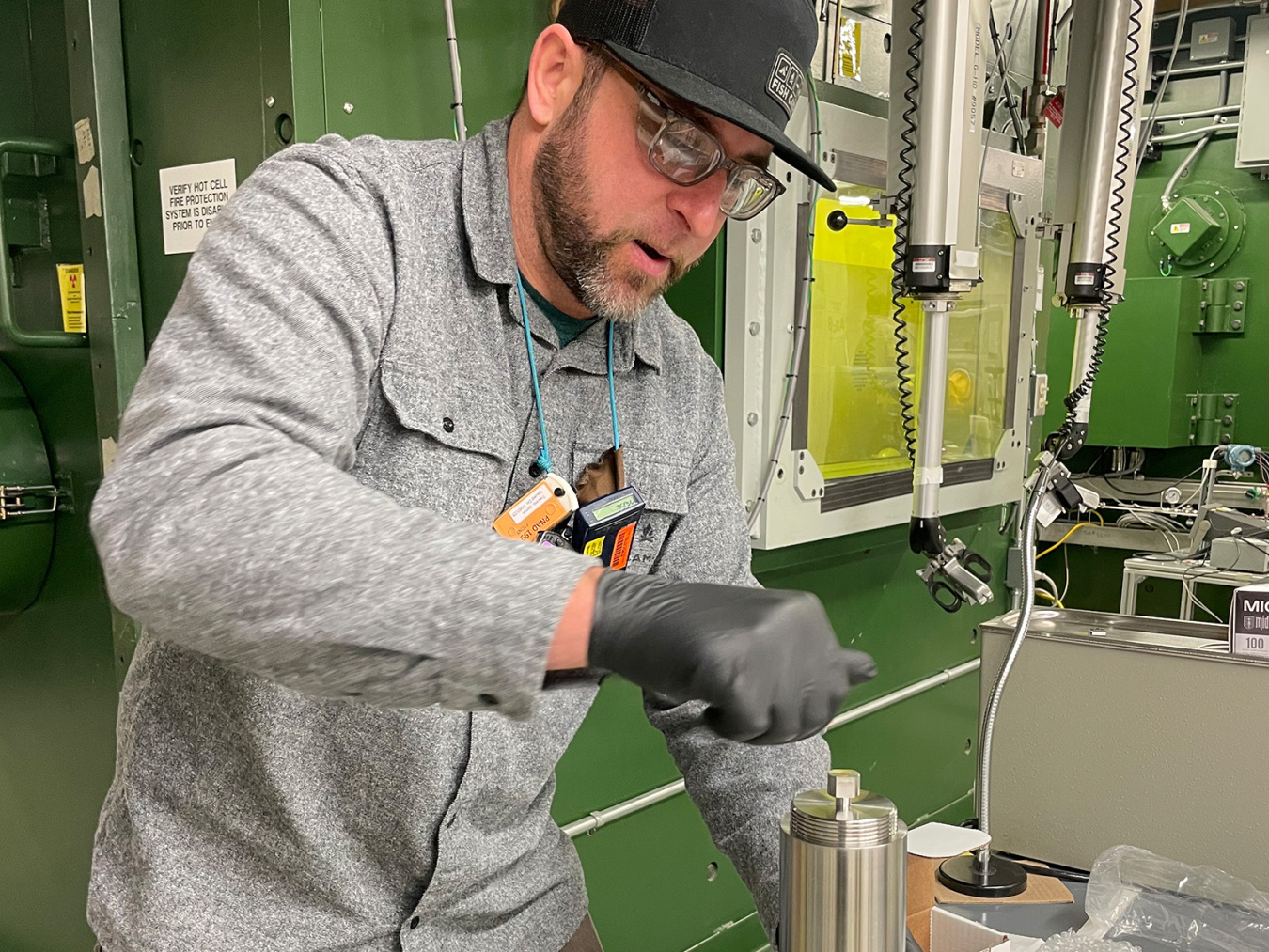
Securing a domestic supply of radium-226 (Ra-226) is a strategic priority for the United States, and a new interagency effort is delivering results. The Department of Energy’s (DOE) Office of Isotope R&D and Production (IRP), within the Office of Science, and the Department of Commerce’s National Institute of Standards and Technology (NIST) has recovered significant quantities of a rare and valuable feedstock material used for medical radioisotope production, Ra-226, from obsolete materials that were stored as radiological waste at NIST facilities. This Ra-226 material will be used to support several cancer-fighting therapies, directly impacting the lives of everyday Americans.
“Recovering and repurposing these waste materials is key to strengthening a secure, resilient domestic medical isotope supply chain,” said Christopher Landers, Director of IRP. “By working in partnership with NIST and leveraging the capabilities of Pacific Northwest National Laboratory (PNNL) and the National Laboratory system, we are converting previously unused materials into a strategic resource that supports U.S. leadership in cancer therapy and radioisotope production while improving safety for workers and removing long-term hazards for facilities.”
The United States faces a critical need to expand and ensure robust domestic supplies of key medical isotopes that underpin next-generation cancer therapies and other high-impact applications. At the same time, legacy radiological waste materials, once essential to science and medicine, remain in storage across the country and represent an untapped strategic resource. This effort directly addresses both challenges by converting legacy waste into valuable domestic feedstock.
In the United States, Ra-226 brachytherapy sources served as the pioneering medical tool for treating localized cancers, allowing oncologists to deliver targeted radiation directly into tumors. NIST's vital purpose in this medical ecosystem was to act as the nation's ultimate measuring authority by maintaining the primary U.S. radioactivity standards. By carefully calibrating these radioactive seeds against NIST's national benchmarks, the U.S. medical system ensured that hospitals across the country delivered accurate, consistent, and safe radiation doses to cancer patients.
Radium-226 treatments have been replaced by modern brachytherapy using safer, short-lived isotopes like Iridium-192 and Iodine-125, alongside highly precise external radiation technologies that can target tumors from outside the body without requiring surgical implants. Once there was no use in the medical areas, the NIST seeds became unwanted materials that had no easy outlet to routine waste streams.
Through this collaboration, IRP and NIST have removed this burden from NIST facilities while securing a critical domestic supply of Ra-226. This work is part of a broader IRP effort to identify, recover, and repurpose legacy Ra-226 inventories from domestic and international sources, reflecting a coordinated federal strategy to reduce radiological liabilities while strengthening U.S. leadership in radioisotope production.
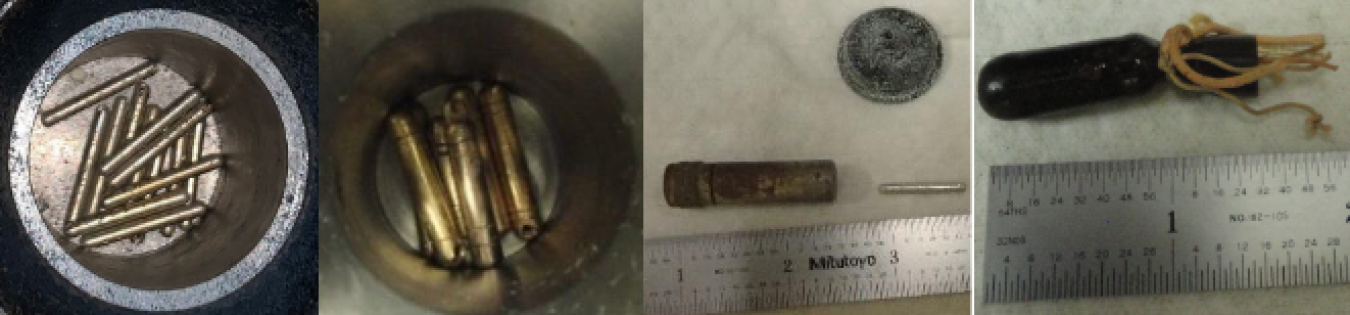
Recovered Ra-226 is uniquely valuable as feedstock for producing alpha-emitting isotopes used in targeted cancer therapies. Through irradiation in reactors or cyclotrons, Ra-226 can be converted into actinium-225, a high-priority radioisotope for targeted alpha therapy; actinium-227, which decays to radium-223 used in an FDA-approved prostate cancer treatment; and thorium-228, which ultimately can decay into a radium-224/lead-212 generator with the lead-212 having a growing impact in targeted cancer therapies.
Over the past five years, NIST has anticipated the growth of targeted cancer therapies with alpha-emitters by focusing efforts on developing radioactivity measurement standards for lead-212, radium-223, radium-224, and actinium-225, in addition to the radium-226 and thorium-228 standards that it has had for decades. These standards ensure accurate measurements of these radioisotopes, not only in clinical applications, but can also enable PNNL to accurately assay the products of their recovery efforts.
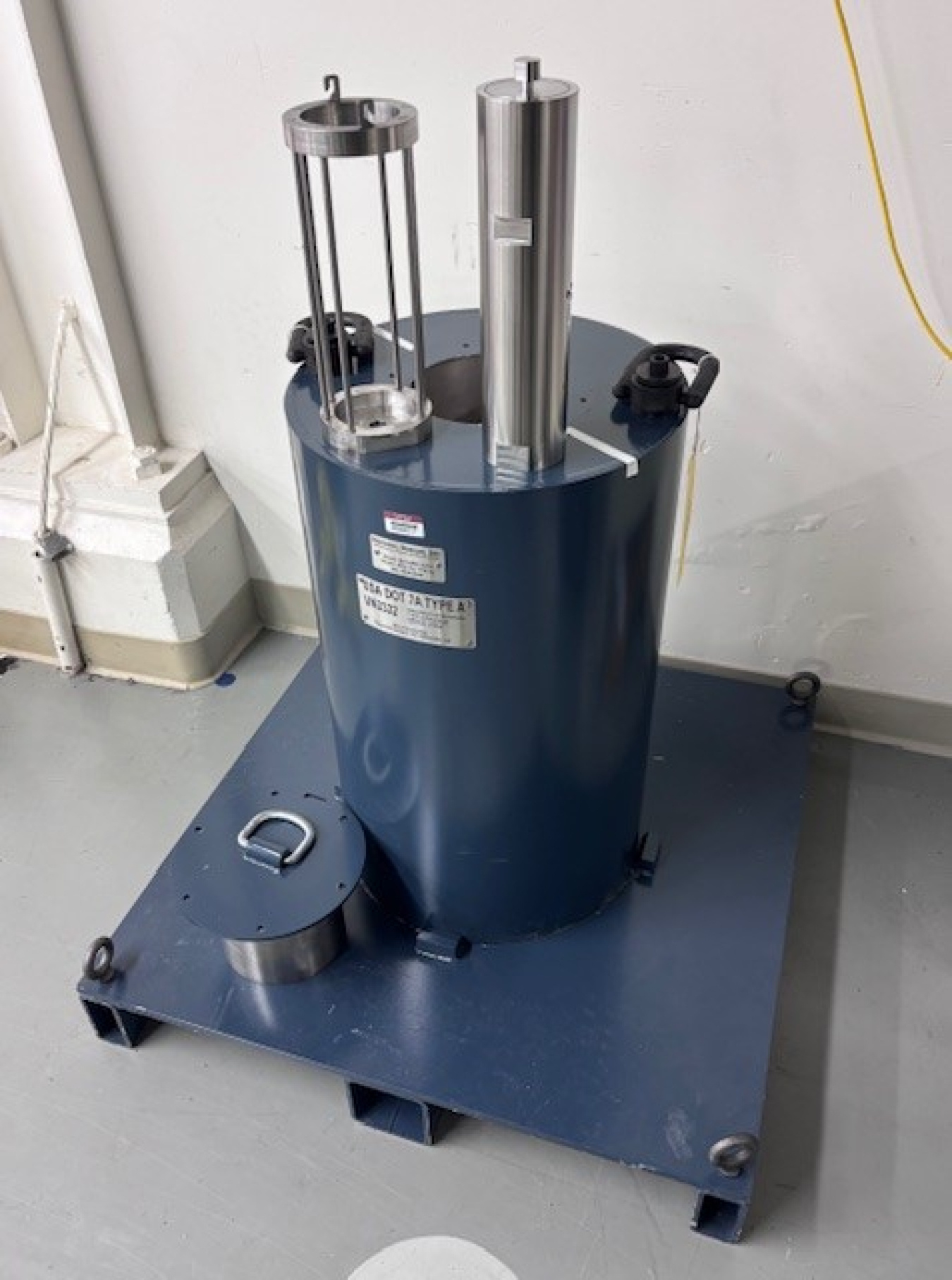
Under IRP direction, PNNL developed and executed technical capabilities to enable scalable recovery operations across diverse sites and material forms, including the safe material handling, packaging, and transport of the NIST Ra-226. These capabilities will support ongoing IRP efforts to aggregate domestic Ra-226 inventories, process and purify the material, and distribute it through established channels to meet national needs.
This new recovery and shipping process will enable PNNL to process Ra-226 from across the U.S. and the world, directly supporting the DOE IRP mission to produce and distribute radioactive and stable isotopes in short supply.
“These materials were very well-characterized and NIST has impeccable facility controls, infrastructure, and highly skilled staff in place,” said Matt Fountain, PNNL’s project manager on the effort. “The therapeutic promise of actinium-225 is significant, and the limits on supply have direct impacts on the ability for cancer patients to access life-saving treatments. By leveraging existing Ra-226, we can increase the domestic production capacity of actinium-225.”
This initiative demonstrates a scalable, cost-effective model for addressing two national challenges simultaneously: securing a domestic supply of scarce medical radioisotope feedstocks and reducing legacy radiological waste. It also reflects a coordinated federal approach to strengthen supply chain resilience for isotopes critical to healthcare, research, and national security.
IRP is expanding this effort to identify and recover additional Ra-226 inventories, positioning the United States to lead in the production of life-saving radioisotopes while improving stewardship of legacy materials, such as those stored at NIST facilities.