



NNSA's Office of Nuclear Incident Policy and Cooperation and Chile’s CCHEN conducted the SPARCS Phase II Refresher Training and System Maintenance in Santiago, Chile, reinforcing the emergency preparedness, technical readiness, and international partnerships that help keep American citizens and the homeland safe from radiological threats and hazards.
National Nuclear Security Administration
April 30, 2026 Estimated Read Time min
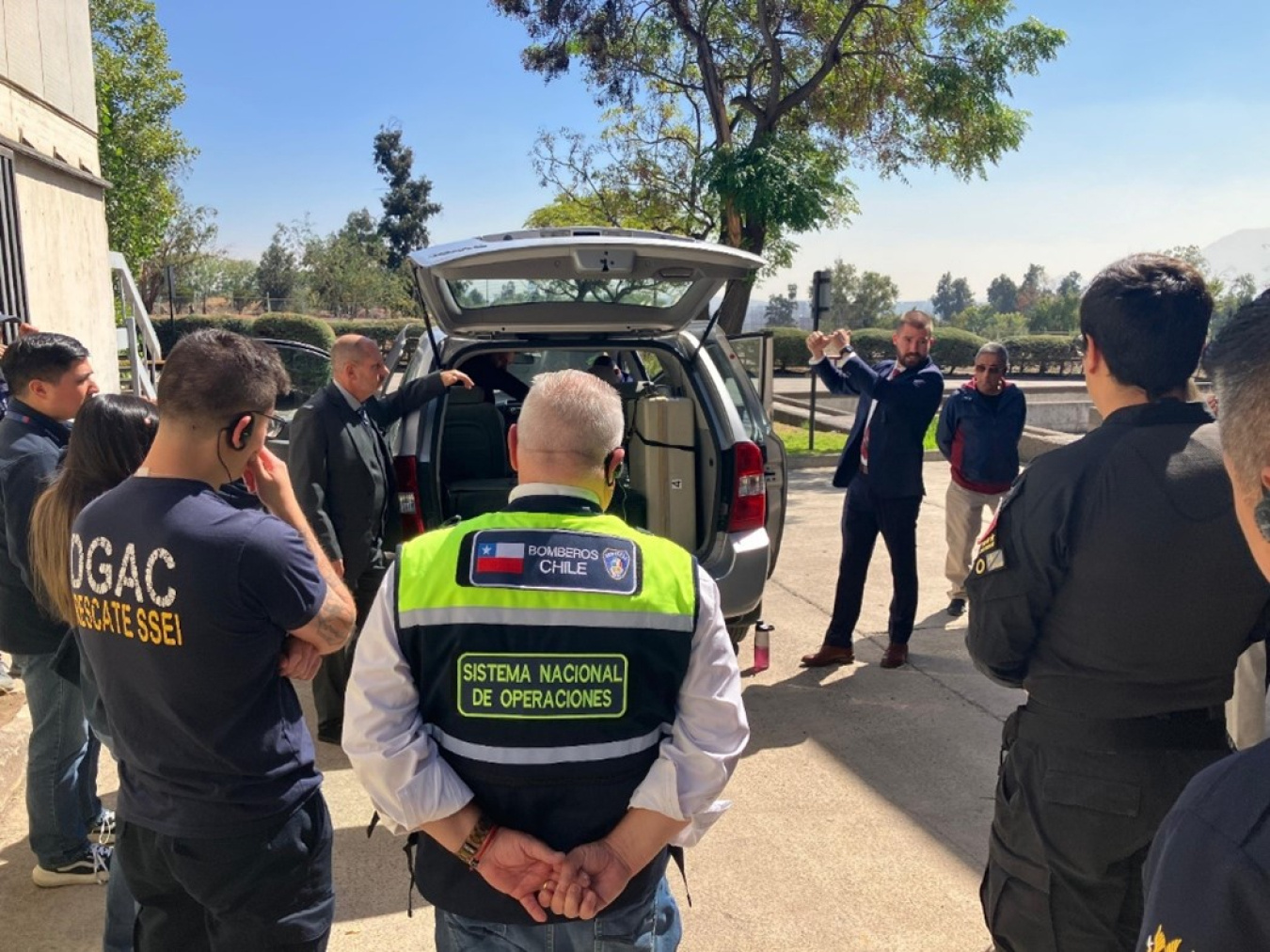
Emergency preparedness and response is a critical component of nuclear deterrence and contributes to national security. When partner nations are trained, equipped, and ready to respond to radiological threats and emergencies the United States and its allies are better positioned to prevent radiological and nuclear incidents, disrupt nefarious plots, understand and mitigate potential consequences, and protect American citizens and the homeland.
This important capability was on display March 23-26 when NNSA, in partnership with La Comisión Chilena de Energía Nuclear (CCHEN), conducted Spectral Advanced Radiological Computer System (SPARCS) Phase II Refresher Training and System Maintenance in Santiago, Chile. This four-day course strengthened Chile’s ability to analyze, respond to, and assess radiological incidents and lost sources while reinforcing the broader international security architecture that supports U.S. national security.
The training focused on refreshing CCHEN’s knowledge of hands-on equipment operation and preventive maintenance to sustain long-term readiness, and addressed staff turnover by including training for new personnel. Participants took part in classroom instruction, live demonstrations, and multi-day field exercises that sharpened mobile data collection, spectral analysis, remote monitoring, and response decision-making. These are the capabilities that matter most in the early moments of a radiological incident, when speed, precision, and coordination can prevent a local event from having larger impacts or becoming a wider security threat.
An officer from CCHEN highlighted how training was an excellent opportunity to exercise and improve current procedures. “The SPARCS training strengthened our commitment to emergency response, enhanced our partnership with NNSA, deepened our knowledge, and built confidence to continue improving our processes and generating new ideas. The Chile-U.S. alliance through CCHEN and the Department of Energy feels stronger than ever.”
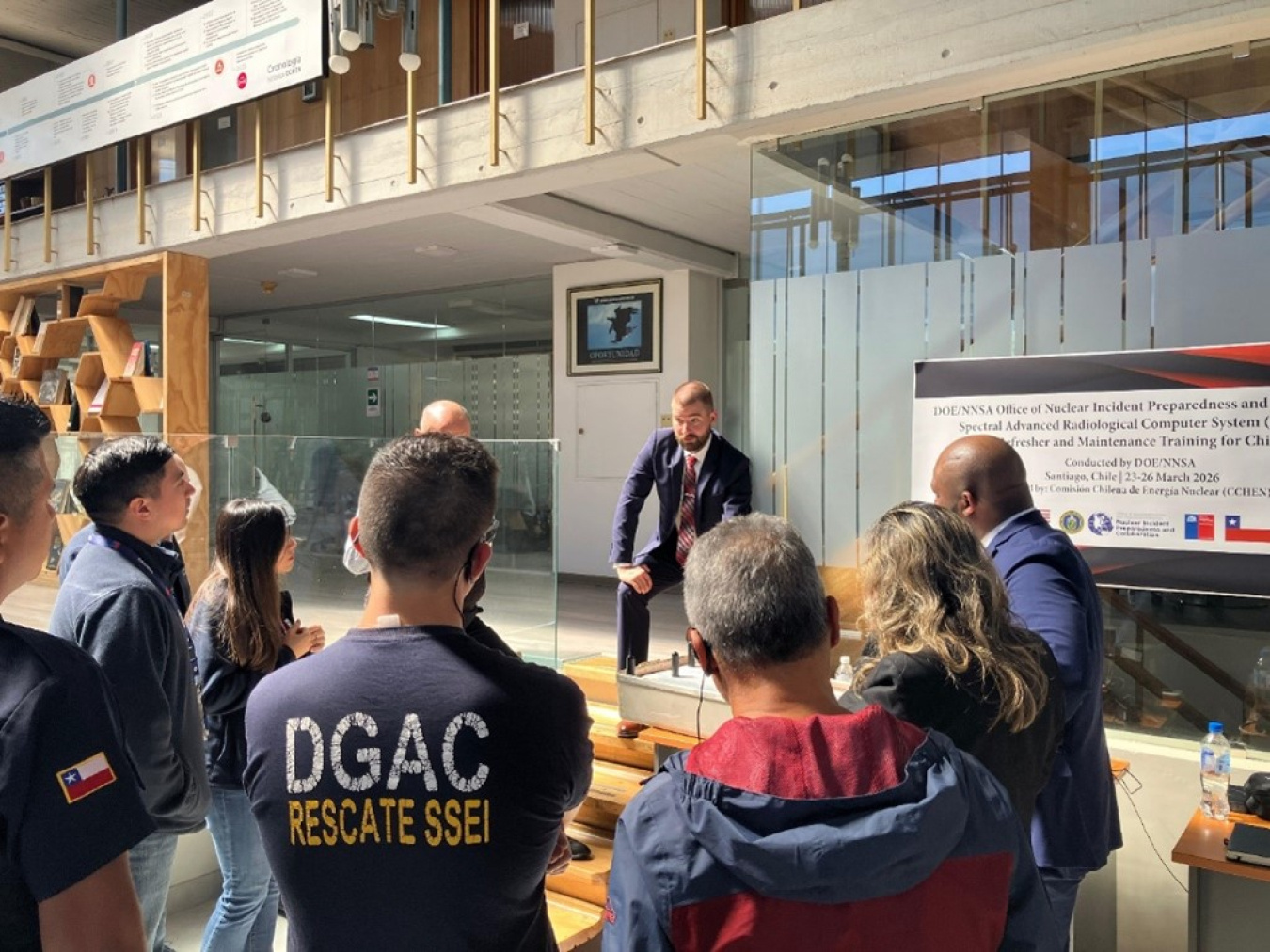
In parallel with the training, NNSA experts conducted system maintenance to ensure reliability. Sustained readiness is not only about response, but also about deterrence. A well-maintained, practiced, and connected radiological detection, consequence management, and response capability can deter potential threats while reinforcing a layered security posture that protects both regional partners and the United States.
“Training events like these are critical to enhancing emergency and preparedness measures, contributing to our nation’s deterrence through denial” noted Dr. Wendin Smith, Deputy Under Secretary for Counterterrorism and Counterproliferation at NNSA.
The engagement reflects a broader national security reality: the work that keeps Americans safe often begins long before an emergency and is often beyond U.S. borders. Radiological emergency preparedness abroad contributes directly to homeland safety and protects American citizens and our interests by improving early notification, strengthening partner capacity, and reducing opportunities for malicious actors to exploit gaps in response capability.
For more information about NNSA’s work in radiological and nuclear emergency preparedness and response, visit: Counterterrorism and Counterproliferation | Department of Energy.