



New Activated Materials Lab lets scientists use powerful X-rays to better pinpoint the cause of cracks in nuclear reactors.
February 26, 2026 Estimated Read Time min

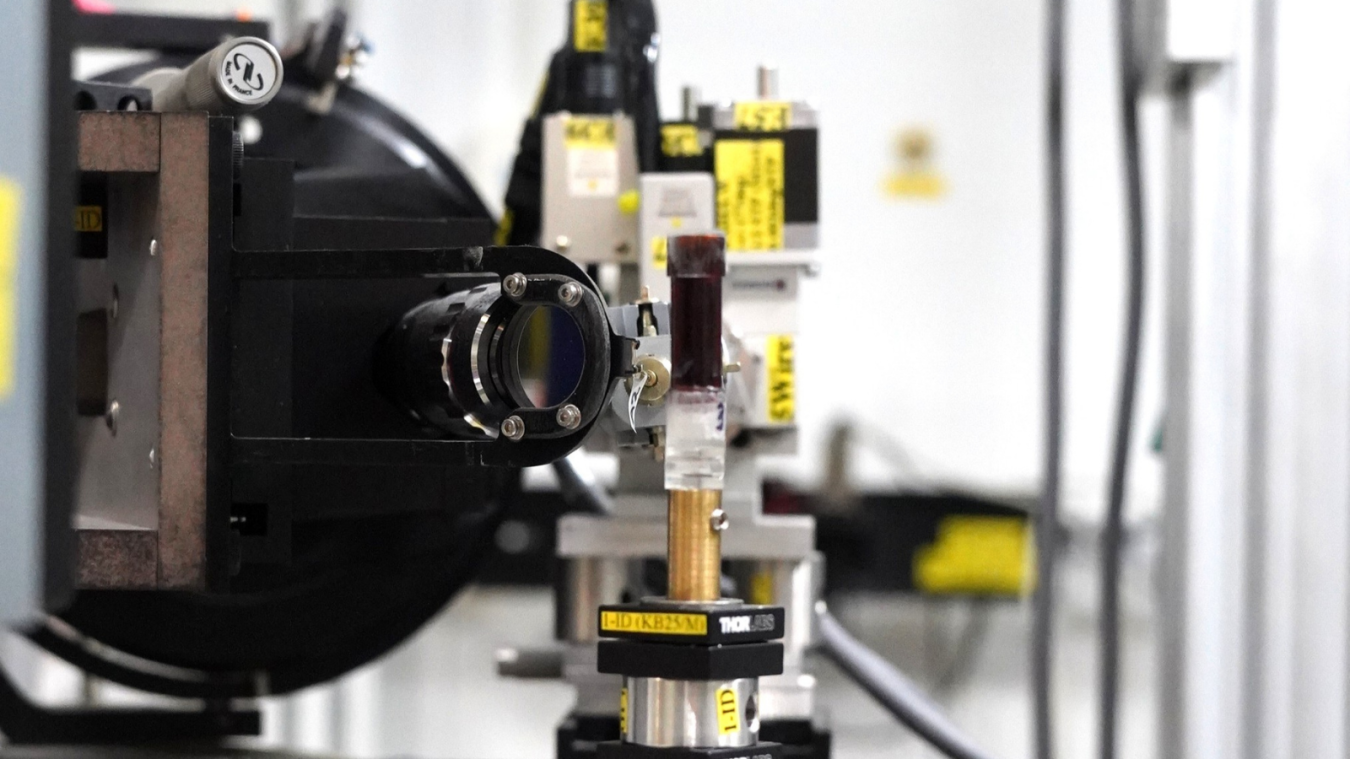
The new Activated Materials Lab at Argonne National Laboratory is allowing researchers to better understand how radiation impacts the materials used in nuclear reactors.
The new radiological lab is adjacent to the Advanced Photon Source and makes it possible for researchers to use an ultrabright X-ray beam to safely see inside irradiated metals.
Experiments taking place at the lab are expected to help drive improvements in nuclear reactor parts and inform maintenance and repair schedules.
Activated Materials Lab
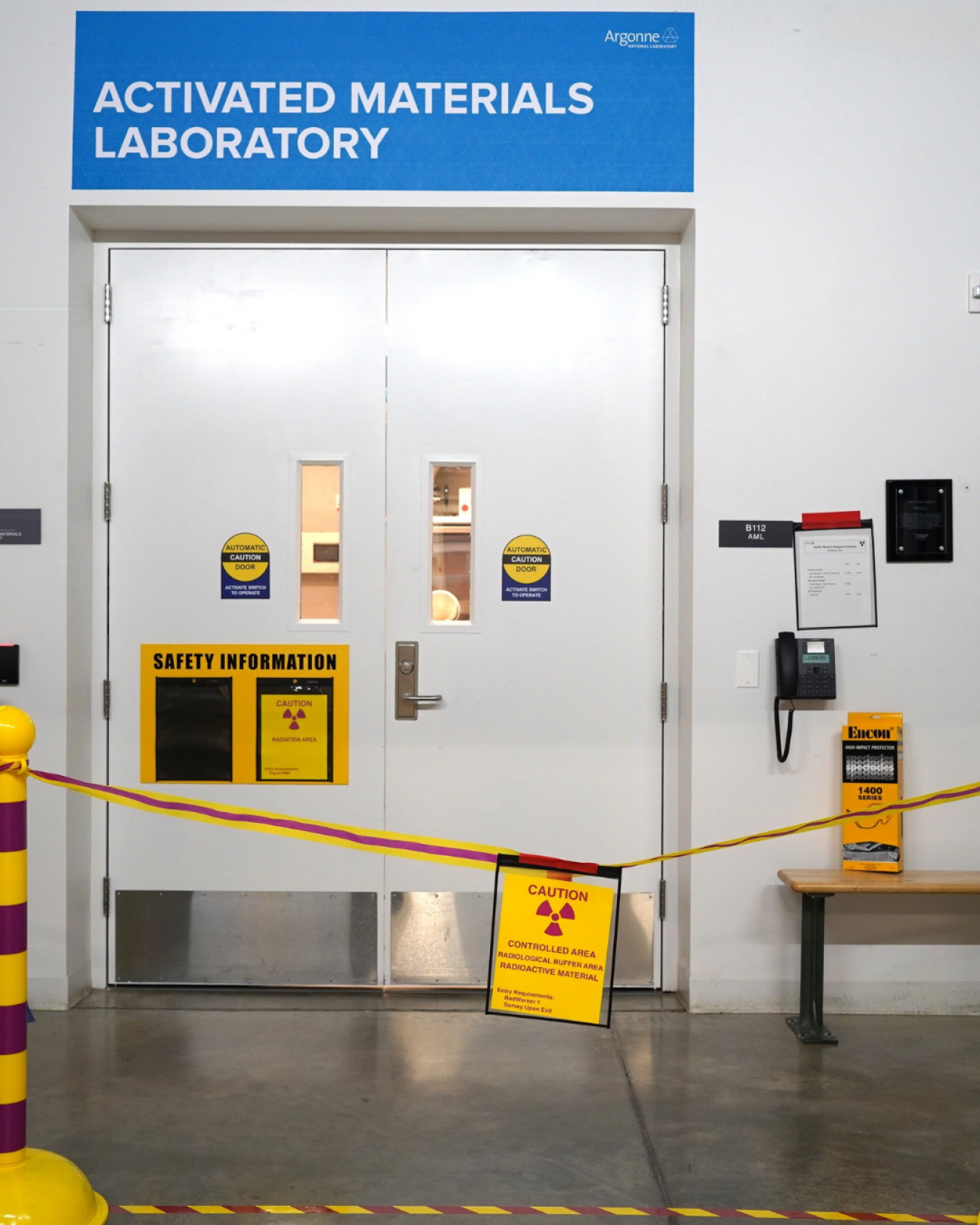
Equipped with fume hoods, glove boxes, shielded containers, and approved sample containments, the new Activated Materials Lab can safely handle samples with higher radioactivity than previously allowed at the facility.
Staffed with a dedicated team that is responsible for receiving radioactive samples and transferring them safely to the Advanced Photon Source X-ray beamlines for measurements, the lab is able to reduce the turnaround time on user experiments while allowing researchers to focus solely on data collection.
The Advanced Photon Source recently underwent a major upgrade project which enhanced its brightness over 100-fold and built nine new X-ray beamlines, including the High-Energy X-ray Microscope beamline adjacent to the Activated Materials Lab. With enhanced access to upgraded x-ray capabilities, researchers now have the ability to pursue a wider range of experiments.
“By safely enabling higher activity samples at the Advanced Photon Source, this new capability allows for clearer views of how materials change during their time in a reactor, speeding progress toward safer, longer-lasting components,” said Brenden J. Heidrich, director of the U.S. Department of Energy’s Nuclear Science User Facilities program.
Going Granular
The new facility recently completed its first-ever user experiments examining the origins of stress corrosion cracks in irradiated materials.
Researchers looked at stainless steel parts that after decades of use were removed from a light-water reactor. The parts had developed microcracks due to a combination of irradiation, mechanical stress, and exposure to a corrosive environment.
Using a combination of three-dimensional X-ray techniques, researchers were able to examine the metal at the polycrystal grain level to see if they could find characteristics that correlated to cracking.
Finding the mechanisms that contribute to this behavior in alloys used in nuclear reactors will inform future material designs and long-term performance of existing reactors.
The experiment was led by the University of Illinois Urbana–Champaign’s Professor James Stubbins, with collaborators at Oak Ridge National Laboratory, The University of Alabama, and Argonne National Laboratory, and was funded by the U.S. Department of Energy’s Nuclear Energy University Program and the Light Water Reactor Sustainability program.
What’s Next?
The Activated Materials Lab stands ready to receive its next user experiment, adding its capacity to the list of innovative resources and capabilities the U. S. Department of Energy provides to researcher and industry to advance nuclear materials and technologies.
The Activated Materials Laboratory is supported by the Nuclear Science User Facilities (NSUF) program. The Advanced Photon Source is a Department of Energy (DOE) Office of Science user facility operated by Argonne National Laboratory.
Learn more about the NSUF program.