



Energy Storage in the United States
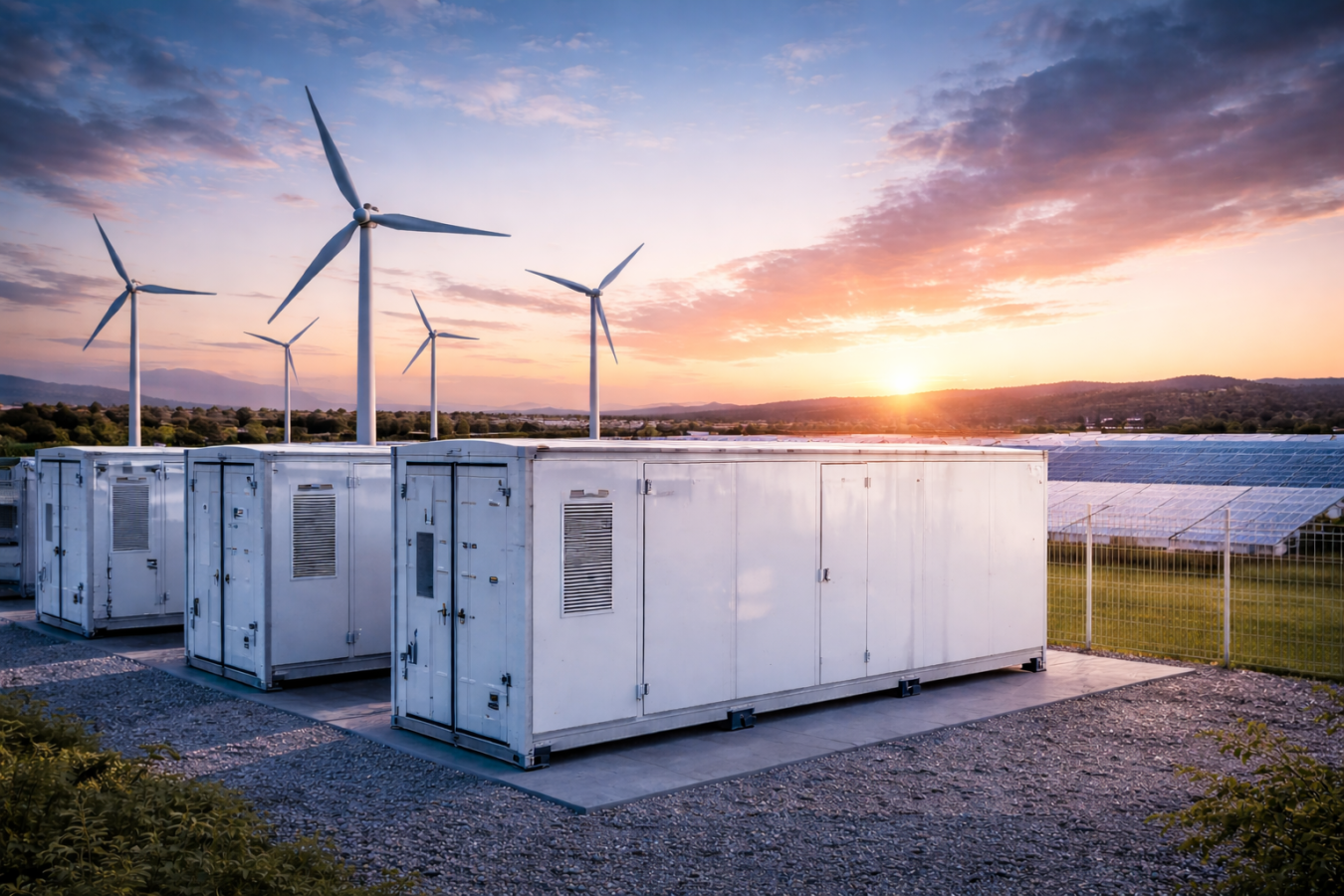
Energy storage plays a critical role in maintaining a reliable and balanced electric system. By capturing energy when supply is high and releasing it when demand increases, storage helps ensure that electricity is available when it is needed most. This is especially important as more variable energy sources are integrated into the grid.
The Department of Energy supports the development and deployment of a range of storage technologies, from advanced batteries to large-scale systems that can serve communities and industries. These efforts help improve grid resilience, enhance flexibility, and support a more stable and efficient energy system.
How Energy Storage Works
Energy storage systems capture energy from various sources and store it for later use. When demand rises or supply is limited, the stored energy is released back into the grid. This process helps balance supply and demand, reduce strain on infrastructure, and support consistent electricity delivery.
-
August 13, 2025
-
December 20, 2024