



NNSA and Texas A&M AgriLife Research are teaming up to revolutionize medical device sterilization with advanced electron beam technology, ensuring a safer future for medicine and public health.
National Nuclear Security Administration
January 22, 2026 Estimated Read Time min
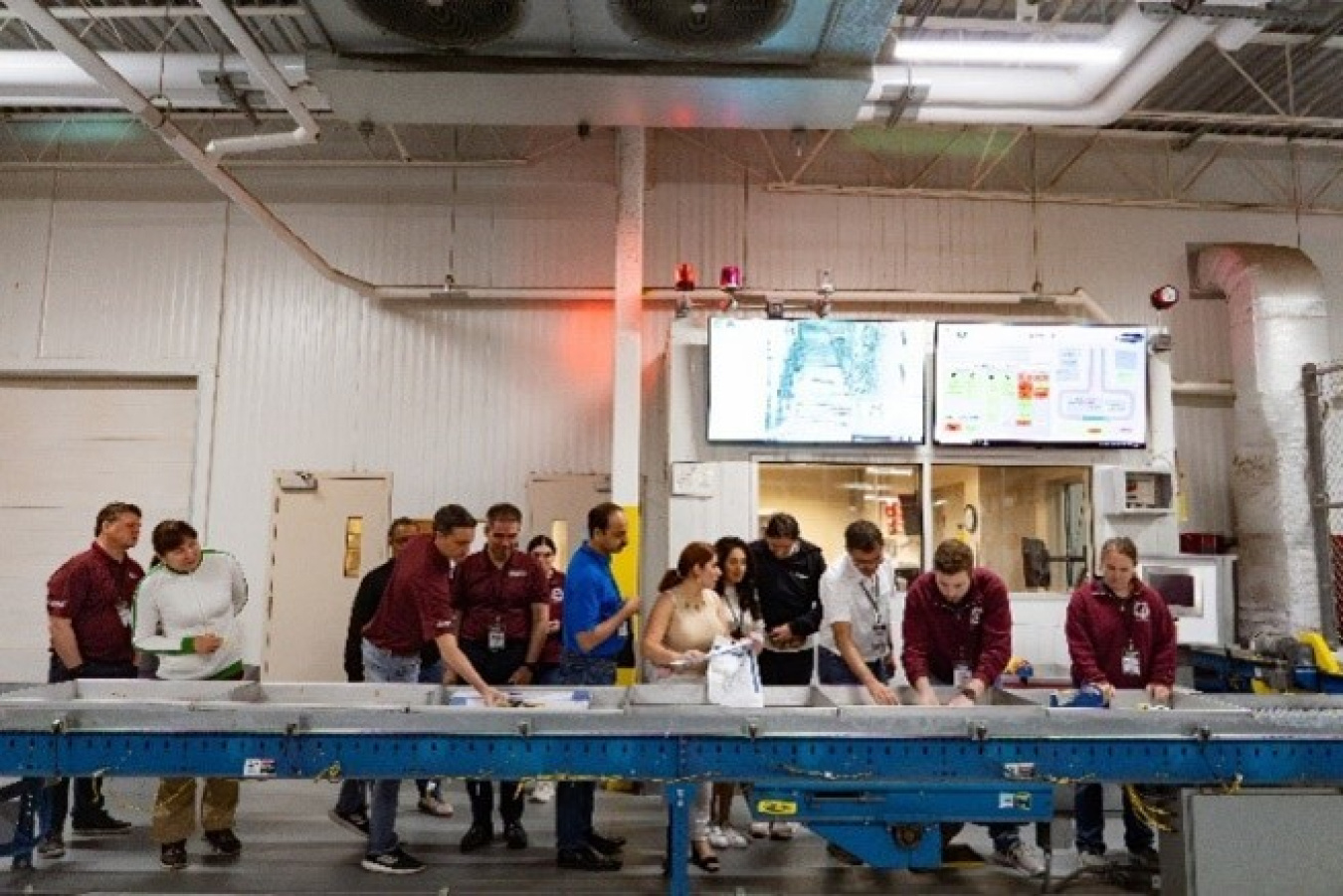
NNSA’s Office of Radiological Security (ORS) has forged a critical partnership with Texas A&M AgriLife Research to champion the adoption of advanced electron beam (eBeam) technology for medical device sterilization, enhancing both U.S. national security and prosperity.
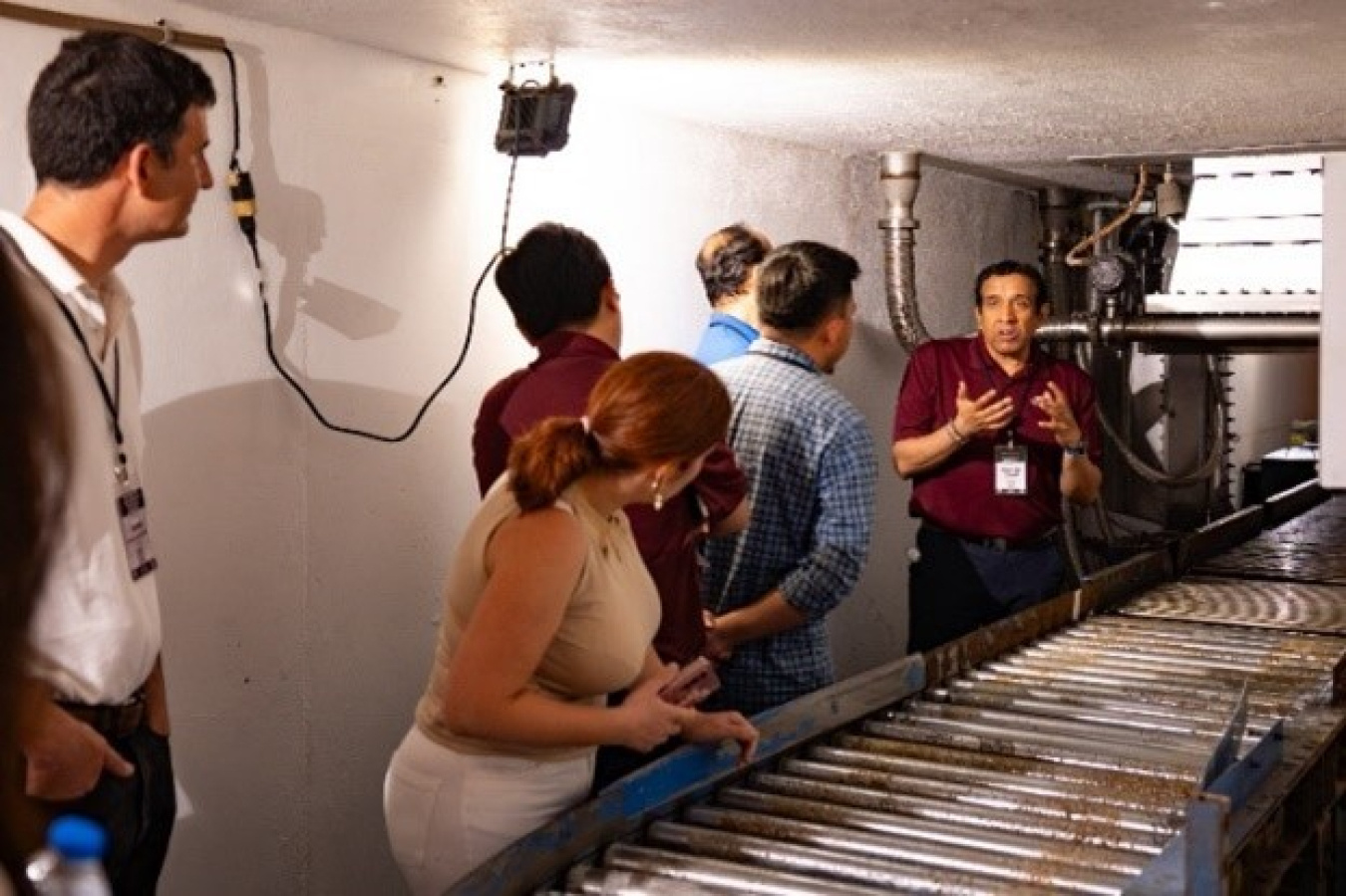
Medical device sterilization helps safeguard public health. Today, high-activity radioactive sources like cobalt-60 are typically used to irradiate and sterilize equipment for hospitals and related facilities. However, they carry significant, inherent security risks and any loss, theft, or misuse of these materials could be devastating.
ORS works to eliminate the risk of high-activity radioactive material by promoting advanced, non-radioisotopic alternatives like eBeam. This innovative technology sterilizes medical devices faster than cobalt-60 gamma irradiation and eliminates risks associated with radioactive materials.
“Medical device sterilization is foundational to public health,” said Christine Bent, Assistant Deputy Administrator for Global Material Security. “NNSA’s partnership with Texas A&M to advance eBeam technology for this purpose advances U.S. industry, prevents infection, and ensures the safety of our communities.”
AgriLife Research, through Texas A&M’s National Center for Electron Beam Research (NCEBR) which is supported by ORS, leads feasibility studies and provides outreach and educational resources to accelerate the worldwide adoption and use of eBeam technology.
Earlier this year, ORS and NCEBR co-hosted the “Hands-On Electron Beam Technology Workshop.” At that event, stakeholders engaged with U.S. equipment manufacturers and learned about the applications of eBeam and X-ray technologies, particularly for medical equipment.
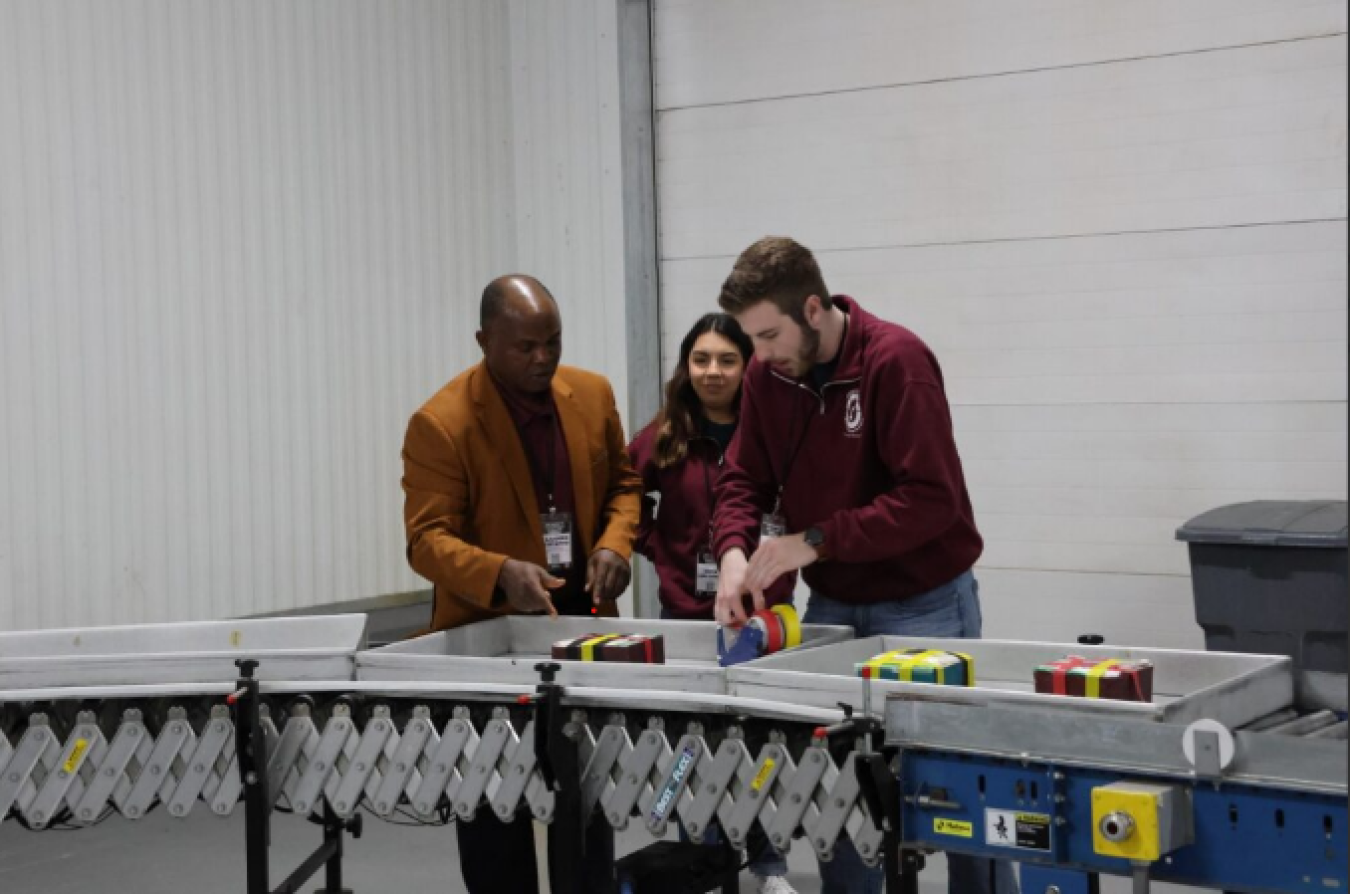
“This partnership unites ORS’s outreach with NCEBR’s research excellence, promoting transformative solutions that safeguard medicine and public health,” said Suresh Pillai, Director of the NCEBR. “We are immensely proud to bolster ORS’s critical mission to strengthen national security.”
ORS and NCEBR also work together to support Team Nablo, a collection of 20 organizations and 11 medical device manufacturers dedicated to shifting sterilization away from high-activity radioactive materials like cobalt-60. Participants help bridge the information gap for stakeholders considering the move.
ORS supports Team Nablo’s initiatives to accelerate the adoption of eBeam technology in medical device sterilization. This includes providing the medical device industry and the Federal Drug Administration with data demonstrating eBeam’s success, including irradiation and material property measurements and informational videos on eBeam sterilization. The data provided has been critical in demonstrating to industry and government partners that eBeam is a viable, equivalent alternative to sterilization techniques that use high-activity radioactive material.
“Through collaboration with NCEBR and partners around the world, NNSA strengthens national health and safety,” said Kristin Hirsch, Director of ORS.
ORS, part of NNSA’s Office of Defense Nuclear Nonproliferation, enhances U.S. and global security. It achieves this by eliminating disused or no longer needed high-activity radioactive material and preventing its acquisition by adversaries. This mission is driven by strong partnerships with industry, law enforcement, and government and helps protect American interests while contributing to a safer, more secure, and more prosperous America.
To learn more about ORS and how you can keep your community and country safe, please contact: ORSinfo@nnsa.doe.gov.