Many K-12 school facilities need to update or replace heating, ventilation, and air conditioning (HVAC). HVAC is integral to learning and health in schools by providing comfortable thermal conditions with ventilation and filtration for good indoor air quality (IAQ). In order to support learning, HVAC must deliver these services reliably, quietly, and be responsive to the changing conditions in classrooms and other areas of the school.
HVAC commissioning and retrofits, and improved ventilation, filtration and controls can contribute to reducing key risk factors for airborne disease transmission, (Li et al. 2007; Luongo et al. 2016) and allow schools to safely operate during episodic air pollution events. Improving HVAC can also have substantial benefits to comfort, productivity and learning, (Mendell and Heath, 2005; Fisk 2017; Brink et al. 2020) and doing so efficiently can provide operational energy cost savings on an ongoing basis.
These efficiency, health, and learning benefits of implementing HVAC upgrades makes HVAC a priority EEM for schools. When implemented along with other EEMS, HVAC upgrades can produce even greater energy and cost savings for schools and districts.
-
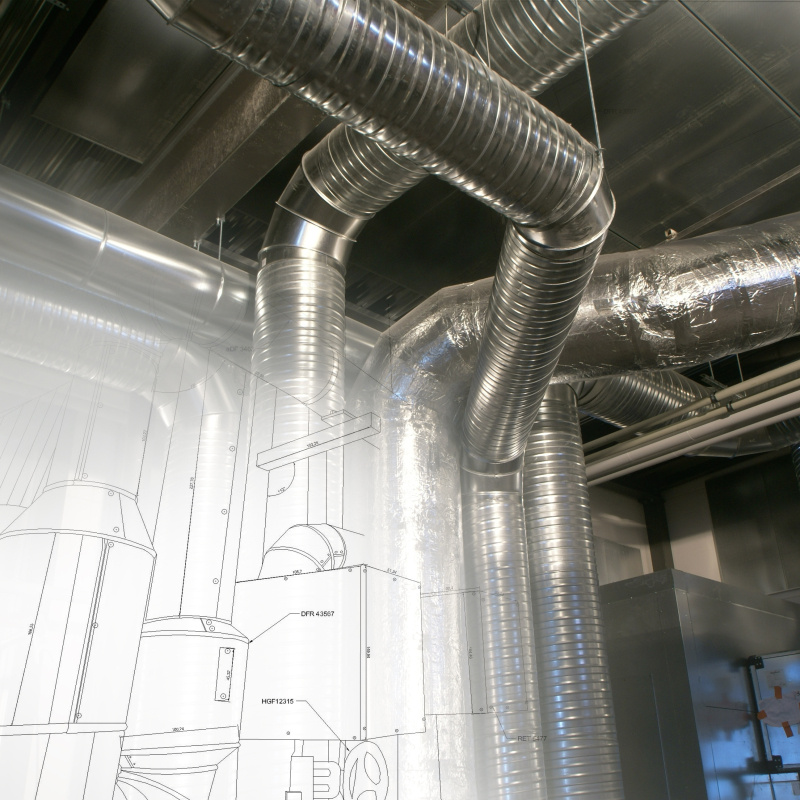 Learn energy-efficient technologies designed for high performance HVAC.December 9, 2024
 -
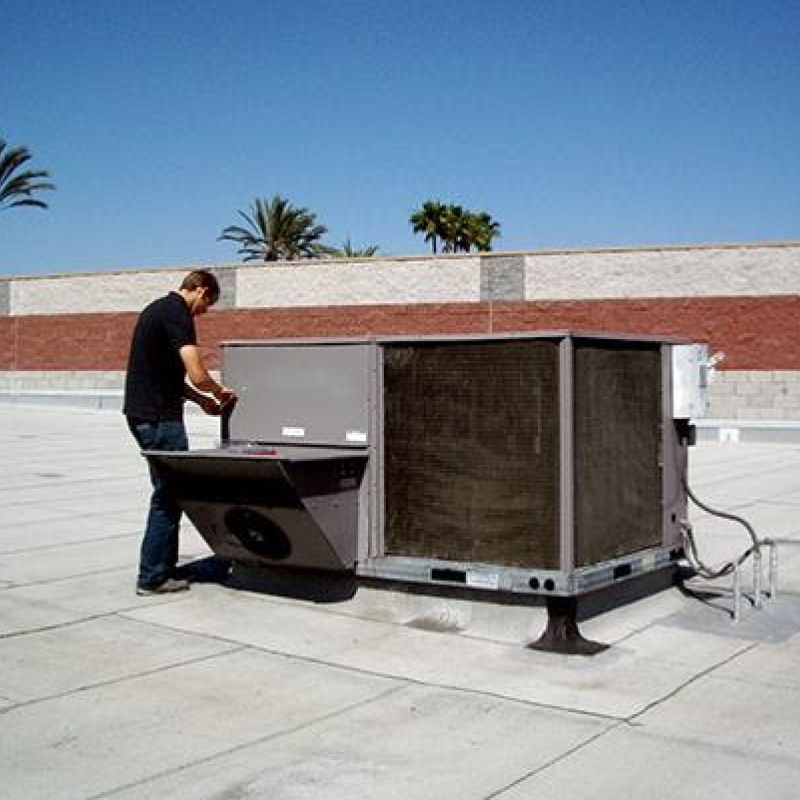 Learn about the process of verifying installation and operation of building systems.December 9, 2024
-
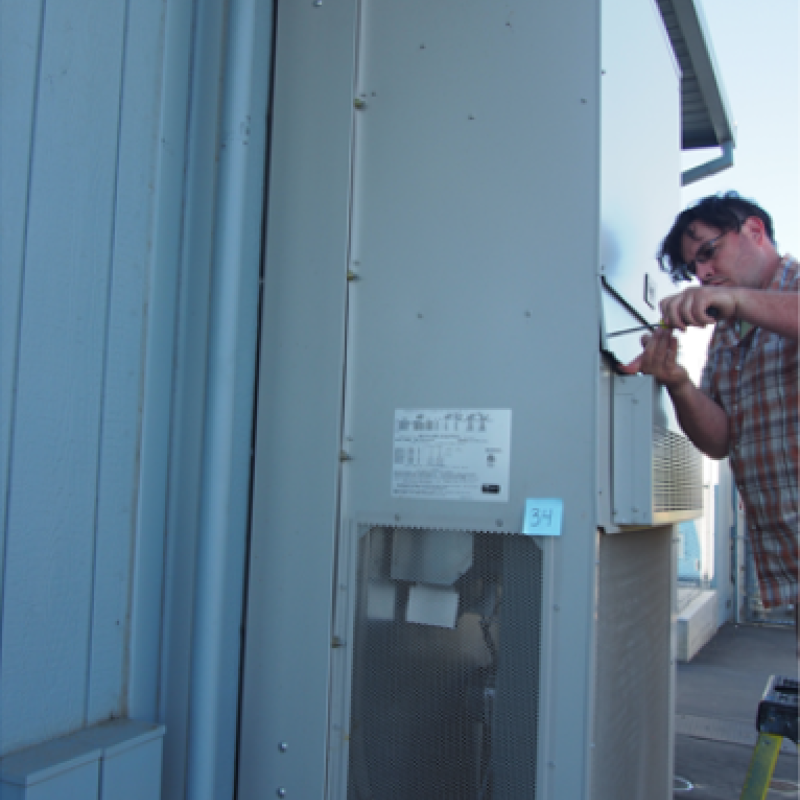 Learn the ways to retrofit existing HVAC systems to improve energy efficiency and IAQ.April 23, 2026
 -
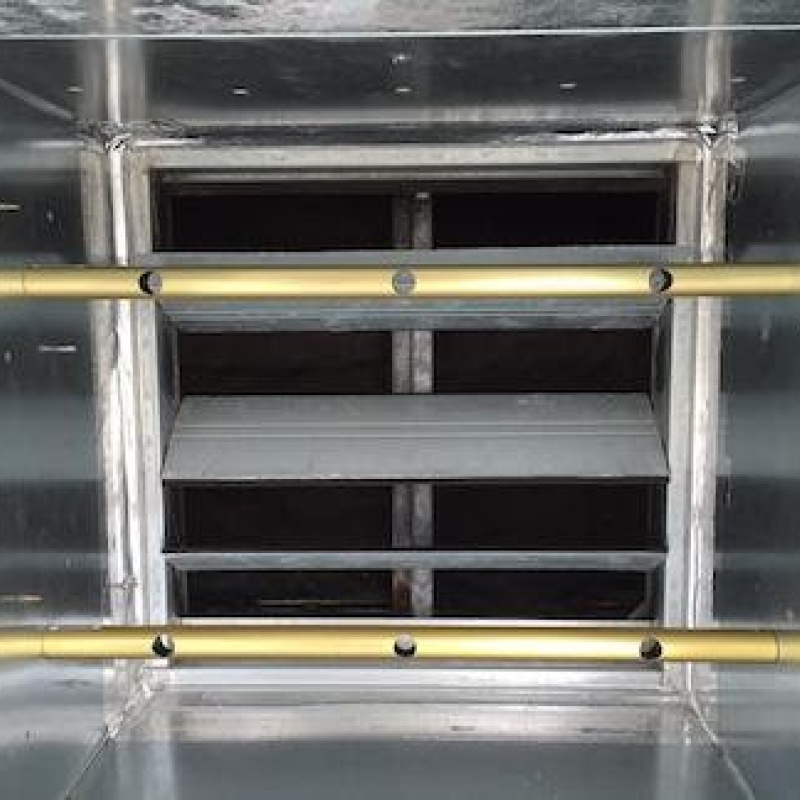 Learn how monitoring can verify indoor air quality.September 29, 2021