



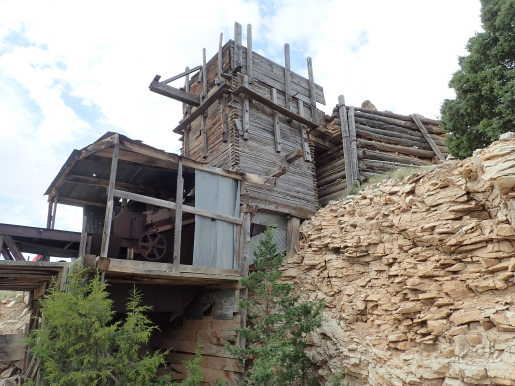
Credit: U.S. Department of Energy Office of Legacy Management
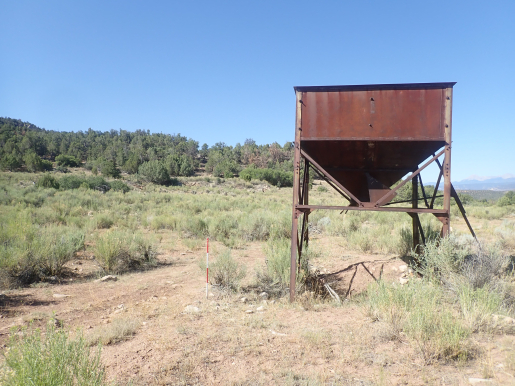
Credit: U.S. Department of Energy Office of Legacy Management
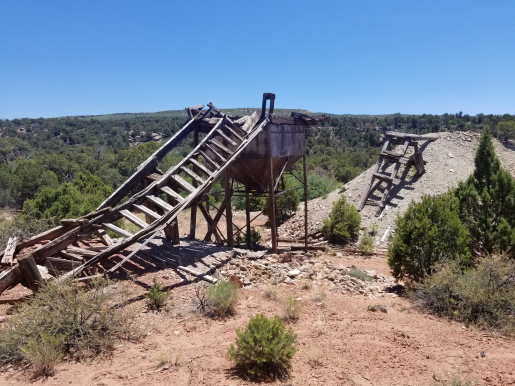
Credit: U.S. Department of Energy Office of Legacy Management
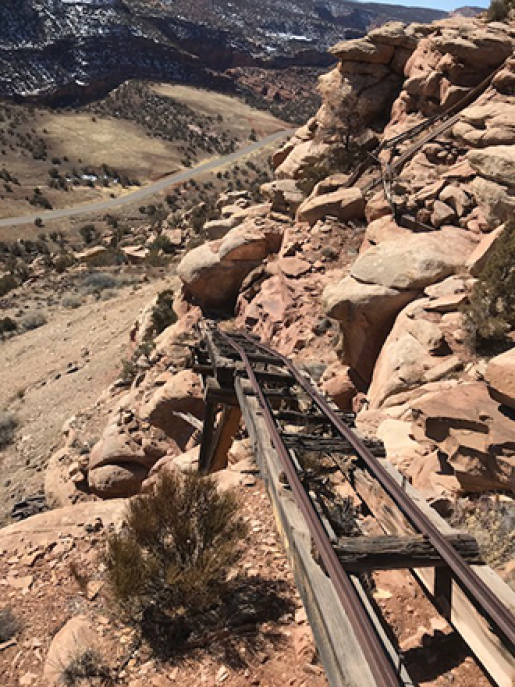
Credit: U.S. Department of Energy Office of Legacy Management
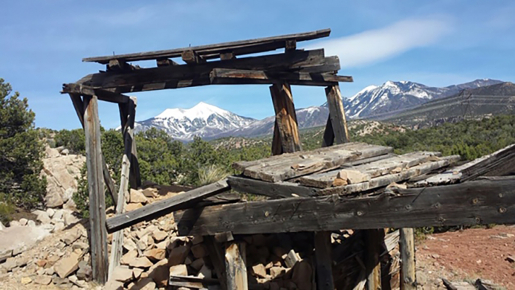
Credit: U.S. Department of Energy Office of Legacy Management
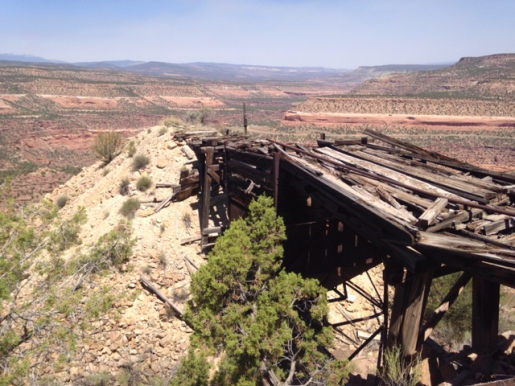
Credit: U.S. Department of Energy Office of Legacy Management
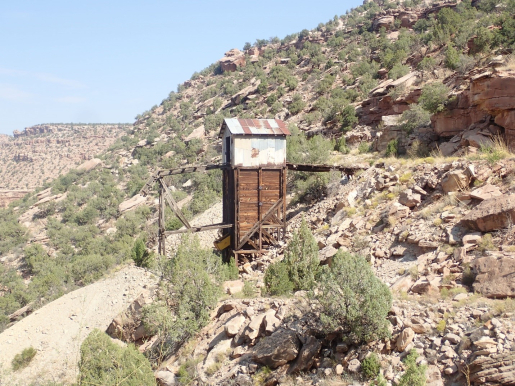
Credit: U.S. Department of Energy Office of Legacy Management
Credit: U.S. Department of Energy Office of Legacy Management
Loadout structure at the Mike mine in the Butte Mining District of northern Wyoming. Credit: U.S. Department of Energy Office of Legacy Management
The U.S. Department of Energy (DOE) Defense-Related Uranium Mines (DRUM) program is a partnership between DOE, federal land management agencies, state abandoned mine lands (AML) programs, and tribal governments to verify and validate the condition of a unique set of abandoned uranium mines. These mines provided uranium ore to the U.S. Atomic Energy Commission (AEC) for defense-related activities between 1947 and 1970.
Most abandoned mines are located on public land. The DRUM program is divided into three campaigns based on land management status and ownership. Initiated in 2017, Campaign 1 focuses on approximately 2,300 legacy mines located on public land administered by federal and state agencies. Fieldwork for Campaign 2 began in August 2022 and involves assessing DRUM sites on tribal lands. Fieldwork for Campaign 3 began in March 2024 and involves assessing DRUM sites on private property. The DOE Office of Legacy Management implements the program by conducting verification and validation activities, including:
- Exchanging information with other federal, state, and local government agencies, tribal partners, and private landowners to improve the quality of mine-specific data.
- Performing field inventories to document the current condition of the mines.
- Conducting gamma radiation surveys, soil sampling, and water sampling (as applicable), as well as collecting multiple lines of evidence to evaluate hazards posed by each mine.
- Producing mine-specific reports that document inventory results, evaluations of physical hazards, and potential chemical and radiological risks.
Ultimately, these V&V activities will result in preliminary risk screening to assess whether each mine poses potential risks to human health and the environment. This information will be shared with federal land management agencies, state agencies, tribal partners, and private landowners to help them make decisions about how to address mines that pose the greatest risks.
Acting upon the findings of the 2014 Report to Congress, DOE initiated the DRUM program in 2017 and by July 2017, DOE had developed numerous program documents and initiated field V&V efforts. The various documents provide the structure and basis for DOE to manage the V&V process for approximately 4,225 mines across 19 states. DOE obtained its authority for the program under Section 3151 of the National Defense Authorization Act for fiscal year 2013. The act mandated that DOE conduct a review of the location, status, and risks posed by abandoned uranium mines and consult with other federal agencies during the process. The following shows the location of DRUM sites and our progress to date.
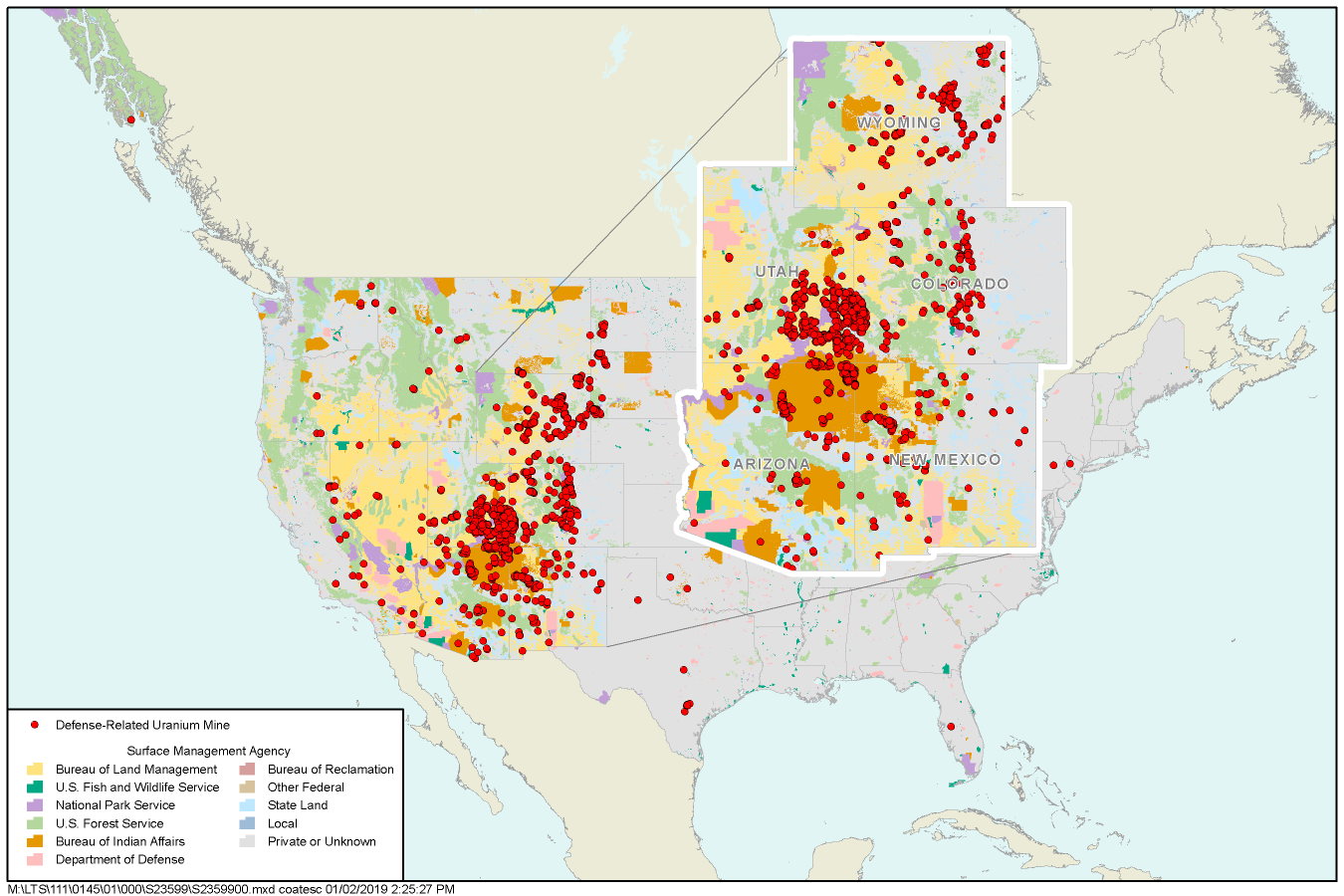 Total defense-related uranium mines.
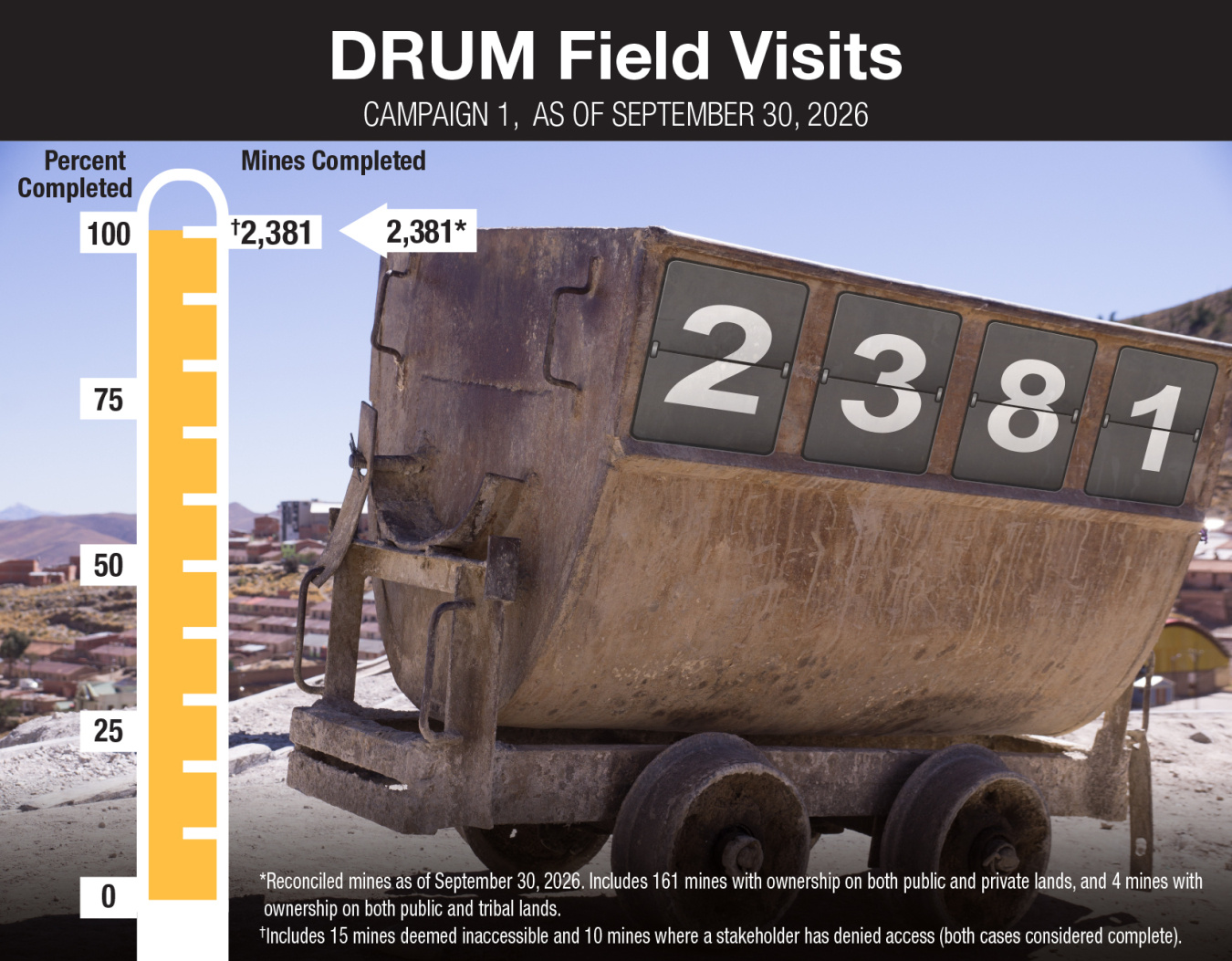 Last updated: September 30, 2026
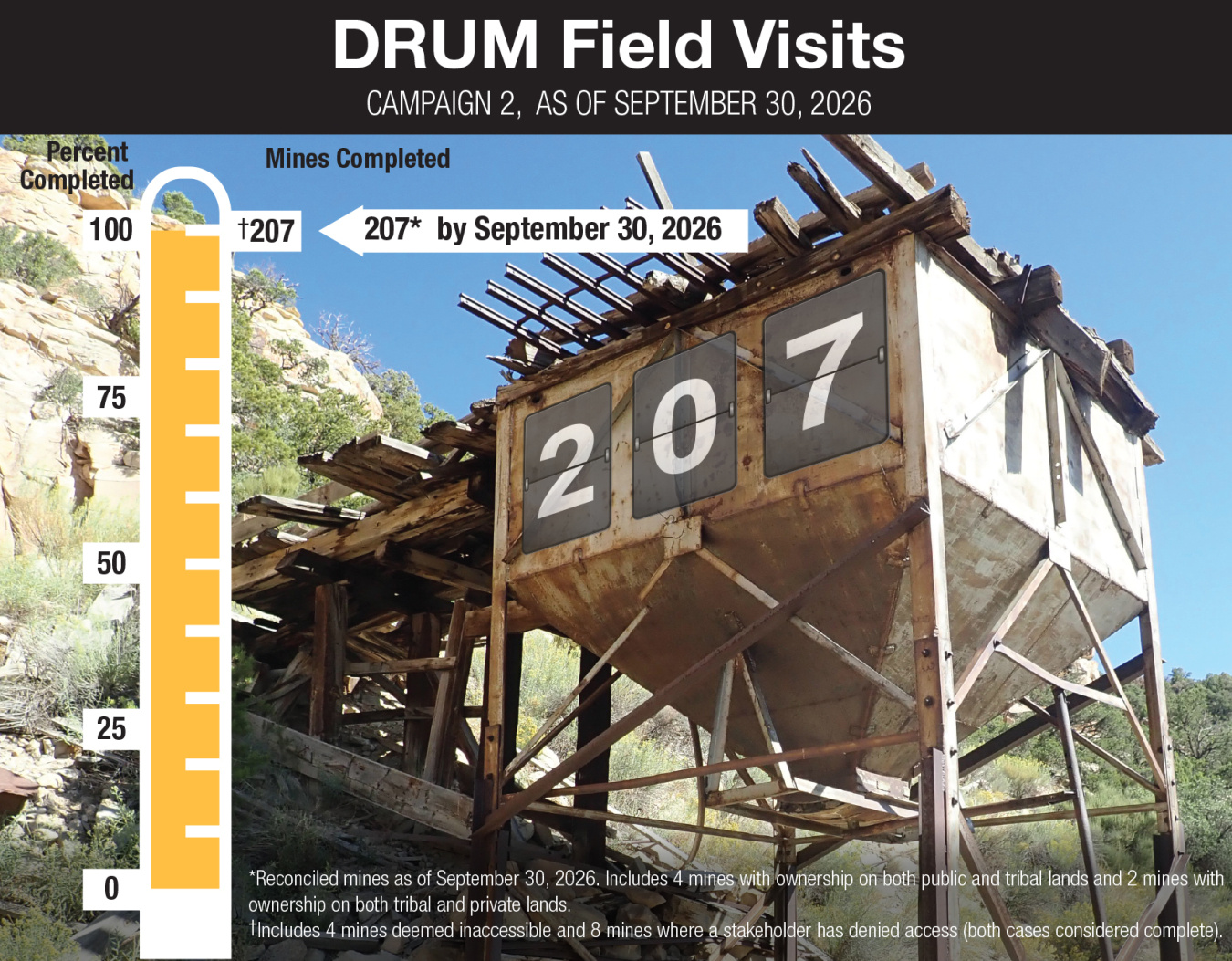 Last updated: September 30, 2026
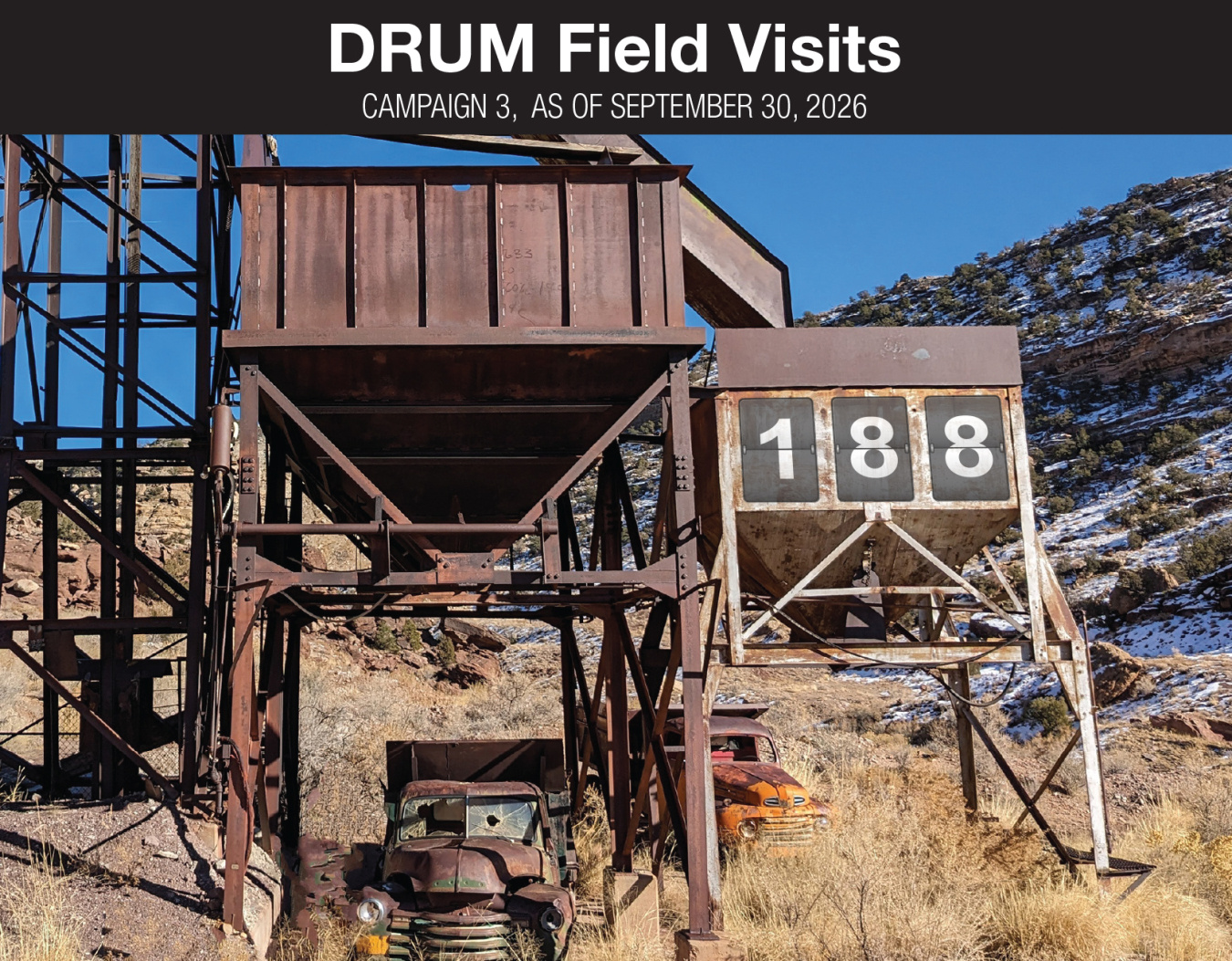 Last updated: September 30, 2026
The DRUM program developed and now maintains numerous documents from which it identifies objectives, strategies and the methods used to achieve these objectives. This approach instills consistency in data quality and confidence in the information from which management decisions can be made. The following program documents are utilized and updated regularly.
- Defense-Related Uranium Mines Program Annual Progress Report (January 1 - December 31, 2025)
- Defense-Related Uranium Mines Program Fact Sheet (December 2025)
- DRUM North Central AUM Information Sheet 2026
- DRUM Northern AUM Information Sheet 2026
- DRUM Southern AUM Information Sheet 2026
- Defense-Related Uranium Mines Verification and Validation Work Plan Campaign 1 (July 2025)
- Defense-Related Uranium Mines Verification and Validation Work Plan Campaign 2: Navajo Nation (February 2025)
- Defense-Related Uranium Mines Program Outreach Communications Plan Campaign 2, Navajo Nation (July 2026)
- Defense-Related Uranium Mines Verification and Validation Work Plan Campaign 3 (April 2025)
- Defense-Related Uranium Mines Mine Safeguarding Program Management Plan (April 2025)
- Defense-Related Uranium Mines Program Midyear Progress Report (January 1 - June 30, 2025)
- Defense-Related Uranium Mines Program Annual Progress Report (January 1 - December 31, 2024)
- Defense-Related Uranium Mines Risk Screening Process (June 2020)
- Defense-Related Uranium Mines Program Management Plan (July 2024)
- Defense-Related Uranium Mines Program Strategic Plan (2020 – 2030)
- Defense-Related Uranium Mines Report to Congress (August 2014)
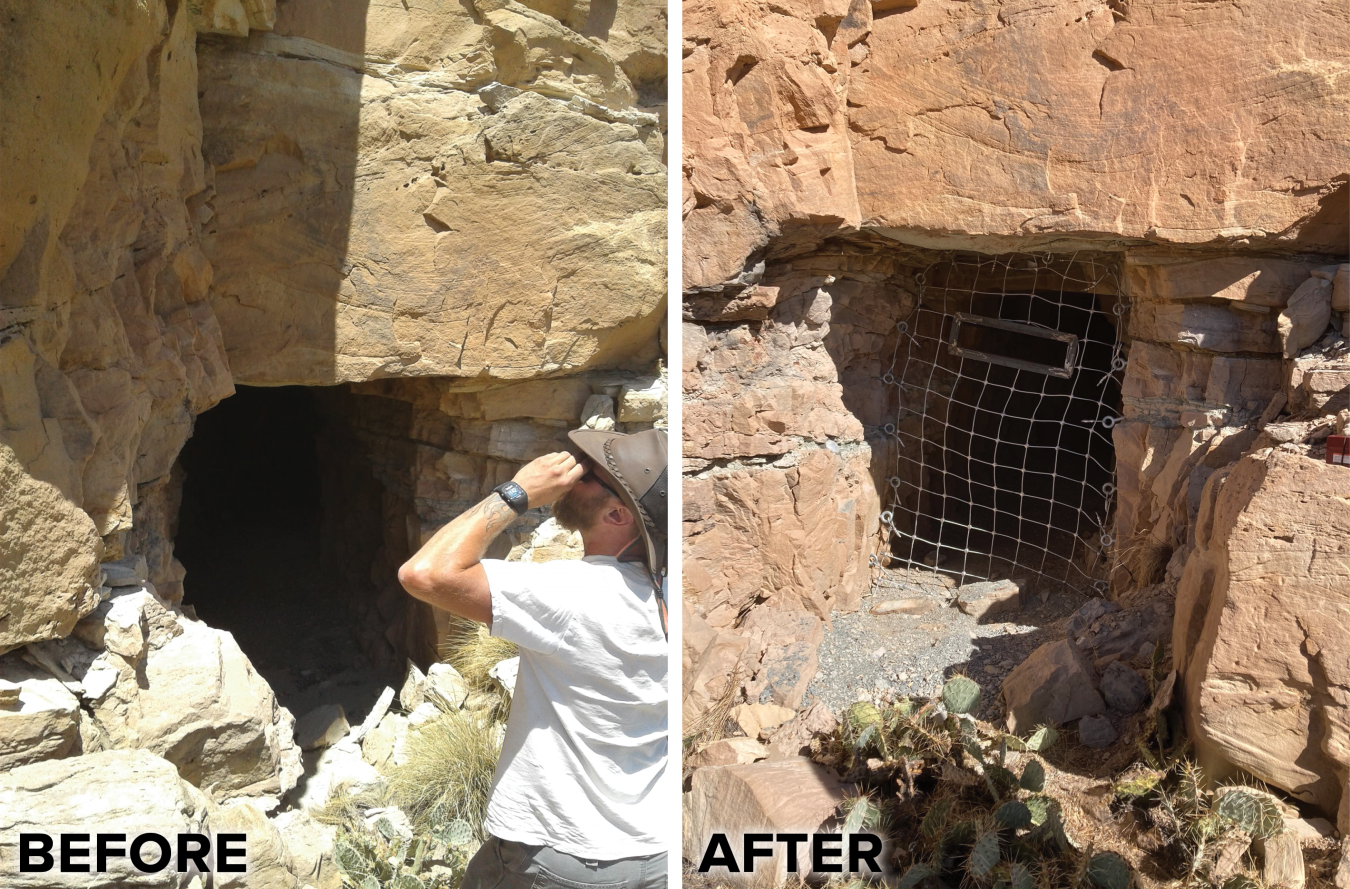
As of September 30, 2026, DRUM has facilitated the closure of 1493 hazardous features since safeguarding work began in 2020.
DRUM verification and validation evaluations identify the presence of physical hazards. Physical hazards are primarily attributed to unprotected open mine entries, subsidence features, or dangerous highwalls.
To protect the health and safety of members of the public who may encounter hazardous mine features, the DRUM Program expanded its capacity to assist federal land managers with safeguarding efforts. This included: 1) adding safeguarding activities to existing state agreements, 2) completing a cooperative agreement with a private organization that does mine closures, and 3) developing an administrative categorical exclusion to comply with National Environmental Policy Act (NEPA) responsibilities. To aid in the efficient closure of hazardous features, specific closure methods are recommended using state-approved engineer drawings to safeguard construction bids. Ultimately, the DRUM Program is working with its partner agencies as one government to achieve this mission of safeguarding for public and environmental protection.
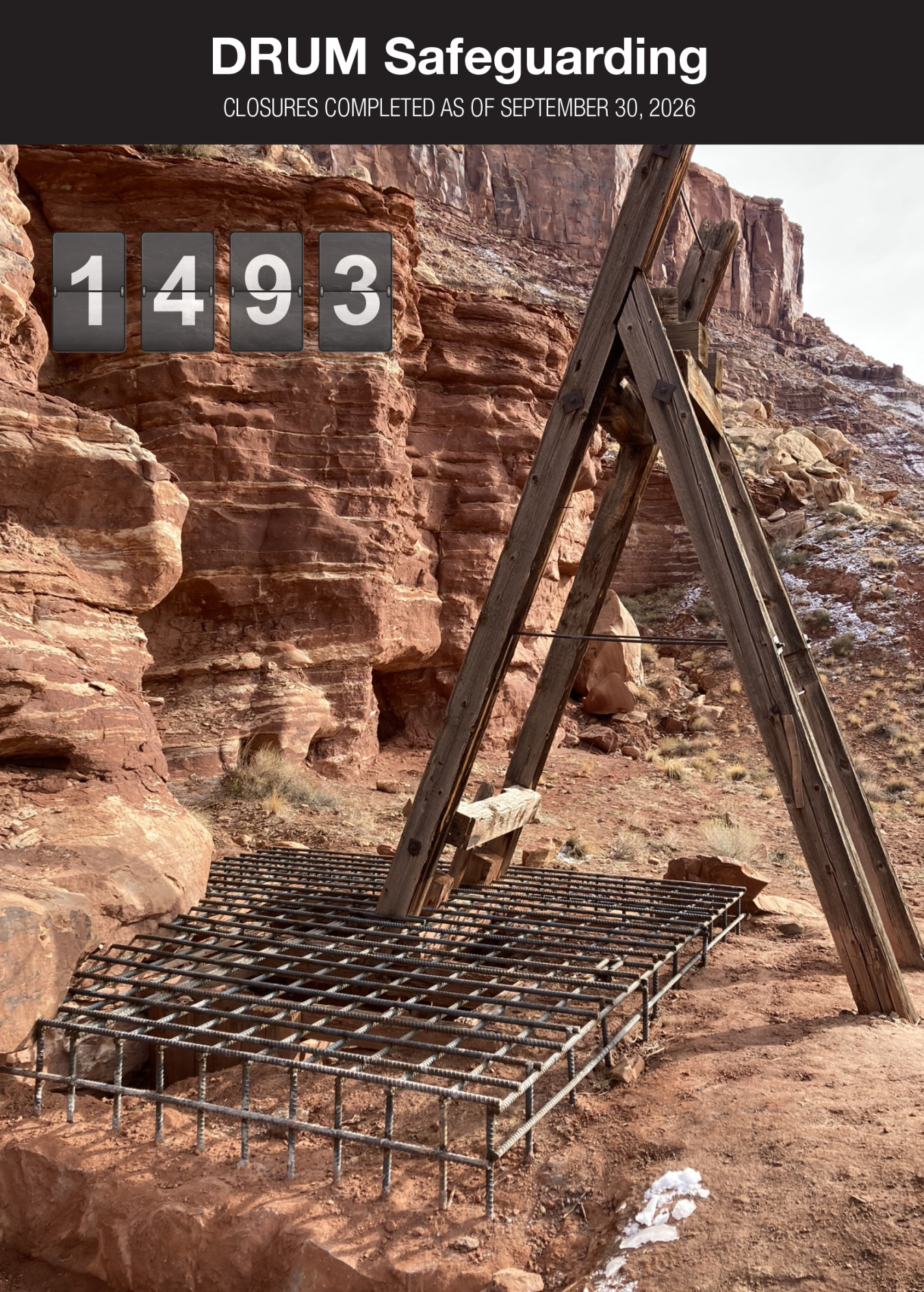 Last updated: September 30, 2026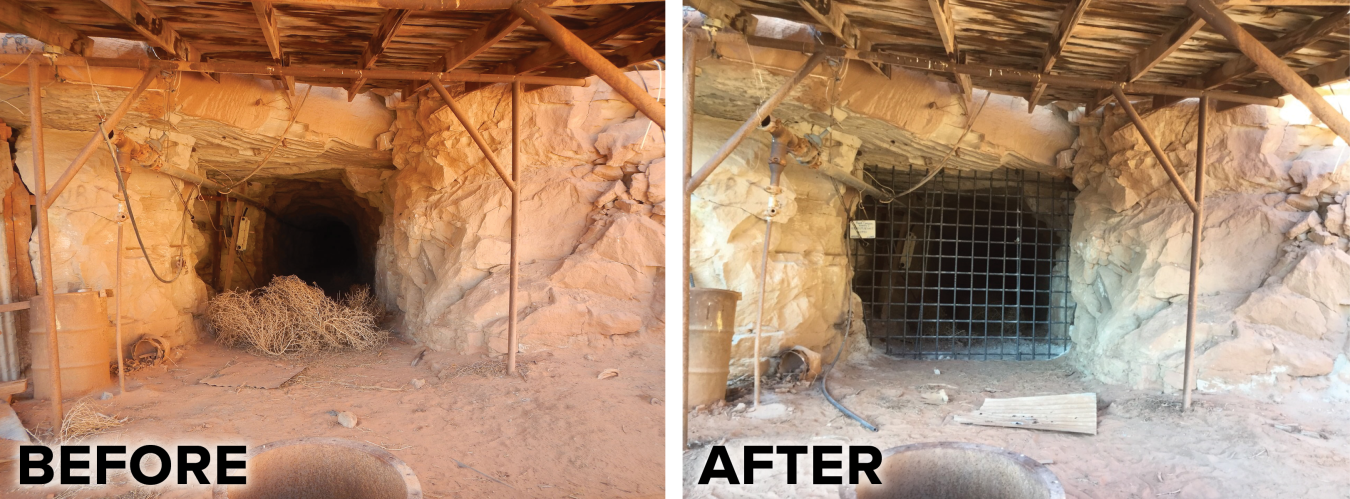
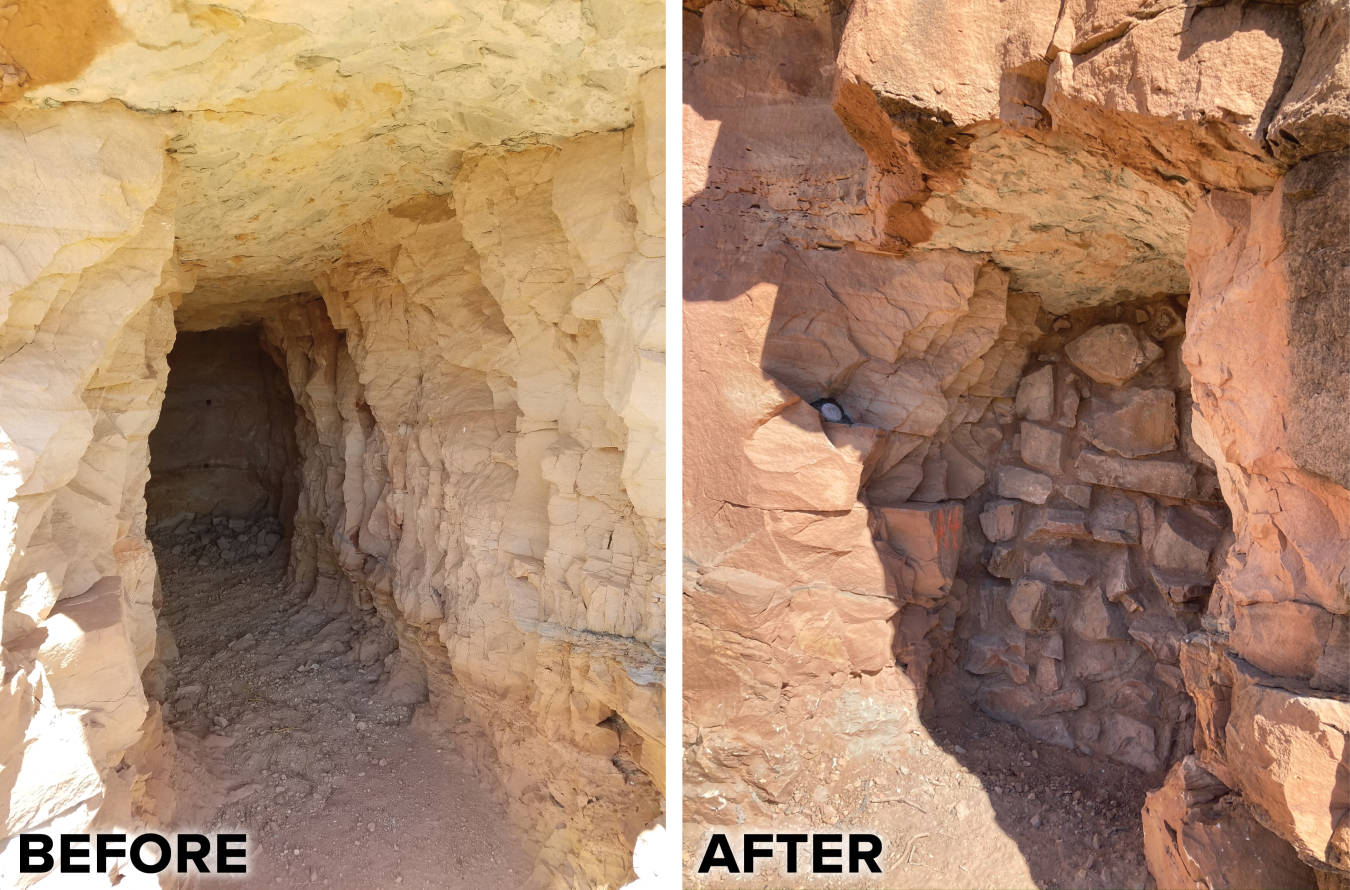
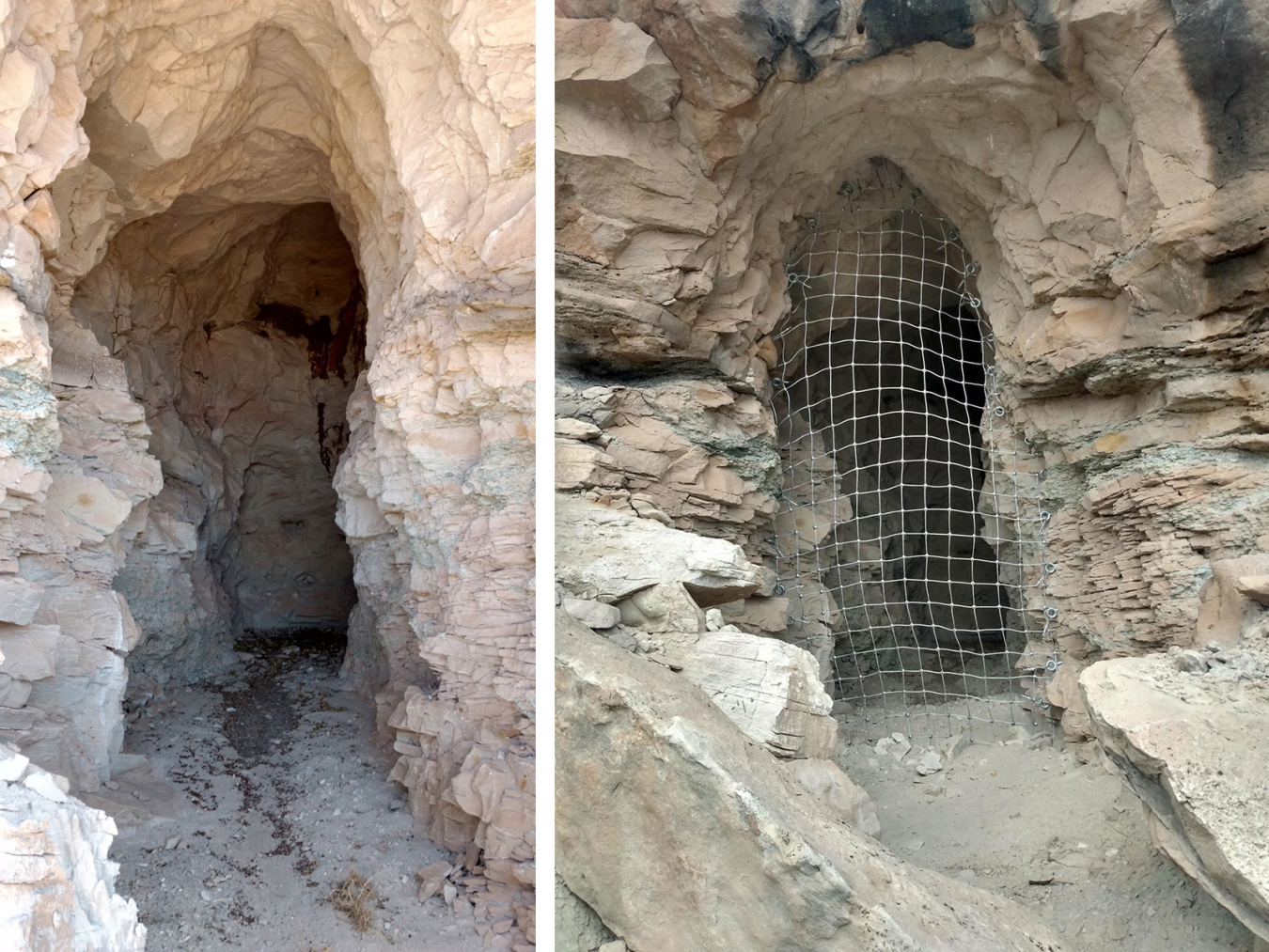 The “Birthday 1” mine before safeguarding (left), and after installation of protective netting (right).
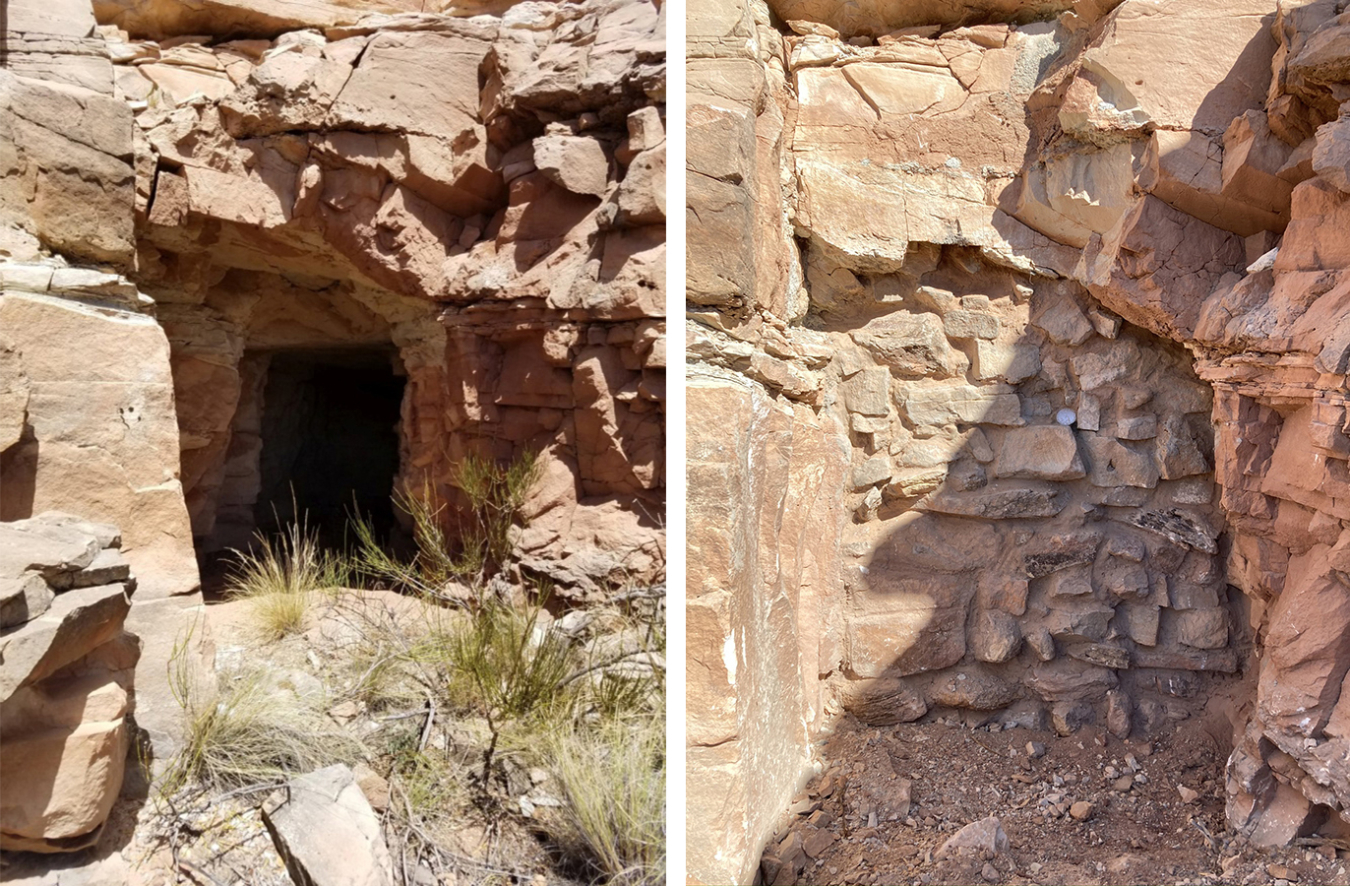 The “Peggy” mine before safeguarding (left), and after closure (right).
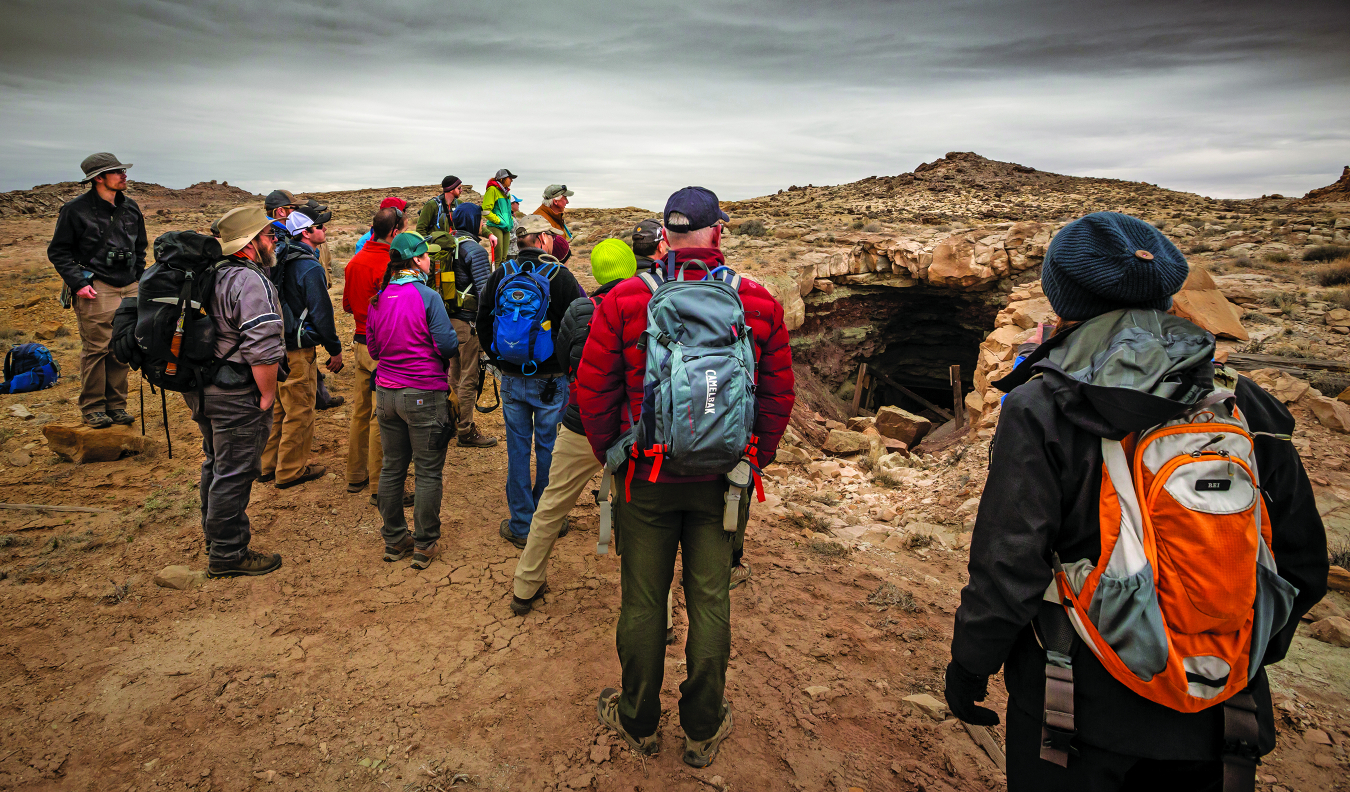 DRUM team members viewing the entrance to an abandoned uranium mine.
During the 2025 field season, DRUM field teams are poised to complete V&V activities on approximately 200 mines. The 2025 field season will see field teams working in nearer, higher mine-density locations, like southwest Colorado, northern Arizona, and Utah. V&V activities conducted by the field teams include improving the quality of information about mine locations, identifying associated mine features and surrounding characteristics and conditions, collecting additional data to enable environmental sampling, and assessing physical safety hazards.
During the field season, the public may see our four-person teams either hiking or using off-highway vehicles and utility task vehicles on designated roads. The teams minimize their impact to natural resources and avoid disturbing any potential cultural resources and sensitive wildlife and plants.
The teams are scheduled to conduct V&V activities at DRUM sites in the following locations:
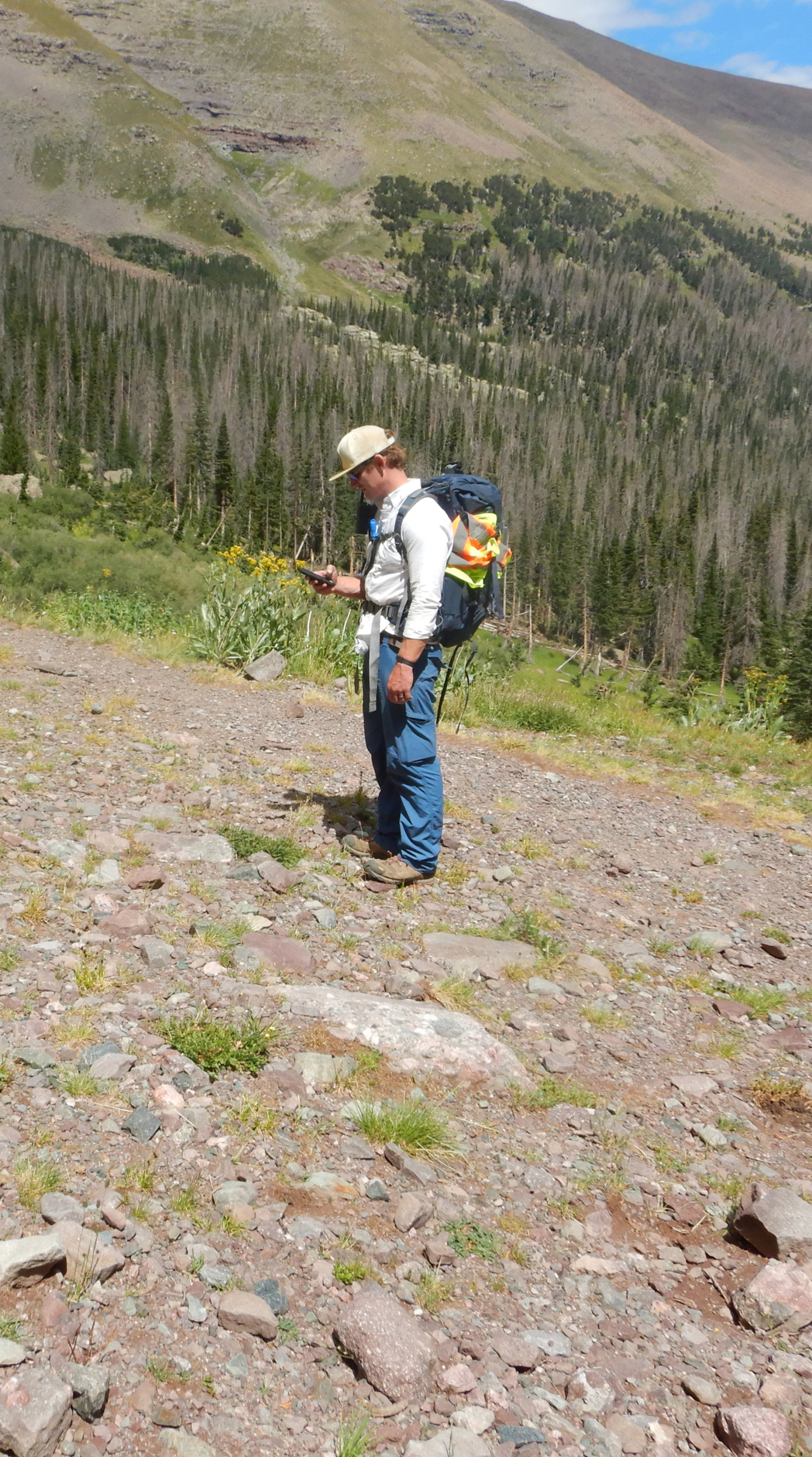 A DRUM team member surveying with a portable instrument for radiation detection and monitoring. Data and observations are used to perform risk rankings for each mine.
Navajo Nation
- Northern Abandoned Uranium Mine (AUM) Region
- North Central AUM Region
- Western AUM Region
Colorado
- Bull Canyon Mining District
- Front Range Mining District
- Gateway Mining District
- Gypsum Valley Mining District
- Paradox Mining District
- Placerville Mining District
- Rifle Mining District
- Slick Rock Mining District
- Uravan Mining District
New Mexico
- Grants Mining District
Utah
- Henry Mountains Mining District
- Moab Mining District
- Monticello Mining District
- Salt Lake Mining District
- San Rafael Mining District
- Thompson Mining District
- Uinta Mining District
- White Canyon Mining District
Wyoming
- Black Hills Mining District
- Laramie Mining District
- Powder River Basin Mining District
- Shirley Basin Mining District
- Washakie Mining District
- Wind River Basin Mining District
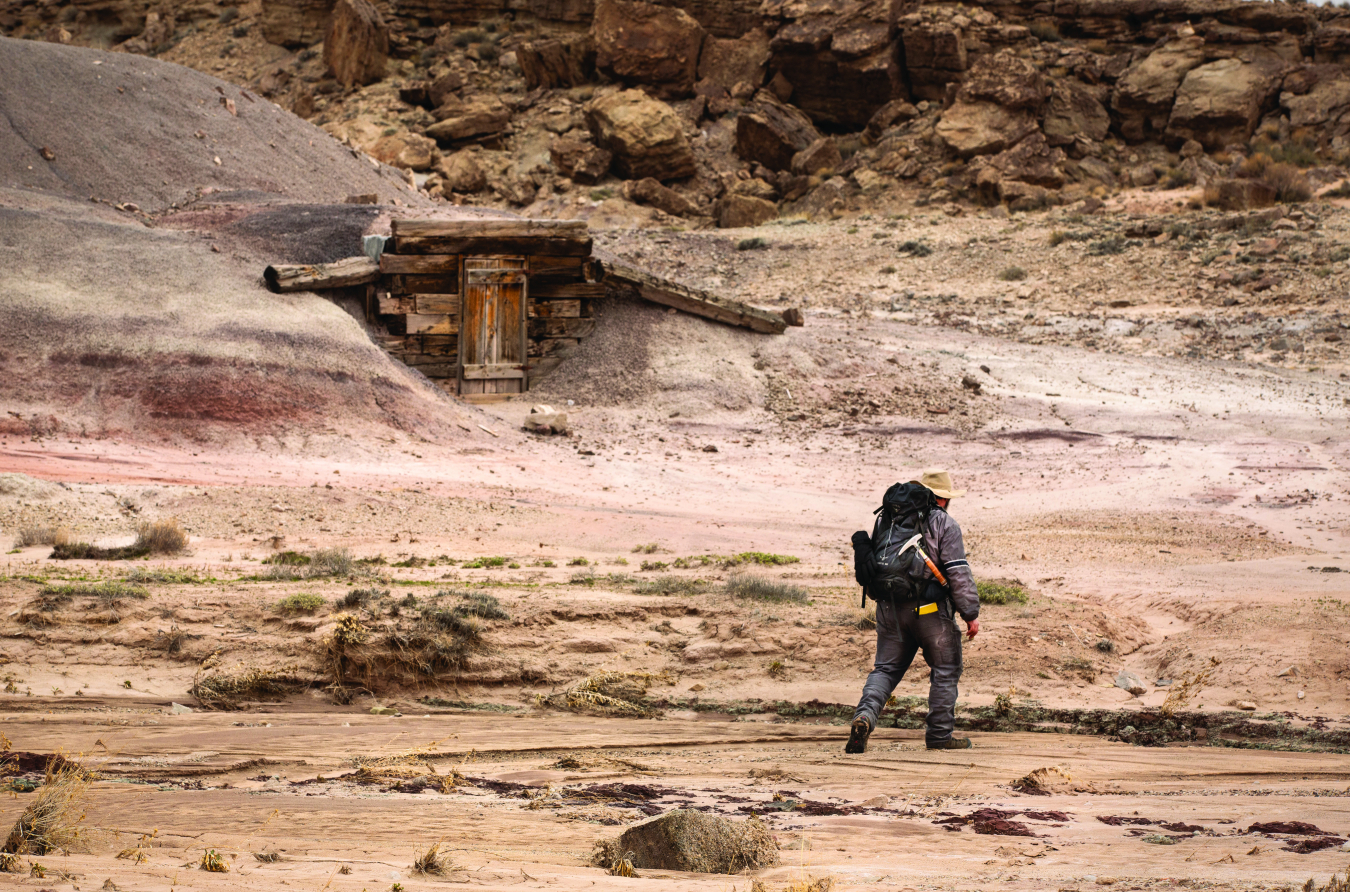 A DRUM team member approaching an abandoned uranium mine to survey its features.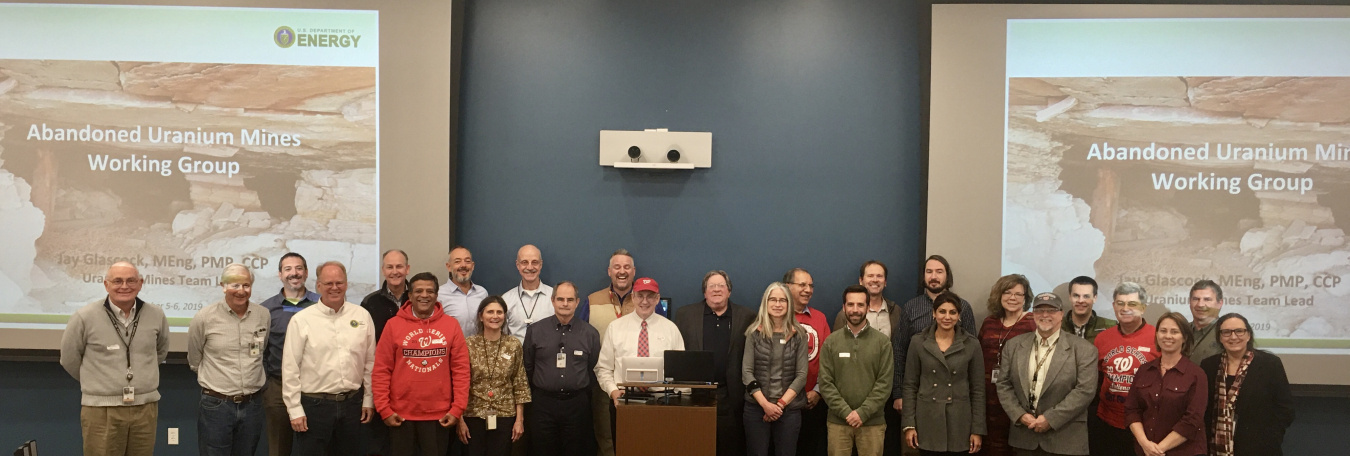
As part of its commitment to work with other federal agencies, LM participated in the Abandoned Uranium Mines Working Group (AUMWG). AUMWG was a consortium of federal agencies that met from 2015 to 2025 to address the human health, safety, and environmental challenges posed by the nation's abandoned uranium mines. By marshaling and leveraging the resources of multiple federal agencies, the group worked with states and tribes to identify and address high-priority mines in an effective and coordinated manner.
To submit information, questions, and comments:
Legacy Management Support Public Affairs
U.S. Department of Energy Office of Legacy Management
11035 Dover Street, Suite 600
Westminster, CO 80021
DRUMinfo@lm.doe.gov
(866) 559-8316