NNSA and Technology Transfer
The expansive scope of research and development activities across the National Nuclear Security Administration (NNSA) results in numerous innovative technologies that support the national security mission and that benefit the everyday lives of Americans. Technology transfer is the process by which knowledge, intellectual property, or capabilities developed at NNSA’s national security laboratories, plants, and sites are transferred to private industries, academia, and state or local governments. Technology transfer is a complex and iterative interaction of science and technology development, intellectual property law, and business practices. To ensure that technologies developed at the NNSA reach their maximum potential, technology transfer activities are led by the Technology and Partnerships Office (TPO) (NA-10.1). The technology transfer responsibilities of the TPO include:
- Developing innovative partnerships between private industry and the nuclear security enterprise to enhance stockpile supply chains, material integrity, and production capacity
- Overseeing the largest commercialization effort in the Federal government that transfers technologies developed with federal funding at the US nuclear security laboratories, plants, and sites into commercially available solutions that strengthen the US economy and contribute to continued economic security for the US
- Safeguarding against the exploitation by foreign entities of these technologies by developing and implementing practices on research security and by managing foreign engagements in technology transfer.
NNSA’s technology transfer activities are organized into four pillars:
- Invigorating American industry through the transfer of technology to and from the U.S. national security laboratories, plants, and sites
- Powering economic growth through the use of data analysis tools to evaluate the commercialization of U.S. laboratory research
- Increasing advantage over foreign competitors by maximizing American potential to capitalize on laboratory-generated commercialization opportunities
- Developing innovative partnerships between private industry and the nuclear security enterprise to enhance stockpile supply chains, material integrity, and production capacity
NNSA and its national laboratories, plants, and sites are mandated under the Stevenson-Wydler Technology Innovation Act of 1980, the United States Federal Technology Transfer Act of 1986, and the Bayh-Dole Act to participate and budget for technology transfer activities. Technology transfer has a large positive impact on business.
Economic Impact
Technology Transfer drives economic growth by strengthening global work force development and capabilities. A study was conducted assessing the nationwide economic impact of technology transfer spanning 20 years (2000-2020). Technology Transfer from the Nuclear Security Enterprise provided $156B in total economic impact nationwide, with $57B in total sales of new products and services, and $23B in sales of new products and services directly to the government. 615,692 jobs have been supported through tech transfer with an average yearly compensation of approximately $81,900.

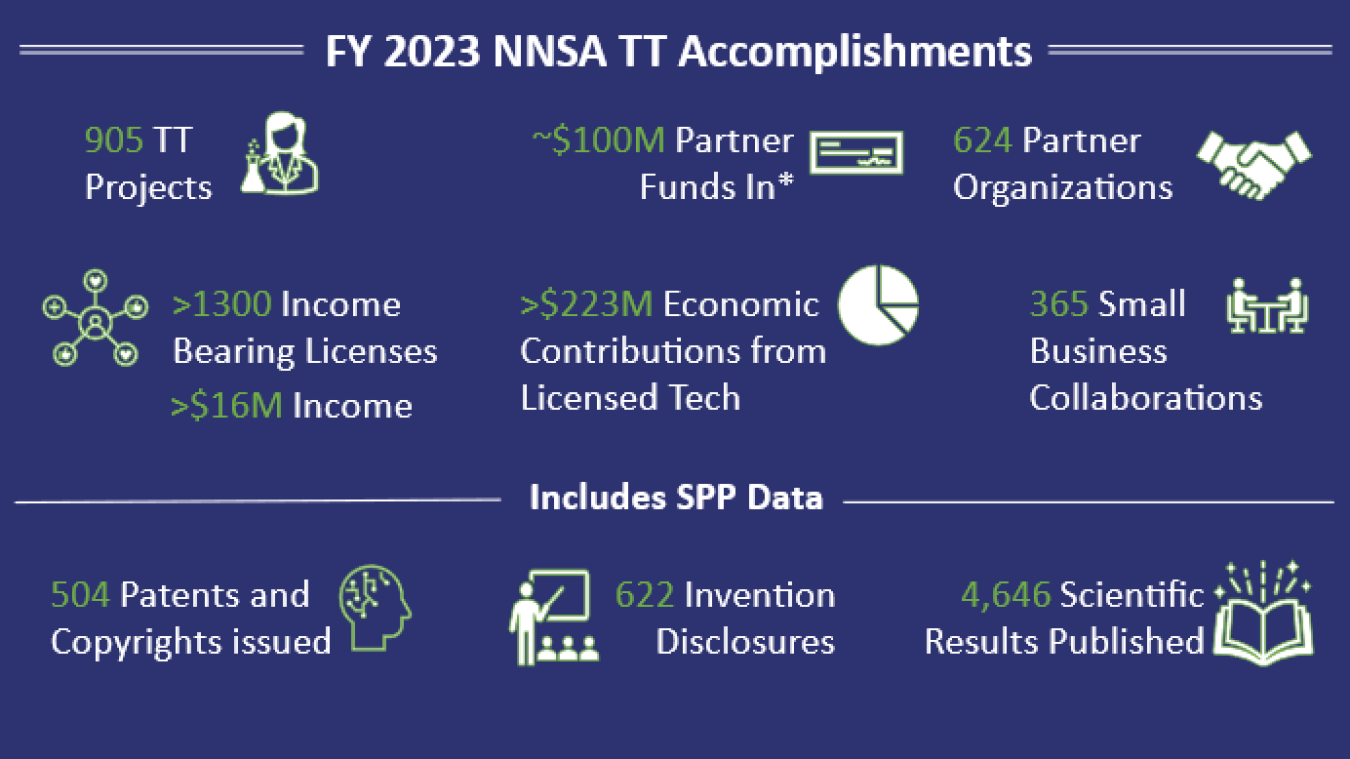
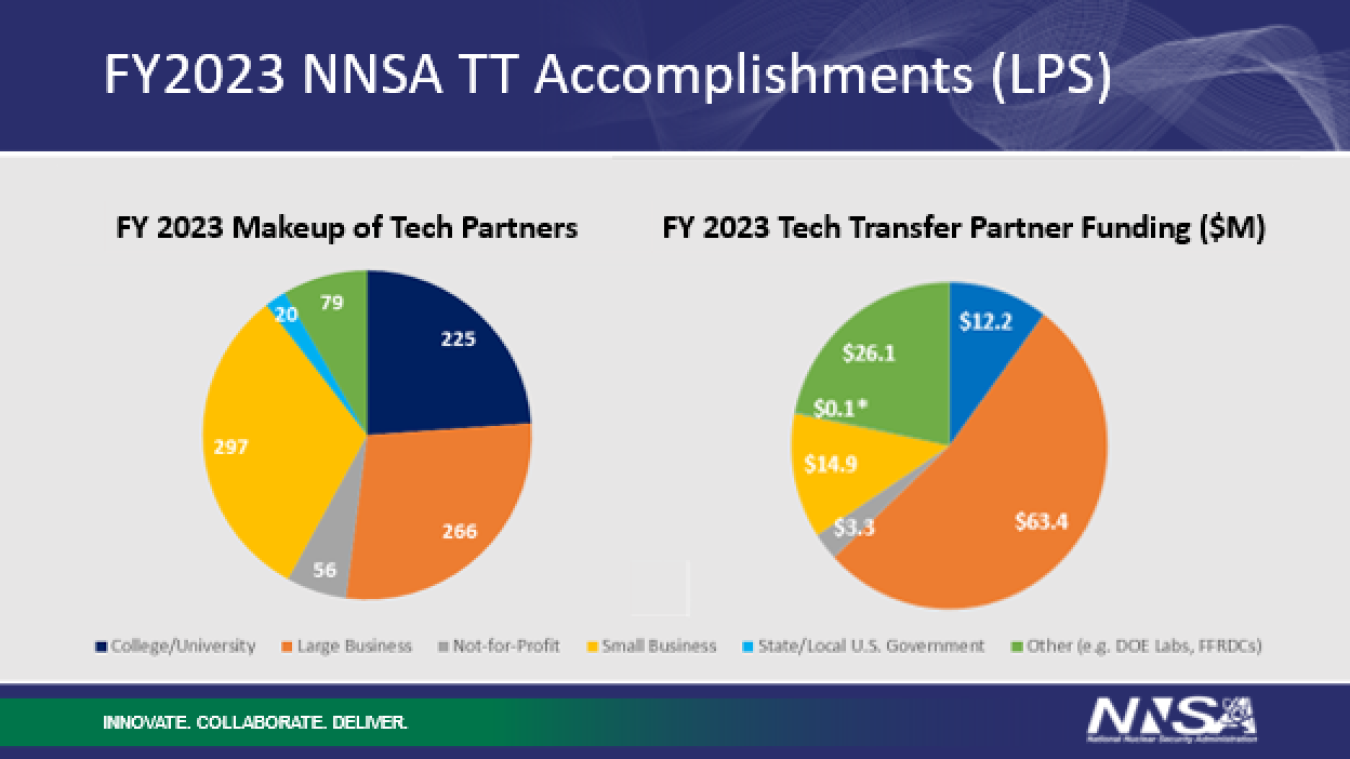
NNSA Technology Transfer Programs
The Department of Energy, Office of Technology Transfer (OTT) and the National Nuclear Security Administration have partnered with FedTech, LLC. to pair passionate entrepreneurs with the latest developments in technologies from the national laboratory network. Teams of entrepreneurs are faced with the challenge of launching their own tech-focused ventures for the technology with which they are paired by using the lean startup model to explore the viability and pathways to commercialization of a specific technology. Entrepreneurs in this program receive business development advice and experience and networking opportunities with the government. The technologies with which the entrepreneurs are matched are at the forefront of innovation and have the potential to advance the economic, energy, and national security interests of the United States. Numerous technologies are evaluated and given a thorough assessment based on their technology readiness level (TRL) and their market viability before teams of entrepreneurs are selected.
Through the evaluation of previous participants in the program, it is recognized that entrepreneurs were limited to the business aspect of technology transfer. We have resolved this issue by selecting technologies that are of higher TRL and that have a greater potential for commercialization. Teams of entrepreneurs from the Emerging Tech Studio Program have proven that the technologies from the laboratories are multi-purpose technologies that can have multitudes of commercialization potential by obtaining licenses from outside entities.
The objective of the Technology Maturation Grant Program is to facilitate technology transfer’s connection to stockpile stewardship. To do this, investments are made to mature early-stage technologies that are beneficial to the stockpile and that have commercial value to increase the likelihood of the technology returning to the national security enterprise after the commercial market has further developed this product.
Throughout the process of the invention of new technologies there are unseen challenges that present themselves, and these often come during the times of low TRLs. Initial investments into science and technologies are funded at the laboratories, plants, and sites by Laboratory/Plant/Site Directed Research and Development (LDRD/PDRD/SDRD) funding. Some of the technologies are not selected for further programmatic funds yet can have value to the stockpile. With the Technology Maturation Grant Program in place, the NNSA gives an opportunity for these inventions to make it past the “valley of death”. The technologies chosen for this grant must directly benefit NNSA’s Defense Programs and must have an endorsement from the laboratory Technology Transfer Office for commercialization value, with the desire that this technology can be further developed in the commercial space. The technologies that are chosen are awarded funding for their project and are able to work with other project teams in the NNSA Technology Transfer Program. Throughout the duration of the project, the awardees are required to produce quarterly progress briefings and updates.
Energy I-Corps is a 2-month, immersive training for researchers and industry mentors during which they define technology value propositions, conduct stakeholder discovery interviews, and develop viable market pathways for their technologies. In the process, these researchers and industry mentors return to the laboratories to create a market-aware culture and to provide a framework for industry engagement. By training national laboratory researchers, they gain a better understanding of the commercialization process and private sector needs. This, in turn, increases the number of national-laboratory-developed technologies that are transferred into commercial development and industry agreements.
The Technology Innovation Partnership Program (TIPP) is an opportunity for any university with a technology commercialization/law principles program to partner with NNSA to utilize NNSA laboratory technology as a case study and, in return, any commercialization plans developed by the university are provided back to the originating laboratory. NNSA has partnered with the Emory University School of Law to provide laboratory technologies as case studies for their TI:GER Program. The TIPP Program brings together the four main principles of technology start up projects: law, business, science, and engineering. Graduate students are brought together from these different educational disciplines to work on start-up projects in an effort to transform high-potential research into economically viable products. As the structure of the program combines classroom instruction, team-based activities, and externships, students receive practical, hands-on experience. Students also are able to view the transformation from research to a start-up from a multidisciplinary approach, helping them expand their teamwork abilities and exposing them to top executives, entrepreneurs, and attorneys. Each TIPP team that is assembled is paired with a business mentor, an attorney mentor, and a professor from Emory Law while taking program courses. This program is highly competitive with only 12-18 students per year. This program builds familiarity with the NNSA and supports students working on technology transfer for the NNSA in the future.
New Mexico LEEP’s two-year fellowship connects deep tech entrepreneurs with cutting-edge talent and technology at Los Alamos National Laboratory (LANL) and Sandia National Laboratories (SNL). This unique program matches fellows with seed capital and a broad network of mentors, customers, and investors. The fellowship provides mutually beneficial projects for both labs and fellows engaging as cooperative research and development agreement (CRADA) partners to gain additional capabilities through the collaborations. In addition, the program facilitates supply chain opportunities for NNSA labs through the development of products that directly support programmatic needs. New Mexico LEEP empowers entrepreneurs with resources, expertise, and connections to drive innovation and economic growth.
Technology Transfer Key Projects
- Image
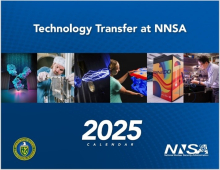
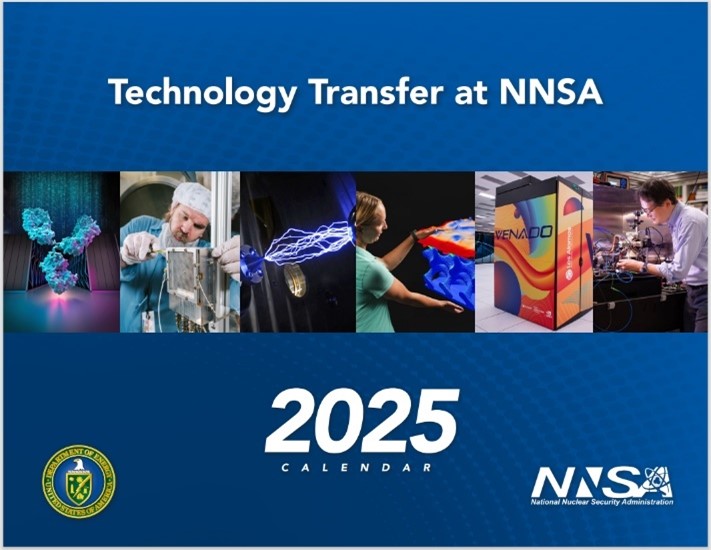
Each year the NNSA produces the Tech Transfer Calendar, which highlights the strategic technology transfer initiatives at the supported labs plants and sites. The calendar outlines key events, milestones, and opportunities for collaboration throughout the year. The associated technologies have revolutionized the lives of the American people and have provided great impact to the global community. Several groundbreaking technologies developed withing the nuclear security enterprise are highlighted in this calendar.
- Image
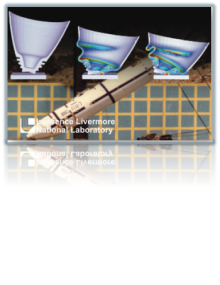
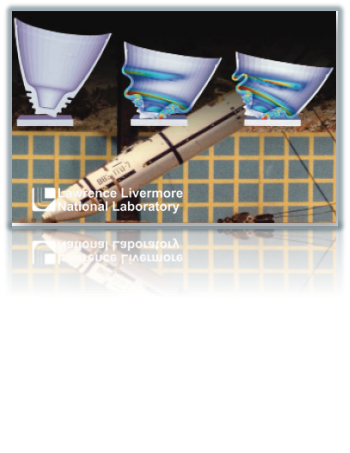
The objective of TT4M is to better align technology transfer investments to provide potential solutions to emerging challenges in stockpile requirements. Through TT4M, innovative technologies or companies with relevant expertise address specific gaps in capabilities, while national laboratories leverage their in-house capabilities to support early-stage development. Supported labs, plants and sites dedicate expertise and established relationships with external companies that help mitigate technology and production challenges, specifically supply chain assurance, materials at risk, and production capacity. NNSA creates market analyses and shares these insights to facilitate strategic investments that align with Defense Programs mission priorities.
- Image
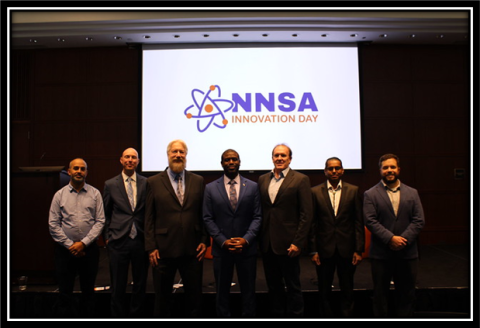
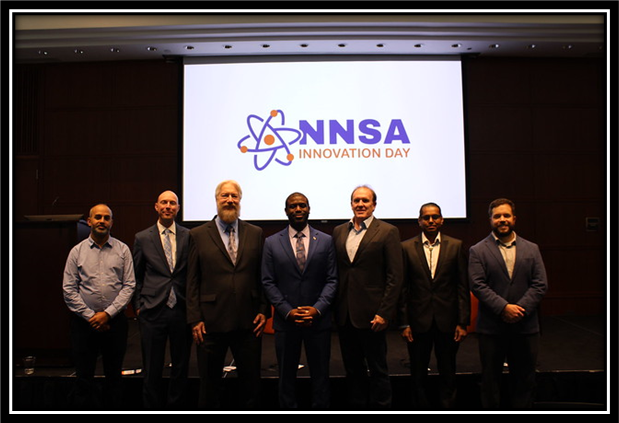
NNSA successfully hosted its inaugural Innovation Day on October 8, 2024, launching a forward-thinking initiative designed to strengthen engagement with small businesses, industry leaders, and technology innovators. This bi-annual initiative will continue to serve as an ongoing platform to highlight breakthrough capabilities, share insights on emerging trends and guide the direction of future focused solutions through direct engagement with the NNSA.
The 2024 showcase featured 6 groundbreaking technologies:
- Cognitive Hybrid Radio Waveform for High-Reliability, Secure Wireless Communications
- Photonic Encryption and Network Interconnect for Quantum Computing
- The Nano-Satellite Atmospheric Chemistry Hyperspectral Observation System (NACHOS)
- Multi-Cationic Aluminate Catalysts for the Conversion of Natural Gas
- High Silicon Electrical Steel Alloys using Directed Energy Deposition
- Neural Implants
Building on the success of the first event, NNSA will continue to seek insights into emerging technology trends and leverage their rigorous Technology Maturation process to unveil and highlight key breakthrough capabilities, including Renewable Energy, Integrated Sensing & Cybersecurity, and Human-Machine Interfaces. Industry experts are able to impact the direction of these technologies, ensuring that NNSA’s collaborative efforts align with market demands and contribute to the development of resilient, future-proof solutions. The next Innovation Day is scheduled to take place in the Bay Area in 2026!
- Image
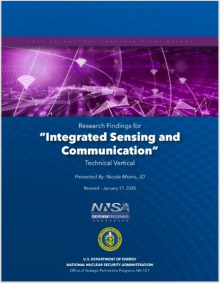
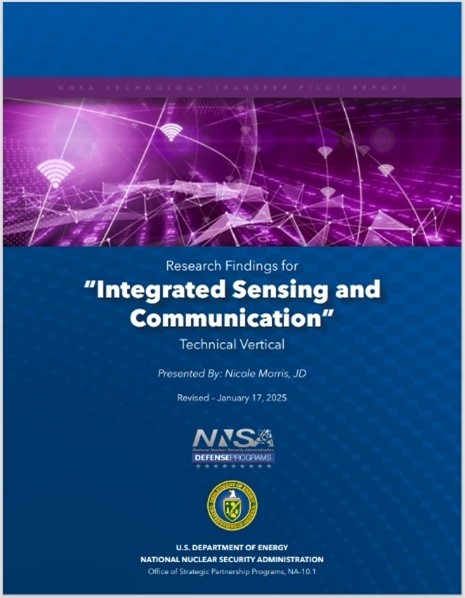
Commercialization reports (PILOT reports) provide a detailed analysis of different technologies, highlighting market applications and strategies. These reports focus on capturing specific market information to aid Business Development Executives (BDEs) in their decision-making strategies related to product launch.