



NNSA removed the last highly radioactive source in the country, eliminating radiological risks and strengthening American and global security.
National Nuclear Security Administration
April 15, 2026 Estimated Read Time min
Global Radiological Security Gets a Boost with the Removal of the Country’s Last Cobalt-60 Source
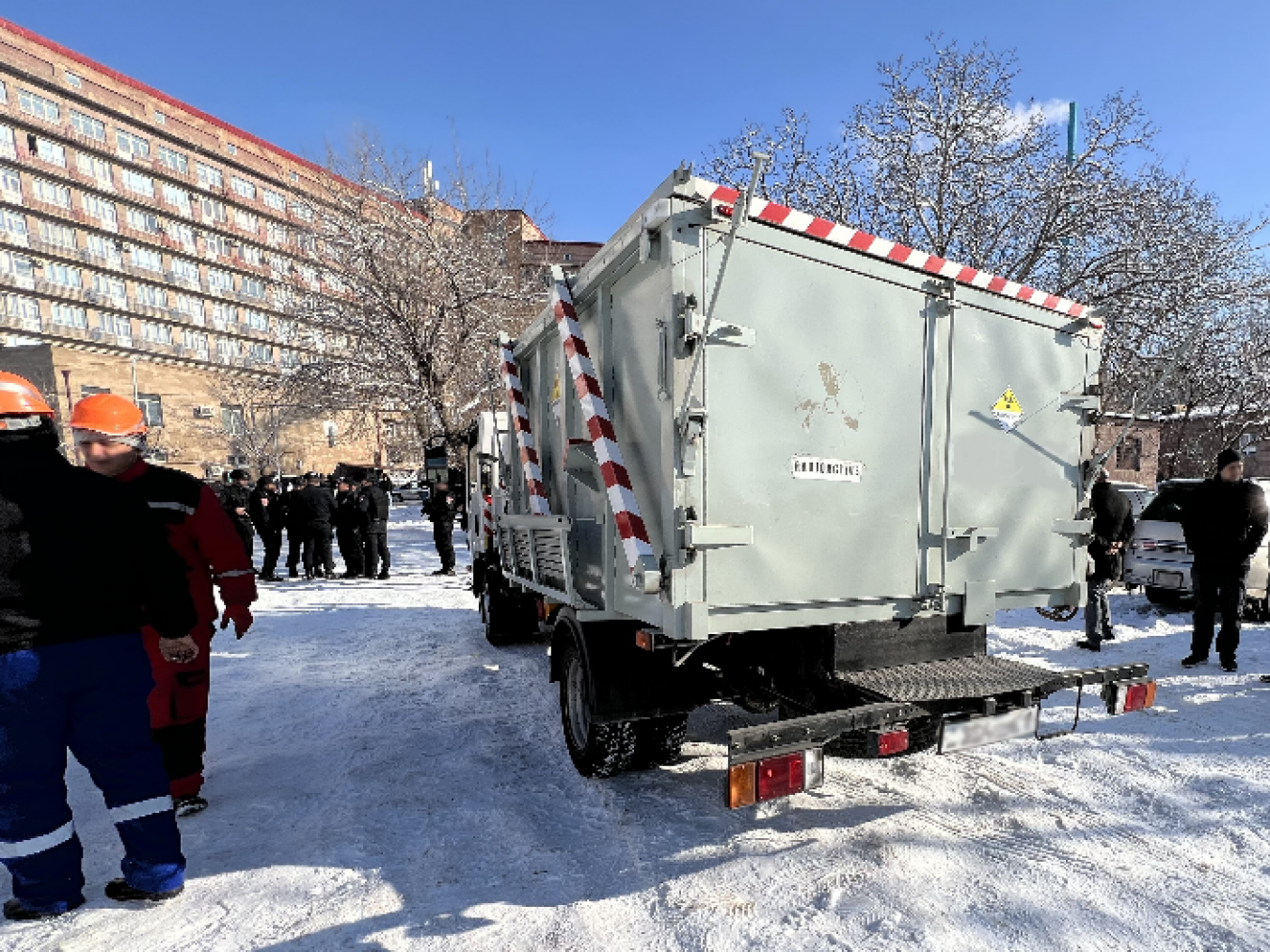
WASHINGTON – The U.S. Department of Energy’s National Nuclear Security Administration (NNSA) partnered with Armenia to remove its last cobalt-60 source, resulting in the cleanout of all highly radioactive material from the country. It marks an important milestone in NNSA’s mission to enhance U.S. security by eliminating global radiological risks.
Used for applications like treating cancer, irradiators are a widely used tool in modern medicine. However, these irradiators can contain high-activity radioactive materials like cobalt-60 and cesium-137, which can pose a serious risk if stolen and used to produce a “dirty bomb.” Alternative technologies like linear accelerators offer a safer, more secure, and in many cases, more effective means of meeting medical and commercial needs. For the Armenia removal, the final Co-60 source was replaced with linear accelerators purchased by the Armenian partner.
“Replacing cesium and cobalt irradiators with modern linear accelerators permanently retires the risk of radioactive material falling into the wrong hands,” said Matthew Napoli, Deputy Administrator for NNSA’s Office of Defense Nuclear Nonproliferation. “NNSA is the world leader in enhancing radiological security, and our partnership with Armenia sets the standard for international cooperation.”
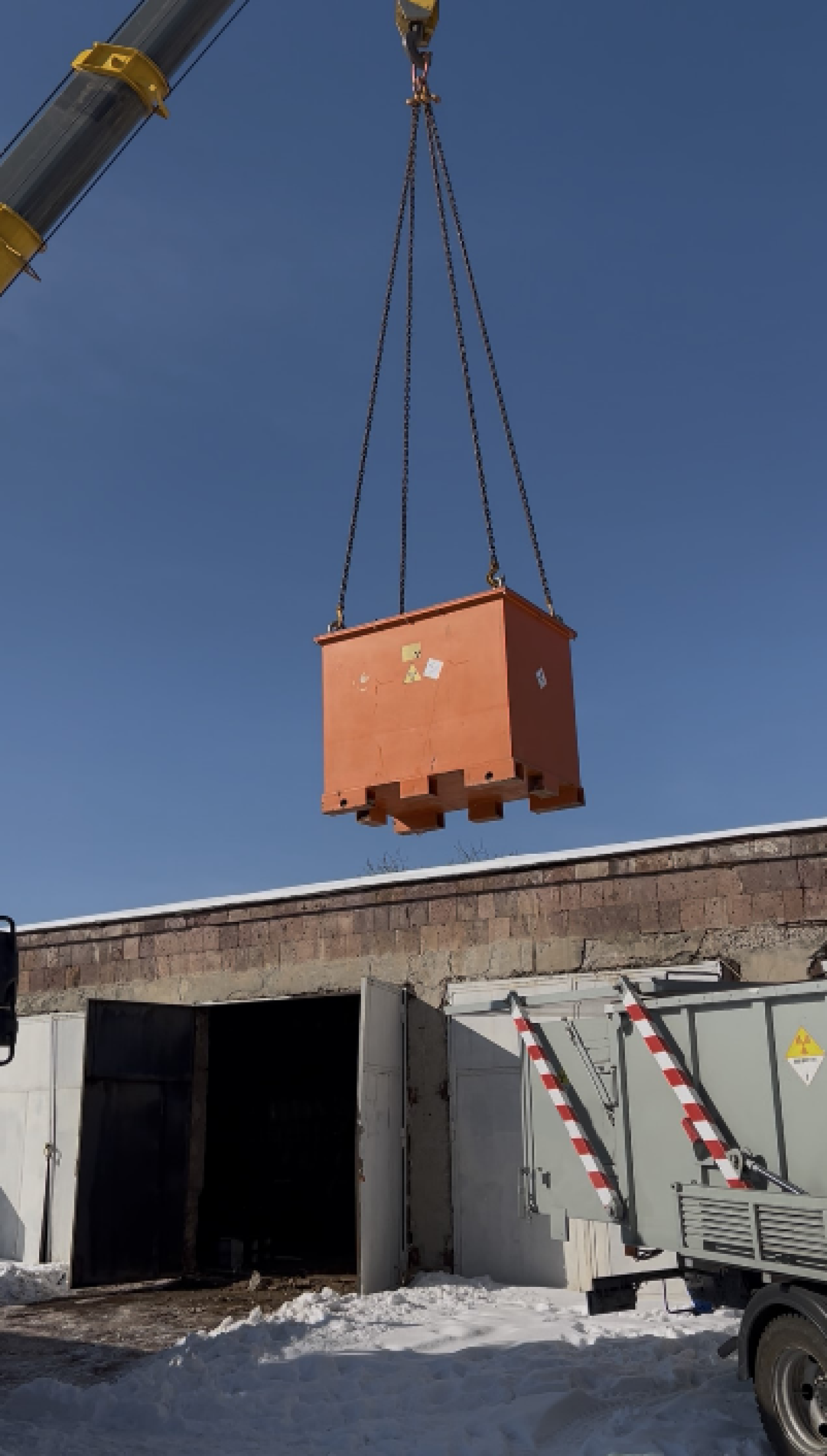
Earlier this year, NNSA worked together with the Armenian Nuclear Regulatory Authority (ANRA) to remove the cobalt-60 source from the Fanaryan National Center of Oncology in Yerevan, Armenia. The mission was jointly funded and executed by the United States and Armenia, with NNSA providing subject matter expertise and secure transportation and the Armenian counterparts paying for the disassembly and packaging of the source, crane operations, and security during the removal.
“This successful removal is a testament to the power of how shared responsibility can lead to lasting impact on global radiological security,” said Khachatur Khachikyan, Acting Chairman of ANRA. “We are grateful for our partnership with NNSA to protect not only our facility and country, but also the rest of the world from radiological threats.”
Over the course of the long-standing partnership between America and Armenia, NNSA has helped remove eight radioactive sources, eliminating risks and bolstering global security.
NNSA’s Office of Radiological Security (ORS) enhances U.S. and global security through a two-pronged approach of eliminating risk by removing high-activity radioactive material and preventing adversaries from acquiring this material through strong industry, law enforcement, and government partnerships. These efforts safeguard American interests and promote a safer and more secure America.