



The NNSA-Texas A&M AgriLife Research partnership is moving things along on the treatment of environmental materials. Electron beam technology offers a safer way to process what's in wastewater, serving the environment and national security.
National Nuclear Security Administration
March 20, 2026 Estimated Read Time min
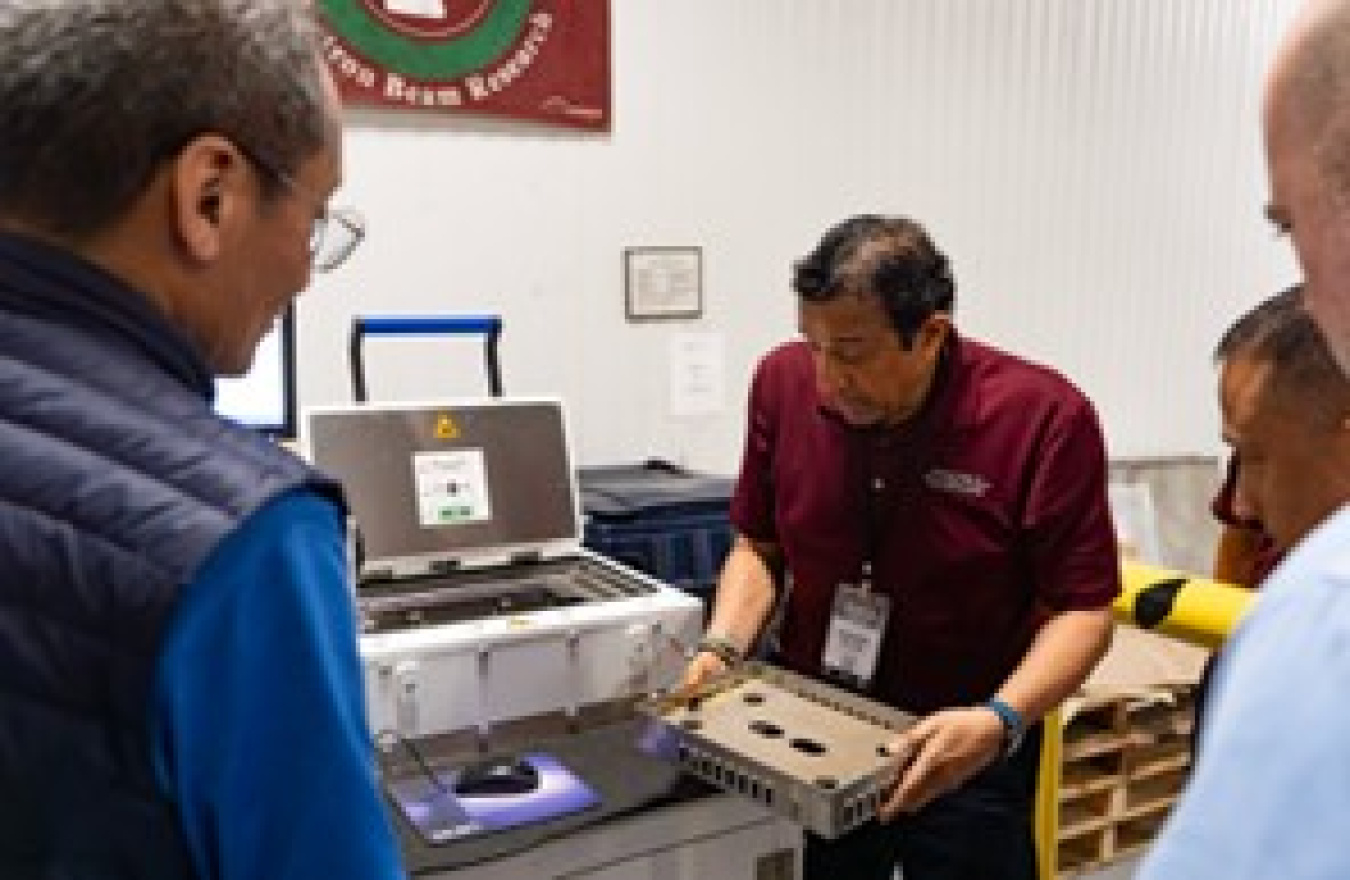
NNSA’s Office of Radiological Security (ORS) has partnered with Texas A&M AgriLife Research to promote the use of electron beam technology (eBeam) to combat potential environmental threats in the United States, enhancing U.S. national security and making our communities safer.
The environmental industry often uses high-activity radioactive material like cobalt-60 to protect public health by treating sewage sludge and toxic chemicals. However, this radioactive material can pose a serious risk if stolen, as it can be used to create “dirty bombs.” ORS is working with partners across the globe to prevent this from happening.
One strategy ORS is using on this mission is promoting more secure technologies like eBeam. NNSA is collaborating with Texas A&M’s National Center for Electron Beam Research (NCEBR), through the AgriLife Research program, to advance eBeam use for environmental applications.
“With the help of Texas A&M, NNSA is mitigating threats that directly impact the health and safety of Americans across the country,” said Christine Bent, Assistant Deputy Administrator for Global Material Security. “This critical partnership with Texas A&M AgriLife Research experts helps to build safer and stronger communities by advancing the use of eBeam and reducing the need for radioactive sources.”
In the environmental industry, the pre-treatment of sewage sludge is an essential function that protects U.S. citizens from harmful bacteria and pollutants. Cobalt-60 is one treatment option being used, but it comes with a radiological security risk. Through a recent NNSA-led study, NCEBR researchers found that using eBeam to treat sludge outperformed radioactive material, leading to better results and eliminating the risks associated with handling radioactive materials.
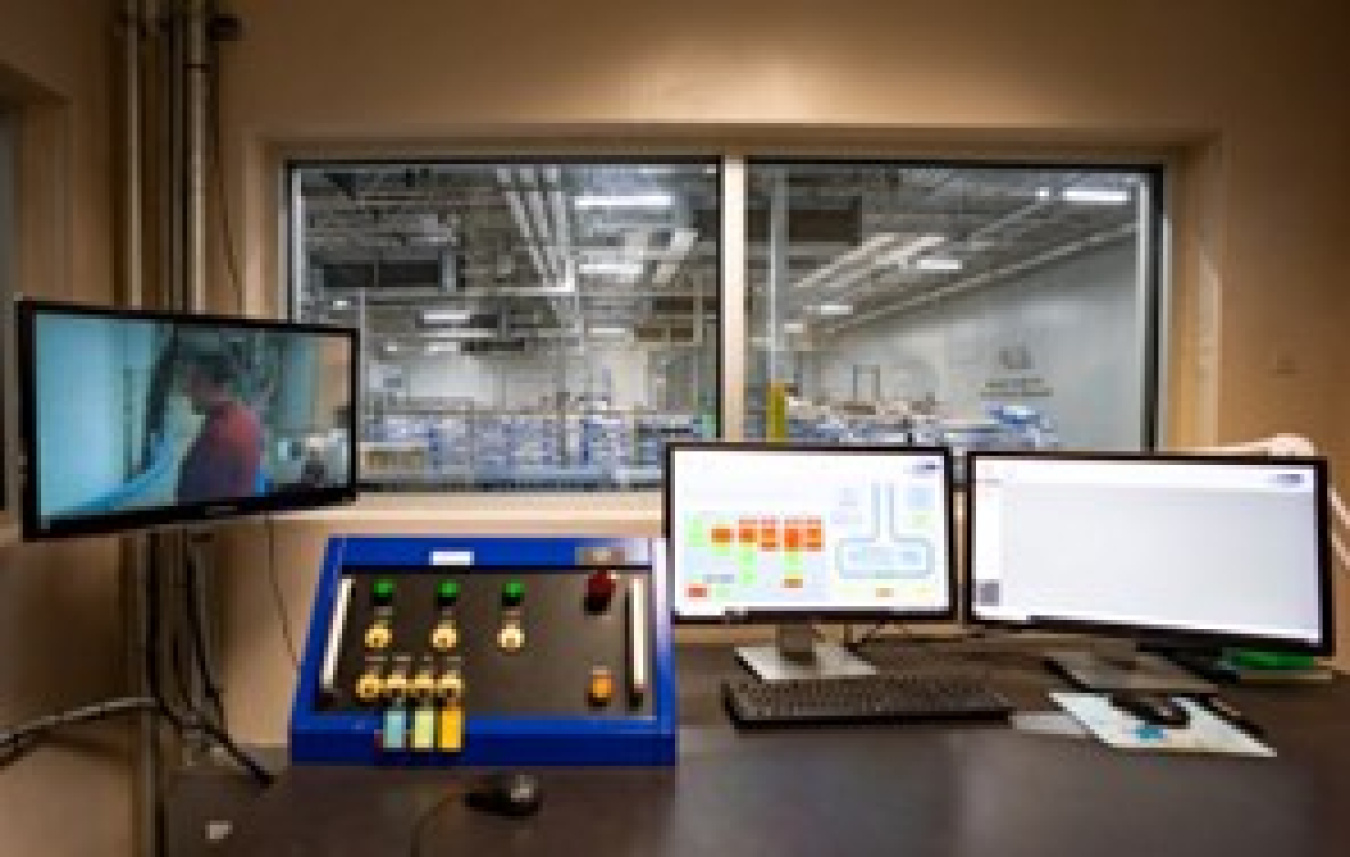
With NNSA support, the NCEBR also promotes the use of eBeam technology to degrade per- and polyfluoroalkyl (PFAS) substances, also known as “forever chemicals.” PFAS contamination can lead to health problems, but eBeam can degrade or even destroy some PFAS types, greatly reducing the risk to communities across the nation.
“We are honored to have a role in supporting NNSA’s mission to strengthen U.S. national security,” said Dr. Suresh Pillai, Director of NCEBR at Texas A&M. “Environmental hazards can contaminate our water, damage soil, and harm our community, but with the support of NNSA, we can further innovative research to combat these threats.”
ORS works to reduce the reliance on high-activity radioactive material, decreasing the risk to public health across the country while strengthening national security. By promoting eBeam use, the risk of U.S. communities being contaminated with radiation is also eliminated.
“We have held a longstanding partnership with Texas A&M, promoting innovative eBeam research in critical industries like agriculture and medical device sterilization to advance national security,” said Kristin Hirsch, Director of ORS. “Through the strength of our partnerships with academic institutions like Texas A&M, government entities, and businesses across the country, NNSA is unwavering in our commitment to protect the United States.”
ORS enhances U.S. and global security through a two-pronged approach of eliminating risk by removing high-activity radioactive material and preventing adversaries from acquiring this material through strong industry, law enforcement, and government partnerships. These efforts safeguard American interests and promote a safer and more secure America.
To learn more about ORS and how you can keep your community and country safe, please contact: ORSinfo@nnsa.doe.gov.
“With the help of Texas A&M, NNSA is mitigating threats that directly impact the health and safety of Americans across the country.”
Christine Bent, NNSA Assistant Deputy Administrator for Global Material Security.