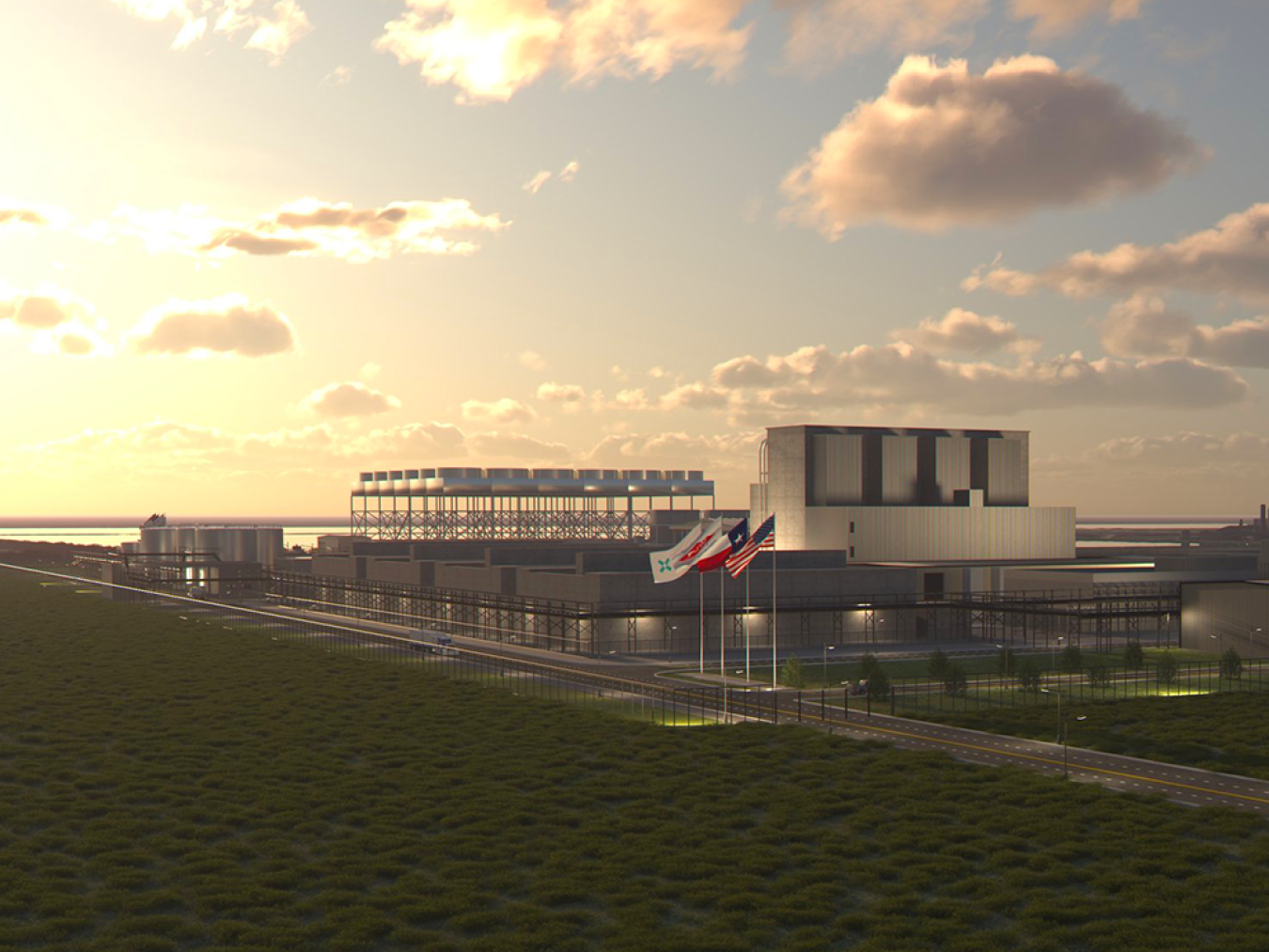
President Trump’s game-changing executive orders breathed new life into the American nuclear sector in 2025, putting the nation on the path to a nuclear energy renaissance.
January 26, 2026 Estimated Read Time min
Could 2025 go down as one of the biggest years in U.S. nuclear energy history?
President Trump’s game-changing executive orders breathed new life into the American nuclear sector in his first year in office, putting the nation on the path to a nuclear energy renaissance.
The past 12 months saw unprecedented investment in advanced reactor development, bold efforts to remove regulatory barriers, new life for retired nuclear plants, and major strides in securing our nuclear fuel supply chain.
Here are 8 BIG wins in the first year of the Trump Administration that gave the U.S. nuclear energy industry huge momentum heading into Year 2:
1. Executive Orders Reshape Nuclear Energy
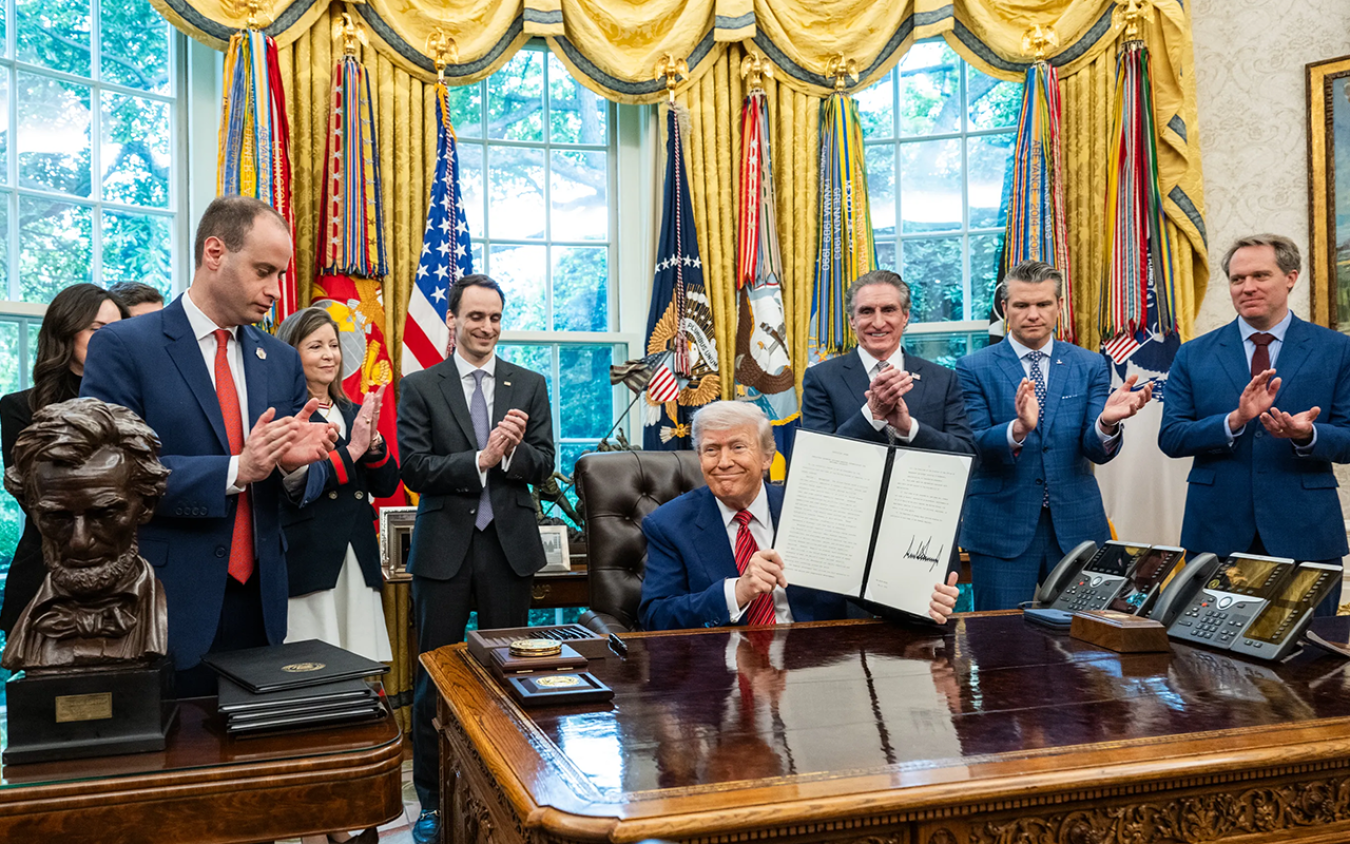
In May 2025, President Trump announced four transformational executive orders aimed at reinvigorating America’s nuclear energy industry. The orders laid out a plan to modernize nuclear regulation, streamline nuclear reactor testing, deploy nuclear reactors for national security, and reinvigorate the nuclear industrial base.
The U.S. Department of Energy (DOE) immediately put those orders into action and delivered a string of nuclear energy wins, following through on the president’s vision for unleashing American energy and continuing our nation’s dominance as the world’s nuclear energy leader.
Highlights included:
Accelerating Advanced Reactor Deployment
The executive orders emphasized the urgency of deploying advanced reactors to meet the nation’s growing demand for reliable energy. In response, DOE created its Reactor Pilot Program to provide a pathway to accelerated deployment of advanced reactor demonstrations. It selected 11 projects to pilot their designs through this new pathway, with the goal of at least three reactors reaching criticality outside of the national laboratories by July 4, 2026.
Fueling the Nuclear Energy Renaissance
In order to support this new surge of advanced reactor development, the Trump Administration also took action to strengthen our domestic supply chains for nuclear fuel. DOE established a Fuel Line Pilot Program in July 2025 to enable U.S. companies to develop fuel production lines and end America’s reliance on foreign sources of enriched uranium and critical materials. Five companies were selected to tackle this essential piece of the nuclear energy renaissance. The Department also established a consortium under the Defense Production Act to address supply chain issues that affect the domestic nuclear fuel cycle by collaborating with industry in ways that have previously been impossible.
Powering AI Data Centers
Secretary Wright has called U.S. AI and energy leadership “the next Manhattan Project.” With its roots in the original Manhattan Project, DOE is poised to play a central role once again through the Genesis Mission. The Department announced that it will be opening up its land assets, including Idaho National Laboratory, for the deployment of AI data centers and energy infrastructure in support of the Trump Administration’s goals of utilizing federal lands to lower energy costs and help power the global AI race.
Using Surplus Plutonium
In response to the May executive orders, DOE plans to establish a program for potentially making surplus plutonium materials available to industry for advanced nuclear technologies. DOE issued a request for applications (RFA) in October, seeking applicants from commercial companies with interests to convert surplus plutonium (around 19.7 metric tons) into fuels for advanced nuclear reactors. The RFA closed in December 2025. DOE is expected to announce selection in early 2026.
2. Building a Nuclear Fuel Supply Chain
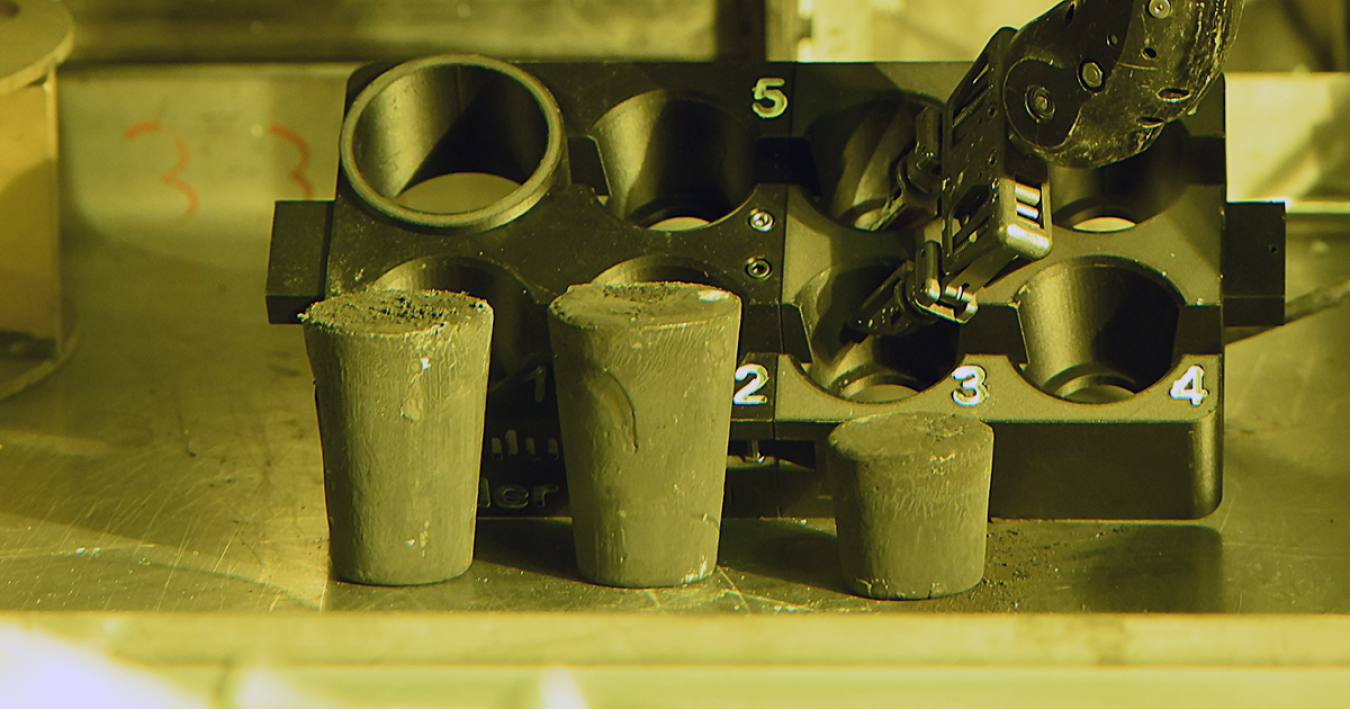
In addition to the new Fuel Line Pilot Program, the past year saw tremendous progress in building out domestic supply chains for low enriched uranium (LEU) and high-assay low-enriched uranium (HALEU) — a crucial fuel source required by most advanced reactor designs.
In January 2026, DOE capped off a productive year with $2.7 billion awarded to boost domestic uranium enrichment in support of the U.S. nuclear industry. The announcement provided $900 million contracts to three companies to provide LEU and HALEU services over the next 10 years.
This historic investment will enhance the nation’s energy security and reduce reliance on foreign suppliers by expanding our capacity for LEU and HALEU.
DOE also awarded up to $28.5 million to continue advancing next-generation uranium enrichment technology for the nuclear fuel cycle. Additionally, $11 million was awarded for HALEU transportation packages to develop long-term, economical solutions for the transportation of HALEU.
In 2025, the Department made conditional commitments to distribute the first-ever amounts of HALEU to eight U.S. nuclear developers to meet their near-term fuel needs.
Centrus Energy Corp also announced the production of nearly one metric ton of HALEU in June, marking a key milestone in DOE’s HALEU Demonstration project to establish a reliable supply of U.S.-made advanced reactor fuel.
Elsewhere, the U.S. nuclear industry made major strides in developing, testing, and constructing facilities for the production of next-gen reactor fuels:
3. Unleashing American-Made SMRs
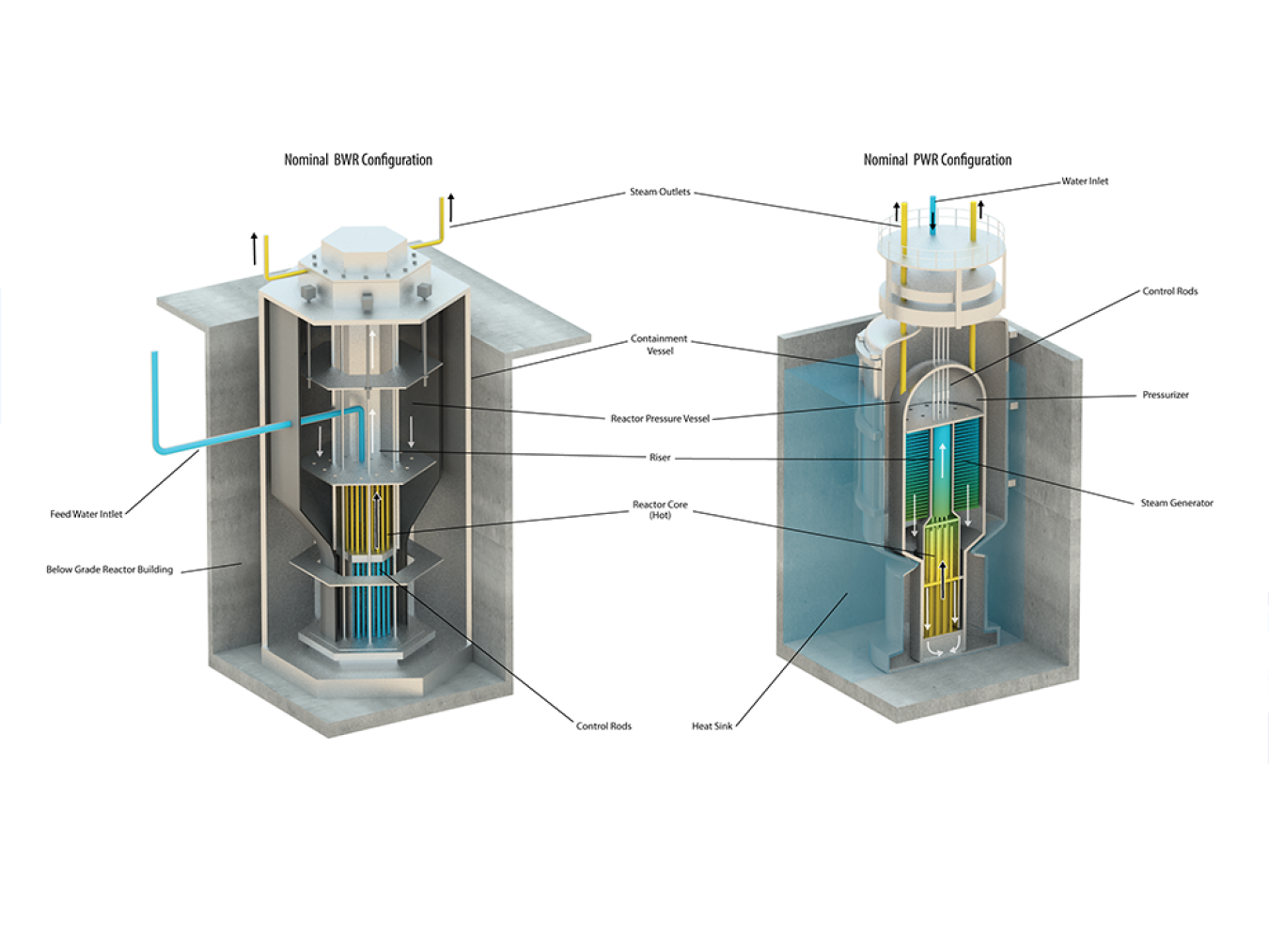
In December 2025, DOE announced the selection of the Tennessee Valley Authority (TVA) and Holtec Government Services to support early deployments of advanced light-water small modular reactors (SMRs) in the United States. The project teams will receive up to a combined $800 million in federal cost-shared funding to advance initial projects in Tennessee and Michigan.
These so-called “Gen III+” SMRs are smaller, manufactured versions of large-scale reactors typically ranging from 50 to 350 megawatts of electric power. The funding will help deliver new nuclear generation in the early 2030s and provide more affordable, reliable and secure energy that will strengthen our domestic nuclear industry and encourage future follow-on reactor projects.
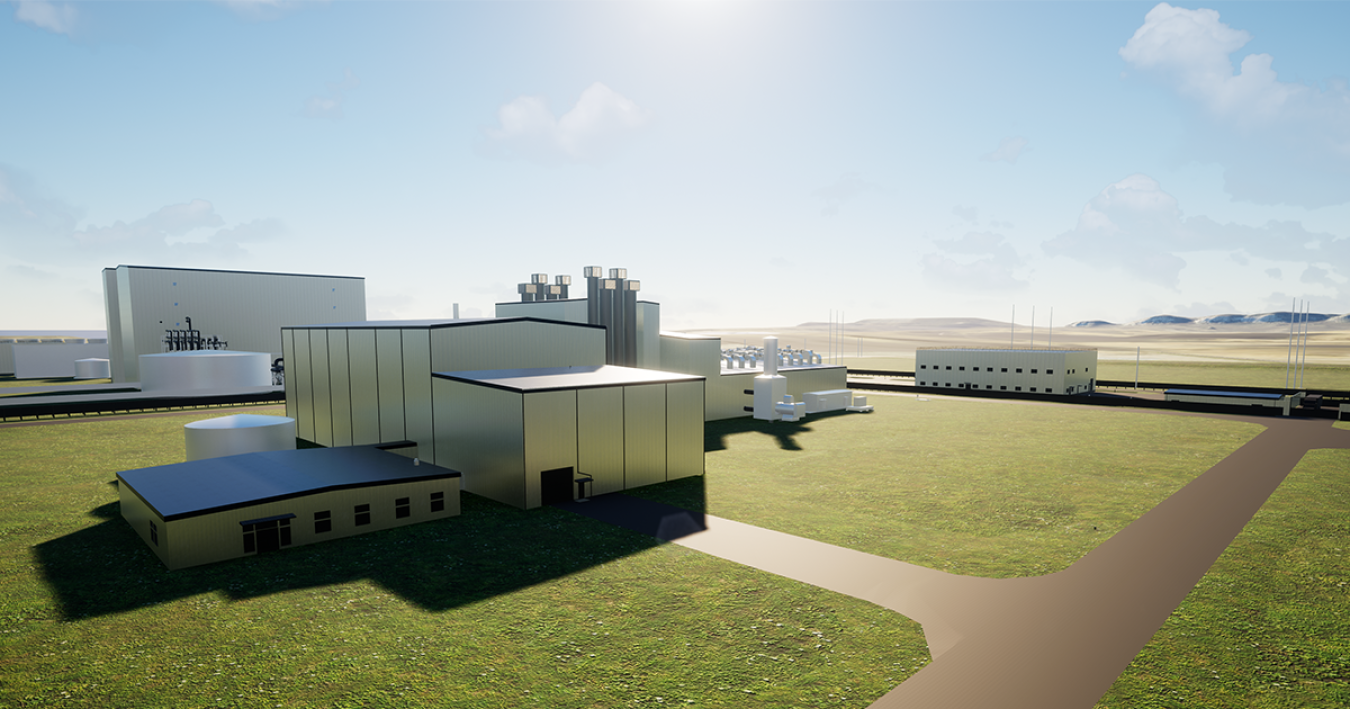
4. Advanced Reactors Forge Ahead
There was a flurry of activity in the world of advanced reactor licensing and development in 2025, including historic milestones for projects supported by DOE’s Advanced Reactor Demonstration Program.
The Nuclear Regulatory Commission (NRC) also completed its final safety evaluation for TerraPower’s Natrium sodium fast reactor project in Kemmerer, Wyoming, nine months ahead of schedule and 11% under budget. The evaluation found no safety concerns that would preclude issuing the construction permit.
The NRC docketed construction permit applications from Dow for an X-energy Xe-100 reactor in Seadrift, Texas, and from TVA for a GE-Hitachi BWRX-300 reactor in Oak Ridge.
Kairos Power began nuclear construction on its Hermes Low-Power Reactor in Oak Ridge, Tennessee, in May. Kairos also installed the reactor vessel for its third Engineering Test Unit to help inform the design of Hermes, which will lay the groundwork for the company’s commercial fluoride salt-cooled high temperature reactor.
And two of the projects supported through DOE’s Advanced Reactor Concepts (ARC-20) awards — General Atomics and MIT — finalized the conceptual designs for their reactors.
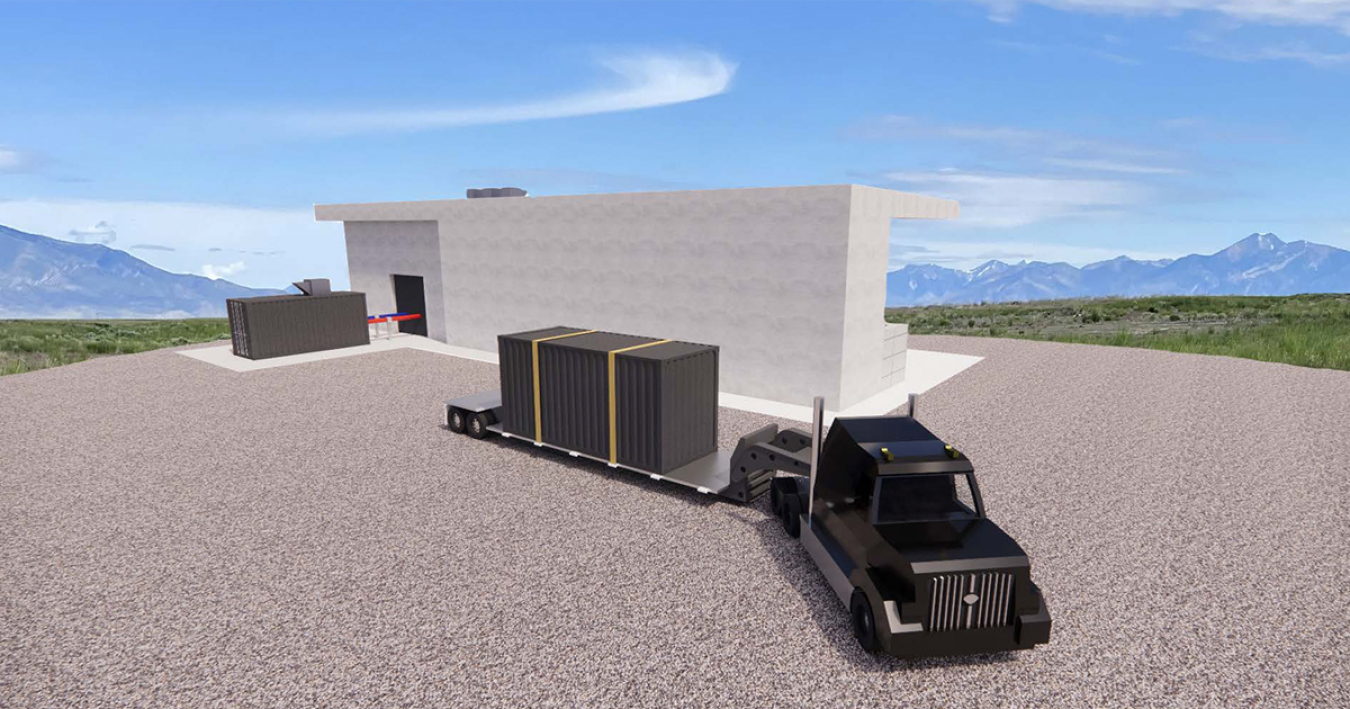
5. INL Leads the Way on Microreactors
Some of the most exciting developments in microreactor research and demonstration are happening at Idaho National Laboratory (INL).
DOME
One big win for microreactors in 2025 was the progress made on DOME, the world’s first microreactor test bed at INL. In July, DOE announced conditional selections for the first tests in DOME. Radiant is currently on track to be the first company to test its Kaleidos reactor experiment at the facility in 2026.
MARVEL
INL’s MARVEL project is developing a sodium-potassium-cooled microreactor designed to test microreactor applications and explore a wide range of use cases. In December the lab selected the first five teams to develop plans for testing their experiments with MARVEL, including desalination, advanced sensing, and an AI data center.
Project Pele
The delivery of advanced nuclear fuel to INL in November marked a major milestone for Project Pele, a first-of-its-kind mobile microreactor prototype designed to provide resilient power for military operations. The project is led by the Department of War’s Strategic Capabilities Office in partnership with BWXT, DOE, and INL and will help inform the Army’s Janus Program, which aims to deploy a demonstration microreactor power plant on a U.S. military installation by 2030.
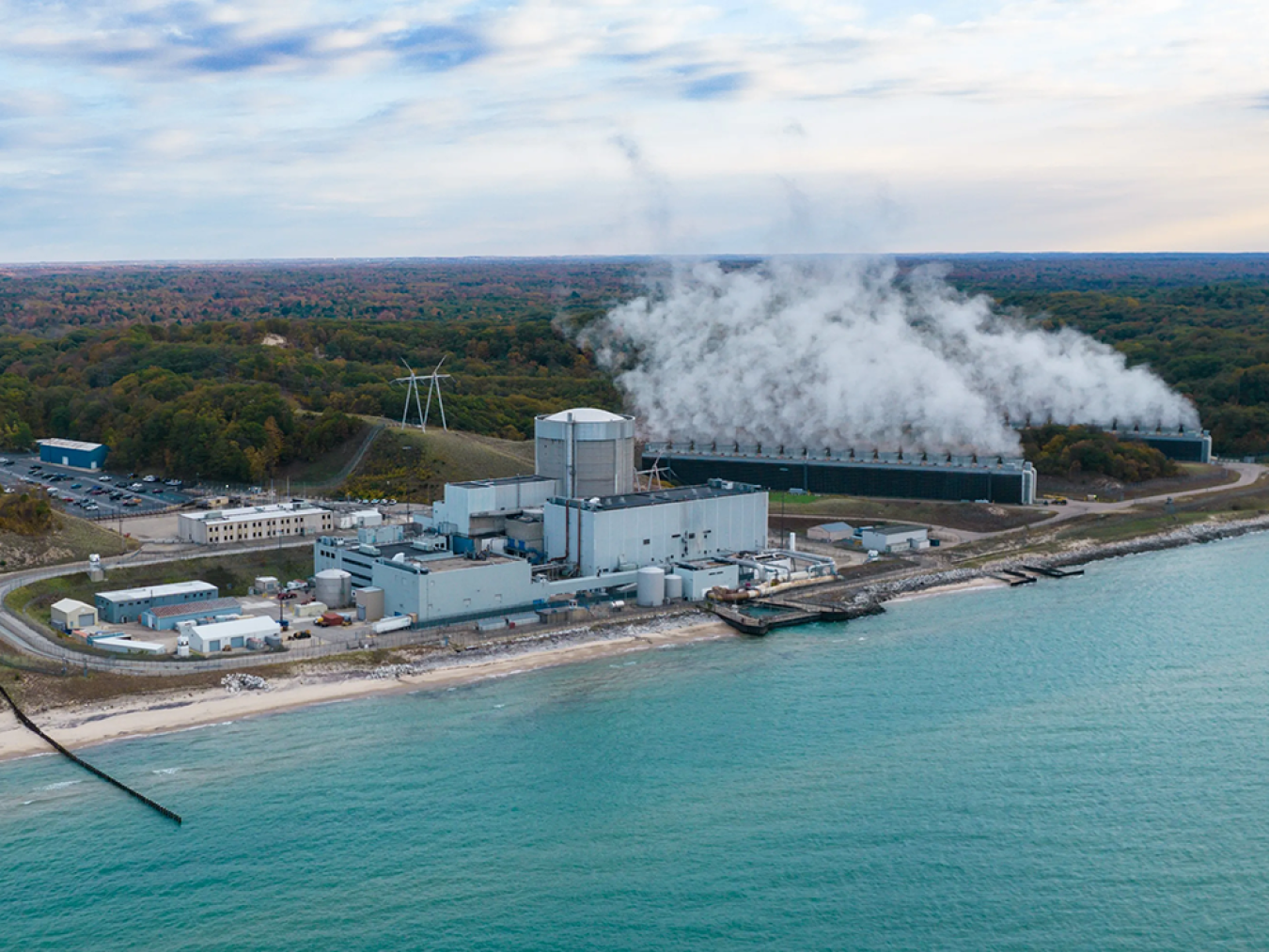
6. New Life for Retired Nuclear Plants
Palisades
Palisades Nuclear Plant is on the verge of becoming the nation’s first retired nuclear power plant to return to service. Holtec has been working to recommission the plant, which ceased operations in 2022, to bring 800 megawatts of reliable power back to Michigan.
The project is supported by $1.52 billion DOE loan. Palisades hit several key milestones in 2025, including the final environmental assessment and finding of no significant impact from the NRC. In October, the plant received its first shipment of nuclear fuel in preparation for the restart, pending NRC approval.
Three Mile Island
Three Mile Island Unit 1 shut down in 2019 after 45 years of operation. Now Constellation is working to bring it back to life with the help of a $1 billion loan from DOE. The 835-megawatt plant on the Susquehanna River will be renamed the Crane Clean Energy Center and provide enough reliable, affordable electricity for roughly 800,000 Pennsylvania homes.

7. Nuclear Plant Licenses Extended
President Trump’s energy dominance agenda is focused on adding more energy to the grid — and that includes preserving the reliable, affordable electricity generated by our nation’s fleet of 94 commercial nuclear reactors. This year, 13 reactors at seven nuclear plants were granted 20-year license extensions by the NRC. Eleven of those joined the growing field of U.S. nuclear reactors now licensed to operate for up to 80 years. The extensions guarantee that their communities will continue to enjoy the benefits of American nuclear energy into the 2050s and 2060s.
| Plant Name and Unit(s) | Application Received | Renewed License Issued | End Date of Extended Operation License |
|---|---|---|---|
| Oconee Nuclear Station, Units 1, 2, and 3 | 06/07/2021 | 03/31/2025 | 02/06/2053 (Unit 1) |
| 10/06/2053 (Unit 2) | |||
| 07/19/2054 (Unit 3) | |||
| Virgil C. Summer, Unit 1 | 08/17/2023 | 06/30/2025 | 08/06/2062 |
| Perry Nuclear Plant, Unit 1 | 07/03/2023 | 07/07/2025 | 11/07/2046 |
| Point Beach Nuclear Plant, Units 1 and 2 | 11/16/2020 | 09/29/2025 | 10/05/2050 (Unit 1) |
| 03/08/2053 (Unit 2) | |||
| Browns Ferry Nuclear Plant, Units 1, 2, 3 | 01/09/2024 | 12/11/2025 | 12/20/2053 (Unit 1) |
| 06/28/2054 (Unit 2) | |||
| 07/02/2056 (Unit 3) | |||
| Clinton Clean Energy Center, Unit 1 | 12/16/2025 | 04/2047 | |
| Dresden Clean Energy Center, Units 2 and 3 | 12/16/2025 | 12/2049 (Unit 2) | |
| 01/2051 (Unit 3) |
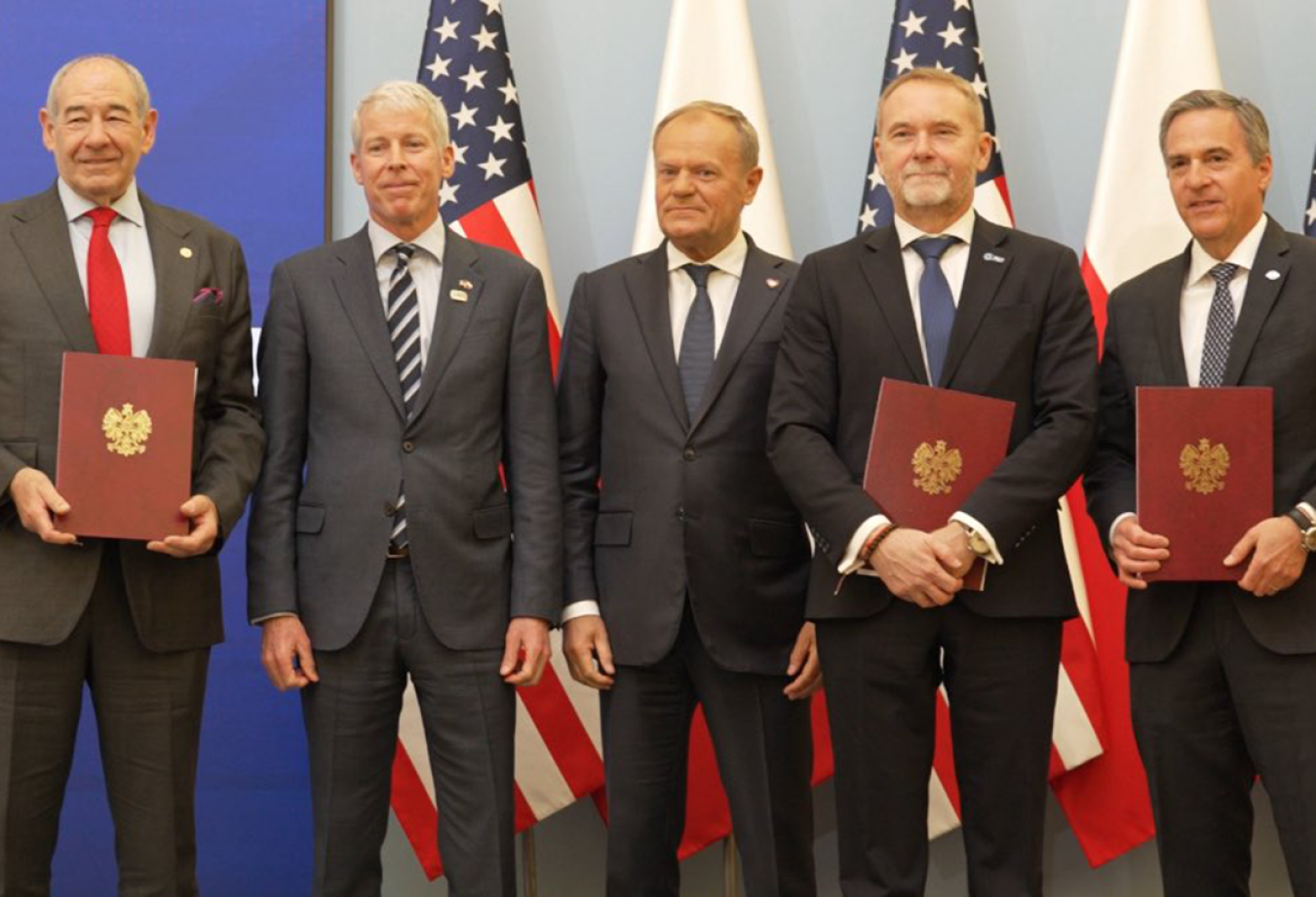
8. Nuclear Energy Abroad
Energy Secretary Chris Wright was busy building international collaboration to expand civil nuclear power around the world in 2025, advancing President Trump’s directive to promote nuclear trade and increase the American nuclear industry’s ability to compete for commercial civil nuclear projects globally.
Expanding on the U.S.-Poland Intergovernmental Agreement signed during President Trump’s first term, the Westinghouse-Bechtel consortium and Polskie Elektrownie Jądrowe announced the signing of an Engineering Development Agreement in April. This was a critical next step in advancing the three-unit AP1000 project in the country. And in November, Secretary Wright joined the energy minister of Saudi Arabia to sign a civil nuclear cooperation deal between the two nations.
Other international highlights included DOE’s work with the International Atomic Energy Agency (IAEA), from Secretary Wright’s keynote at the IAEA General Conference side event Energizing Africa’s Future: Navigating the Nuclear Opportunity to a new leadership program launched with DOE support that will help nuclear professionals around the globe develop the skills and resilience to support safe and effective nuclear operations.