



The HydroGEN consortium is led by the National Laboratory of the Rockies and includes Lawrence Berkeley National Laboratory, Sandia National Laboratories, Idaho National Laboratory, and Lawrence Livermore National Laboratory. HydroGEN is funded by DOE's Alternative Fuels and Feedstocks Office.
HydroGEN aims to facilitate collaborations between federal laboratories, academia and industry. The consortium is guided by a steering committee with representatives from each member lab and DOE. The steering committee is available to clarify the capabilities offered by the consortium and to help interested users identify capabilities relevant to a given research project.
Learn more on this page about the:
Steering Committee

Huyen Dinh
National Laboratory of the Rockies
Dr. Huyen Dinh is a Senior Scientist and Project Leader at the National Laboratory of the Rockies. She earned her bachelor's degree in applied chemistry and her doctorate in electrochemistry at the University of Calgary in Alberta, Canada. Dinh has more than 15 years of experience in direct methanol, hydrogen polymer electrolyte membrane (PEM), and zinc/air fuel cells at national laboratories and in industry. Prior to joining NLR, she worked at three different fuel cell start-up companies and is now part of the leadership team responsible for building a hydrogen and fuel cell R&D program at NLR. Currently, Dr. Dinh is NLR's hydrogen production and delivery lead. Her research interests include fuel cell catalysis (PEMFCs, DMFCs); contaminants; and renewable hydrogen production, including renewable PEM electrolysis, photoelectrochemistry, fermentation of biomass and the photobiological approach to hydrogen production, and solar thermochemical hydrogen production.
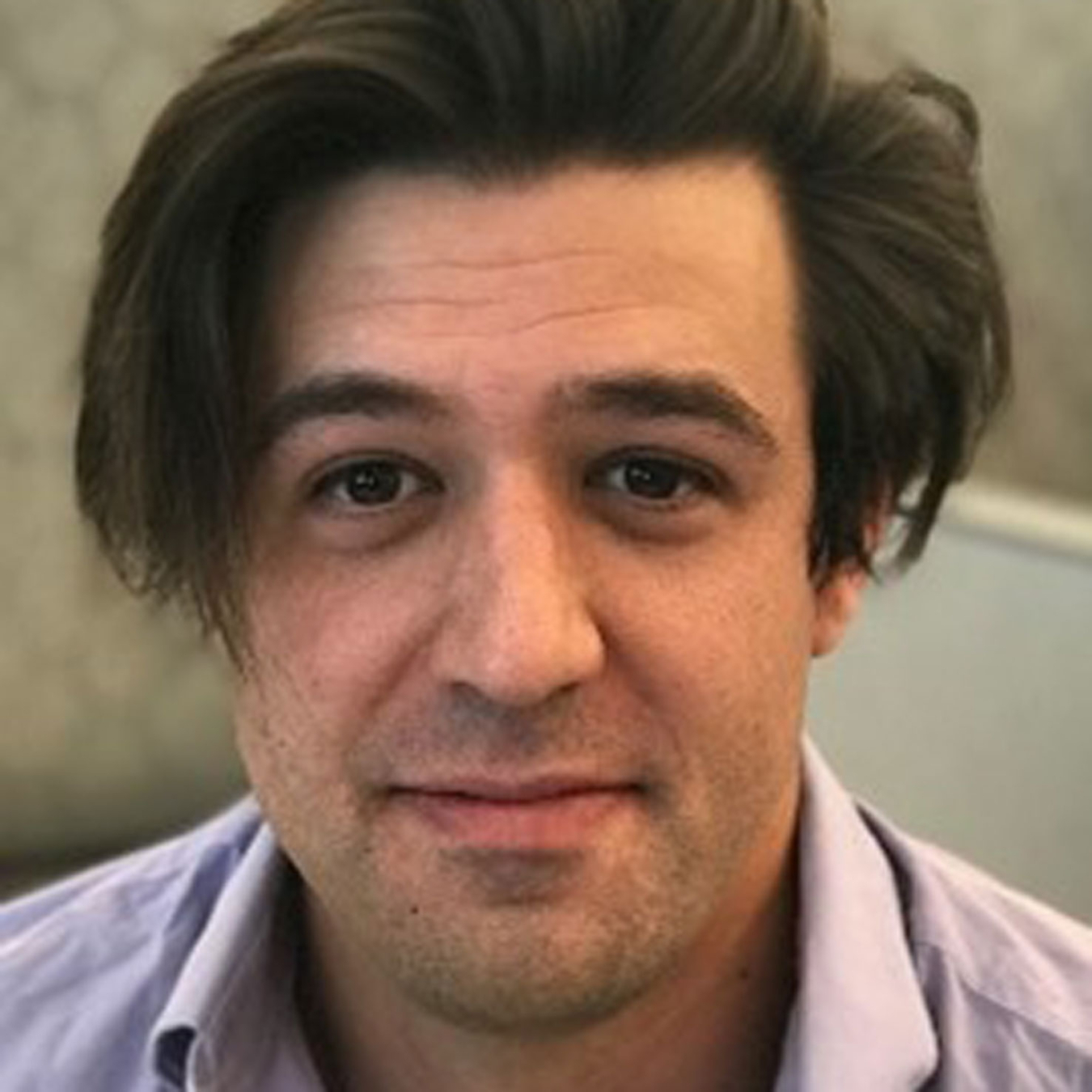
Shaun Alia
National Laboratory of the Rockies
Shaun Alia is a staff scientist in the Electrochemical Engineering and Materials Chemistry Group at the National Laboratory of the Rockies (NLR). He holds degrees in chemical engineering from the University of California, San Diego (B.S.), the University of Connecticut (M.S.), and the University of California, Riverside (Ph.D.). He has worked in several areas related to electrochemical energy conversion and storage, including proton and anion exchange membrane-based electrolyzers and fuel cells, direct methanol fuel cells, capacitors, and batteries. His current research involves understanding electrochemical and degradation processes, component development, and materials integration and optimization. Within the HydroGEN Energy Materials Network consortium, Dr. Alia has been involved in low-temperature electrolysis through NLR capabilities in materials development and ex situ and in situ characterization. He is further active within in situ durability, diagnostics, and accelerated stress test development for H2@Scale and H2NEW. He has published approximately 45 peer-reviewed publications.
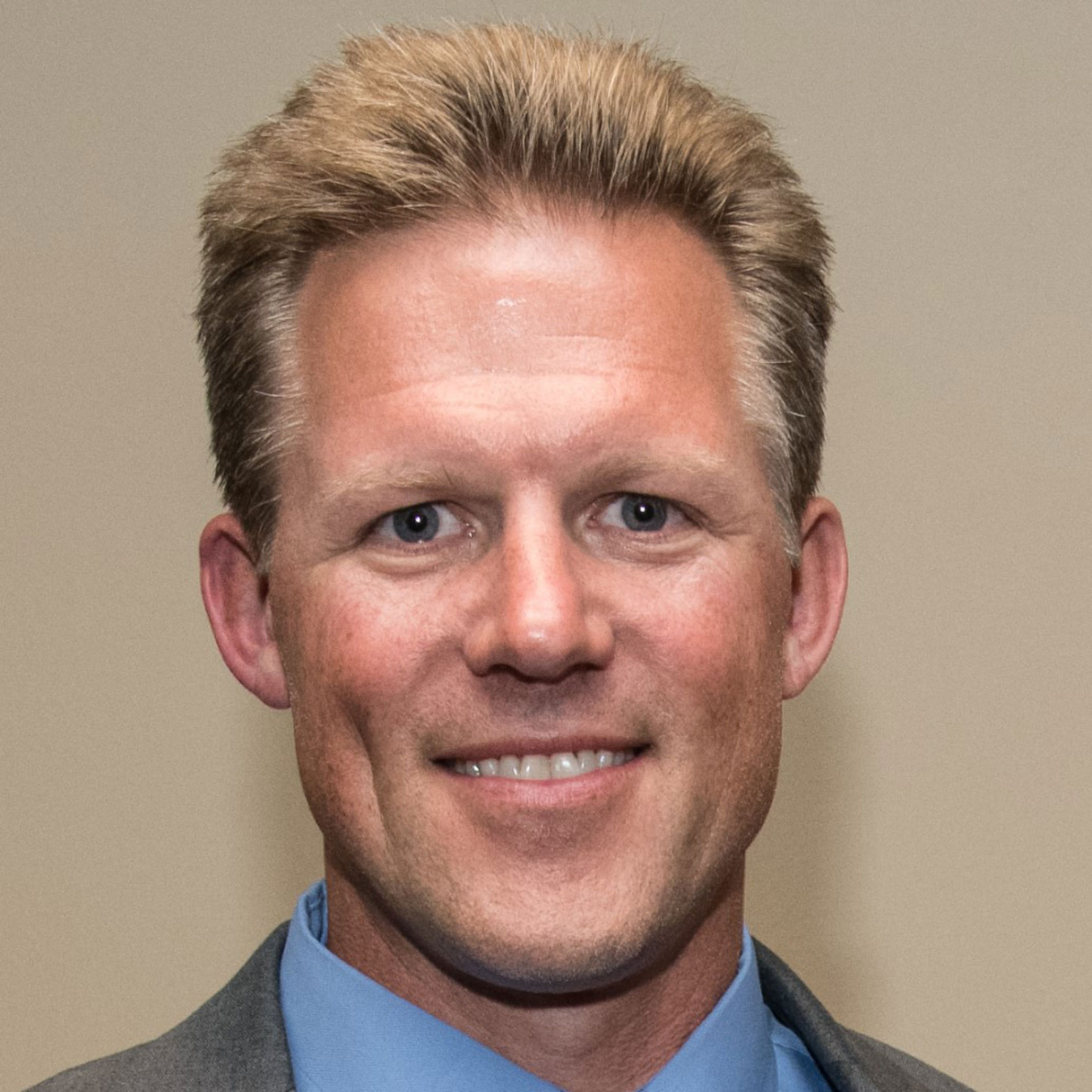
Bryan Pivovar
National Laboratory of the Rockies
Bryan Pivovar is a senior research fellow at the National Laboratory of the Rockies (NLR) in Golden, Colorado, where he oversees NLR's electrolysis and fuel cell and materials R&D. He has been a pioneer in several areas of fuel cell development, taking on leadership roles and organizing workshops in the areas of subfreezing effects, alkaline membrane fuel cells (2006, 2011, 2016, and 2019), and renewable hydrogen at the gigaton scale (2019).
He has co-chaired the Gordon Research Conference-Fuel Cells (2007) and will serve as the chair for the 3rd International Conference on Electrolysis in 2021. He was responsible for leading a multinational laboratory team pursuing "Hydrogen at Scale" investigating the energy system-wide benefits of increased hydrogen utilization. He has recently been named director for a major U.S. Department of Energy consortium (minimum of $50M over 5 years), H2NEW (Hydrogen from Next-generation Electrolyzers of Water), focused on addressing components, materials integration, and manufacturing R&D to enable manufacturable electrolyzers that meet required cost, durability, and performance targets, simultaneously, in order to enable $2/kg hydrogen.
He received his Ph.D. in chemical engineering from the University of Minnesota and led fuel cell R&D at Los Alamos National Laboratory prior to joining NLR. He received the 2012 Tobias Young Investigator Award from The Electrochemical Society and has coauthored more than 150 papers with more than 10,000 citations in the general area of fuel cells and electrolysis.
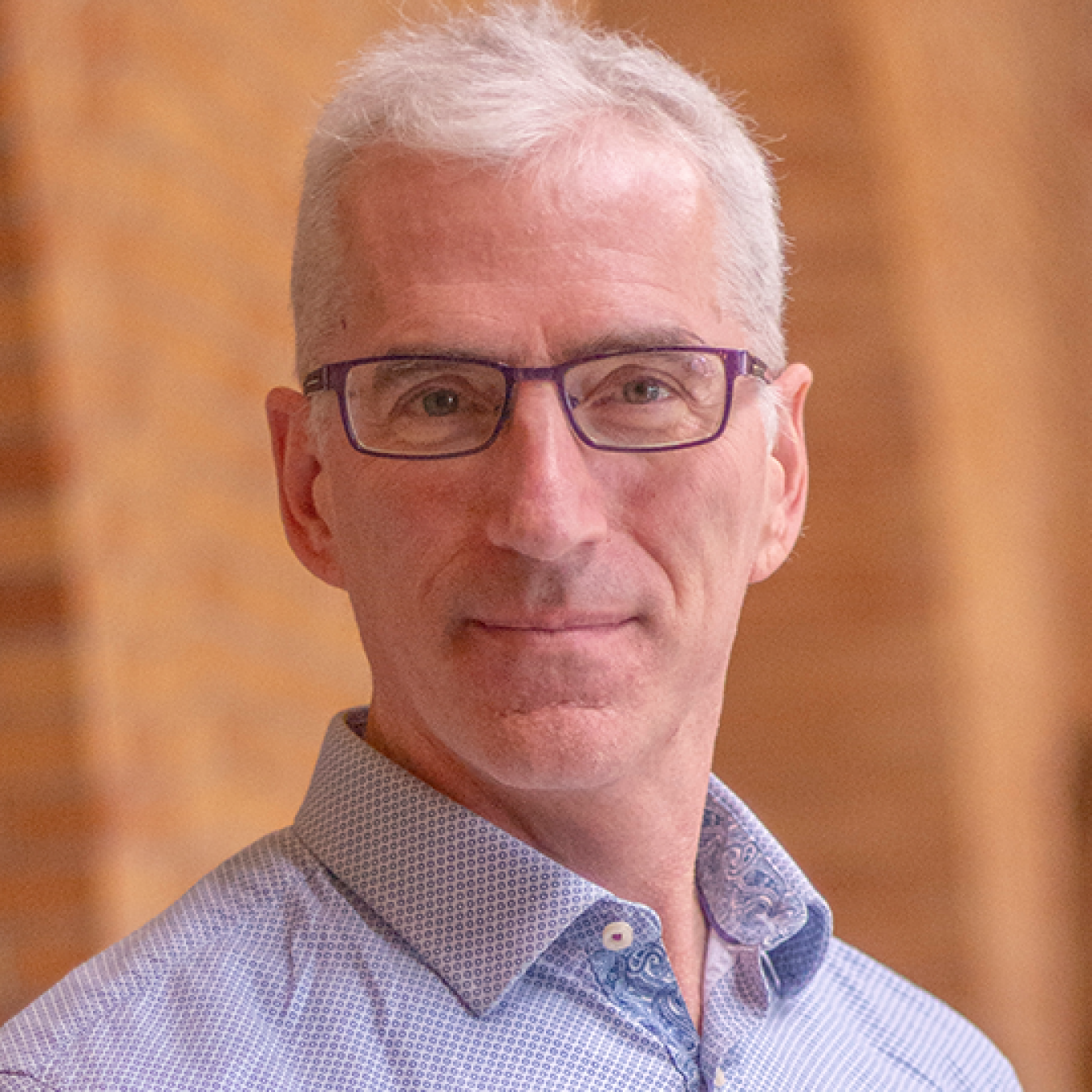
Joel Ager
Lawrence Berkeley National Laboratory
Joel W. Ager III is a Senior Staff Scientist in the Materials Sciences Division of Lawrence Berkeley National Laboratory and an Adjunct Full Professor in the Materials Science and Engineering Department, UC Berkeley. He is a Principal Investigator in the Electronic Materials Program and in the Liquid Sunshine Alliance LiSA) at LBNL and in the Berkeley Educational Alliance for Research in Singapore (BEARS). He graduated from Harvard College in 1982 with an A.B in Chemistry and from the University of Colorado in 1986 with a PhD in Chemical Physics. After a post-doctoral fellowship at the University of Heidelberg, he joined Lawrence Berkeley National Laboratory in 1989. His research interests include the discovery of new photoelectrochemical and electrochemical processes for solar to chemical energy conversion, fundamental electronic and transport properties of semiconducting materials, and the development of new types of transparent conductors. Professor Ager is a frequent invited speaker at international conferences and has published over 300 papers in refereed journals. His work is highly cited, with over 40,000 citations and an h-index of 107 (Google Scholar).

Adam Weber
Lawrence Berkeley National Laboratory
Adam Z. Weber is a Staff Scientist at Lawrence Berkeley National Laboratory. He holds B.S. and M.S. degrees from Tufts University and earned his Ph.D. in chemical engineering at the University of California, Berkeley modeling transport phenomena in fuel cells. His current research involves understanding and optimizing fuel cell performance and lifetime, including component and ionomer structure/function studies using advanced modeling and diagnostics, understanding flow batteries for grid-scale energy storage, as well as analysis of solar-fuel generators where he is a thrust coordinator at the Joint Center for Artificial Photosynthesis (JCAP). Dr. Weber has coauthored ~90 peer-reviewed articles and 10 book chapters on fuel cells, flow batteries, and related electrochemical devices, developed many widely used models for fuel cells and their components, and has been invited to present his work at various international and national meetings. He is also the recipient of a number of awards including the 2012 Supramaniam Srinivasan Young Investigator Award of the Energy Technology Division of the Electrochemical Society, a 2012 Presidential Early Career Award for Scientists and Engineers (PECASE), the 2014 Charles W. Tobias Young Investigator Award of the Electrochemical Society, and a Kavli Fellow in 2014. Dr. Weber also sits on the Editorial Board of the Journal of Applied Electrochemistry and is past chair of the Energy Technology Division of the Electrochemical Society.

Anthony McDaniel
Sandia National Laboratories
Dr. Anthony McDaniel is a Principal Member of the Technical Staff at Sandia National Laboratories and holds degrees in Chemical Engineering from the University of Colorado (Boulder, B.Sc.) and the University of California (Los Angeles, Ph.D.). His research experience spans a range of topical areas important to functional materials and their application to developing technologies for energy storage and conversion. He has authored more than 65 journal publications in the fields of thermochemical gas splitting, heterogeneous catalysis, solid state chemical sensing, electrochemistry, and atmospheric chemistry. His current research is focused on thermochemistry and electrochemistry of materials critical to developing energy technologies. These include complex oxides used in water and carbon dioxide gas splitting, solid oxide fuel cell cathodes, lithium ion batteries, and super ionic conductors. He currently leads programs at Sandia to develop pathways for production of renewable fuels using concentrated solar power.

Sean Bishop
Sandia National Laboratories
Dr. Sean Bishop is a principal member of the technical staff at Sandia National Laboratories. He earned his B.S. at New Mexico Tech and his Ph.D. at the University of Florida. He was a postdoc and research scientist at the Massachusetts Institute of Technology and spent three years as a research associate professor in Kyushu University, Japan. He also worked at a solid oxide fuel cell startup company prior to joining Sandia. Sean has 18 years of experience characterizing the relationships between point defect chemistry, structure, and electrical, electrochemical, and mechanical properties of high temperature ion conducting thin films, bulk ceramics, and devices. His interests are in developing commercializable high temperature materials and processes for hydrogen production.

Meng Li
Idaho National Laboratory
Dr. Meng Li is a staff scientist working at Idaho National Laboratory, specializing in advanced materials development of renewable energy storage and conversion technologies. She has experience with experiments (including synthesis, characterization, electrochemical measurements), multiscale simulations (including density functional theory, ab initio molecular dynamics, electrochemical modeling, multi-physics modeling), machine learning, data analysis in the research fields of lithium batteries, solid oxide electrochemical cells, aqueous electrolyzers, metal-air batteries. She combines experimental design and examination with theoretical calculations to understand the mechanisms of related reactions and intrinsic properties of developed materials. Dr. Li received the 2024 Asian American Most Promising Engineer of the Year Award, 2024 INL Laboratory Director Early Career Exceptional Achievement Award, INL Exceptional Innovation Contribution Award in 2022 and 2020.

Dong Ding
Idaho National Laboratory
Dr. Dong Ding is a distinguished staff engineer/scientist in Hydrogen and Electrochemistry Department of the directorate of Energy and Environmental Science & Technology at Idaho National Laboratory. He is a group lead for the chemical processing group consisting of more than 20 researchers and leading the research effort in the area of electrochemical processing and electrocatalysis at elevated temperatures. He is a principal investigator for multi-projects including direct funded and LDRD. Dr. Ding is a technical lead and steering committee member for two hydrogen-related consortia: HydroGEN of Energy Materials Network (EMN) and H2NEW under the DOE-Energy Efficiency and Renewable Energy (EERE)-Hydrogen and Fuel Cell Technology Office. Dr. Ding is an executive committee member for High-Temperature Energy, Materials, and Processes (H-TEMP) Division of the Electrochemical Society (ECS).

Tadashi Ogitsu
Lawrence Livermore National Laboratory
Tadashi Ogitsu is a Deputy Group Leader of the Quantum Simulation Group at Lawrence Livermore National Laboratory. He earned B.S., M.S., and Ph.D. degrees in Materials Science from the University of Tsukuba, Japan, then worked at the Institute for Solid State Physics, University of Tokyo, Japan, and the University of Illinois at Urbana-Champaign, where he has developed computer software based on density functional theory that is highly optimized for massive parallel supercomputers. Taking full advantage of high performance computers and the software, he was engaged in broad range of research projects in the fields of condensed matter physics and materials science. After moving to Lawrence Livermore National Laboratory, he has been working on scientific problems that are relevant for energy storage and conversion technologies such as photoelectrochemical (PEC) hydrogen production. Recent projects include surface validation of III-V semiconductors for PEC devices and computational design and diagnostics of chalcopyrite-based thin film PEC device materials.

Brandon Wood
Lawrence Livermore National Laboratory
Dr. Brandon Wood is associate program lead for Hydrogen and Computational Energy Materials and deputy director of the Laboratory for Energy Applications for the Future (LEAF) at Lawrence Livermore National Laboratory. He holds a B.S. degree from Stanford University and a Ph.D. in materials science from the Massachusetts Institute of Technology. His primary research interests lie in the application of advanced ab initio and mesoscale simulation techniques to materials for energy storage, conversion, and delivery. Dr. Wood specializes in the use of high-performance computing and multiscale modeling to understand complex reactive interfaces in realistic device operating environments, including their impacts on performance and lifetime. Applications of interest include hydrogen production, hydrogen storage, solid-state batteries, and electrocatalysis. Dr. Wood also leads multiple projects focused on the development of new simulation approaches for improved predictions of materials degradation and corrosion. He has co-authored ~80 publications on diverse aspects of materials and interface modeling. In addition to his role in HydroGEN, Dr. Wood coordinates the crosscutting modeling and simulation activities for hydrogen storage within the DOE HyMARC consortium, as well as for high-temperature electrolyzer development within the DOE H2NEW consortium.
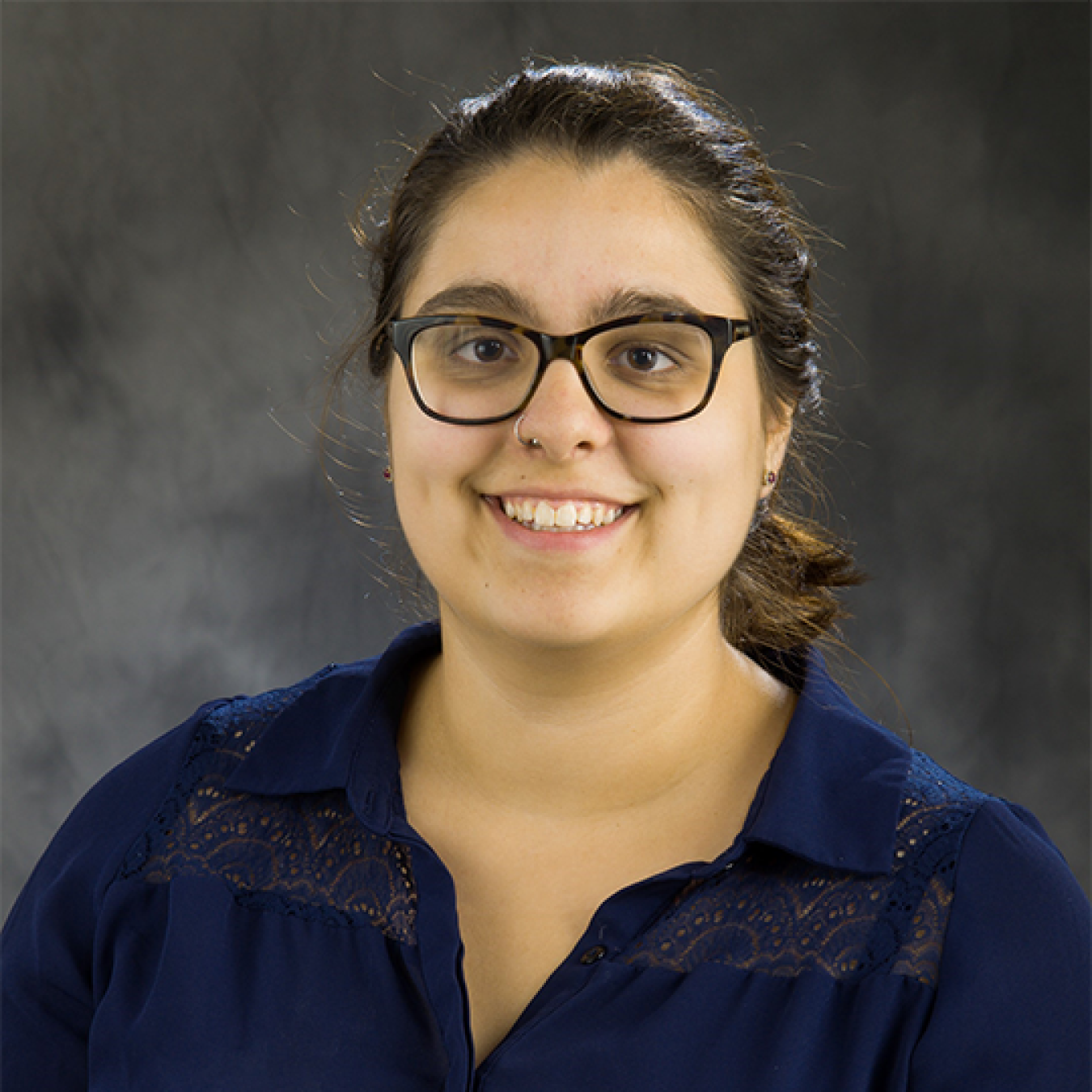
Anne Marie Esposito
U.S. Department of Energy
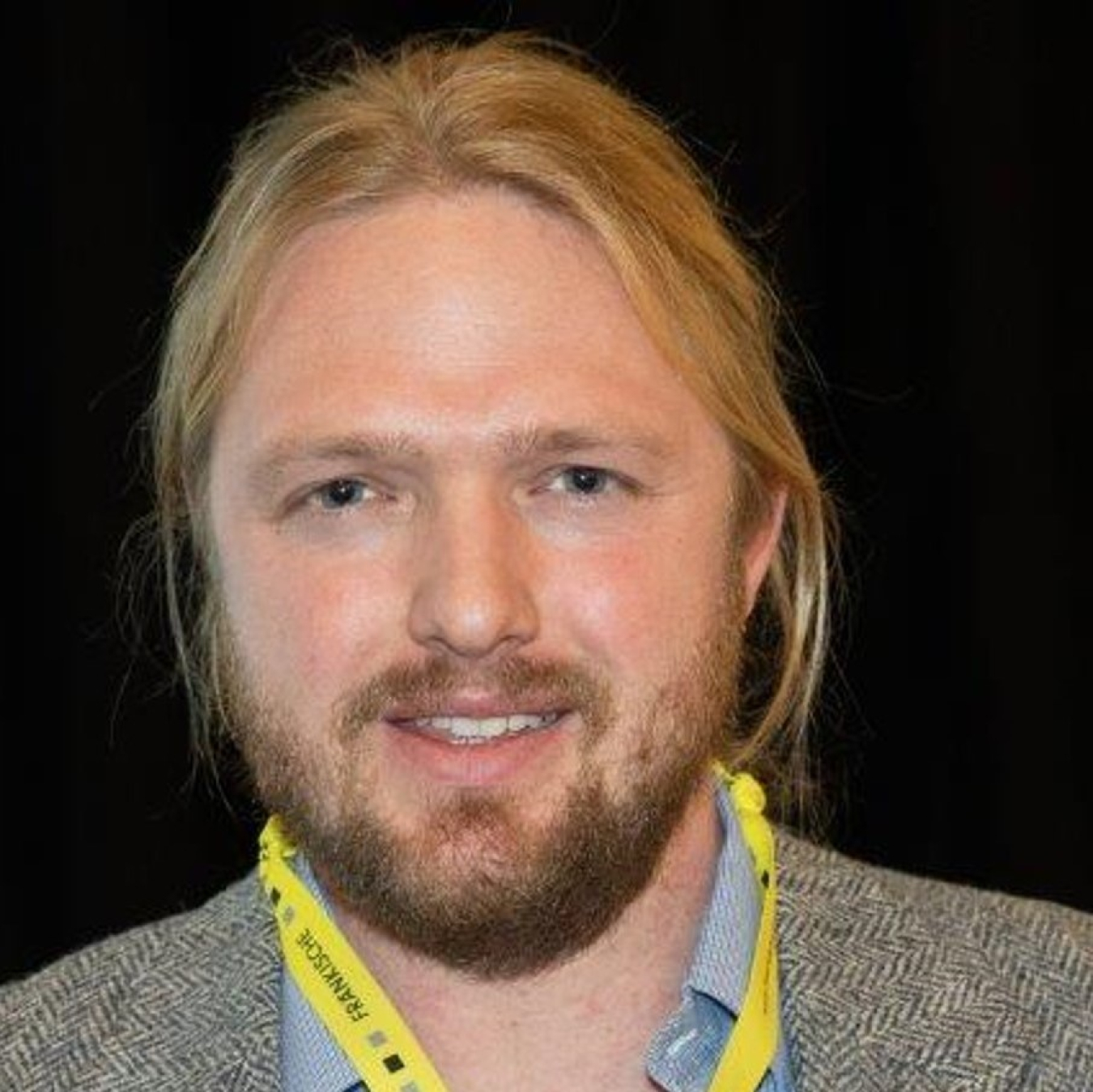
Dr. Anne Marie Esposito is a Technology Manager in the Hydrogen and Fuel Cell Technologies Office (HFTO) at the U.S. Department of Energy's Office of Energy Efficiency and Renewable Energy. She joined HFTO in January 2022 after completing her PhD at the University of Illinois Urbana-Champaign studying catalysts for fuel cells. Dr. Esposito focuses primarily on low temperature electrolysis technologies. In her free time, she likes to cook and play board games!
William T. Gibbons
U.S. Department of Energy
Dr. William T. Gibbons is a Technology Development Manager in the Hydrogen and Fuel Cell Technologies Office (HFTO) at the U.S. Department of Energy's Office of Energy Efficiency and Renewable Energy. He joined HFTO in January of 2020 after a decade on university campuses earning degrees in chemical engineering, teaching undergraduate material & energy balances and thermodynamics courses, and developing prototype fuel processing reactors for an early-stage solid oxide fuel cell startup. Dr. Gibbons focuses primarily on high temperature electrolysis technologies and low temperature fuel cell catalyst development.

James W. Vickers
U.S. Department of Energy
James W. Vickers, Ph.D., is a Technology Manager within the U.S. Department of Energy (DOE) Office of Energy Efficiency and Renewable Energy’s Hydrogen and Fuel Cell Technologies Office, where he primarily supports hydrogen production efforts. James came to DOE through the AAAS Science & Technology/Policy Fellowship and seeks to use his technical expertise to benefit the research efforts of the nation, increase our energy resilience, and work towards a future with equitable distribution. Above all, James enjoys commuting by and otherwise riding a bicycle.
Partners
National Laboratory of the Rockies
NLR is the U.S. Department of Energy's primary national laboratory for energy systems. With a focus on security and reliability, NLR leads energy systems innovation and integration—enhancing existing technologies and developing new, cutting-edge solutions that unlock economic opportunity and fuel America's global competitiveness. NLR bridges foundational research with practical applications to integrate various energy sources, storage, buildings, transportation, and emerging technologies.

Lawrence Berkeley National Laboratory
Lawrence Berkeley National Laboratory (LBNL) addresses the world's most urgent scientific challenges by advancing energy, protecting human health, creating new materials, and revealing the origin and fate of the universe. Berkeley Lab fosters groundbreaking fundamental science that enables transformational solutions for energy and environment challenges, using interdisciplinary teams and by creating advanced new tools for scientific discovery.

Sandia National Laboratories
Sandia National Laboratories (SNL) delivers essential science and technology to resolve the nation's most challenging security issues. A strong science, technology, and engineering foundation enables Sandia's mission through a capable research staff working at the forefront of innovation, collaborative research with universities and companies, and discretionary research projects with significant potential impact.

Idaho National Laboratory
Idaho National Laboratory (INL) is the nation's lead laboratory for nuclear energy research, development, demonstration, and deployment and is engaged in the mission of ensuring the nation's energy security with safe, competitive and energy systems and unique national and homeland security capabilities. INL works in each of the strategic goal areas of DOE: energy, national security, science, and environment.
Lawrence Livermore National Laboratory
Lawrence Livermore National Laboratory (LLNL) has a mission of strengthening the United States' security by developing and applying world-class science, technology and engineering that enhances the nation's defense; reduces the global threat from terrorism and weapons of mass destruction; and responds with vision, quality, integrity, and technical excellence to scientific issues of national importance.

About the Energy Materials Network
Accelerating advanced materials development, from discovery through deployment, has the potential to revolutionize whole industries and is critical for the United States to compete globally in manufacturing in the 21st century. However, today only a small fraction of materials innovations make it to widespread commercialization. The goal of the Energy Materials Network (EMN) is to dramatically decrease the time-to-market for advanced materials that are critical to manufacturing many energy technologies, enabling manufacturers of all sizes to develop and deliver innovative, made-in-America products to the world market.
Through targeted, national lab-led consortia, EMN will leverage more than $40 million in federal funding in 2016 to facilitate industry's access to the unique scientific and technical resources at DOE's national labs in high-performance computing, synthesis and characterization of new materials, and high-impact experimentation. Each EMN consortium will bring together national labs, industry, and academia to focus on specific classes of materials aligned with industry's most pressing challenges related to materials for energy technologies. Together, the EMN consortia will form a network of advanced materials R&D capabilities and resources that will support the Administration's commitment to revitalizing American manufacturing and maintaining a competitive edge in the energy economy.