



Subscribe to the WETO E-Newsletter
Subscribe to the WETO e-newsletter to stay informed on the latest wind energy news, events, publications, and updates.
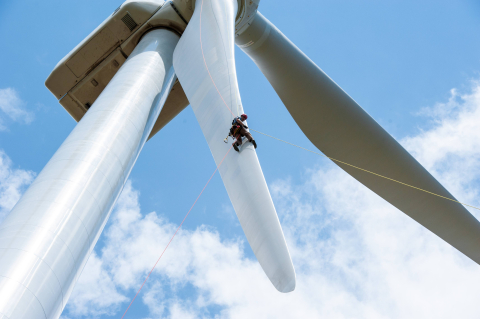
Brush up on your knowledge of wind! Get the details on a few of the lesser-known wind energy facts.
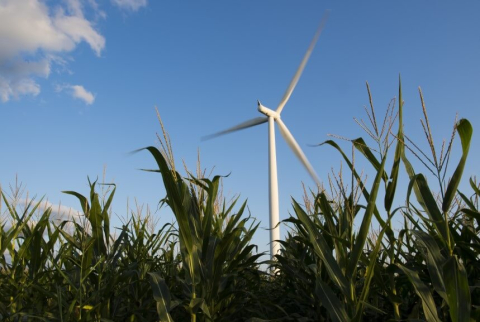
Learn how wind energy can provide health and environmental benefits that outweigh its costs.
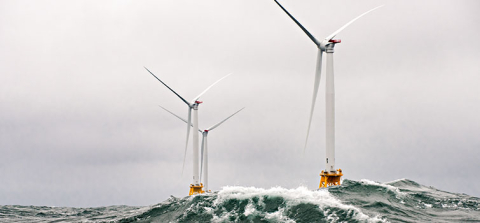
Learn more about efforts to develop America's vast offshore wind resources.
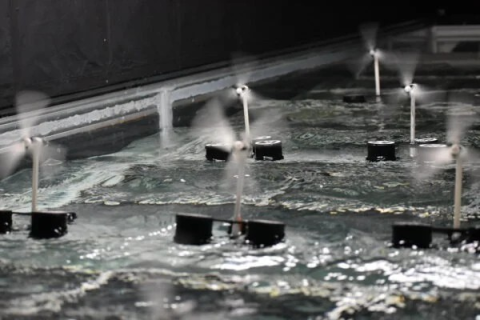
WETO and the National Science Foundation Award Funding to Accelerate Floating Offshore Wind Research
Johns Hopkins University and Portland State University received funding from the National Science Foundation and WETO on a project that will help unlock the vast potential of floating offshore wind farms in the United States.
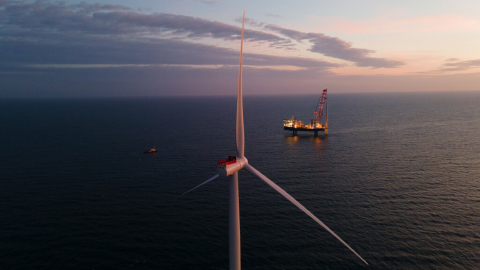
The Ocean Energy Safety Institute (OESI) has published a comprehensive Request for Proposals (RFP) for research pathways across three application areas, including offshore wind energy.
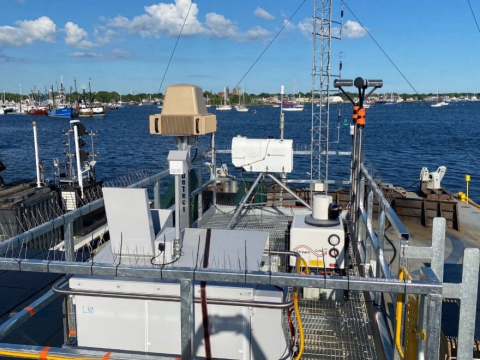
DOE is collaborating on an 18-month initiative to gather extensive weather, ocean, and wildlife data near the sites of active offshore wind farms and lease areas off the coast of the Northeast United States.
Maher supports WETO as an Offshore Wind Senior Technical Advisor.
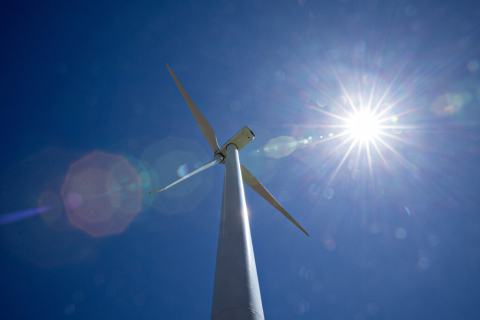
DOE’s Office of Energy Efficiency and Renewable Energy recently selected four wind-energy-related projects for Small Business Innovation Research Phase I funding. The announcement is part of DOE-wide awards totaling $54 million.
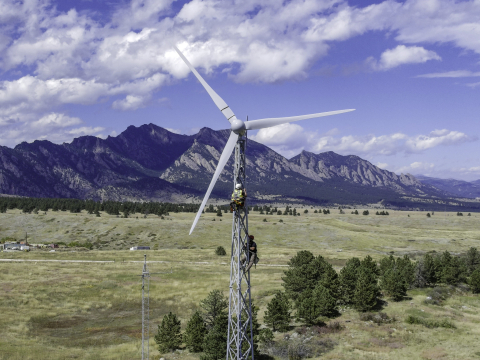
With three recently installed small wind turbines at the Flatirons Campus in Colorado, WETO is poised to take the next step in proving and improving the next generation of distributed wind technologies.
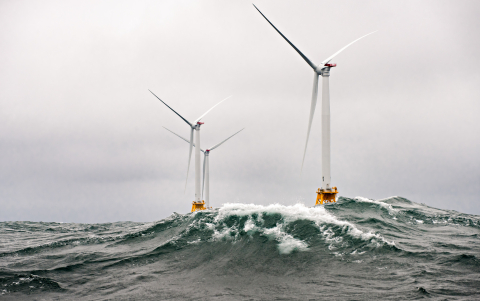
Wind turbines need to protect themselves just as communities do during severe weather events and storms. Find out how wind turbines survive severe storms, like hurricanes and tornadoes, and how you can stay safe.