



RSS
Below are stories about manufacturing featured by the U.S. Department of Energy (DOE) Wind Energy Technologies Office.
Subscribe to the WETO E-Newsletter
Subscribe to the WETO e-newsletter to stay informed on the latest wind energy news, events, publications, and updates.
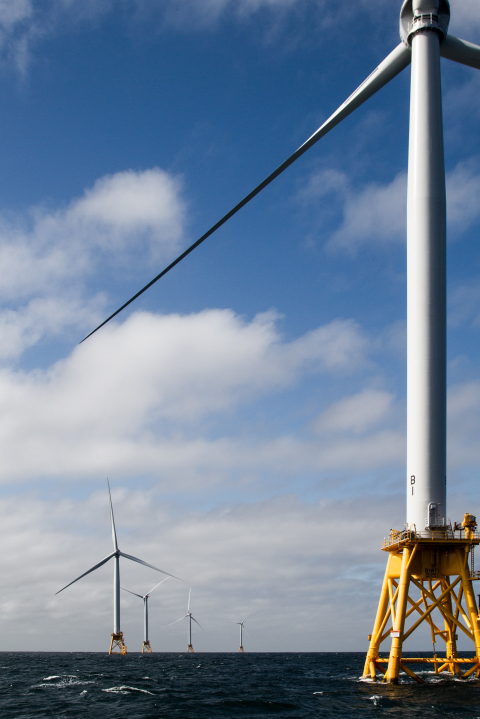
The partnership highlights ongoing DOE efforts and commitment work alongside states and industry to provide a roadmap that identifies key pathways for meeting state and federal offshore wind goals.
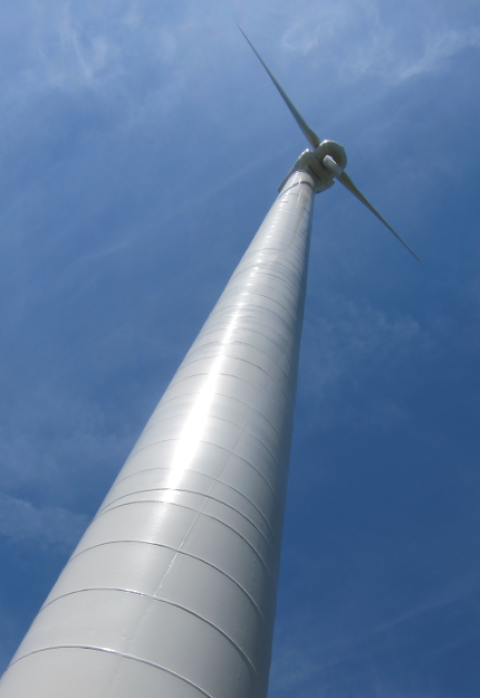
Unique problems call for unique solutions which is exactly why companies from the wind technology industry are developing taller wind turbine towers at lower prices.
The Demand for a Domestic Offshore Wind Energy Supply Chain provides a broad summary of the components, ports, vessels, and workforce that are likely needed to achieve this target.
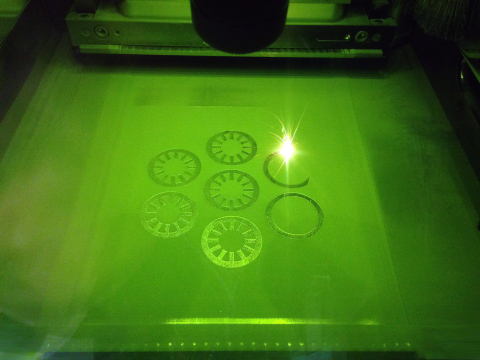
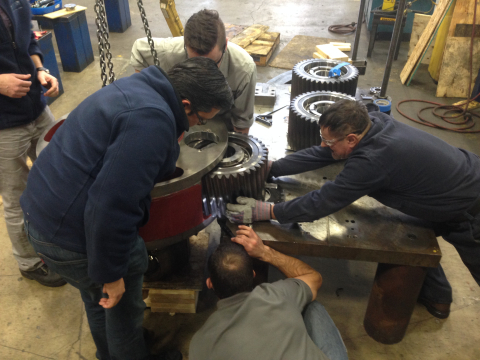
DOE’s Oak Ridge National Laboratory and National Renewable Energy Laboratory have published a study as part of the MADE3D initiative, highlighting 3D printing of magnetic components for large electrical machines like wind turbines.
The National Offshore Wind R&D Consortium has announced six new projects to support supply chain efficiency, asset monitoring, and inspection.
WETO has released phase I findings for its Big Adaptive Rotor project, studying large blades for low-specific-power wind turbines.
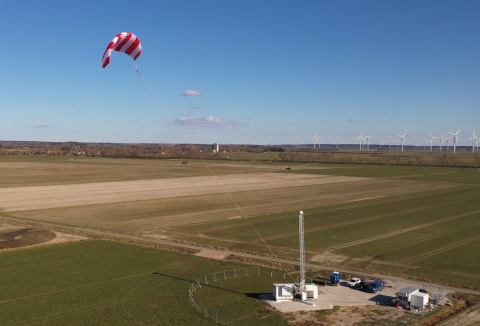
This report assesses the potential for, and technical viability of, airborne wind energy (AWE) in the US. Findings include data on the resource potential of wind energy available to AWE systems and what’s needed for AWE to deploy at meaningful scales.
DOE has issued a request for information to help build a more diverse, resilient, and competitive U.S.-based energy supply chain.
As 2021 draws to a close, the Wind Energy Technologies Office (WETO) is reflecting on our R&D, recent achievements, and recognitions, and getting ramped up for a new year of possibilities for wind energy.
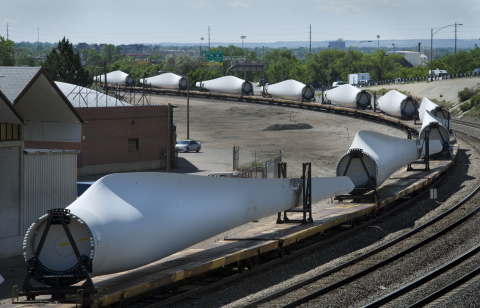
DOE national laboratory researchers have determined a way to transport massive wind turbine blades at a lower cost, by designing them to bend, or deflect, by 20%.