



WETO 2024 Accomplishments: Blowing Wind Energy Forward
Integrated Energy Systems Office
December 11, 2024 Estimated Read Time min
Over the past year, wind energy continued to make strides, demonstrating resilience and innovation. With cost-cutting initiatives for farmers, action plans supporting renewable power, and major funding in offshore wind development, the year blew by with progress!
Here are the most significant wind energy stories from 2024 from the U.S. Department of Energy’s (DOE) Wind Energy Technologies Office (WETO).
Initiative to Help Farmers Reduce Costs with Underutilized Renewable Technologies
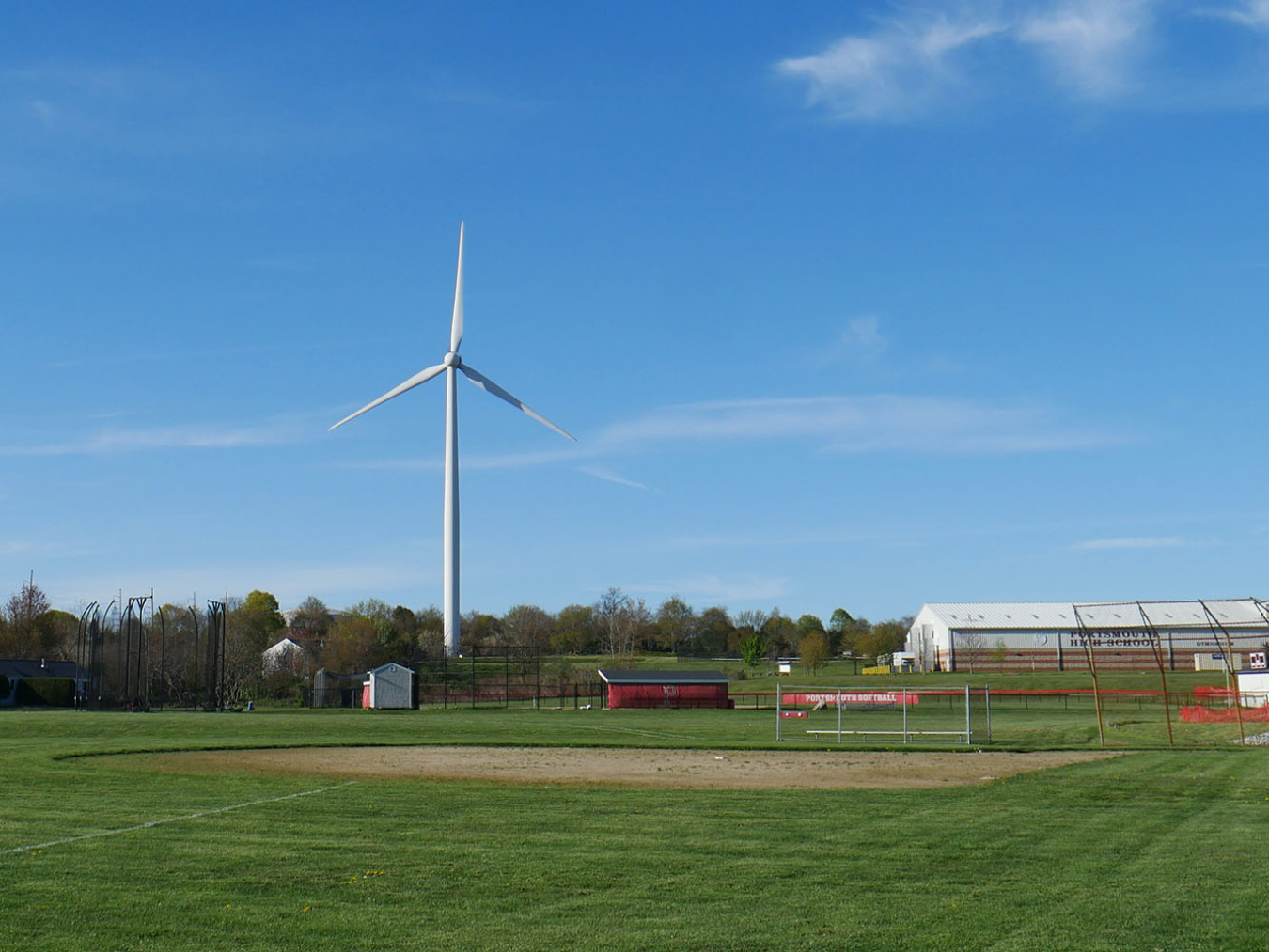
The Rural and Agricultural Income & Savings from Renewable Energy (RAISE) initiative supports farmers, rural small businesses and utilities take advantage of cost-cutting and revenue diversification opportunities associated with the deployment of distributed energy resources, particularly distributed wind. RAISE is supporting technology development and technical assistance in support of an initial goal of 400 distributed wind systems deployed under USDA’s Rural Energy for America Program (REAP).
Initiative to Improve Accurate Forecasting of U.S. Offshore Wind Farms
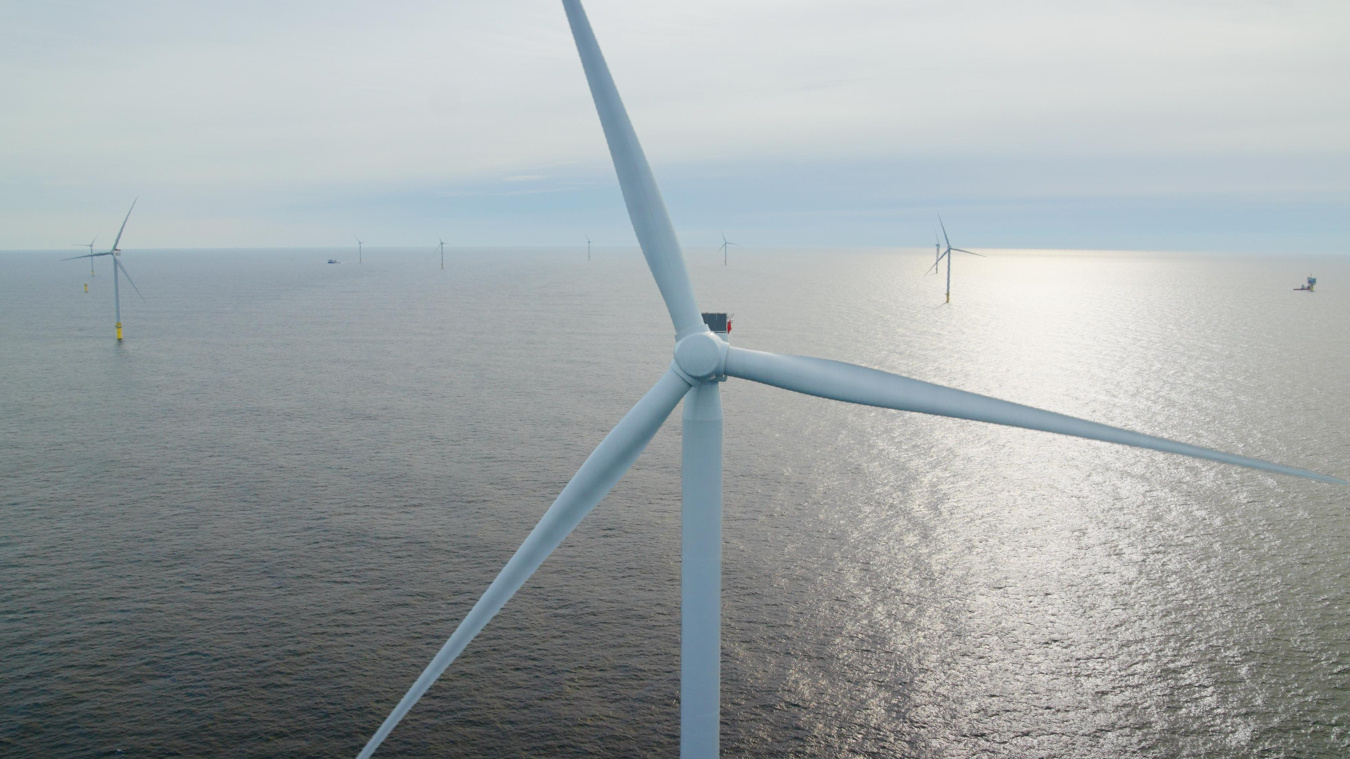
The third phase of DOE’s Wind Forecast Improvement Project (WFIP 3) wrapped up a successful Spring through Fall component of its coastal and offshore measurement campaign and is prepping for additional offshore measurement deployments/research cruises this, Winter. It is obtaining unprecedented new scientific data for wind energy on marine and atmospheric dynamics governing the offshore wind resource, cloud and fog processes influencing wind variability, lightning and precipitation tied to leading edge erosion on blades and general turbine reliability, bat and bird traffic coincident with ocean and atmospheric observations to inform mitigation efforts, wave-wind regimes offshore that drive operating and power production forecasts, as well as air-sea fluxes controlling offshore atmospheric stability and turbulence that influence turbine loads and controls.
Atlantic Offshore Wind Transmission Action Plan
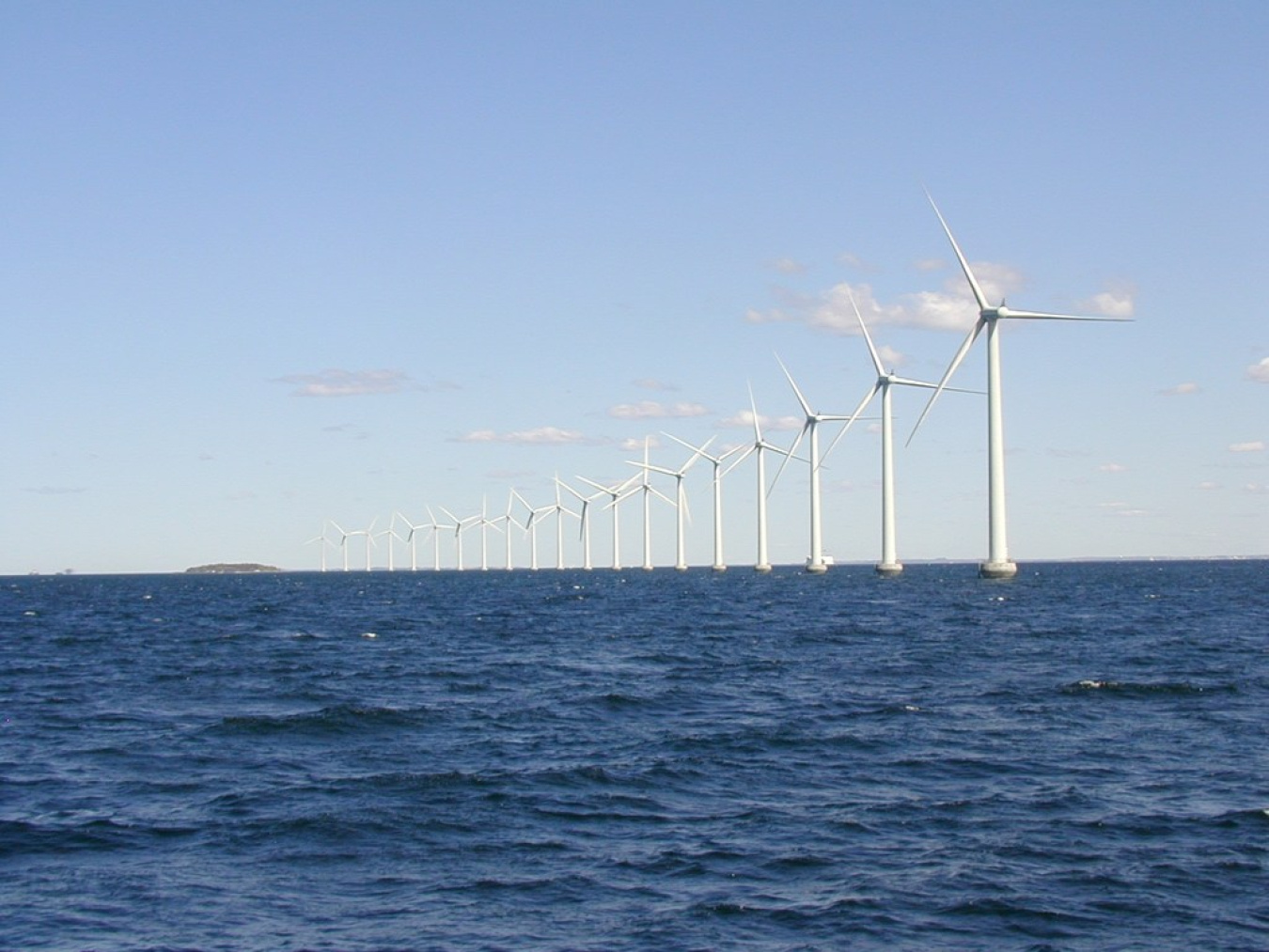
DOE and the Bureau of Ocean Energy Management (BOEM) published An Action Plan for Offshore Wind Transmission Development in the U.S. Atlantic Region, which reflects feedback gathered from a convening series held from 2021 to 2023 to address transmission challenges specific to connecting large amounts of offshore wind planned for deployment off the Atlantic Coast. The report details how wind resources could efficiently be captured off the Atlantic Coast of the United States and delivered to communities as renewable, reliable power. This action plan is informed by the Atlantic Offshore Wind Transmission Study, which evaluates various transmission strategies to support offshore wind energy deployment along the U.S. Atlantic Coast. In addition, DOE has initiated the West Coast Offshore Wind Transmission Study, a 20-month project aimed at exploring transmission options to facilitate offshore wind development along the U.S. West Coast through 2050.
Gathering Data to Understand the Interactions Between Wildlife and Offshore Wind Energy
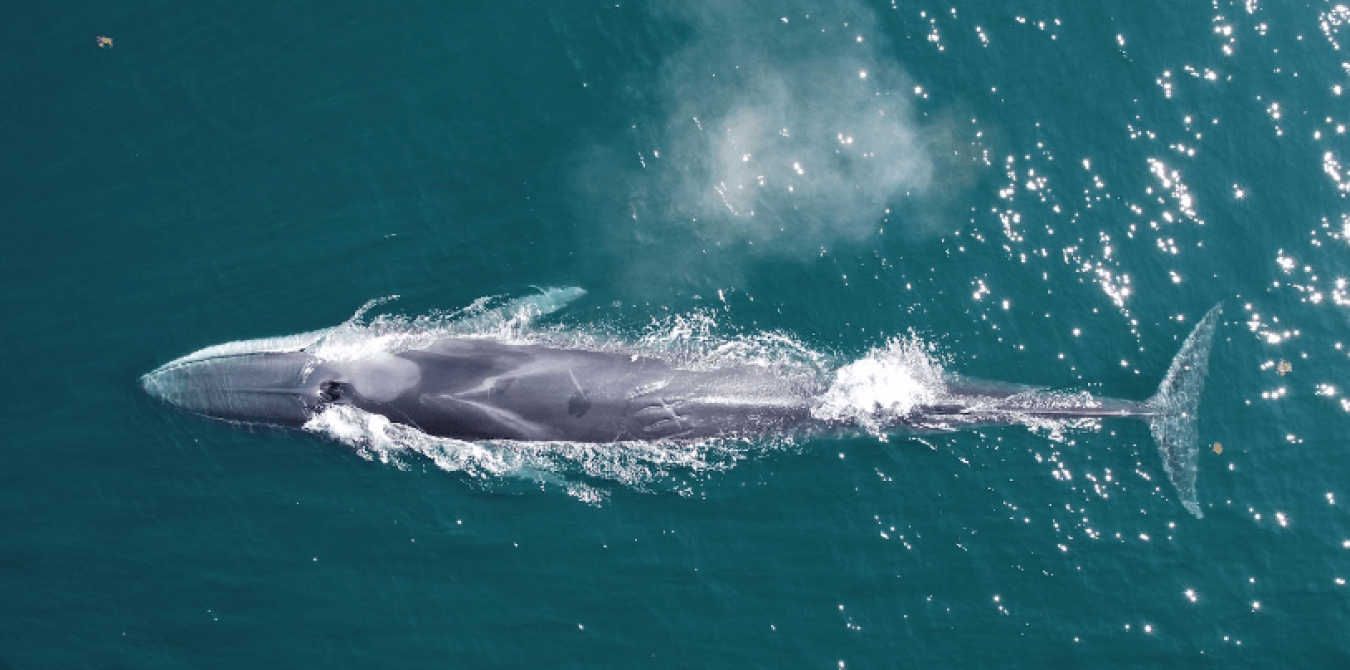
DOE has supported a series of whale monitoring technology workshops organized by the Regional Wildlife Science Collaborative for offshore wind and the Marine Technology Society, in collaboration with the National Oceanic and Atmospheric Administration NOAA and BOEM. Between April and November there were three workshops, and the final report will be published in 2025. The Wildlife and Offshore Wind (WOW) project, funded WETO and BOEM in its third year of the five-year project—continued tagging whales to better understand their behavior around offshore wind energy projects under construction.
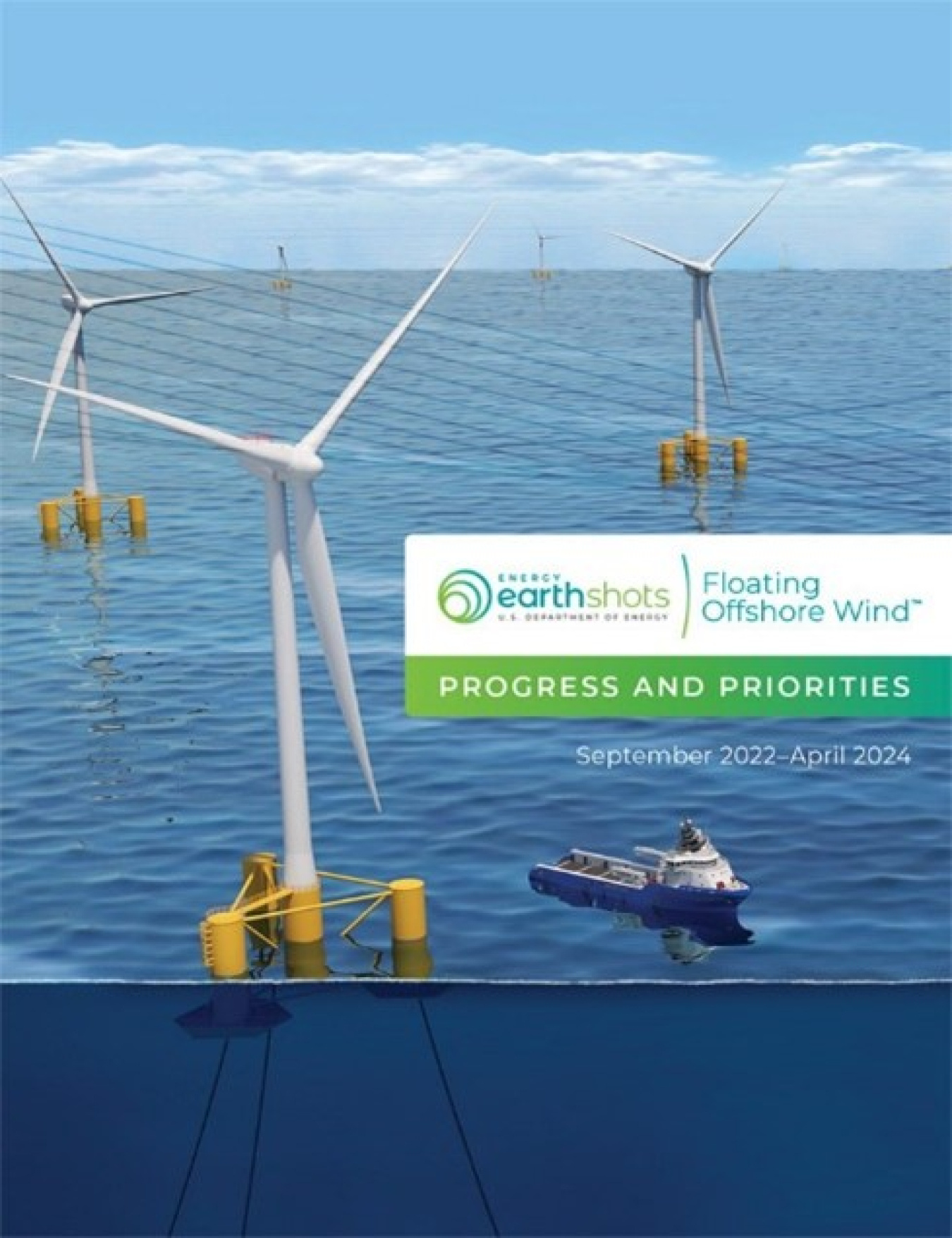
Floating Offshore Wind Shot Progress and Priorities
The Floating Offshore Wind Shot is a national initiative led by the DOE aimed at reducing the cost of floating offshore wind energy by more than 70% by 2053.
A report that documents over 50 milestones achieved to advance the Floating Offshore Wind Shot. Between September 2022 and May 2024, DOE, the Department of the Interior (DOI), and the Department of Transportation (DOT) dedicated over $950 million to advance the Floating Offshore Wind Shot through planning, leasing actions, research, development, demonstration, and deployment efforts.
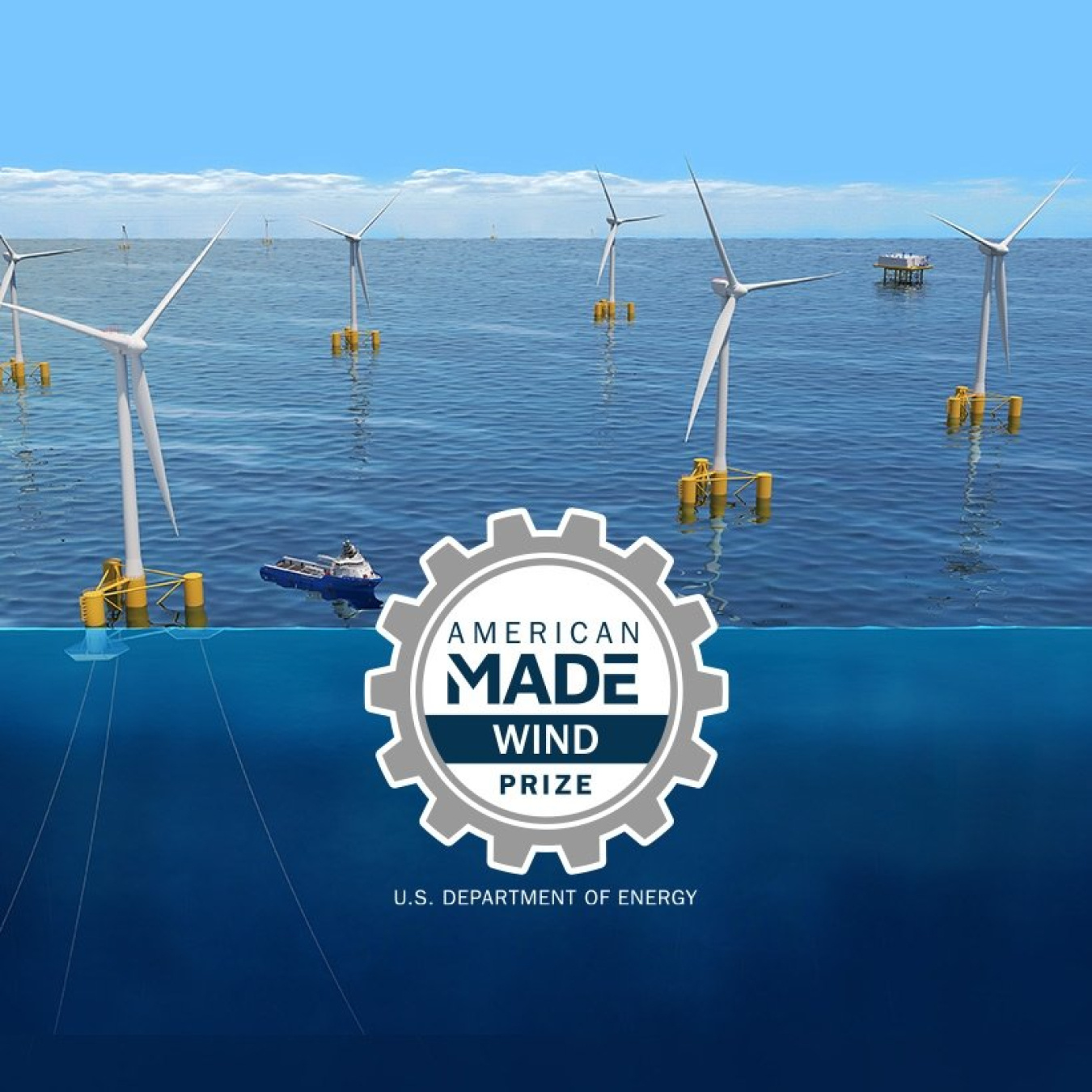
Five Competitors Advance to Final Round of FLoating Offshore Wind ReadINess Prize
DOE announced winners of Phase Two of the FLoating Offshore Wind ReadINess (FLOWIN) Prize. Competing teams began with a proven floating offshore wind energy substructure design and, in Phase One, developed pathways to manufacture their systems for deployment in gigawatt-scale offshore wind farms. Each of the five Phase Two winners receive a cash prize of $450,000 and a $100,000 voucher that can be used for technical support at DOE national laboratories.
Wind Market Reports: 2024 Edition
The annual Land-Based Wind Market Report provides an overview of trends and policies in the U.S. power industry, primarily focusing on land-based, utility-scale wind turbines over 100 kilowatts in size.
Now in its eighteenth year, the 2024 edition of the report provides an overview of developments and trends in the U.S. wind power market for the 2023 calendar year."
Wind power growth has historically been supported by the industry’s primary federal incentive—the production tax credit (PTC)—as well as numerous state-level policies. Long-term improvements in the cost and performance of wind power technologies have also been key drivers for wind additions, yielding an increase in wind power capacity additions, job growth, and larger wind turbines.
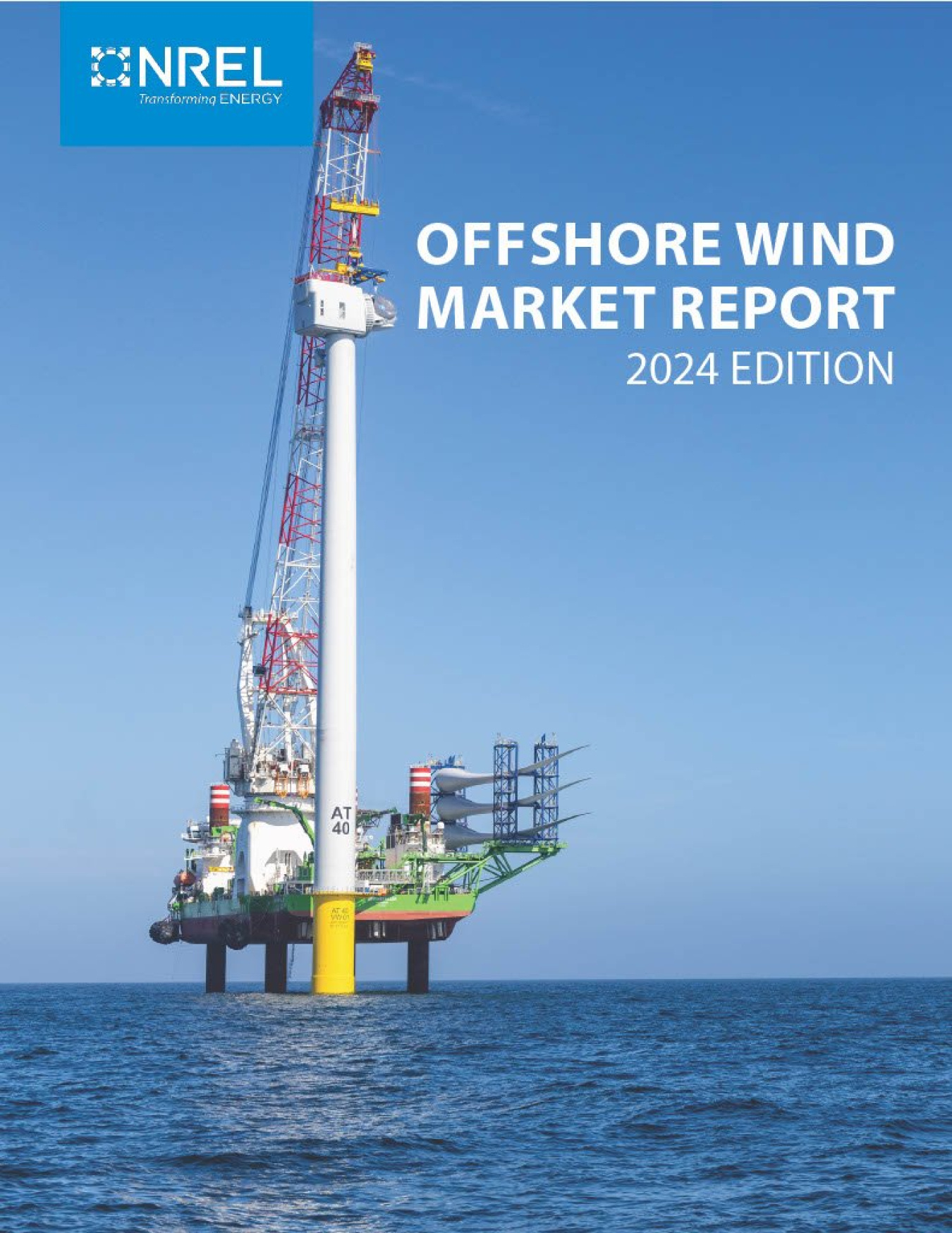
The annual Offshore Wind Market Report provides detailed information on the U.S. and global offshore wind energy industries to inform policymakers, researchers, and analysts about technology, economic, and market trends.
The report covers global operating offshore wind energy projects and assesses the current state of the offshore wind sector and future outlook of the industry.
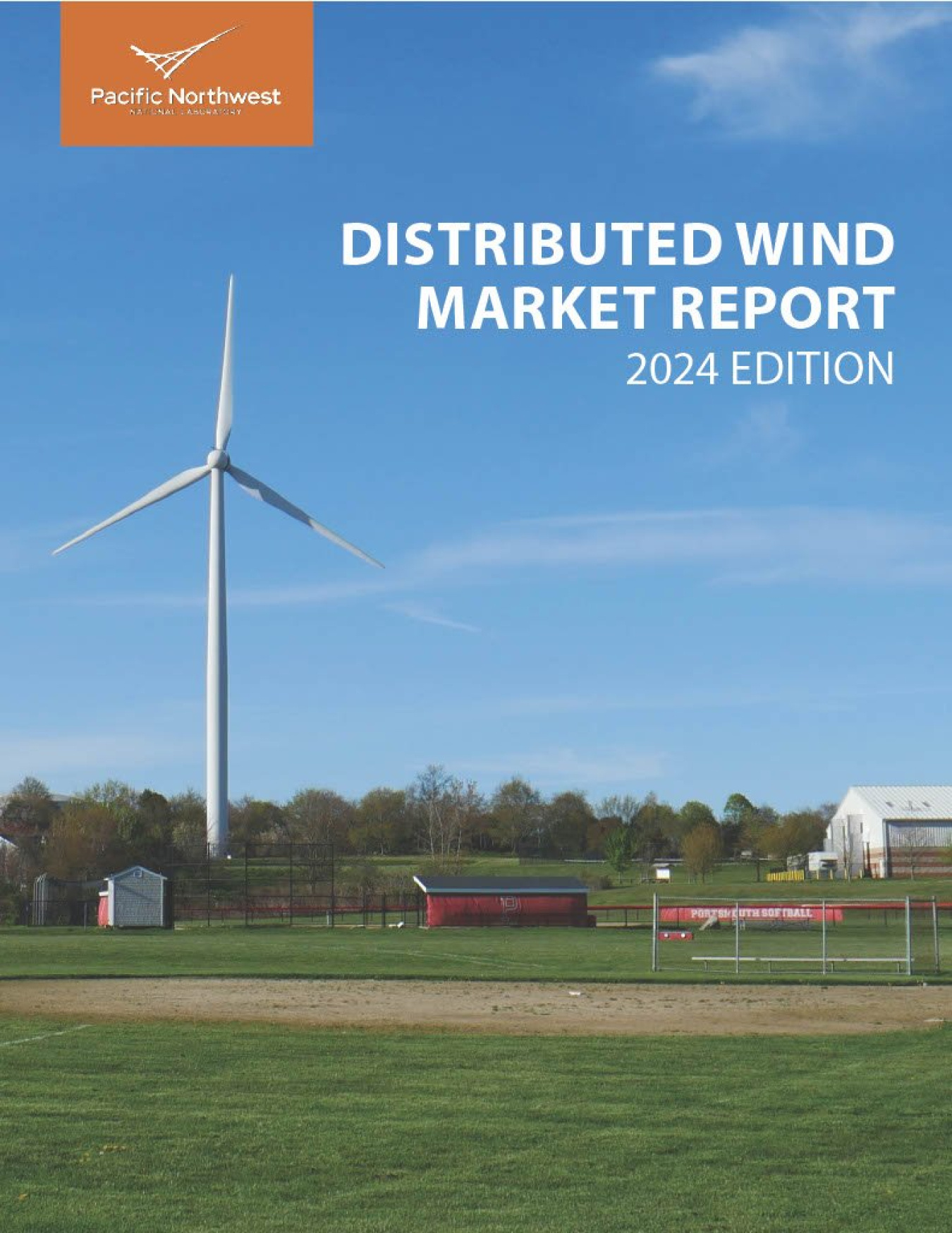
The annual Distributed Wind Market Report provides stakeholders with statistics and analysis of the distributed wind market— which includes power from wind turbines installed near where the power will be used—along with insight into U.S. trends and characteristics.
The 2024 edition of the report analyzes distributed wind projects of all sizes and details the U.S. small wind market for the 2023 calendar year.
$17 Million to Enhance the Reliability of Offshore Renewable Energy Deployments
DOE and DOI announced the selection of 14 projects totaling nearly $17 million to further support durable and environmentally responsible U.S. offshore wind energy and marine energy deployments. These projects include research to improve the integrity of mooring systems that keep floating offshore wind energy platforms and marine energy converters in position and research to reduce or avoid noise generation during the installation of fixed-bottom offshore wind energy foundations.
Ongoing Funding Opportunities
The National Offshore Research and Development Consortium (NOWRDC) established in 2018, is a nationally focused, not-for-profit organization dedicated to advancing offshore wind technology in the United States. Through collaboration with industry, academia, and government entities, NOWRDC funds prioritized research and development activities to reduce the levelized cost of energy of offshore wind while maximizing economic and social benefits. NOWRDC announced its Solicitation 4.0, a $10.6 million opportunity focused on driving innovation in floating offshore wind technology with aims to address near-term challenges in the U.S. offshore wind sector with high-impact projects targeting technological, environmental, and cost barriers to accelerate the deployment of floating offshore wind. Supported by WETO, the California Energy Commission, New York State Energy Research and Development Authority, Massachusetts Renewable Energy Center, and the BOEM, NOWRDC Solicitation 4.0 aims to revolutionize floating offshore wind technology. Learn more.
WETO announced Offshore Wind National and Regional Research and Development Funding Opportunity, which will award $48.6 million for projects that address several major areas of need for offshore wind. The areas include accelerating R&D of floating offshore wind platforms; exploring innovations for fixed-bottom foundations; improving offshore wildlife protection through new monitoring technologies; expanding the reach of the domestic supply chain; advancing U.S. academic leadership in floating offshore wind; and investigating solutions to protect future infrastructure from lighting. Learn more.
WETO in coordination with Innovation Fund Denmark contributed $2.1 million for a total of $4.2 million to support U.S.-Danish consortia collaborating on shared research objectives to improve floating offshore wind energy mooring and anchoring technologies and methods towards cost-effective commercialization and industry growth. Offshore wind operations can boost reliable, independent energy for all Americans, as well as those around the world.
Subscribe to the Integrated Energy Insider Newsletter to get the latest news in the new year and learn about opportunities to get involved in wind energy.