



Bioenergy Supply Chain
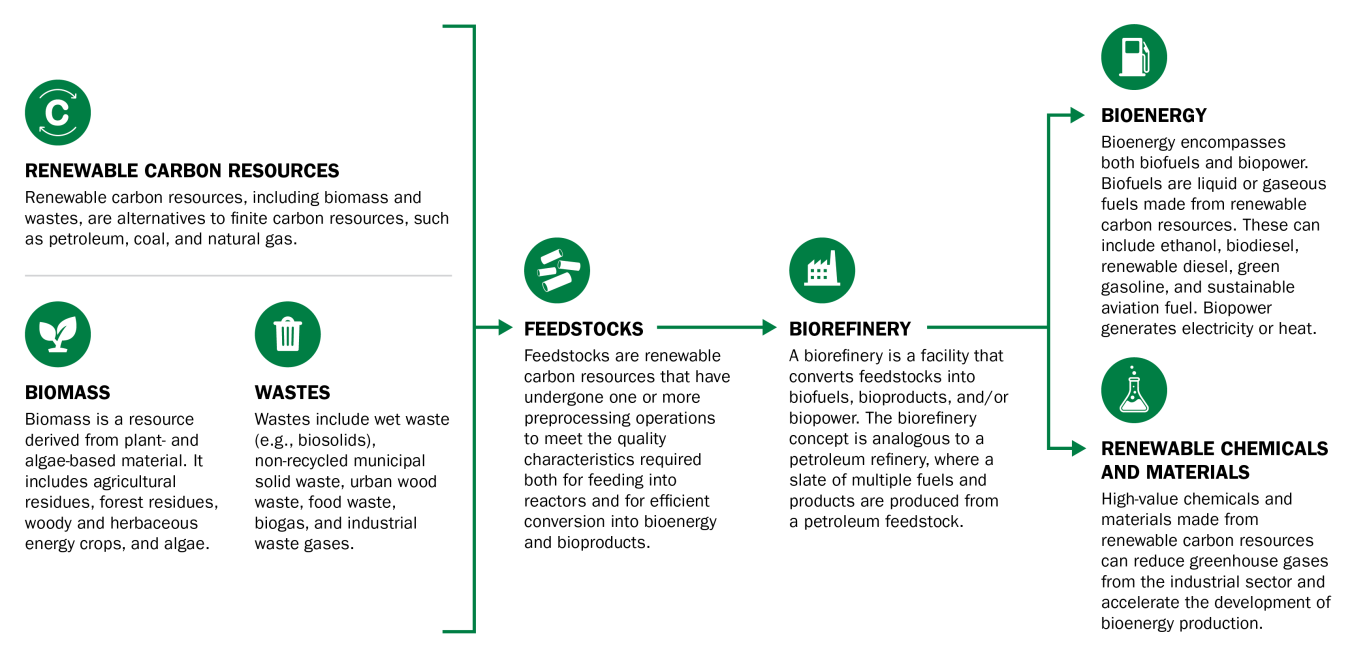
Carbon-based resources are regularly regenerated, either via photosynthesis (e.g., plants and algae), or through regular generation of carbon-based waste (e.g., the non-recycled portion of municipal solid waste, biosolids, sludges, plastics, and CO2 and industrial waste gases).
Scope
- Agricultural residues (e.g., corn stover—corn stalks, cobs, and leaves)
- Forestry residues (e.g., logging residues, forest thinning)
- Purpose-grown energy crops
- Algae (e.g., microalgae, macroalgae, cyanobacteria)
- Herbaceous crops (e.g., switchgrass, miscanthus, energy cane, sweet sorghum, high-biomass sorghum)
- Short rotation woody crops (e.g., hybrid poplars, shrub willows)
- Over wintering secondary crops (e.g., carinata, pennycress)
- Waste streams (e.g., the non-recycled organic portion of municipal solid waste, forest industrial wastes, biosolids, sludges, manure slurries, food waste, plastics, CO2 and industrial waste gases).
- Resources from ecosystem restoration or maintenance (e.g., harmful algal blooms, invasive species, salvaged material from natural disasters, fire mitigation)
- Commodity crops (e.g., corn, grain sorghum, oil seed crops)
Each of these resources has unique considerations related to quality, logistics, siting, viability, regulations, and economics. The Feedstocks Technologies R&D program aims to optimize the use of each resource considering numerous renewability indicators including land-use change, emissions, biodiversity, resource conservation, wildlife habitat, fire mitigation, food security, social well-being, and water, soil, and air quality. Learn more.
Activities
The Feedstocks Technologies R&D approach is organized around the following activities: Production and Sourcing, Logistics, Feedstock-Conversion Interface, Waste Management, Environmental Remediation, and Carbon Management.
Production and Sourcing
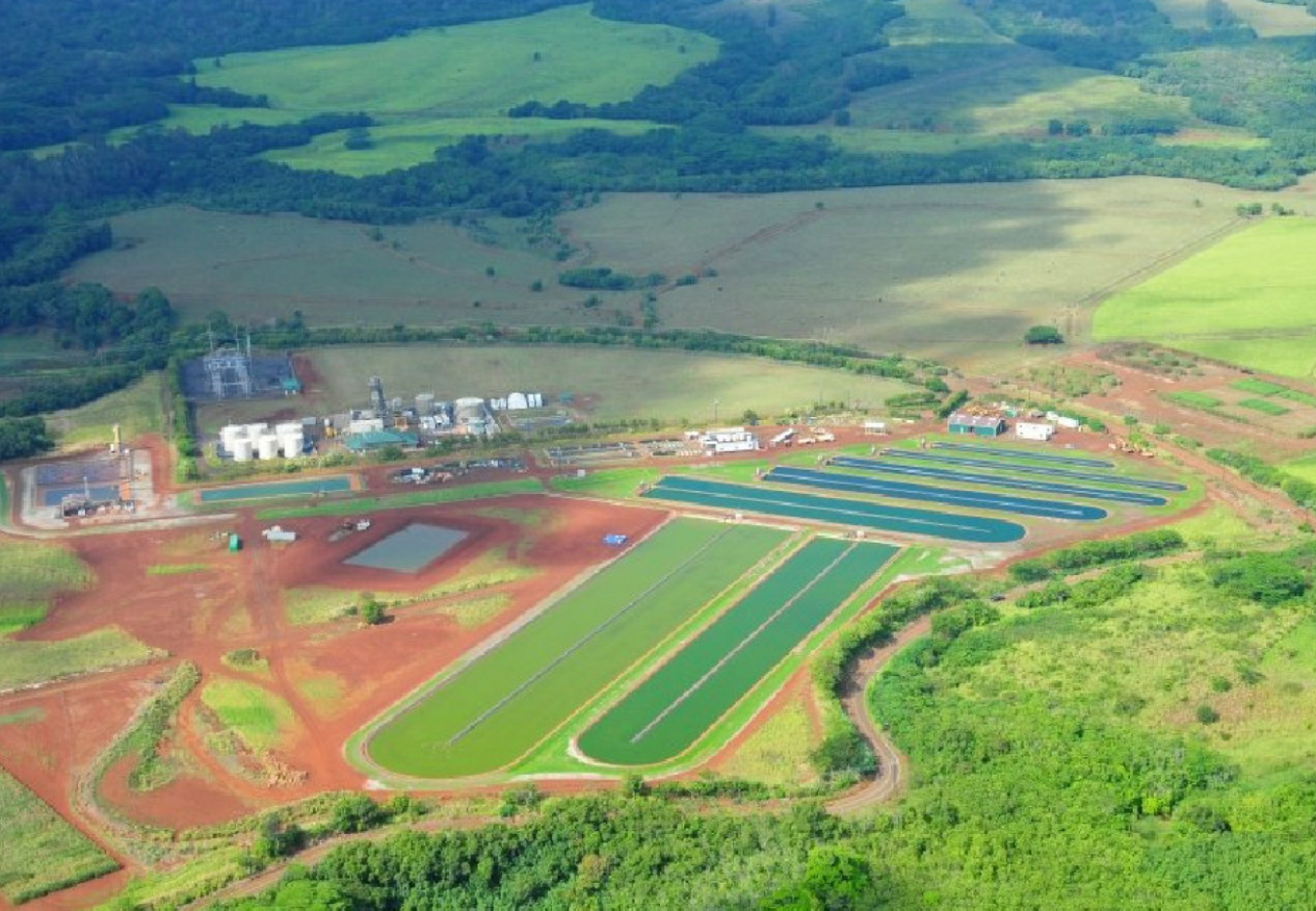
Production and Sourcing RD&D focuses on improving the economic production or supply of renewable carbon resources.
Logistics
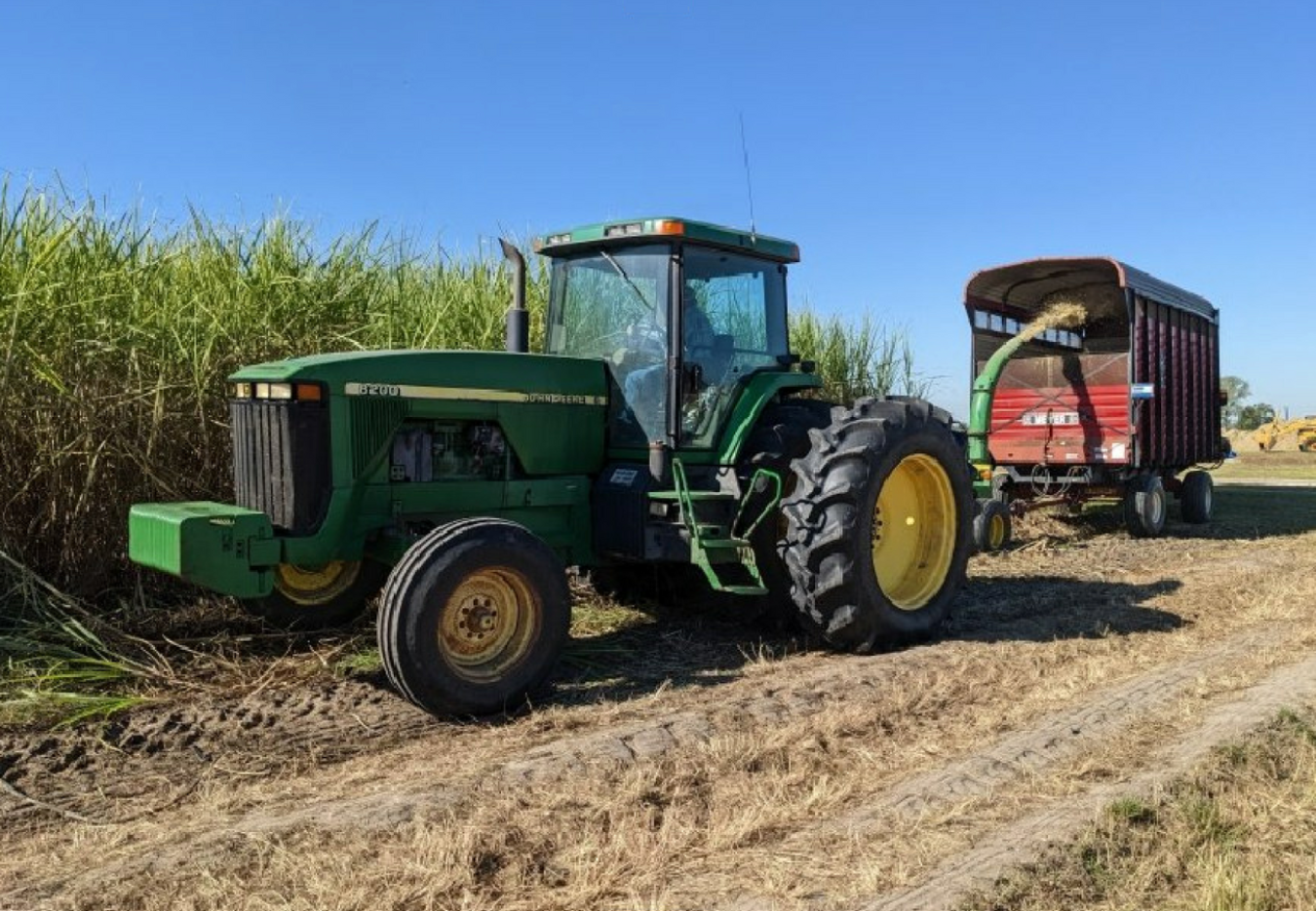
Resource logistics consist of the harvest, collection, preprocessing, and transportation of biomass and wastes to the biorefinery.
Feedstock Conversion Interface
The behavior and performance of biomass in supply, preprocessing, and conversion operations are addressed through feedstock-conversion interface RD&D activities.
Waste Management
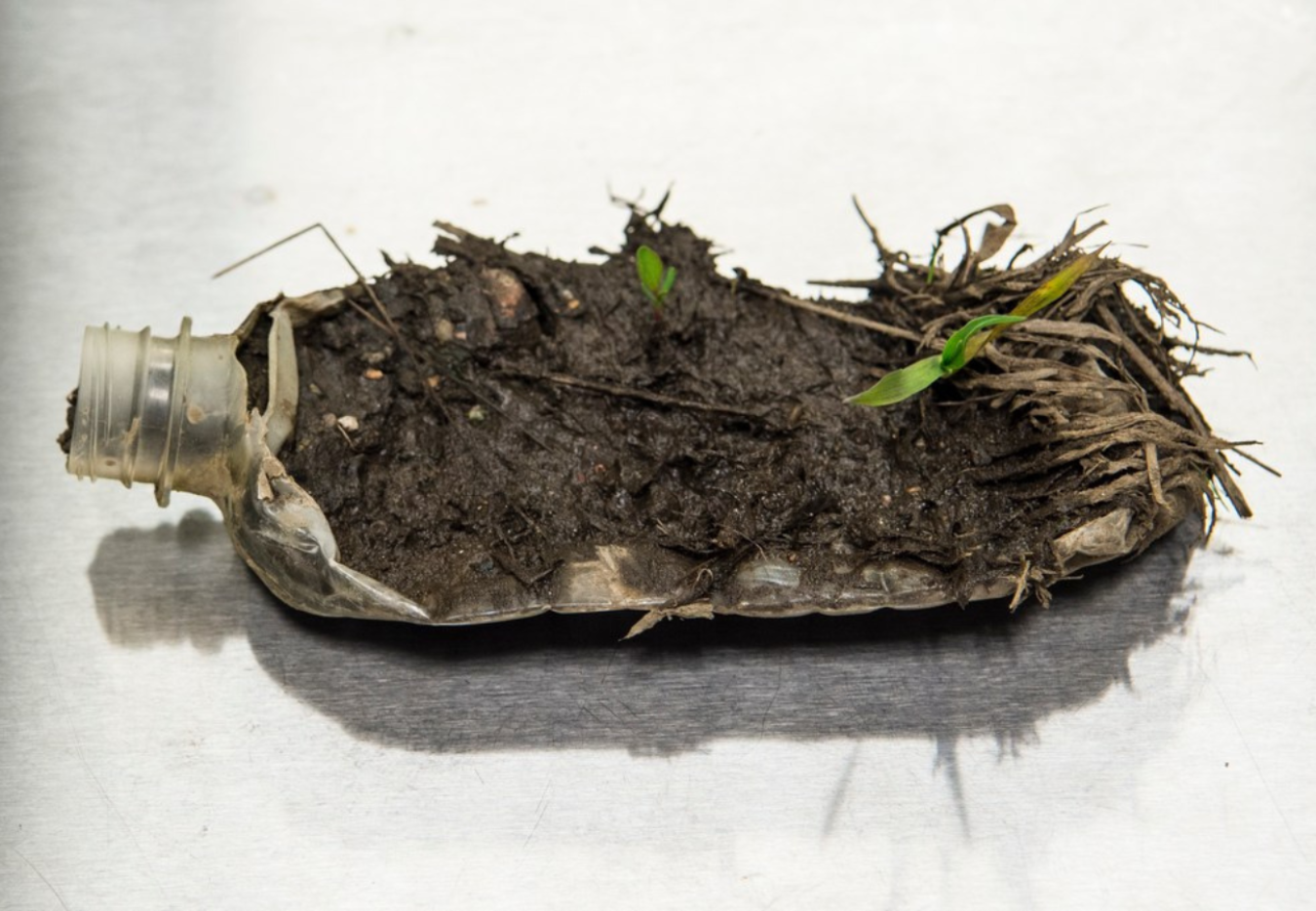
To accelerate the beneficial use of waste streams, RCR focuses on developing technologies to characterize, separate, fractionate, and preprocess waste streams.
Environmental Remediation
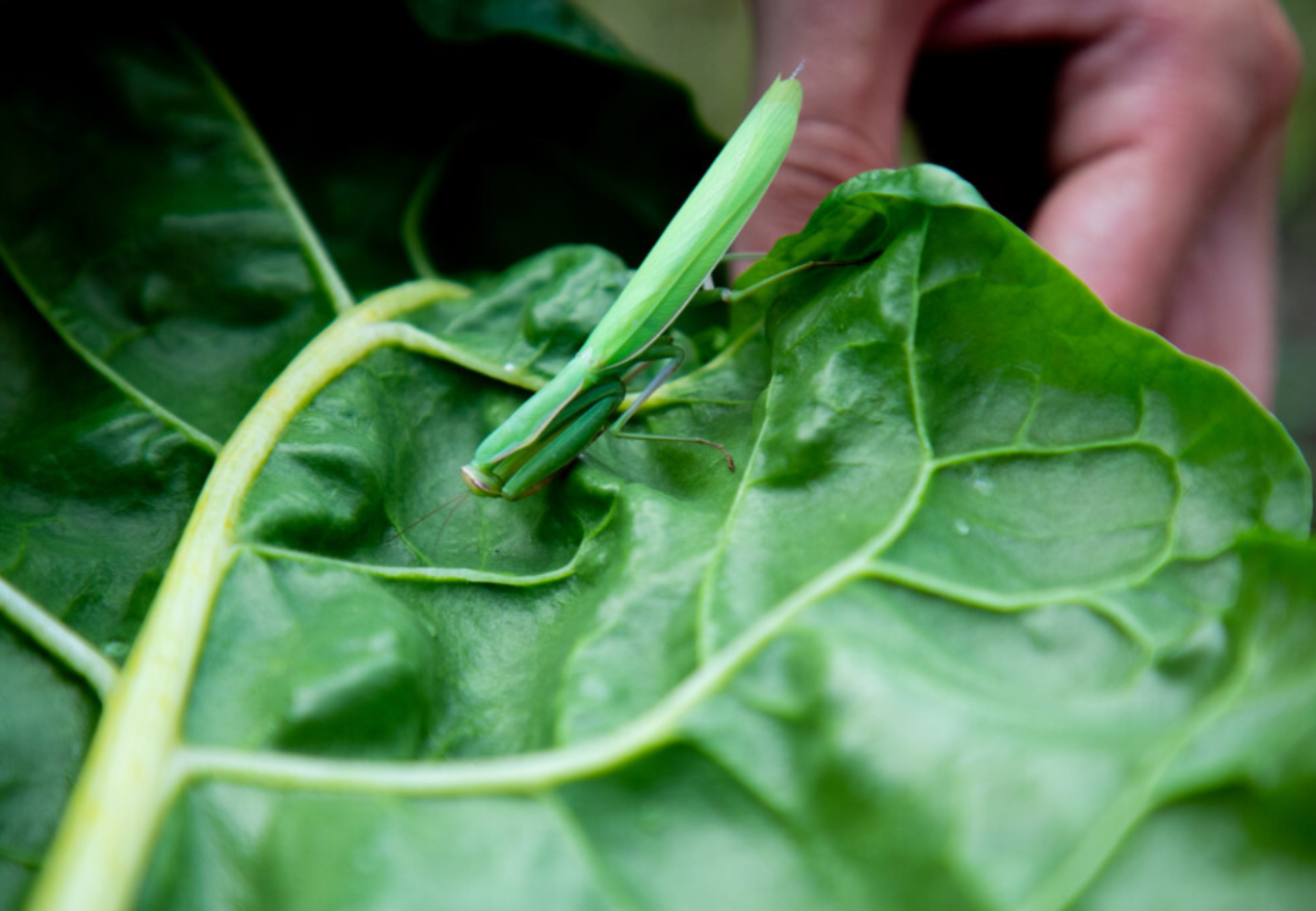
In addition to waste management and production of renewable biofuels and bioproducts, R&D goals includes using the unique qualities of biomass.
Carbon Management
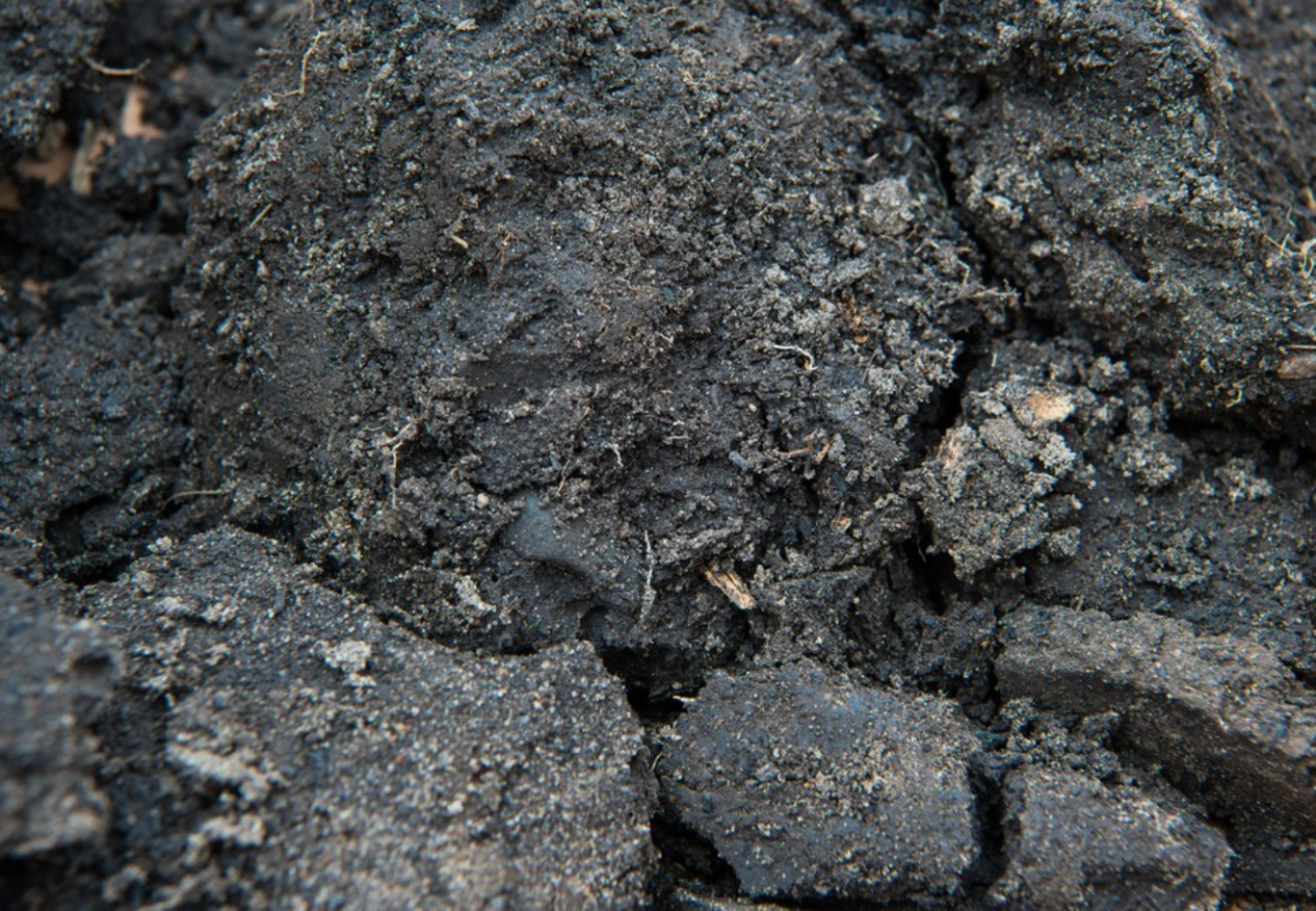
To offset emissions from various sectors, sinks are needed for carbon capture.