



On May 20, 2026, in Washington, D.C., the Federal Energy Management Program (FEMP) honored federal energy champions who were selected for 2025 recognition.
Honorees were selected by agency leaders and peers as federal champions who are going above and beyond typical day-to-day responsibilities to achieve mission success while also cutting energy waste, reducing costs, optimizing performance, and advancing America's progress toward energy independence and security.
Congratulations to the 2025 FEDS Spotlight honorees!
Professional Achievement | Team of Two | Adam Carlson and Reginald (Reggie) Williams
Adam Carlson and Reginald ‘Reggie’ Williams led the development, negotiation, and award of two energy savings performance contracts (ESPCs) valued at more than $500 million and spanning 24 public building assets within the District of Columbia. They redesigned mechanical, electrical, and plumbing concepts across multiple facilities, which required rebidding many of the energy conservation measures (ECMs) and negotiating fair, reasonable pricing.
Their efforts advanced the General Services Administration’s (GSA) mission by lowering operational costs and addressing deferred maintenance across the Public Buildings Service inventory. They also played a role in moving forward the decoupling of 24 GSA buildings from the historically inefficient central steam heating plant, Heating Operations and Transmission Division (HOTD), improving reliability and resilience across the federal portfolio.
Future Leader | Individual | Marian Thomas
Marian Thomas, an ESPC specialist, orchestrated four multi-million-dollar ESPC actions within a few months, supporting the decoupling of 24 GSA buildings from the often unreliable and costly central heating plant, HOTD. She also developed customized memorandums of agreement for numerous federal agencies that allowed GSA to include delegated facilities in ESPCs for the first time. Her work improves operational control, increases energy efficiency, and establishes a scalable model to decouple additional facilities, saving millions of dollars in maintenance and repair costs while strengthening long-term reliability.
Innovator | Team of Two | Zao Huang and Hector Dietsch
The National Aeronautics and Space Administration (NASA) Goddard Space Flight Center’s (GSFC) Engineering and Technology Directorate (ETD) team, led by Zao Huang and Hector Dietsch, analyzed energy use in laboratory cleanrooms to identify cost-saving practices. They identified cleanroom fans as significant energy users at GSFC and implemented a fan speed setback strategy in unoccupied and underused cleanrooms. Pilot testing in 2025 showed potential energy cost savings of approximately $350,000 annually. The approach is being expanded across all ETD-managed cleanrooms and will be shared by NASA as a best practice to achieve additional savings across the agency and federal government.
Professional Achievement | Individual | Tyrone Pelt
Tyrone Pelt, energy manager for the U.S. Department of Agriculture’s (USDA) Agricultural Research Service, leads agency-wide efforts in energy and water conservation, energy consumption reporting, recycling, and utility management. He oversees 95 laboratory campuses across North America, totaling more than 14 million square feet. Pelt also serves on USDA and FEMP working groups, supporting partnerships with the National Laboratory of the Rockies and Lawrence Berkeley National Laboratory to advance innovative energy projects. Over the past year, his efforts have supported $1.5 million in annual energy cost savings and improved USDA’s utility management through coordination with more than 200 utility companies nationwide.
Professional Achievement | Individual | Anne Delp
As acting Safety and Environmental Compliance Director for the National Oceanic and Atmospheric Administration (NOAA), Anne Delp serves as the agency’s lead expert on hazardous material handling and disposal. She oversees compliance across all NOAA programs, using site audits to identify issues, educate on-site staff, and prevent future violations. Delp also leads tailored virtual trainings on relevant topics such as hazardous waste, spill prevention, and the Emergency Planning and Community Right to Know Act. Delp manages a small, high-performing team that delivers timely analyses and helps NOAA stay ahead of emerging challenges, including per- and polyfluoroalkyl substances (PFAS) contamination risks. Her work consistently earns high praise from project managers for helping them navigate complex environmental compliance situations.
Innovator | Team of Two | Terrina Long and John Magruder
Terrina Long and John Magruder led a complex operational transformation at the U.S. Census Bureau during its shift to a fully on-site workforce. They delivered a 40% reduction in physical office space usage while managing the $205 million Census Reimagined renovation of the Census Bureau Headquarters facility in Suitland, Maryland. They coordinated with internal and external stakeholders, including the GSA, to meet design, network, and security requirements without disruption to mission operations.
Under their leadership, more than 650,000 square feet across 10 floors were converted into a secure, digitally enabled environment that supports in-person collaboration with a minimal energy footprint. Their work enabled a seamless return of more than 3,600 employees and established a more efficient, long-term space management model that will deliver lasting benefits for the Census Bureau and the broader federal footprint for years to come.
Professional Achievement | Individual | Dick Stroh
Dick Stroh, a mechanical engineer in the Department of Energy’s (DOE) Bonneville Power Administration (BPA) Energy Efficiency Group, identified irrigation districts as an untapped opportunity for energy savings through equipment modernization. He identified improvements such as upgraded refrigeration systems and automated pump station controls that BPA would implement to better match water supply with demand. In the first year, these efforts resulted in more than 717,000 kWh of energy savings. The combined improvements are projected to conserve 550 million gallons of water and 386,000 kWh of energy annually, with potential for replication across BPA-served irrigation districts.
Over a nearly 50-year career at BPA, Stroh has adapted to significant advances in technology and efficiency, refining his approach to consistently deliver practical, customer-focused solutions. He has built strong, lasting partnerships, including with the City of Weiser, Idaho, and a local grocery store, delivering sustained energy savings to vital community resources.
Innovator | Individual | Jason Capron
Jason Capron of DOE’s Hanford Field Office leads complex projects that deliver measurable cost savings and reduce regulatory risk by improving operational efficiency, enhancing risk management, and building stakeholder partnerships that resolve project and regulatory challenges while setting improved standards for negotiation and collaboration. For example, Capron developed strategies aligned with realistic funding levels, averting enforcement action on 14 milestones and preventing potential penalties of up to $350,000 per day.
He also led the development of a groundwater strategy that achieved $35 million in cost efficiencies and informed broader groundwater decisions across the organization, regulatory bodies, and surrounding communities. These efforts accelerated decommissioning and demolition activities, reducing anticipated surveillance and maintenance costs by more than $20 million. Capron also introduced a structured approach to drafting regulatory documents and developed a technical disagreement process that preemptively resolves issues that were historically major sources of delay.
Innovator | Individual | Thane Miller
Thane Miller, BPA’s supervisory architect for facilities modernization, led the integration of modern heating, ventilation, and air conditioning (HVAC) systems and high-efficiency plumbing fixtures that reduced electricity and water consumption by 40% while lowering cooling demand and sewer discharge. At the Vancouver Control Center (VCC), he isolated high-heat equipment with dedicated climate controls and planned for a future direct current microgrid to avoid costly retrofits.
Miller designs facilities that not only meet minimum code requirements but serve as models for resource management. His work at the Technical Services Building reduced indoor air pollutants by 90% through the use of low-volatile-organic-compound materials. He also pioneered the use of prefabricated panels that cut construction waste by 75%, reused salvaged building elements, and incorporated bioswales and pollinator-friendly native plantings to support biodiversity and better manage stormwater. His designs also include infrastructure for future systems like microgrids, making upgrades more cost-effective over time while reducing long-term construction, landscaping, and water use costs.
Innovator | Individual | Ryan Gardner
Ryan Gardner manages energy and water initiatives for Veterans Integrated Service Networks (VISN) 21, delivering measurable cost savings and supporting Department of Veterans Affairs (VA) priorities. In Fiscal Year 2025, he ensured all quadrennial energy audits were completed on schedule and acted on every identified savings opportunity. He secured a $10 million Assisting Federal Facilities with Energy Conservation Technologies (AFFECT) grant, applied to San Francisco’s utility energy service contract (UESC) and executed a $2.8 million buy-down for the Menlo Park 2017 UESC, significantly reducing project costs.
Gardner also oversaw approximately $200 million in energy projects, including a preliminary assessment for the Palo Alto ESPC and a $43 million modification to the San Francisco 2024 UESC. He streamlined delivery by aligning audits with performance contracts and establishing VISN-wide energy policies. He also partnered with many federal and nonfederal stakeholders, delivered performance contracting training to VISN staff, and represented VISN 21 on a FEMP panel to share best practices.
Professional Achievement | Individual | Shelly Schmidt
Shelly Schmidt, a Senior Energy and Water Program Manager, has executed more than 100 contract actions totaling $80 million, directly supporting mission assurance through energy assurance. She manages energy budget requirements to align funding with strategic priorities while addressing mission-critical needs across the Department of the Air Force (DAF). Her coordination ensures accurate, timely congressional and Office of the Secretary of War (OSW) briefings that support legislative engagement and the financial health of energy-related initiatives.
Schmidt also provides direction for efforts within the Air Force Water Resources Management Program, including the Mountain Home Water Resilience Project and development of the DAF Water Dashboard. She has led targeted studies and investments that improve water security and inform long-term planning, such as a partnership with the U.S. Geological Survey to conduct aerial electromagnetic surveys and evaluate brackish water resources at Cannon Air Force Base (AFB) to enhance water security.
Professional Achievement | Individual | Trae Martin
Trae Martin drove measurable efficiency improvements across Fairchild AFB utility programs, reducing annual, reportable energy consumption and costs by improving accounting accuracy and preserving utility meter integrity. He has also led innovative pilots such as eJARVIS, navigating cybersecurity requirements to test energy management technologies that use artificial intelligence.
Martin also supported the planning and execution of the longest Energy Resiliency and Readiness Exercise in Air Force history, generating data to test and validate the base’s response to utility disruptions. He supported strategic projects including an emergency interconnection with the City of Spokane water system, substation replacement, base-wide meter replacements, a stormwater infiltration study, and development of a multi-hangar energy savings and resiliency project. These efforts strengthen Fairchild AFB’s operational capability by building a more robust, redundant, and secure utility infrastructure.
Professional Achievement | Individual | Samuel Beaudoin
Samuel Beaudoin, Chief of Energy Resiliency, leads a team that oversees energy programs across more than 90 installations in 50 states and four U.S. territories, ensuring performance and compliance with federal requirements. His oversight has optimized performance, upheld DAF’s commitment to efficient and secure energy management, and ensured all congressionally mandated goals were met.
Beaudoin also engineered a streamlined process to overcome barriers to executing third-party-financed energy projects, enabling installations to more effectively plan, fund, and execute critical initiatives that close energy security gaps. Under his direction, the program is advancing 33 projects valued at more than $50 million, with an additional 36 projects in development, creating a robust pipeline for future infrastructure hardening.
Professional Achievement | Individual | Martin Naranjo
Colonel Martin Naranjo is a leader in the modernization of the U.S. Army Reserve’s utility infrastructure. He serves as the Director of the Army Reserve Installation Management Directorate (ARIMD) and previously served as Director of Public Works (DPW) for the 63rd Readiness Division.
At DPW, he spearheaded the first-ever virtual Installation Energy and Water Plan in the Army Reserve, a roadmap for enhancing resilience across a seven-state region, and led initiatives that reduced energy use by 36%, reduced water consumption by 58%, and generated 2,530 MWh of on-site energy annually. He has expanded these strategies across the Army Reserve and advanced the use of intergovernmental support agreements to streamline procurement. He also supported critical energy security projects, including a $24 million microgrid project at Fort Hunter Liggett, California, and secured $49.4 million in funding to build three microgrids at critical facilities in Puerto Rico.
Professional Achievement | Individual | Antonio Franco
Antonio Franco serves as the Supervisor Engineer and Operations Branch Chief, overseeing programs including the Utility Privatization Program, Utility Commodity usage and cost management, Utility Monitoring and Control Systems (UMCS), metering, and the Energy Resilience and Conservation Investment Program (ERCIP).
Under his leadership, more than 12 utility systems received comprehensive assessments, using alternative analysis, system condition analysis, and business case analysis to deliver actionable recommendations and maintain reliable utility service. Franco advanced standardization across the U.S. Army Installation Management Command (IMCOM) for utility and service reimbursement processes, improving cost predictability across installations. Franco also implemented the UMCS Re-Tuning program across 65 facilities, achieving annual savings of $9.1 million. He supported development of IMCOM’s long-range ERCIP for FY 2023–2032, encompassing 56 projects valued at $1.5 billion.
Professional Achievement | Individual | Jim Imhoff
Jim Imhoff is the lead Action Officer for the Resilient Energy Funding for Readiness and Modernization (REFoRM) and the Black Start Exercise (BSE) programs. He manages the mechanisms that provide critical information to leadership across all levels. He has strengthened the REFoRM program across Active, Reserve, and Guard components and provided fiscal oversight of an Energy and Water Management portfolio exceeding $134 million in FY 2025, supporting 44.5 million square feet of Army Reserve property.
Imhoff advanced REFoRM project execution by delivering improvements from electrical distribution repairs to facility upgrades that enhance both energy security and installation operations. His standardized approach across the Army has improved real-time visibility and collaboration across stakeholders while reducing administrative burden. He improved BSE execution at Headquarters IMCOM by coordinating across leadership, planning experts, and the Installation DPW, enabling timely reporting, corrective action plans, and implementation. Across the 23 BSEs conducted since 2018, Imhoff’s efforts have resulted in REFoRM-funded projects that directly resolve identified corrective actions.
Professional Achievement | Individual | Joseph May
Joseph May’s leadership and problem-solving enhance the energy security and mission assurance of the Defense Supply Center Columbus (DSCC). His management of the installation’s BSE Resiliency Readiness Exercise, an eight-hour drill simulating installation-wide power grid failure, resulted in the agency’s first successful test. As a direct outcome, the exercise identified critical, previously unknown infrastructure gaps. These actions have improved the installation’s ability to sustain mission-essential functions during an energy disruption.May’s efforts also focus on long-term energy security through major construction projects. He is leading the process to secure an ESPC and driving development of an ERCIP to establish a multisource microgrid. These efforts support development of a redundant, black-start-capable power supply that allows the installation to operate independently.
Professional Achievement | Individual | Charlene Woods
Charlene Woods led the execution of the $107.9 million Maxwell AFB ESPC, delivering transformative energy and infrastructure upgrades across Maxwell AFB and Gunter Annex. The project includes chiller plant and HVAC modernization, lighting and water fixture upgrades, building envelope improvements, a 4-MW combined heat and power plant, and retro-commissioning. These enhancements are projected to generate 34.8 GWh in annual electricity savings, resulting in $109.5 million in estimated energy cost savings over the 21-year project term.
Woods also developed an award strategy that prevented a $2.23 million fiscal-year-end cost impact and maintained project schedule and continuity. She positioned the project for future expansion through a potential ESPC energy sales agreement supported by a DOE Assisting Federal Facilities with Energy Conservation Technologies (AFFECT) grant, which should further amplify the project’s long-term value.
Professional Achievement | Individual | Richard Pringle
Richard Pringle, Assistant Chief of Staff for Installation and Environment at Marine Corps Installations National Capital Region and Marine Corps Base (MCB) Quantico, advances mission-critical projects that improve energy and water security installation operation. In 2025, he led the reprogramming of a $139 million military construction water treatment plant into an $89 million initiative that uses community water resources to provide redundancy for MCB Quantico while reducing costs. He coordinated with government and local stakeholders, including water purveyors, Naval Facilities Engineering Systems Command, and Federal Bureau of Investigation staff, to support real estate negotiations, planning, and design.
Pringle also played a key role in planning the Department of Navy’s first Tabletop Water Resilience Readiness Exercise to evaluate the installation’s response to a long-term water outage. This pilot establishes a model for water resilience testing across the Marine Corps.
Professional Achievement | Individual | Jesse Evans
Jesse Evans, Electrical Planner and Estimator for MCB Quantico’s Operations Section, advances energy security initiatives through planning, coordination, and technical expertise. In 2025, he led the Marine Corps’ first Joint Resilience Planning workshop, bringing installation leadership and the serving utility together to identify opportunities to enhance energy security at and around the base. The practices developed through this effort are being applied at other installations to strengthen engagement with their utility partners.
Evans also led the development and award of an electrical utility system assessment to inform the installation’s infrastructure planning. Additionally, he contributed to the execution of an eight-hour BSE Resilience Readiness Exercise in May 2025, providing electrical system expertise to ensure successful performance.
Professional Achievement | Individual | Ricardo Lizasuain
Ricardo Lizasuain has made a transformative impact on the Marine Corps Support Facility (MCSF) Blount Island since 2022 through his focused project development and implementation. He spearheaded the development and FY 2025 selection of the installation’s first ERCIP project, P-035. This $30.5 million initiative includes a 1.125-MW battery energy storage system and dual-fuel generator upgrades to ensure uninterrupted power to critical operations.
By fostering sound energy management practices and driving focused project development, Lizasuain has positioned MCSF Blount Island as a leader in infrastructure reliability and energy security while establishing a model for similar projects across the Marine Corps.
Professional Achievement | Individual | Shawn Nolan
Shawn Nolan identified an energy security gap driven by deferred, installation-wide requirements to recapitalize HVAC systems at Naval Air Station Pensacola. He initiated and hosted a series of training opportunities for public works employees and installation energy managers across the Southeast region, partnering with industry experts to cover both foundational and advanced HVAC topics. Nolan also led efforts to identify and match constrained resources with the highest-priority projects to reduce unnecessary load and align energy resources with mission execution.
Innovator | Team of Two | Robert Johnson and Scott Overby
Robert Johnson and Scott Overby developed energy and water analytics tools for Navy Smart Grid efforts that integrate and analyze data from the Navy’s inventory of smart meters and facility-related control systems in a cybersecure control system platform enclave. These tools provide cloud-based analytics that enable rapid identification of water leaks and energy-saving opportunities while delivering actionable system insights through a common operating picture. Their approach was presented at the FY 2025 Smart Grid Workshop as the first enterprise solution to deploy integrated energy and water analytics. Their work has saved the Navy tens of thousands of gallons of water, kilowatt-hours of energy, and approximately $100,000, with additional savings expected as adoption expands across other regions.
Honorees Ceremony
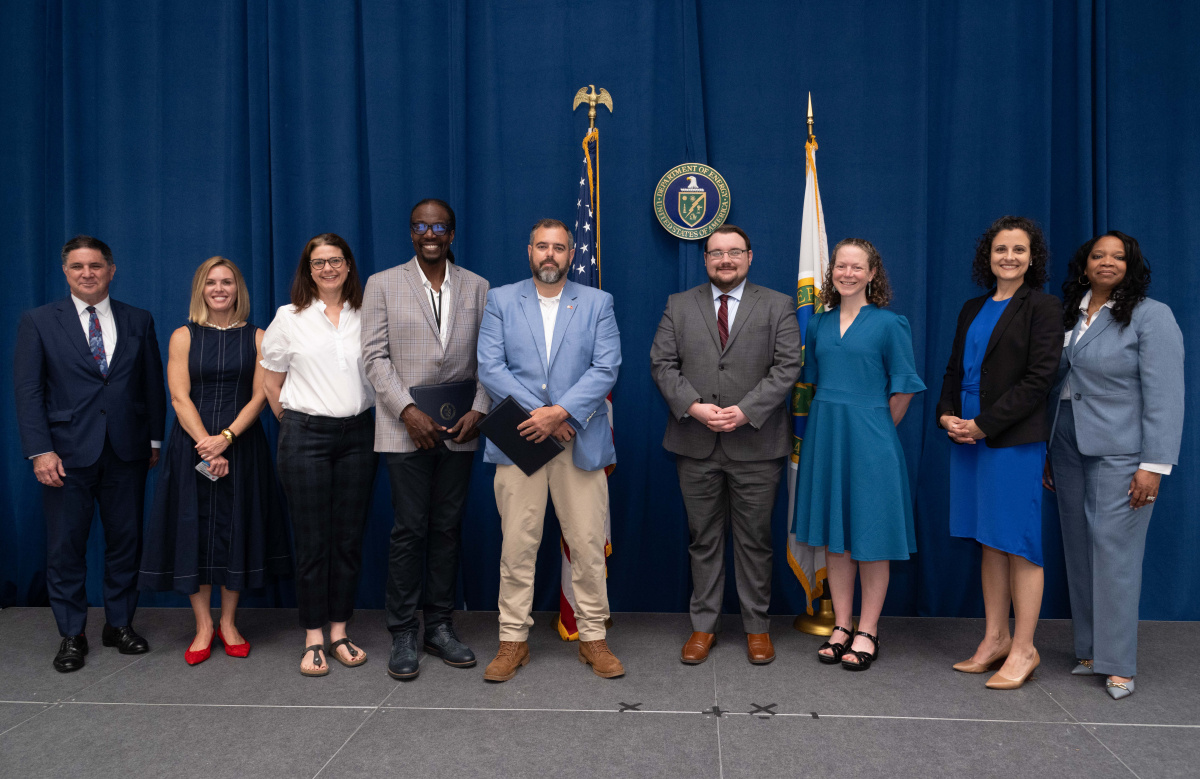
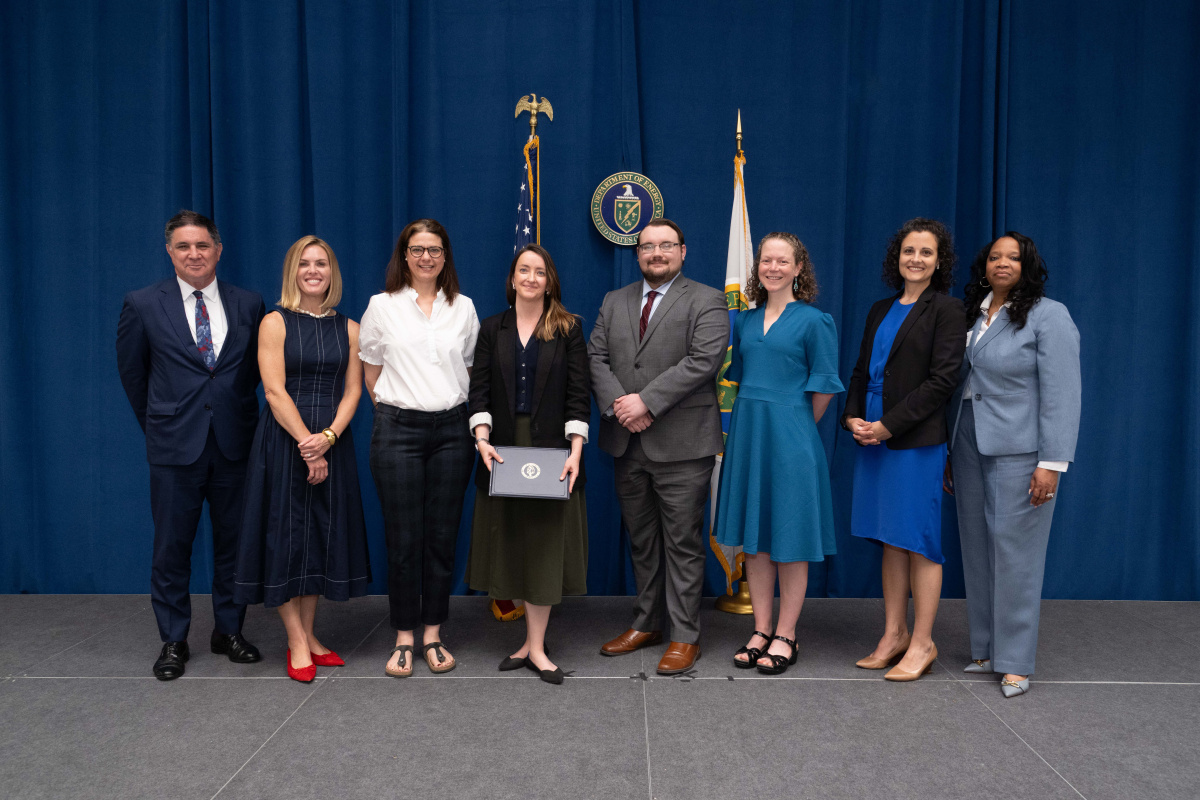
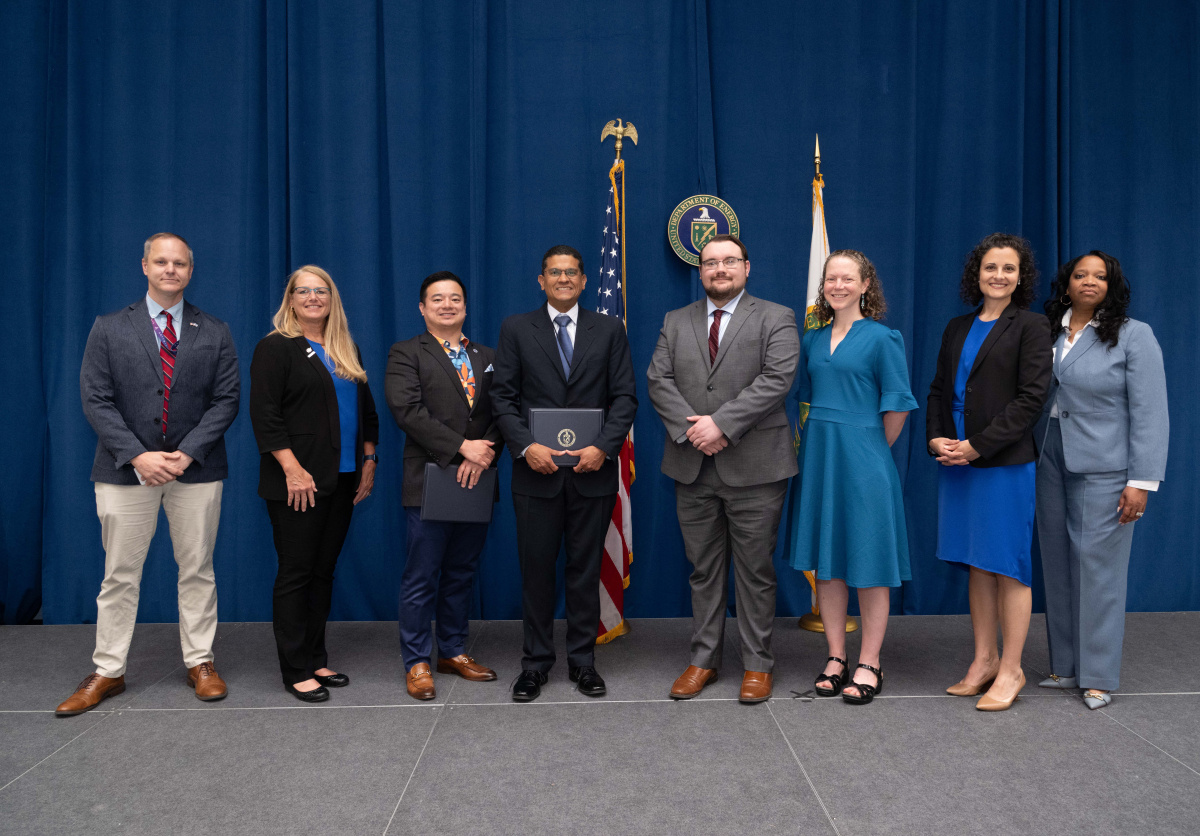
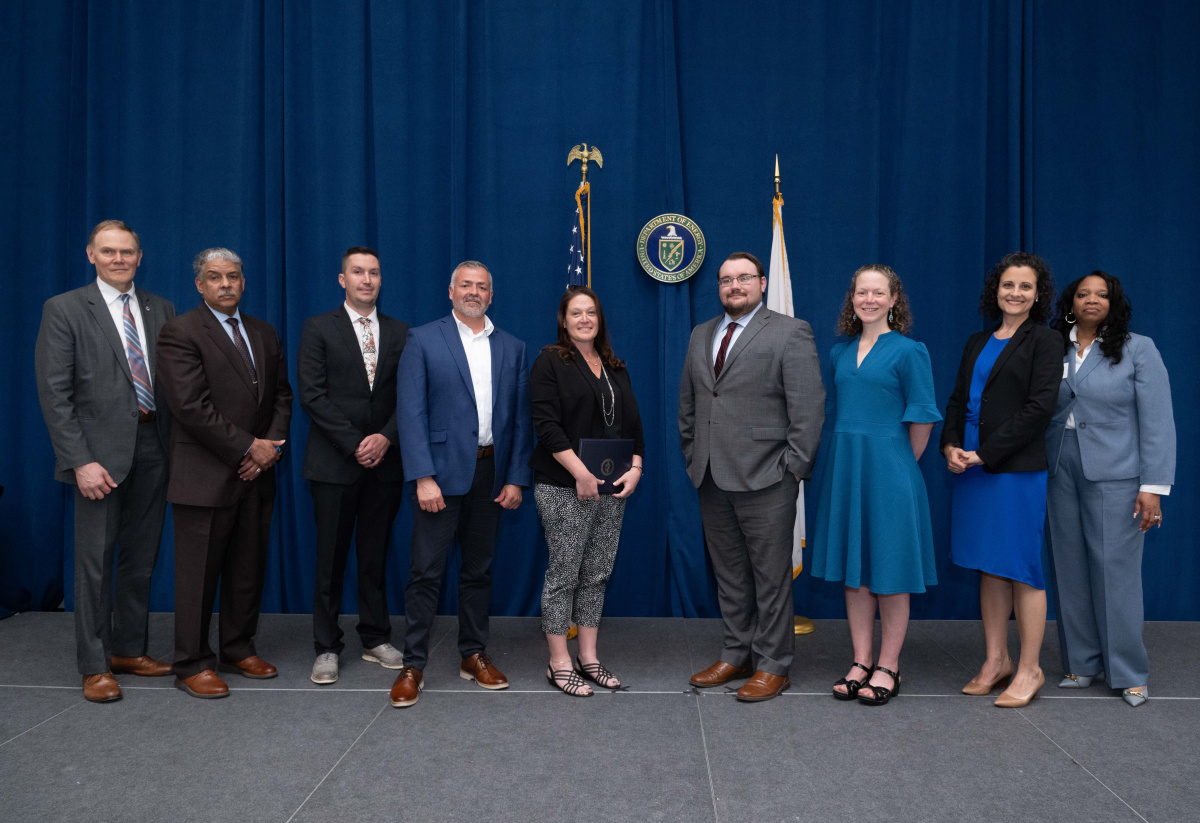
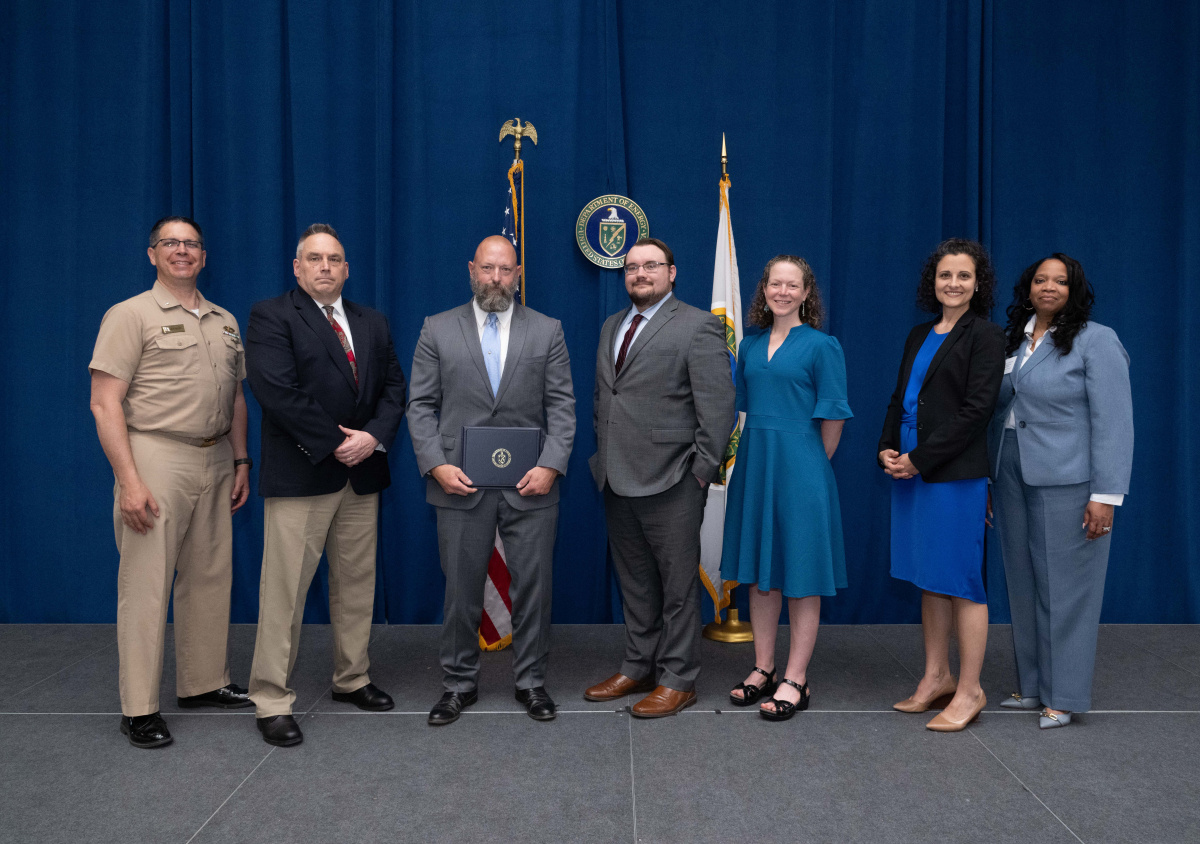
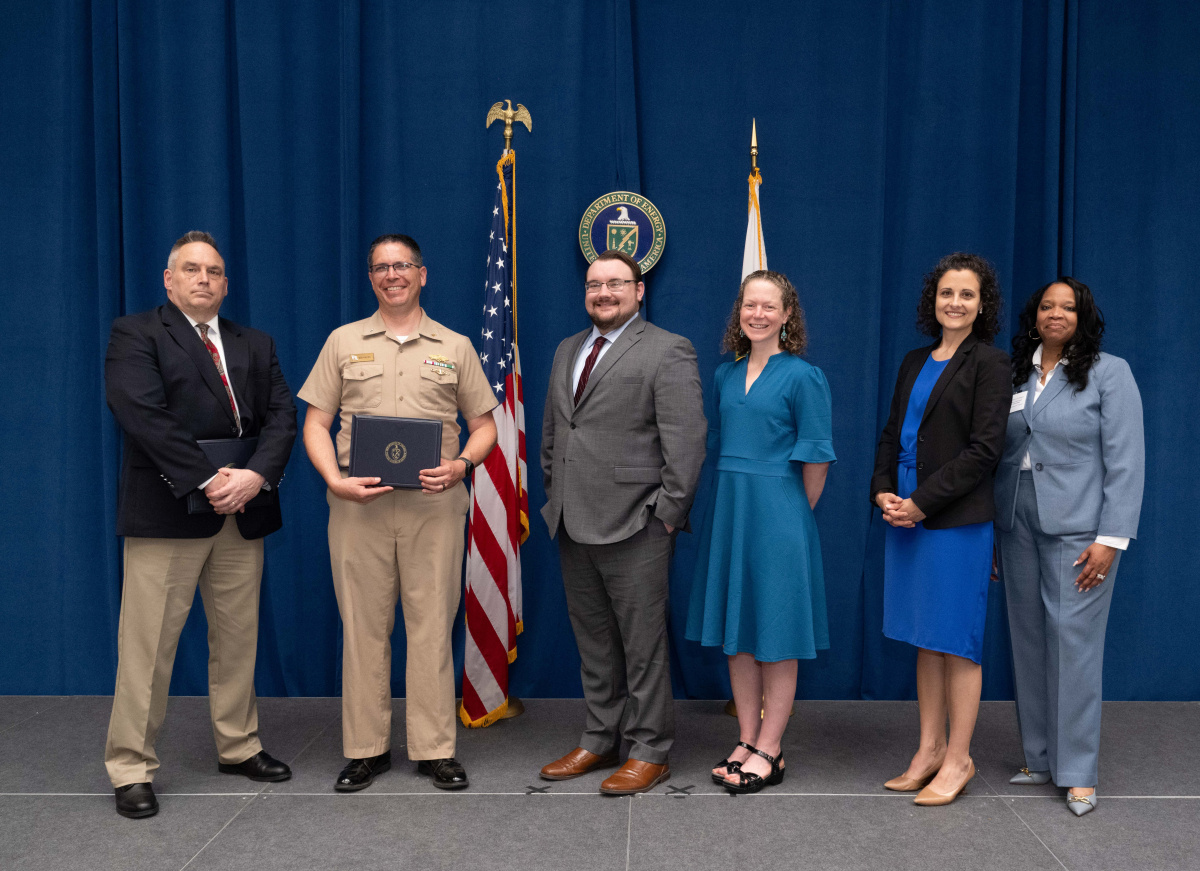
FEMP honored federal energy champions who were selected for 2025 recognition on May 20, 2026, in Washington, D.C. View images from the ceremony below.
Photos by Department of Energy photographer Donica Payne.
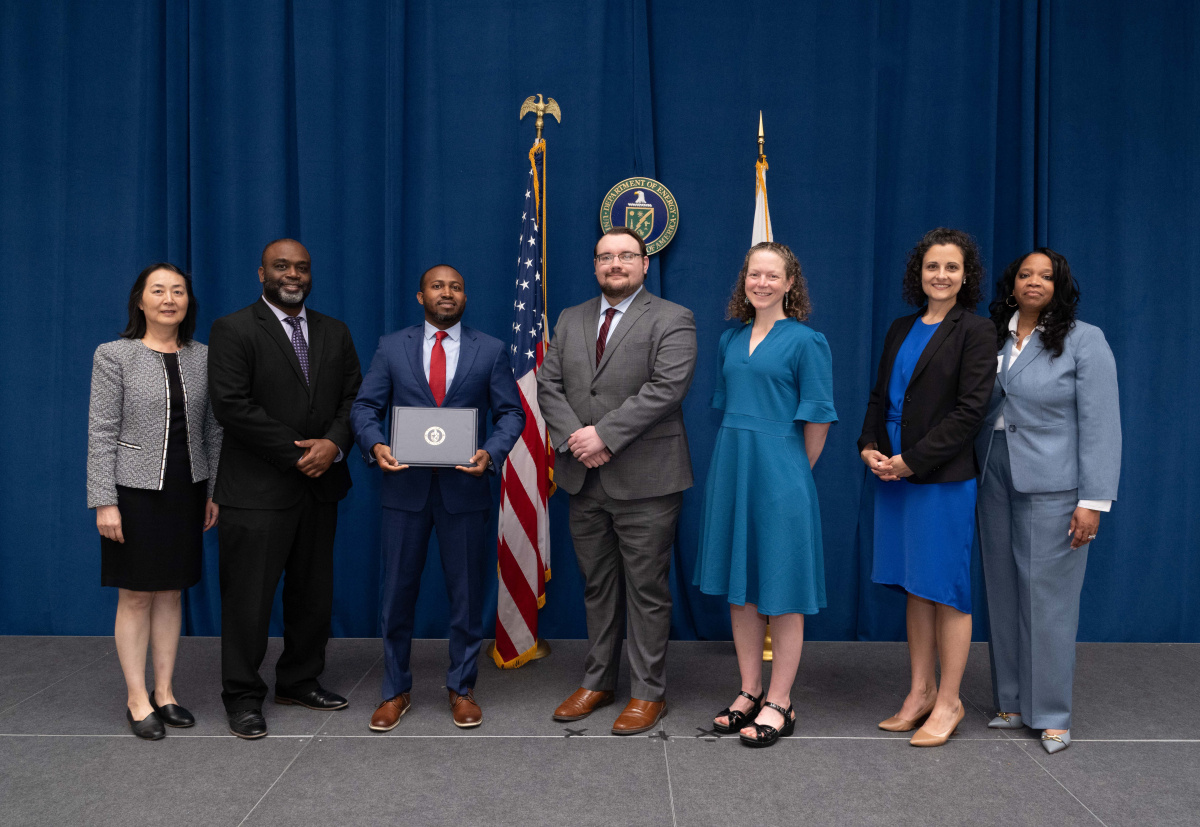
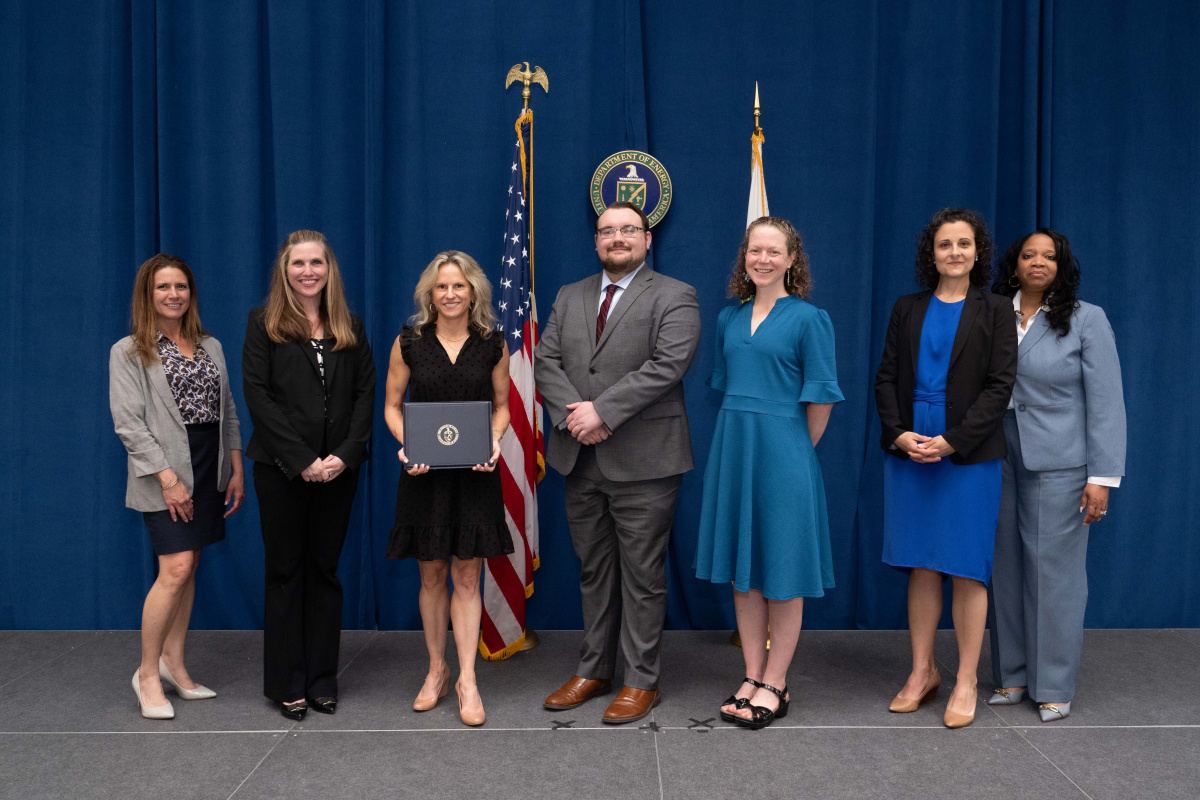
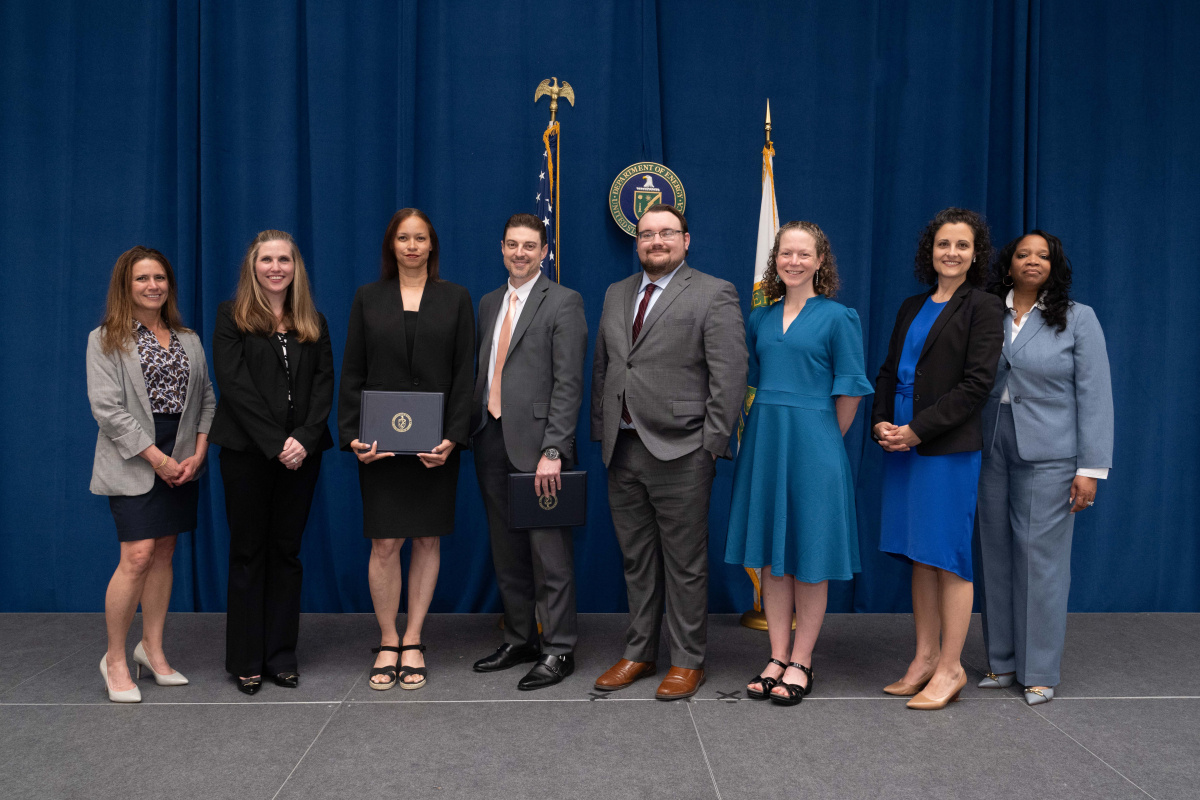
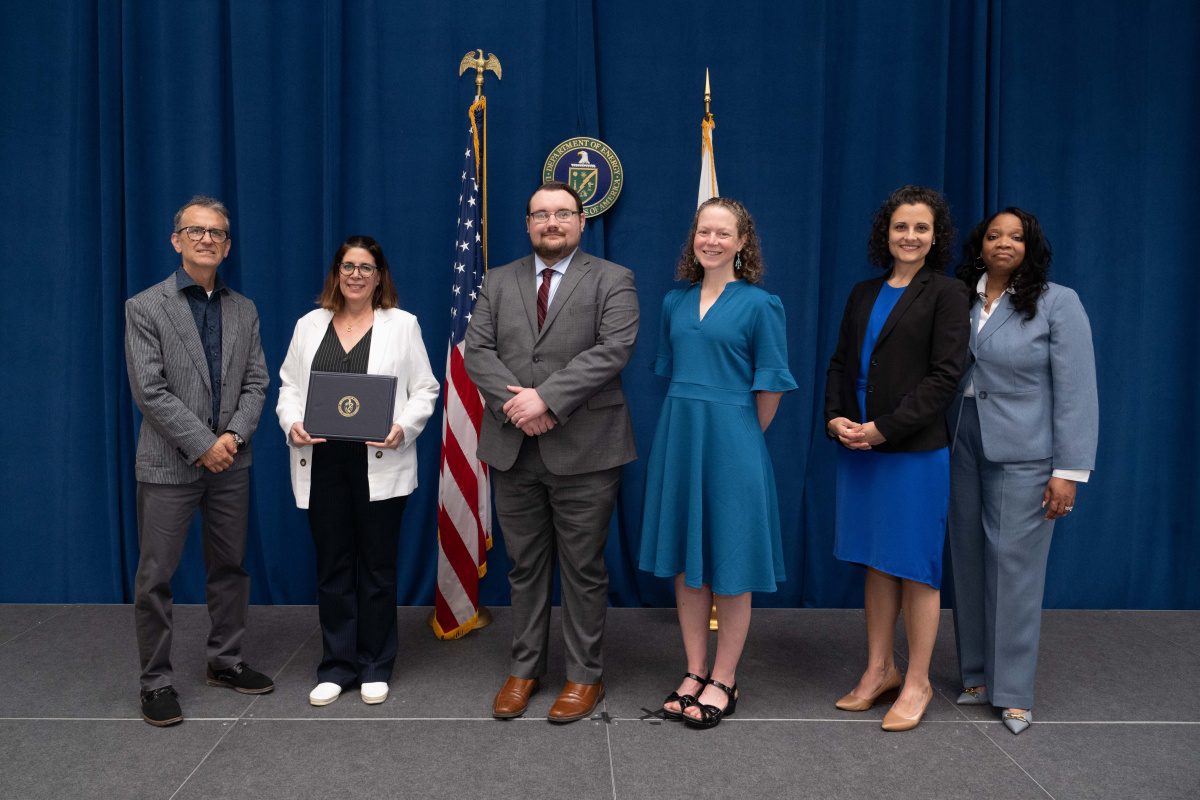
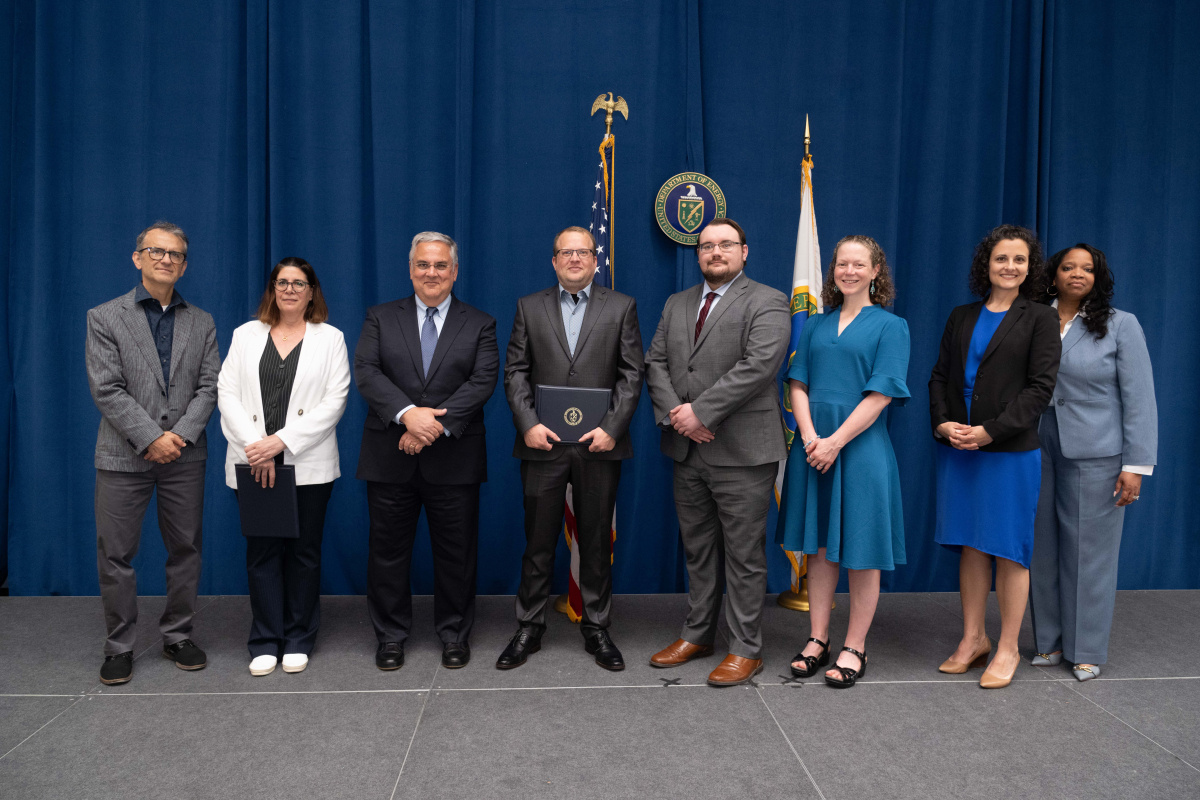
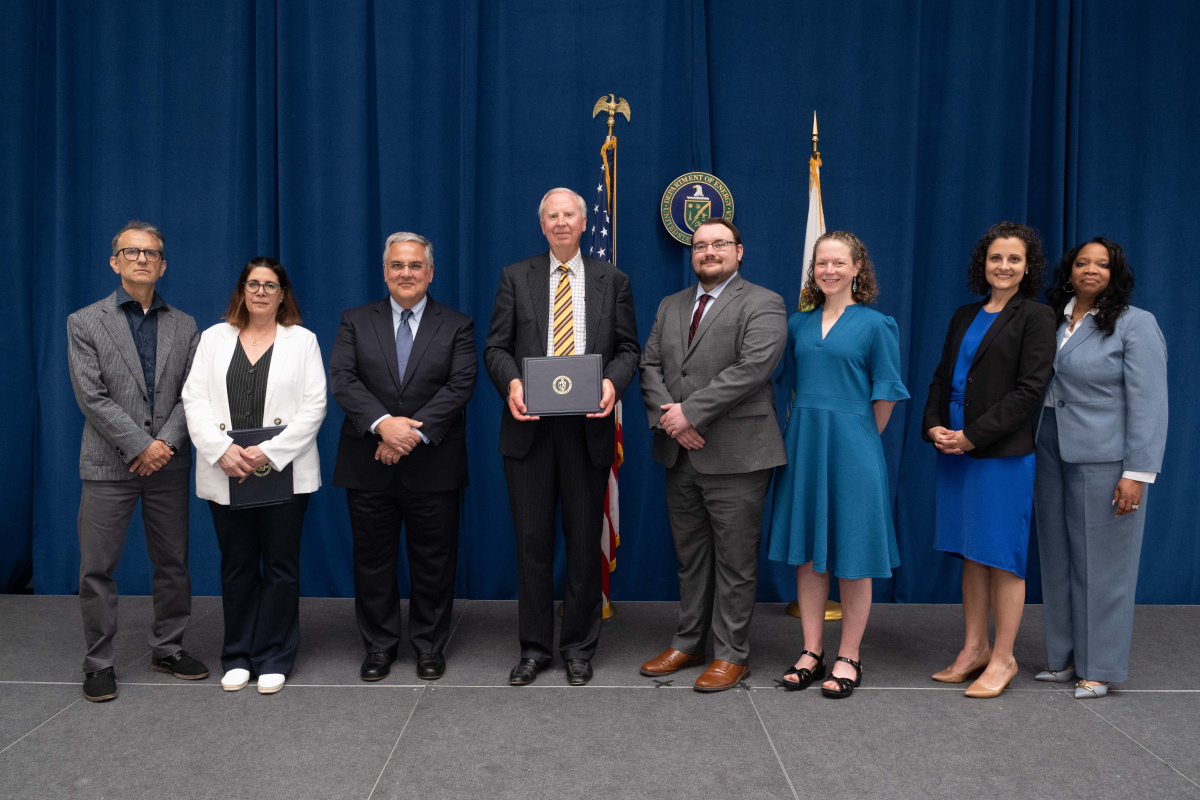
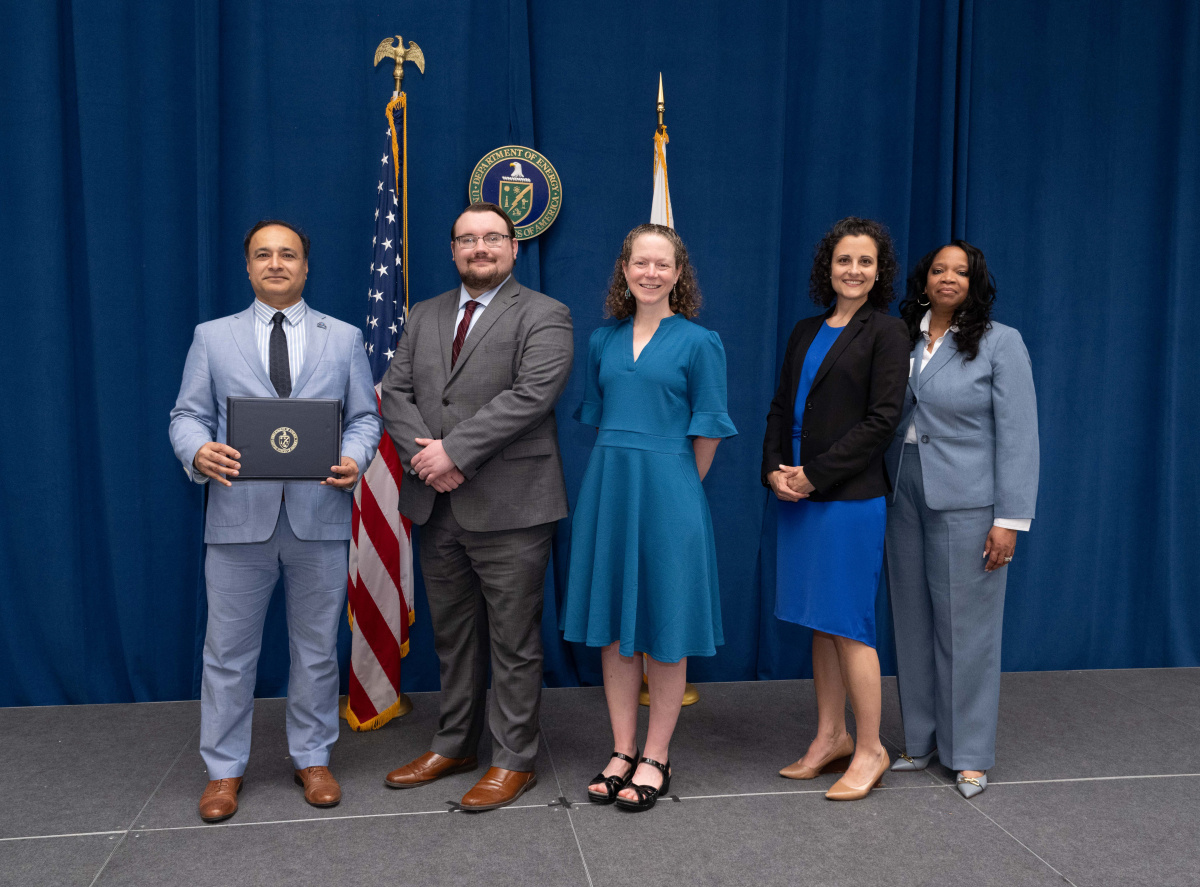
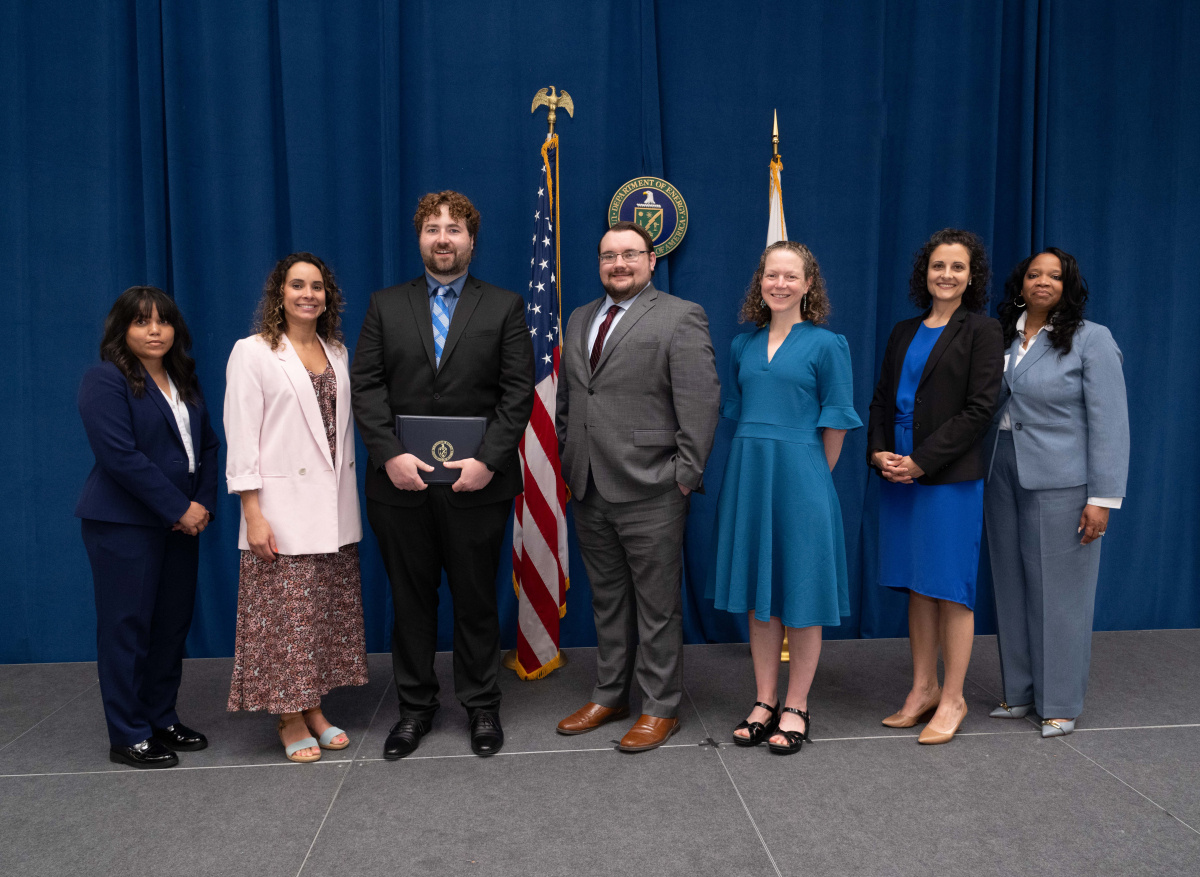
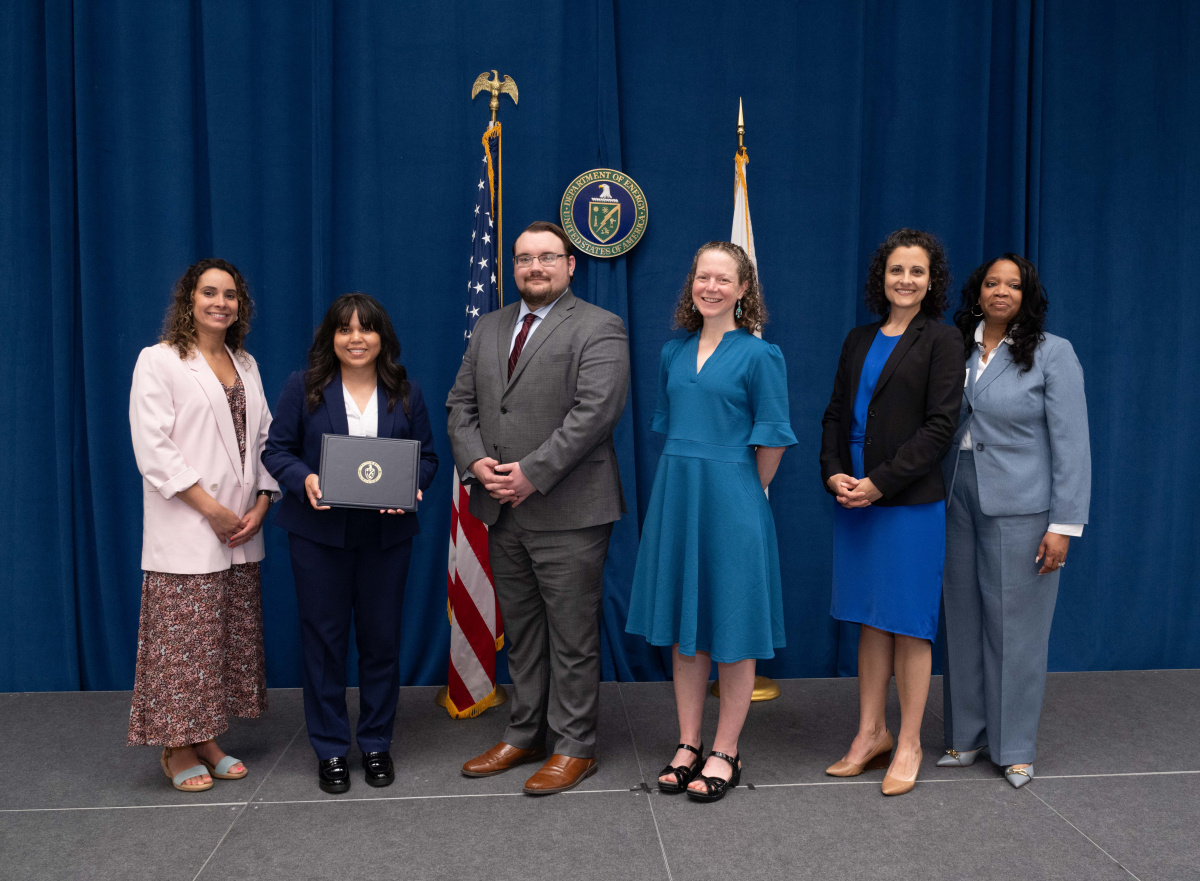
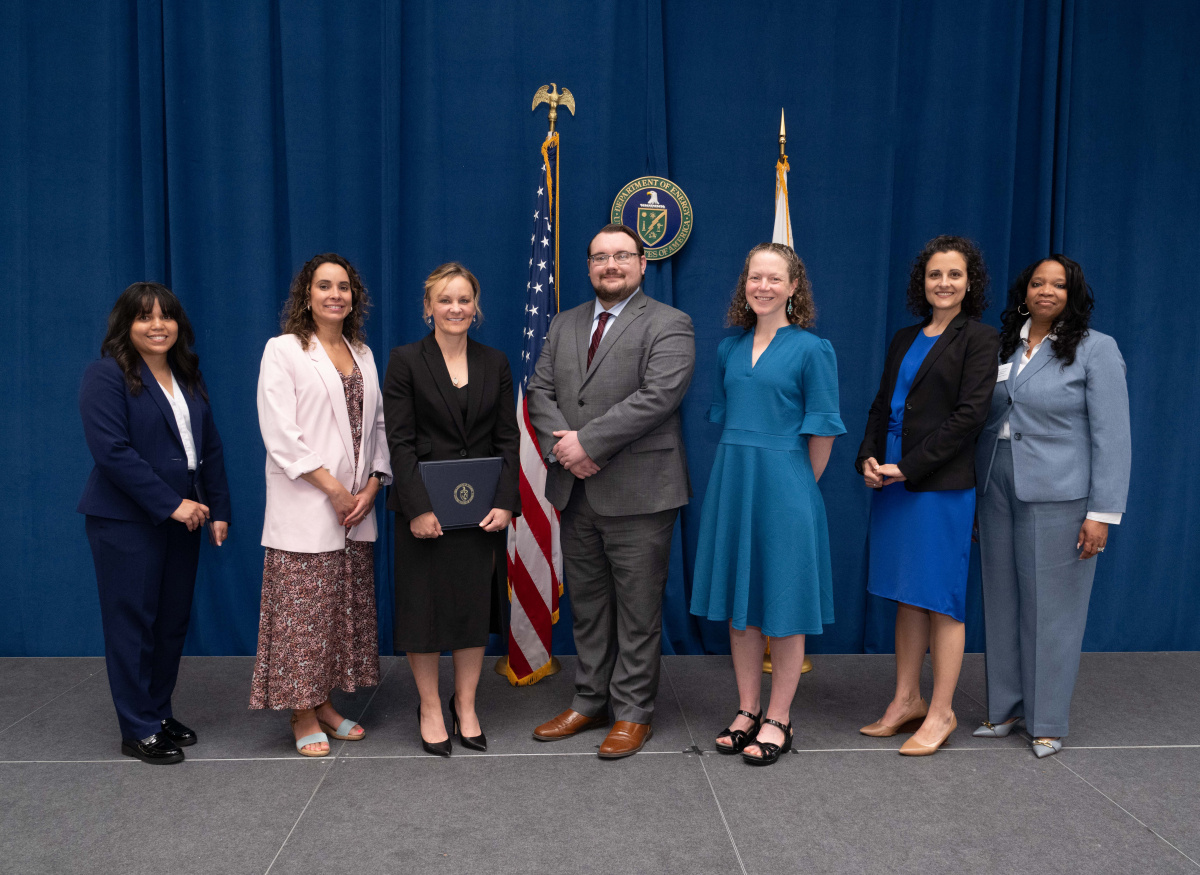
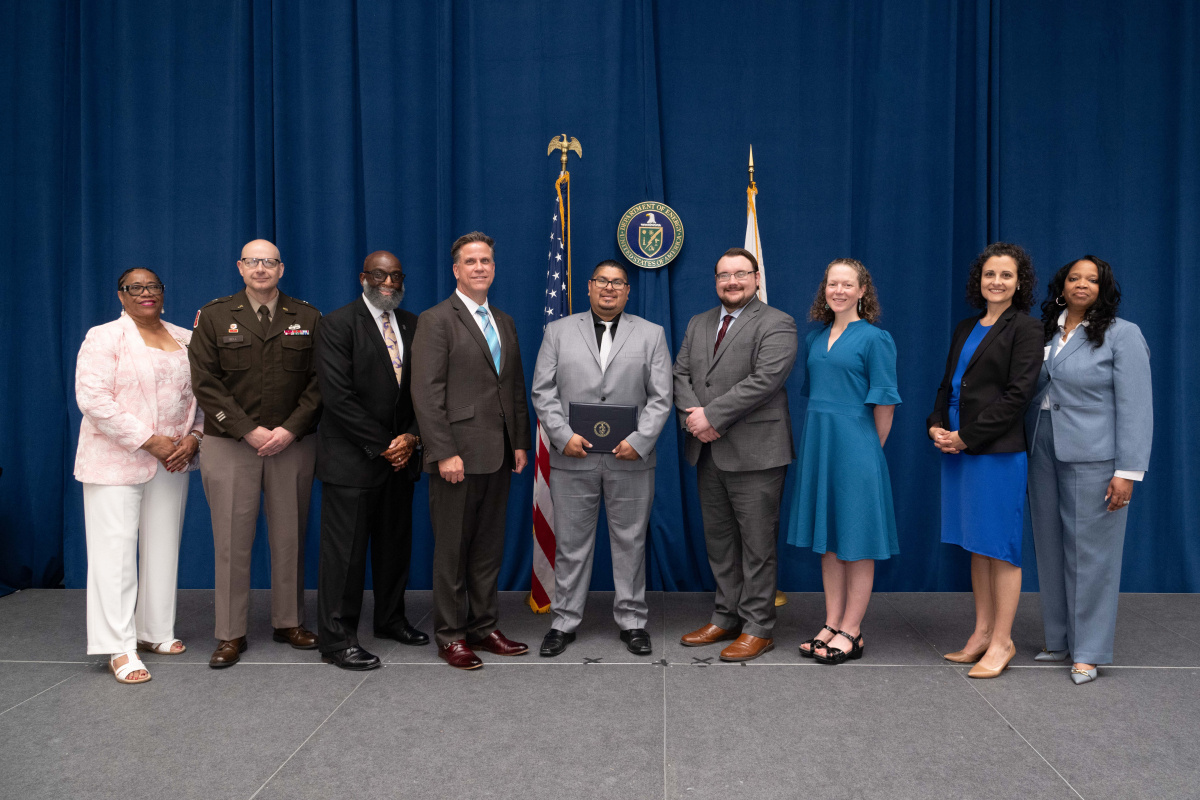
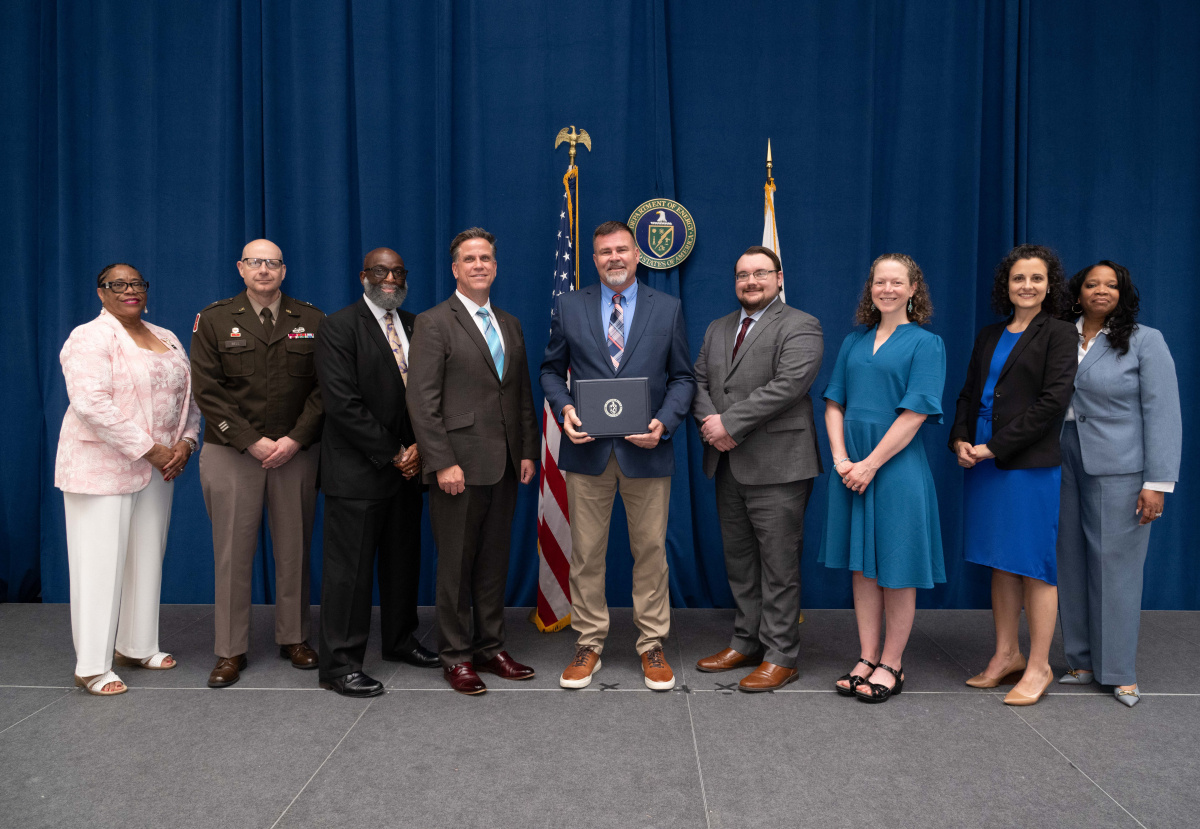
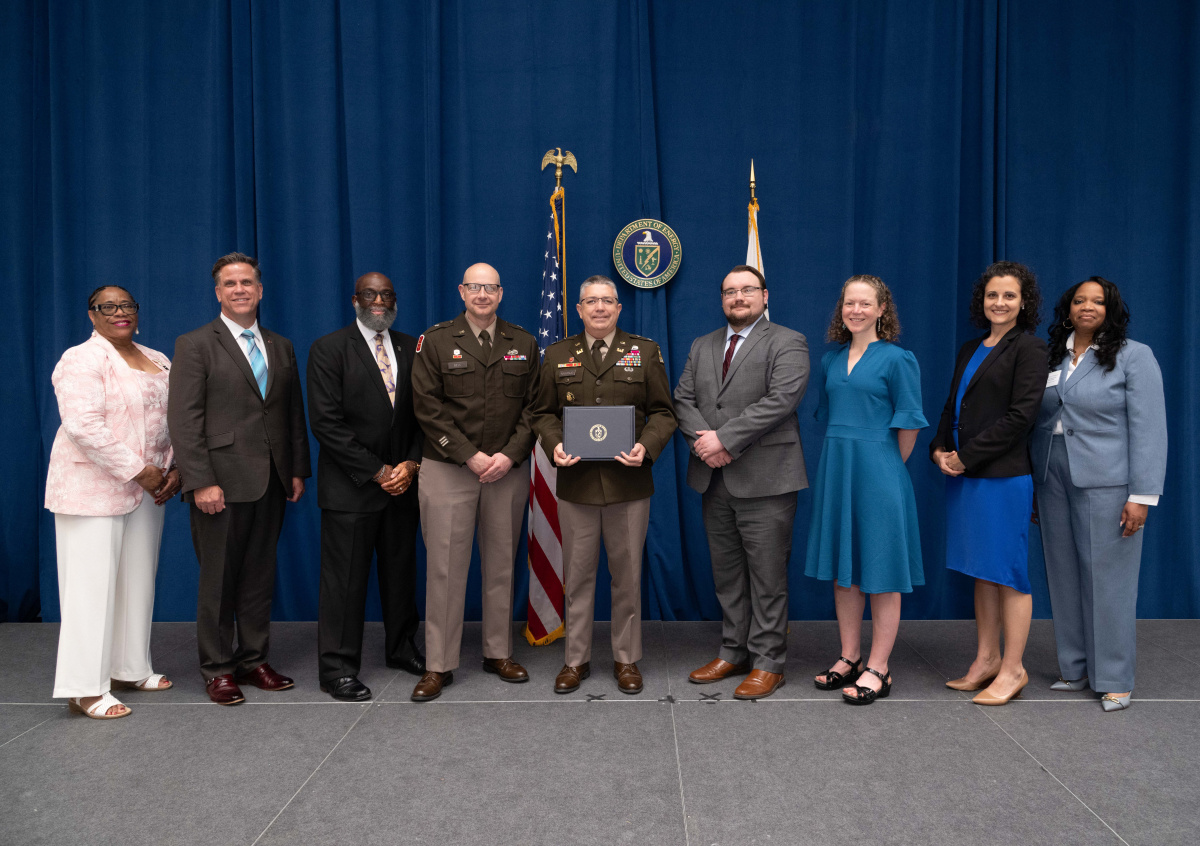
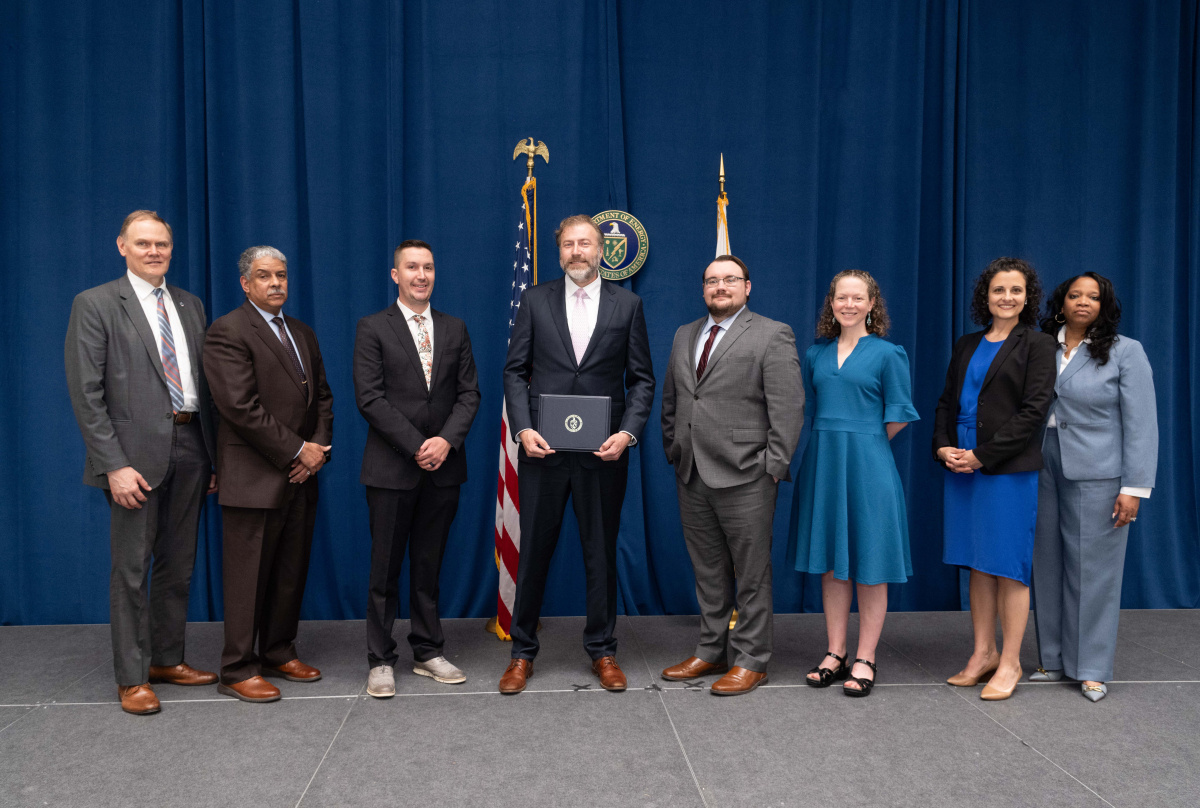
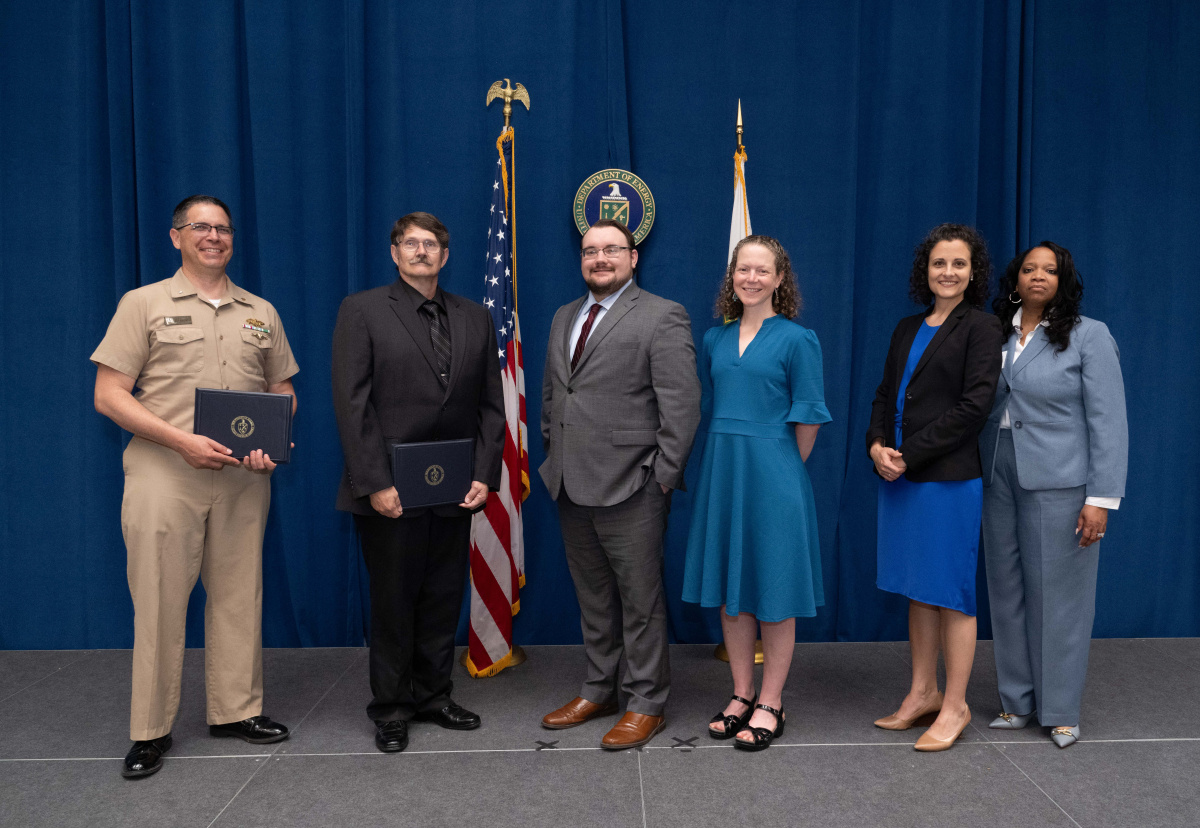
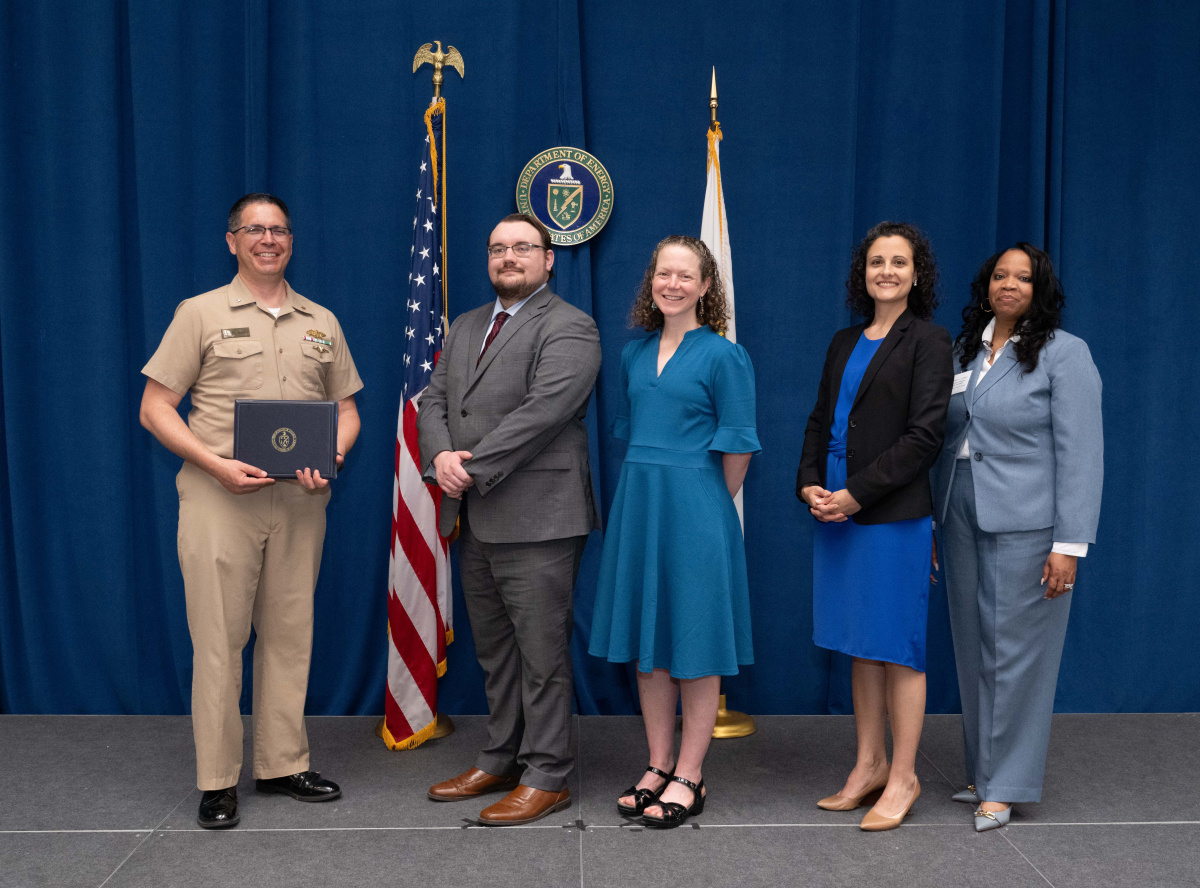
Professional Achievement Award: Adam Carlson and Reginald Williams, General Services Administration