




Fourteen teams competed in the inaugural competition at the National Mall in Washington, D.C., transporting their designed and built homes from their universities to be reassembled in the competition village.
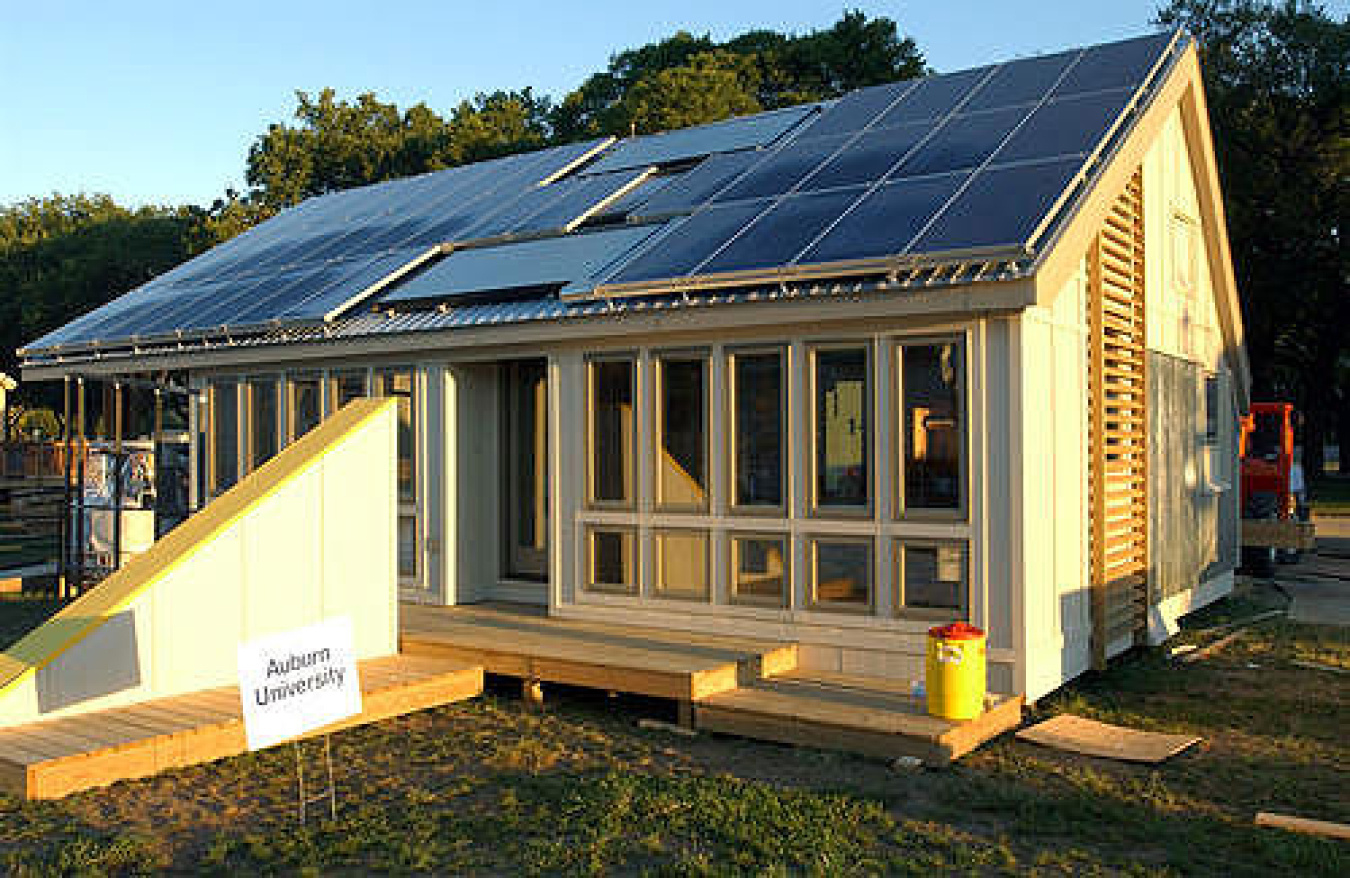
The Auburn team built a house inspired by their forefathers—but of course, with all of today's bells and whistles. The Auburn house was loosely based on a traditional southern design called "the dog trot," which incorporates a central porch that divides the house into two halves. However, even though the house has references to traditional southern design, such as a metal roof with deep overhangs and a dog trot configuration, it is far from conventional. Like southern homes from times past, the Auburn house works with nature to create beneficial airflow and includes many materials in their natural form. However, when modern technologies—such as energy-efficient windows and daylighting—are layered over this floor plan, the result is a thoroughly comfortable and high-performing house.
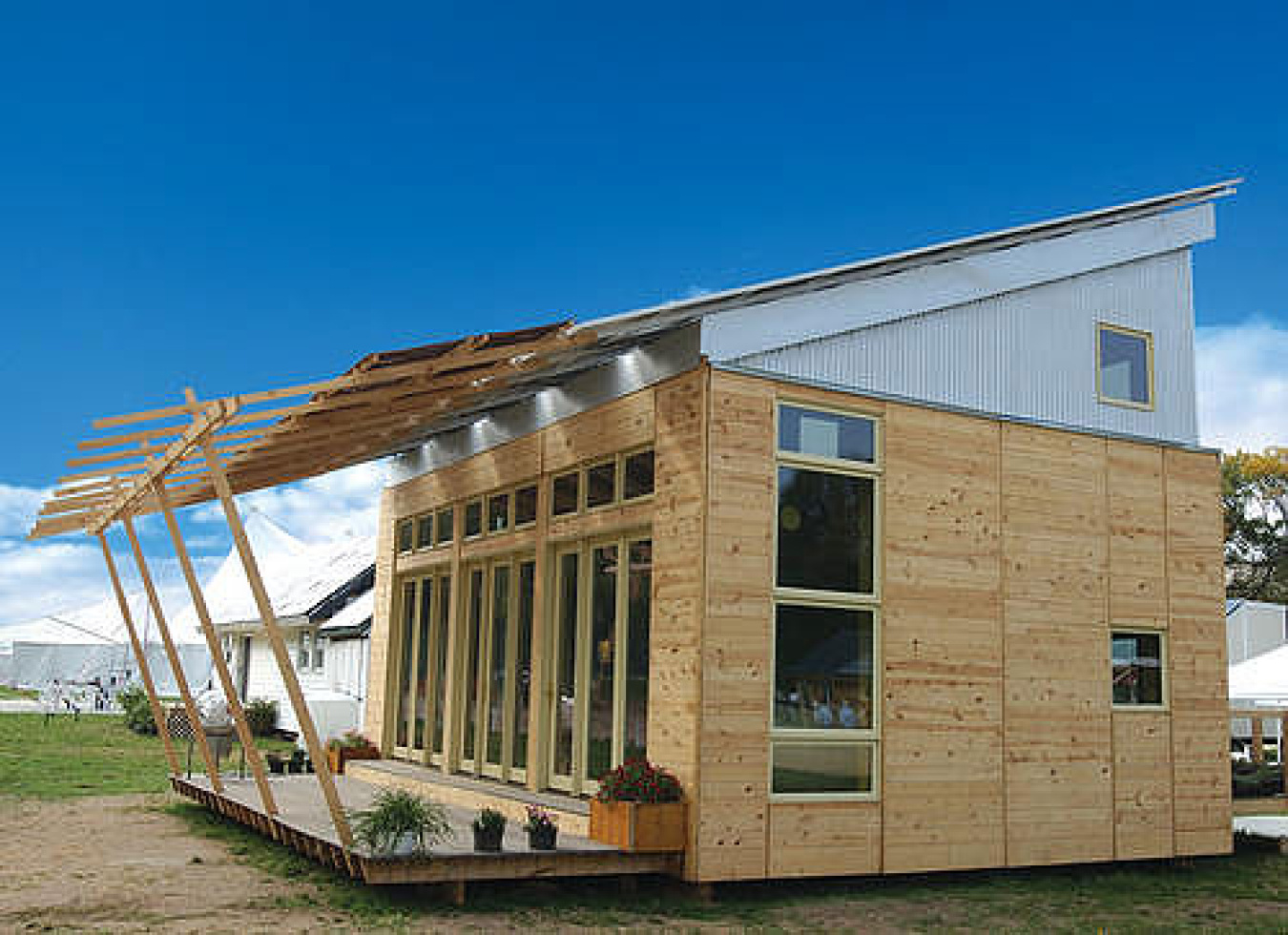
When students from Carnegie Mellon were contemplating their house design, they landed smack dab in the face of urban reality. Their school is in Pittsburgh, so the students knew full well that city spaces come at a premium. At risk of a penalty, they "broke the Build Challenge rules" and built a two-story house, because they felt so strongly that one-story houses won't be viable in the future. A ranch home, these decathletes believed, simply takes up too much space. In keeping with the urban design, a large rooftop deck contains a garden under a canopy of evacuated-tube collectors for heating water.
Unique elements include batt insulation made from recycled blue jeans from a local jeans factory, steel framing instead of wood, and no formaldehyde in the construction materials.
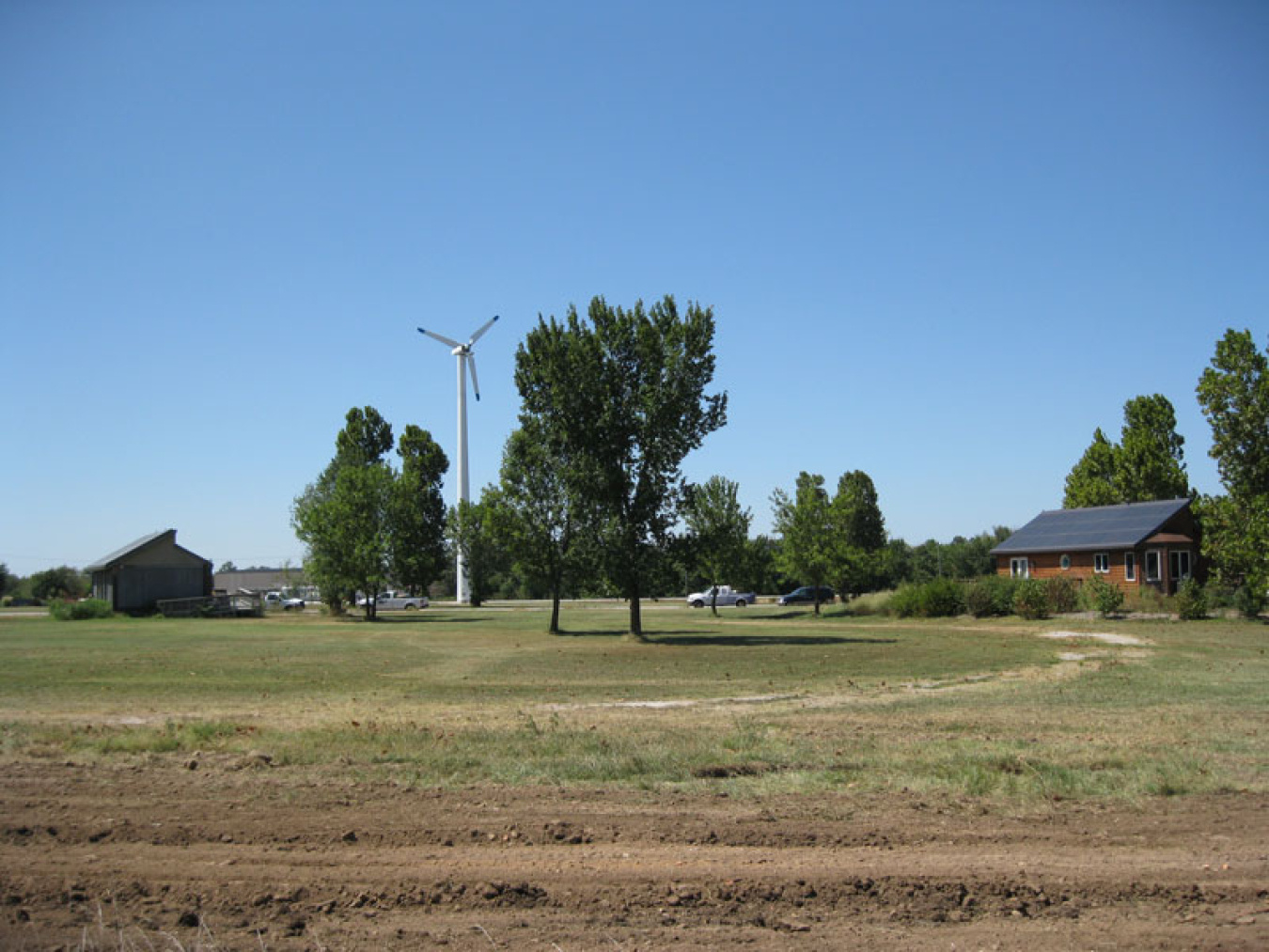
Crowder College's team constructed its house using electricity from its trailer-mounted, portable system, becoming the only school that didn't use a gasoline generator for construction or assembly on the Mall. No powered cranes or forklifts were used, either; this was the only team that offloaded its house completely with hand cranks and jacks. The Crowder students also stood out in terms of their use amorphous thin-film, BP Millenia PV modules rather than the crystalline silicon modules found on the other houses. The modules were integrated into a standing seam metal roof so you could barely tell they were there.
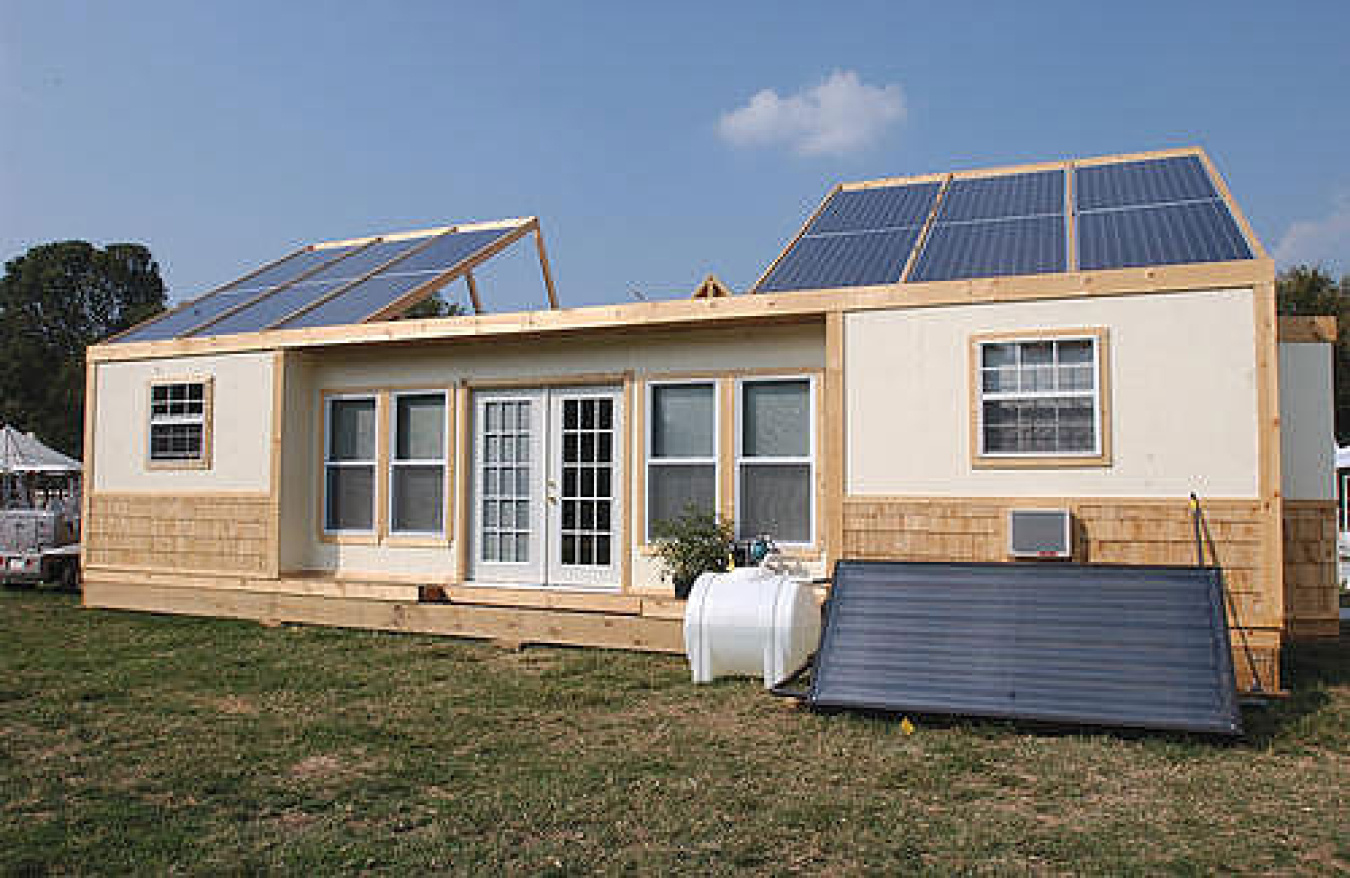
Texas A&M prides itself on being one of the best construction science schools in the country, so it's no surprise that this team used cutting-edge construction science to design and develop its home. The students took traditional technologies, modified them, and then applied them using principles of buildings and energy efficiency. A unique feature of the home is an interior thermal wall filled with water. The water is circulated, heated, and cooled in the wall. The concept comes from refrigeration technology—the technology takes a traditional condenser system and submerges it in water. Unfortunately, this team was unable to participate in most of the competitions because decathletes were unable to be present during the competition week.
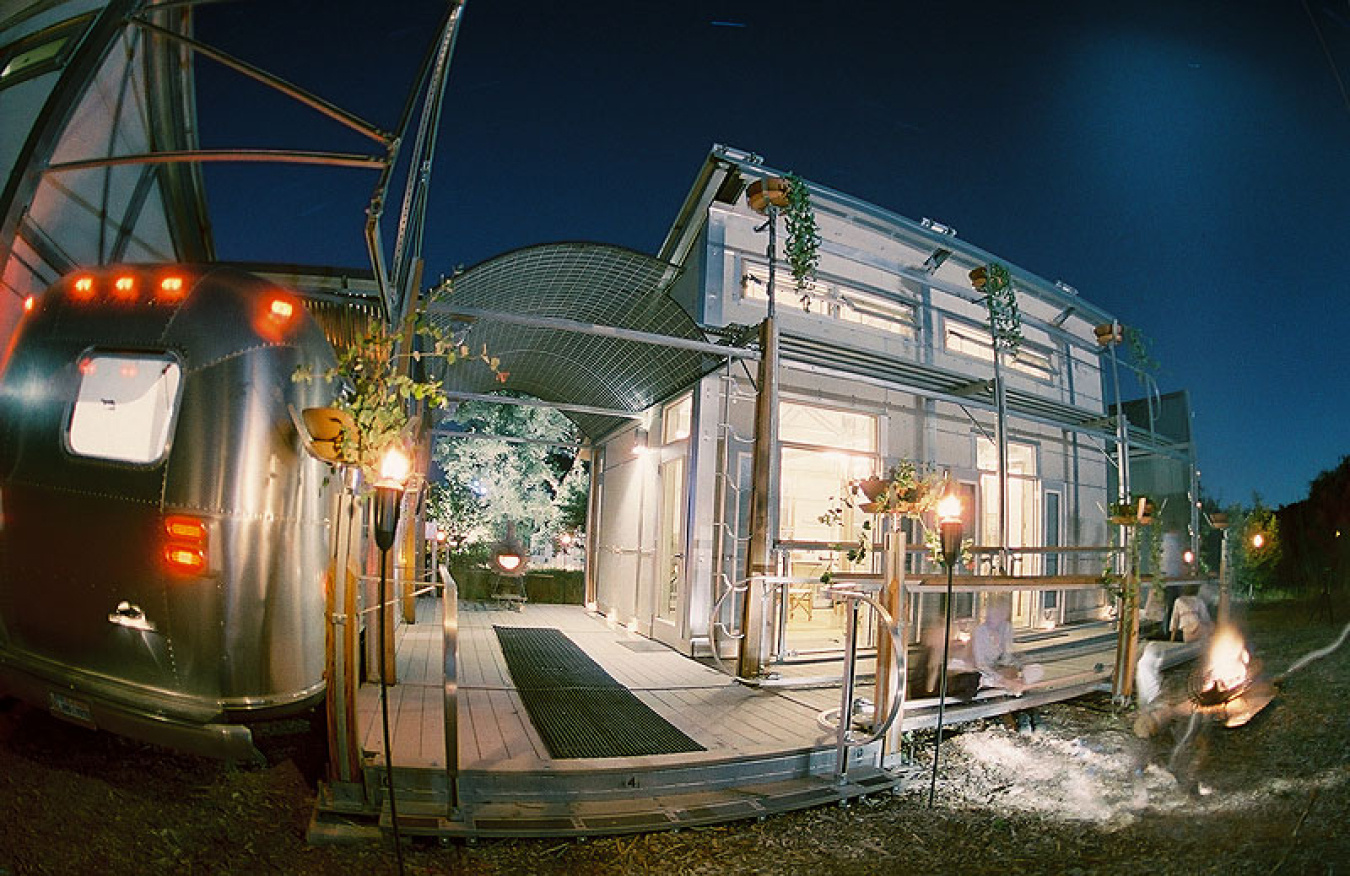
The University of Texas at Austin team came up with a unique design solution to complement America's increasingly mobile lifestyle. Prefabricated, prewired modules and an open building system allow for efficient, rapid assembly. Consumers need only purchase one home and take it with them when they relocate, or add or subtract sections over time. An Airstream RV trailer docked in a bay in the middle of the house allows the consumer to take the core of the house away for the weekend. The Airstream houses all the "wet" rooms of the home—the kitchen and bath. The team dubbed this the "Mobile Utility Unit" or MUU. The land-locked sections included the living room, office, and bedroom. The modular design of these pieces means they can be added or removed easily. Between the trailer and land-anchored sections of the house runs a breezy deck area for enjoying the great outdoors.
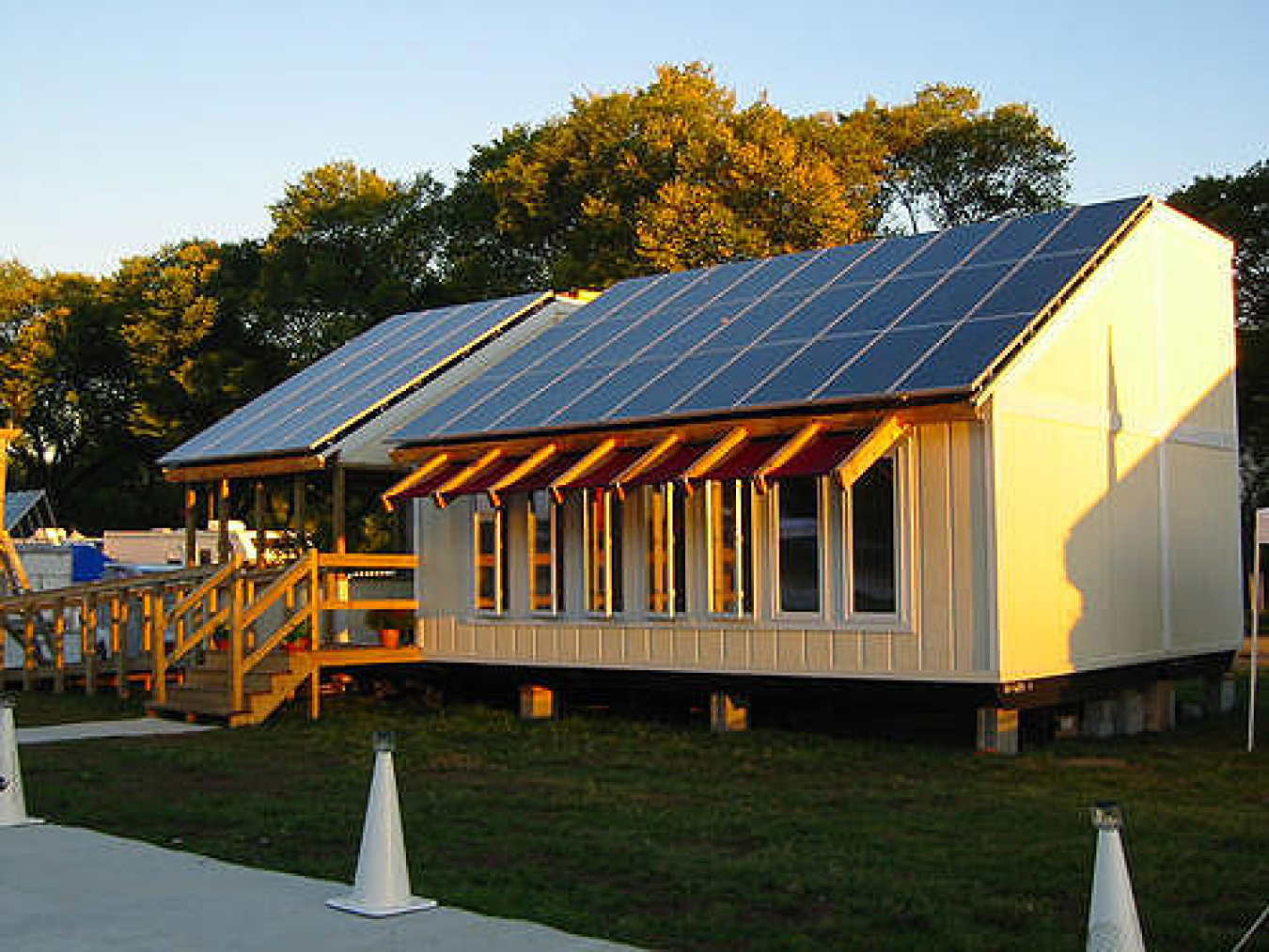
This house, like the Auburn University house, adapted the southern "dog trot" design, using an open breezeway down the center for natural ventilation. The team was quite pleased with the resulting two-story design and its southern-style screened porch. Adding the second story was no small feat, given the 18-foot height limitation (to prevent one house from shading another) imposed by the competition. The house has an airy and inviting feel, with lots of interior open space that, by design, is also easy to heat and cool. Most of the home's heating requirements were met by the use of passive measures in the form of south-facing windows, but a central heat pump unit was included for backup. For building materials, the decathletes used wood, which is the most flexible in terms of building and transportation. They used rigid foam insulation for the roof and batt in the floor and the walls.
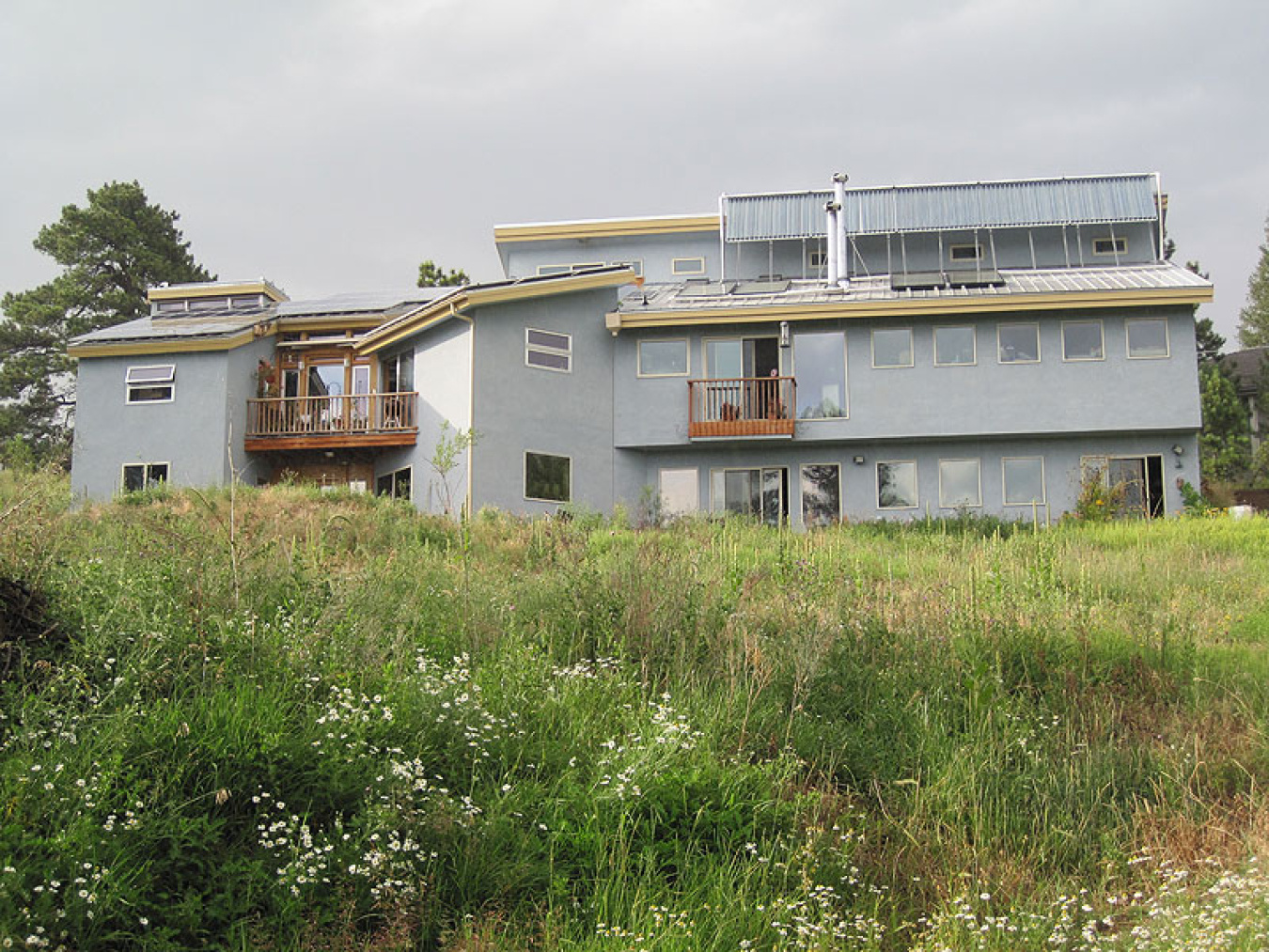
The 2002 University of Colorado team intentionally designed their house to be more like an everyday American home than a perfectly designed experimental house. The result of the CU Boulder design approach was a "beautiful house that also happened to be highly efficient.” The team recognized early on that their corner lot on the National Mall site gave them a unique opportunity and decided to orient the house more to the pedestrians passing by than to the sun. Another guiding principle for this team was that everything in their house is commercially available and mass-produced. In fact, the home was built on location at a local Home Depot.
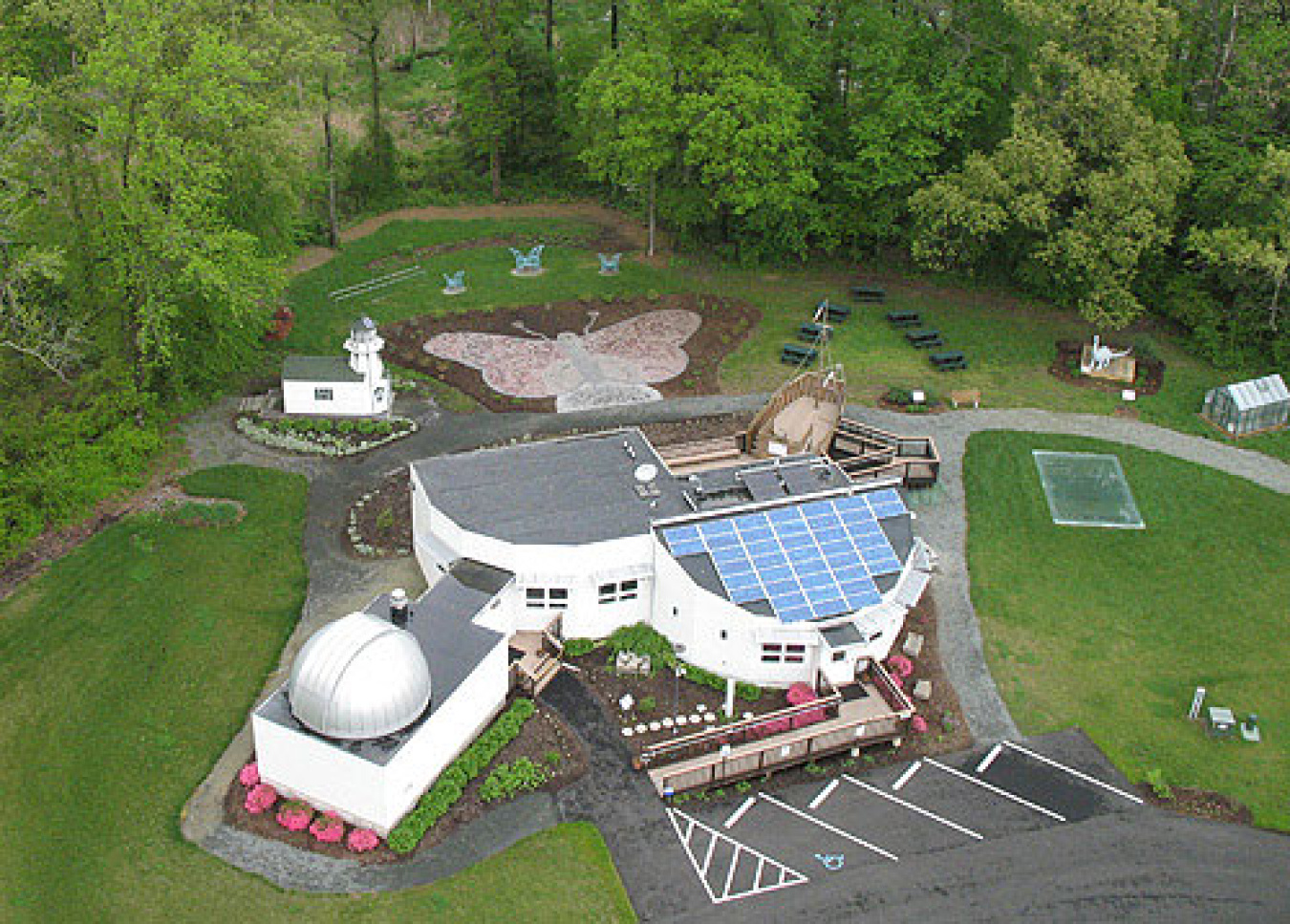
The University of Delaware's team designed a house with a south-facing, curved wall composed mostly of windows that not only gives a great view but also provides maximum exposure. The decathletes are particularly proud of the radiant floor heating system they chose. It consists of Warmboard panels made of fluid tubing placed into a grooved plywood underlayment and aluminum sheeting, which helps to distribute the heat. These Warmboard panels can be used with most types of flooring on both the first and second stories of a house because the panels are not much heavier than an average floor.
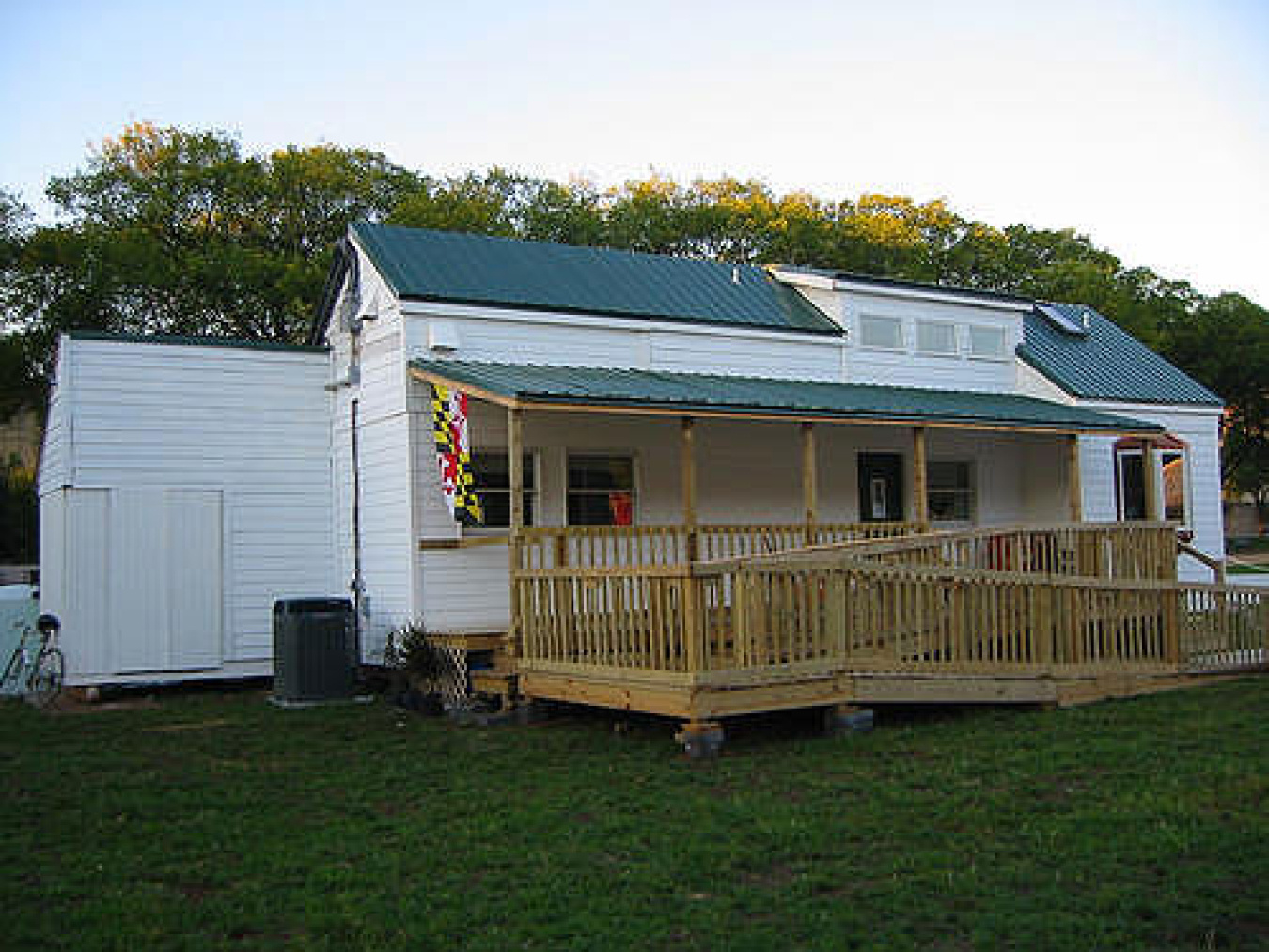
Maryland's key goal was to produce a house that would fit right into any traditional housing development. The team used a skylight and bay window for natural lighting, an electric daylight dimming system, and super-efficient, off-the-shelf appliances. The Maryland students also excelled in hot water system design; theirs supplied both domestic hot water and hot water for the radiant floor heating system. It is based on evacuated glass tubes with a collector medium in the tubes to transfer heat. This system is more efficient than a flat-plate collector, especially during winter, because it collects more heat from a given area. Because the team's house had to be transported only 15 miles, the students were able to use a poured slab concrete floor, which allowed them to incorporate high-efficiency radiant heating. The house also featured a large north-facing deck that made the house feel much larger than the actual interior size of 600 square feet.
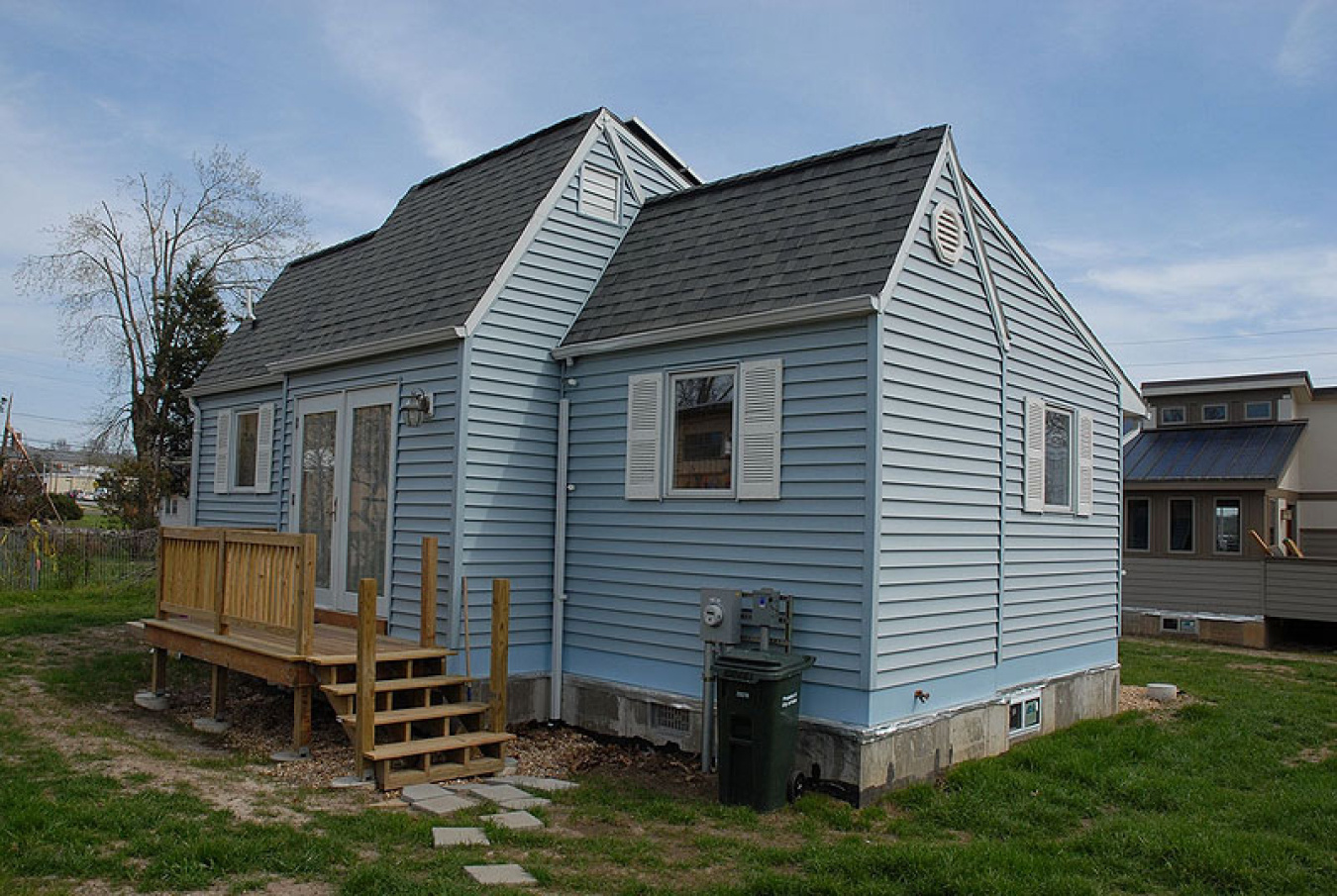
The 2002 University of Missouri-Rolla and Rolla Technical Institute team wanted to build a house that the average consumer would accept as comfortable and familiar. These students felt that a "futuristic" house might deter people from using varied sources of energy. Their traditional ranch home was transported in three sections that were each mounted on trailer frames. The house is cozy and comfortable, making visitors feel right at home. Engineering students designed the house, including the sunroom on the south side, which contains all the controls for the house and is its most celebrated feature. The sunroom floor tiles absorb heat during the day and radiate it at night to heat the home.
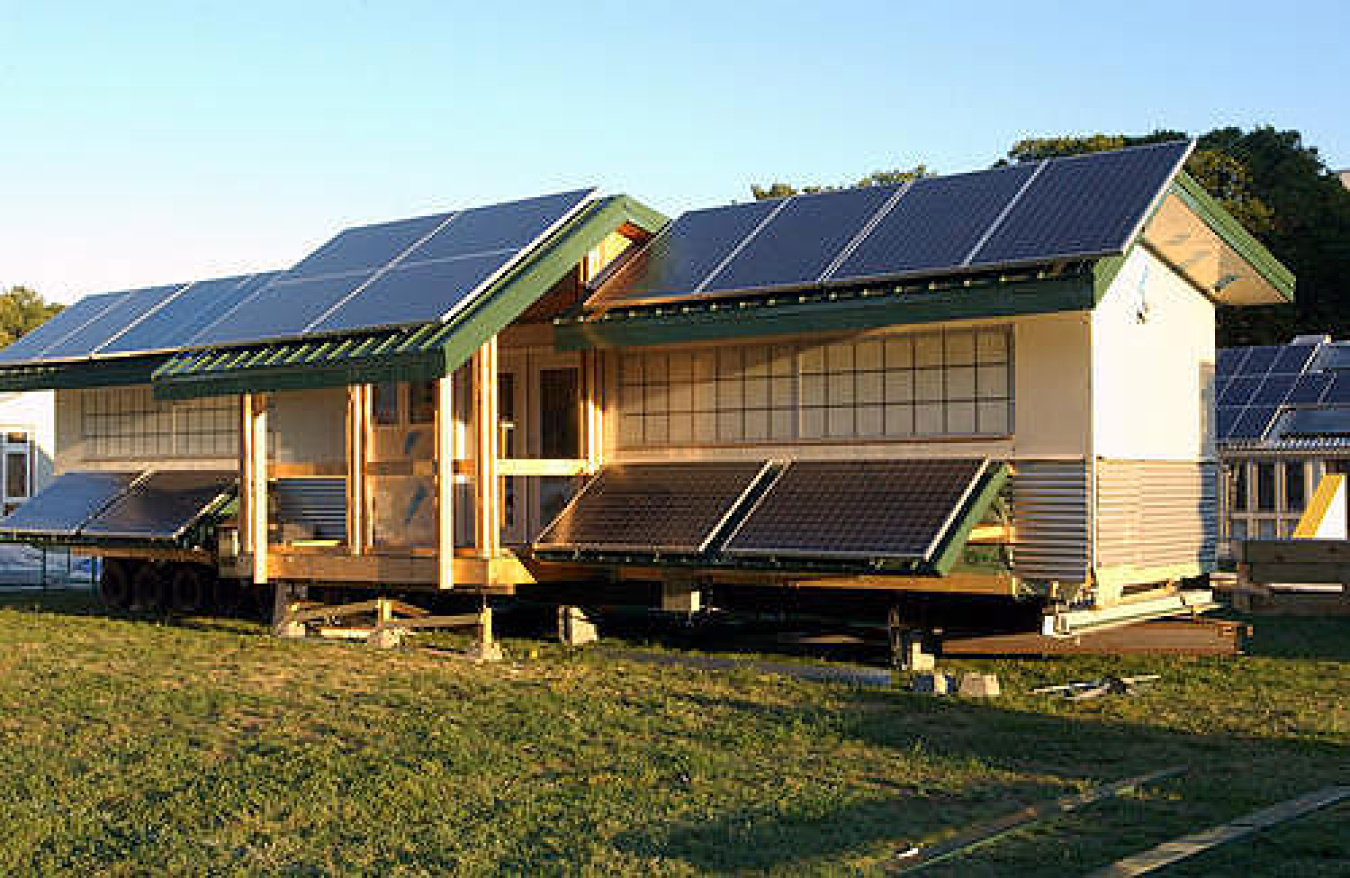
We typically associate a yacht with wealth, luxury, and seagoing comfort. Most of us, though, would never have thought of using features found on a yacht in a house on land. But that's exactly what the University of North Carolina students did. They used a marine supplier for 120-volt home appliances, including the washer/dryer, dishwasher, stove, and oven. They also used “Kalwalls" insulating panels that keep out the sun's heat while allowing in light. After the competition the house will be a permanent educational component of the university — a classroom that serves both architectural and engineering students and displays the evolving technologies of the living and building environment.
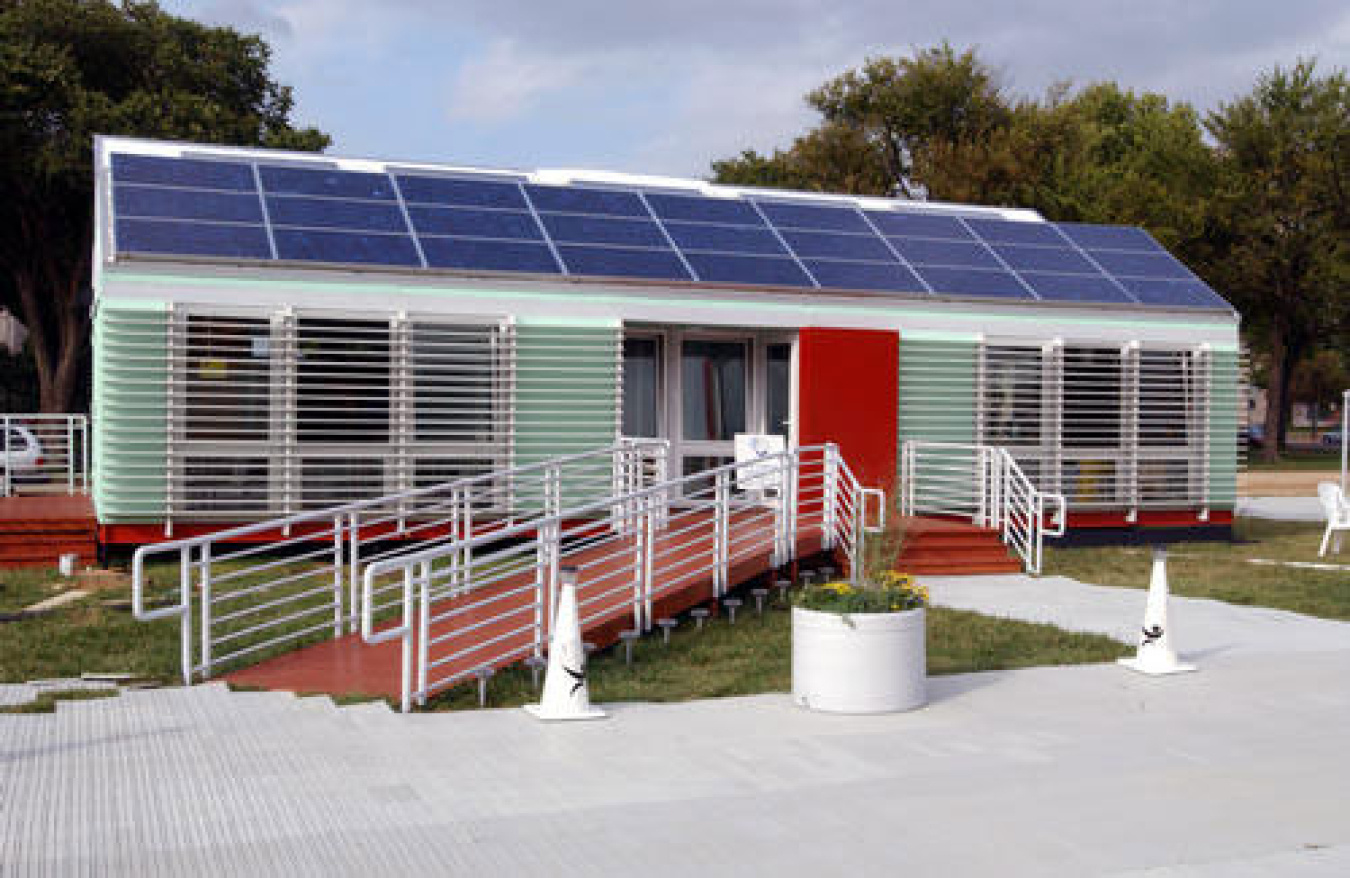
The University of Puerto Rico team's fundamental design is based on the belief that it was important to achieve a very efficient spatial solution that feels comfortable and looks attractive. They wanted to design a house that goes beyond merely incorporating existing energy technologies. The team designed the home to have an elongated rectangular shape with minimal east- and west-facing facades, fewer windows on the north side, and south glazing with a metal shading device to control heat gains. The students are quite proud of their desiccant and vapor compressor cooling system, a hybrid system that uses less energy than a bigger compressor. The desiccant is incorporated to remove humidity. One student was awarded a National Science Foundation scholarship to continue work on the hybrid system. For heat, they used hot water passing through a heating coil in a nontraditional evacuated-tube system.
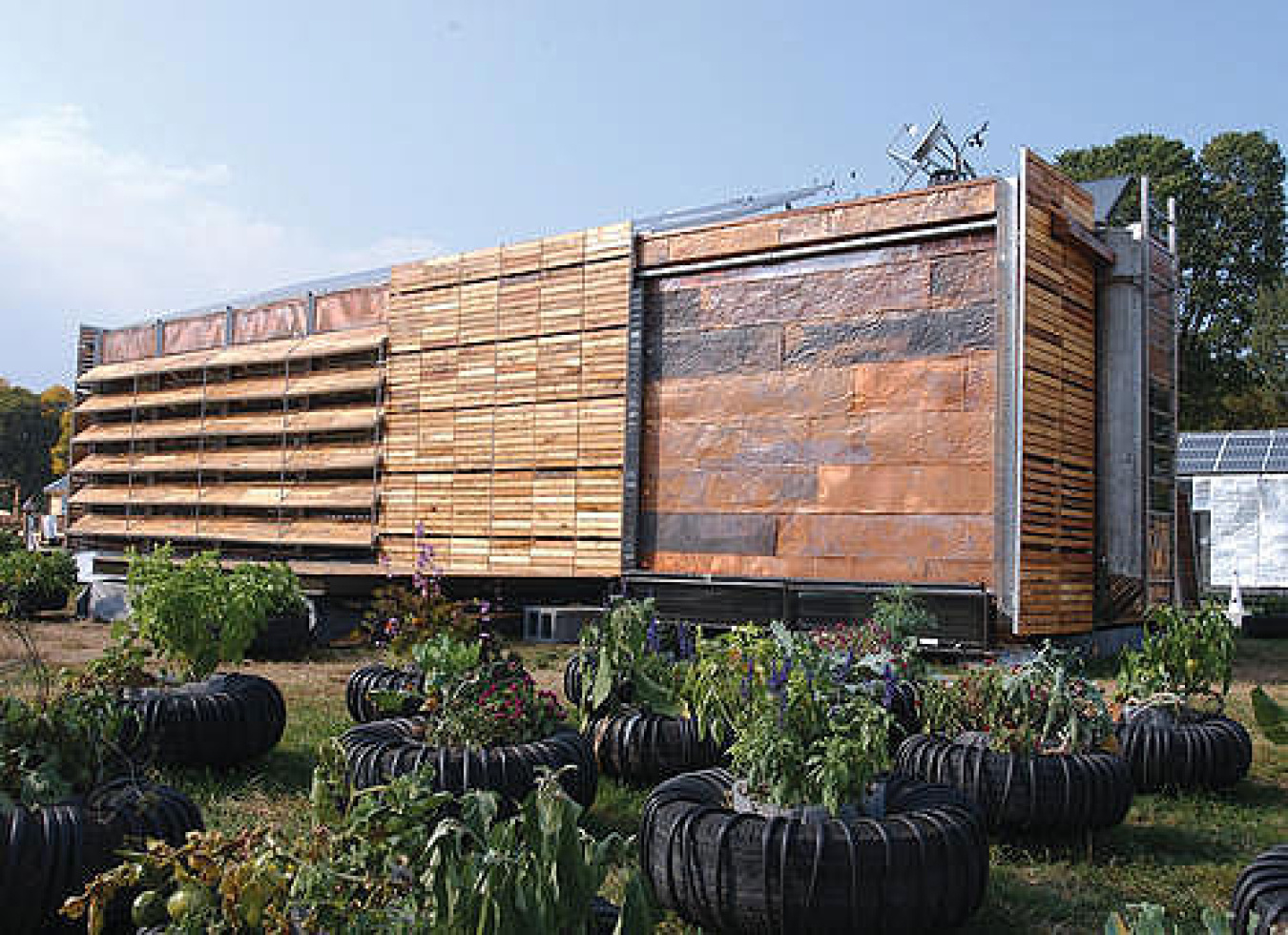
The exterior of the University of Virginia 2002 home was like no other. Early on, the students decided to use reclaimed materials wherever possible. For the exterior finish, they selected copper cladding that was reclaimed from a roof. The design also featured a rain screen composed of wood reclaimed from shipping pallets. With the wood milled down and put into aluminum frames, the panels of porous wood stopped most of the rain and shaded the copper. They used engineered lumber (which uses a greater portion of the tree) for the studs. Those same reclaimed pallets were also used as louvered window coverings. Tilted down, the louvers blocked the sun; tilted up, they reflected light up to the living room, acting as light scoops. The louvers could be opened to welcome the sun's rays in winter. The most intriguing feature inside the house was the "smart wall," the nerve center of the house, and it was the first thing you noticed when you stepped through the front door. This large, light-emitting diode wall reflected the home's temperature by changing color. When the house is warmer, it's one color; when the house is cooler, it's another color. A homeowner could also override the temperature feature and select the color or have constantly changing colors.
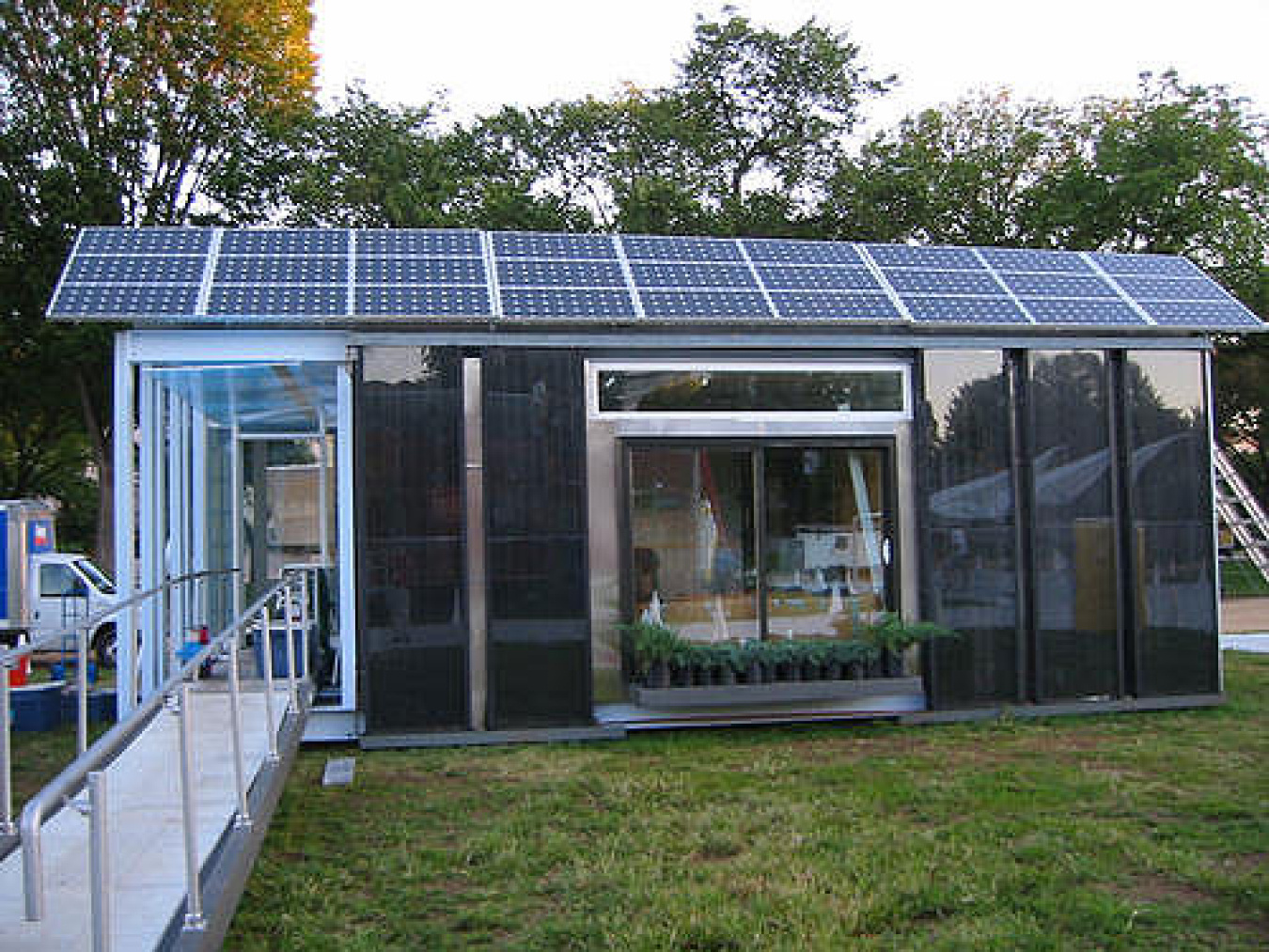
The 2002 home designed by Virginia Tech epitomized multifunctionality. Every aspect of the house had more than one purpose. The student-designed Skywall panels, with a translucent aerogel material, insulated the home and let light into the interior. Inside the home, the appliances were grouped together on the north wall, and they served as a thermal buffer, retaining extra heat in the winter and venting it to the outside in the summer. A microprism light, typically used for billboards, helped to transfer light evenly throughout the home.