
Saving Electricity

The U.S. Department of Energy (DOE) is deeply committed to saving electricity across all sectors through various initiatives, recognizing its vital role in national energy policy and sustainability. This commitment is reflected in the establishment and updating of energy efficiency standards for appliances and equipment which are projected to yield significant annual savings and reduce carbon emissions.

DOE's Role in Electricity Conservation
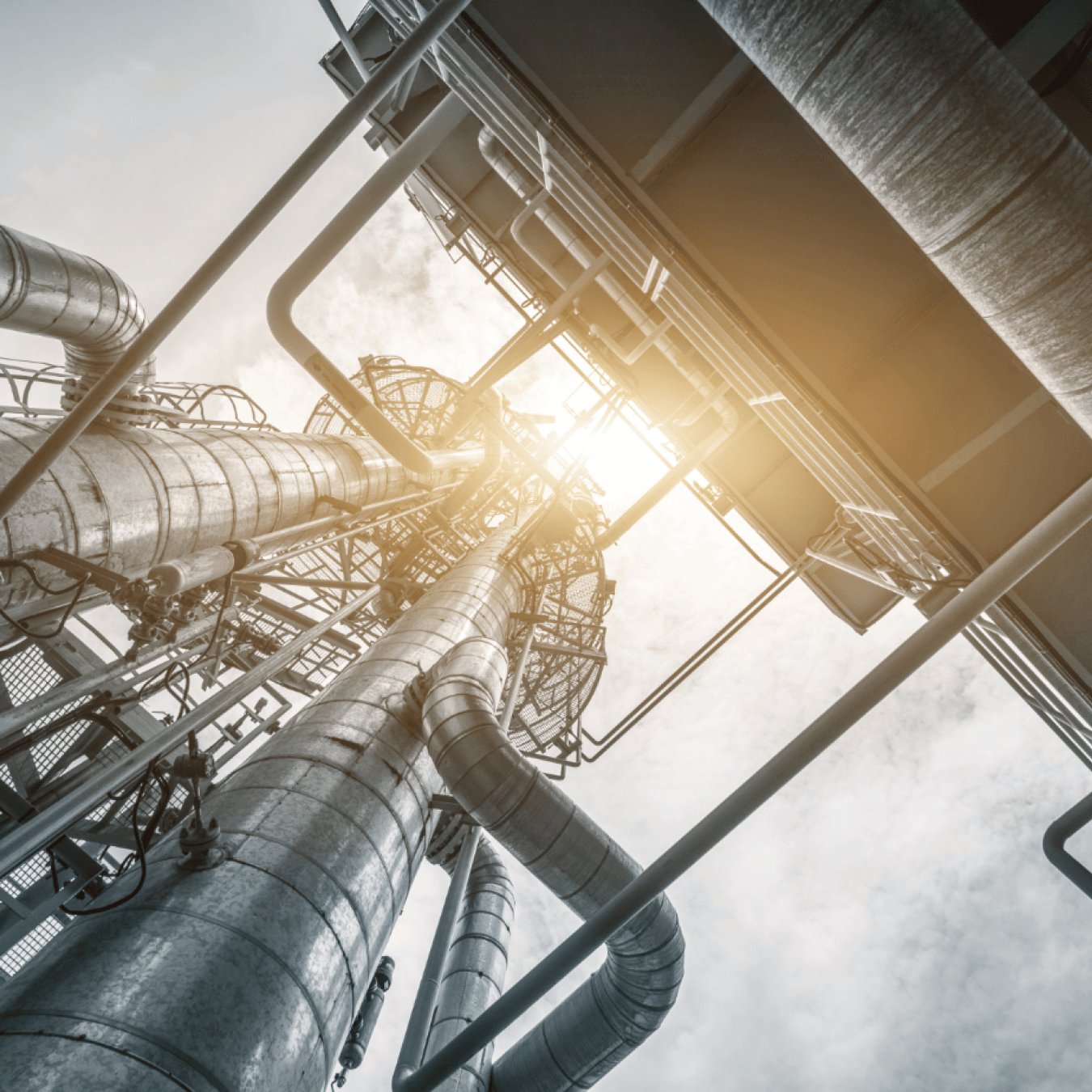
A view from below of a factory.

The Department of Energy (DOE) is instrumental in saving electricity, driven by its core mission to promote energy conservation and independence since 1977. It achieves this through a multi-pronged approach: establishing policies and standards, including new energy efficiency standards for appliances and federal building codes, which are projected to save billions and reduce carbon emissions. DOE also funds and manages significant programs like the Office of Critical Minerals and Energy Innovation (CMEI) and the Weatherization Assistance Program (WAP), which expands renewable energy and helps low-income households improve energy efficiency.

Financial incentives, such as those authorized by the Inflation Reduction Act (IRA), further encourage energy-saving upgrades. Crucially, DOE drives research and development through its national laboratories, leading to innovations in energy storage, smart grid technologies, and efficient AI. By promoting sustainable building practices within its own facilities and offering technical assistance and outreach to various communities, DOE comprehensively contributes to a more energy-efficient and sustainable national energy landscape.

Buying & Making Electricity

Mixed_Energy_Sources.png

The Department of Energy (DOE) is deeply involved in both buying and making electricity, reflecting its mission to ensure energy security and sustainability. For buying electricity, DOE procures power for its vast network and influences the broader market through its Power Marketing Administrations (PMAs), such as the Southeastern, Southwestern, and Western Area Power Administrations, which manage regional energy distribution and transactions, including rate development for energy services. In terms of making electricity, DOE primarily focuses on extensive research and development through its National Laboratories, exploring advanced nuclear, renewable, and clean fossil fuel technologies to improve generation methods. 

While not a direct commercial generator, DOE supports grid modernization and the integration of diverse generation sources, including distributed energy resources and microgrids. This dual involvement ensures a reliable and resilient electricity supply, promotes clean energy technologies, drives efficiency to reduce costs, and leverages strategic purchasing power to foster innovation and a sustainable energy economy, including using the Defense Production Act to prioritize domestic energy supplies when needed.

Highlights

  • Thumbnail of the cover of the Energy Saver Guide: Tips on Saving Money and Energy at Home
    Find simple tips in the Energy Saver guide to save money and energy at home and on the road.
    April 29, 2025
  • Fact sheets
    Find Energy Saver publications including fact sheets and our popular Energy Saver Guide to help you save energy and money at home.
    March 5, 2026
  • Model illustration of an energy-efficient house.
    Save money and energy at home. Learn ways to save energy and use clean, renewable energy technologies at home.
    March 19, 2026