



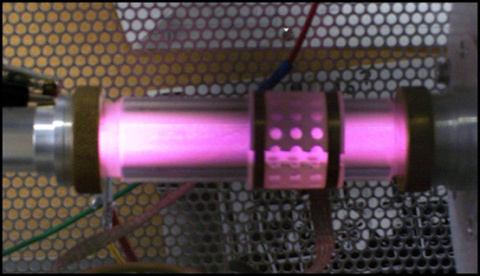
Answering difficult scientific questions about the nature of the universe requires isotopically purified helium (4He). The isotope 3
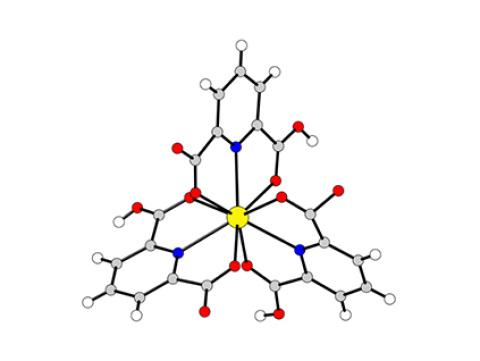
Scientists often use the Periodic Table to predict the properties of an element based on certain trends. For example, elements in the same column

For the first time in over half a century, the search for a particular type of interaction, known as a tensor interaction, in nuclear beta decay

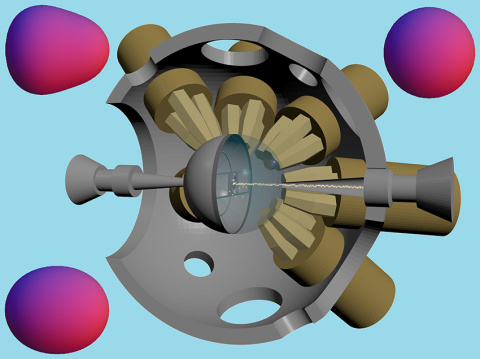
As part of the research and development effort for the neutron EDM experiment, which is led by Oak Ridge National Laboratory, a multi-institutional
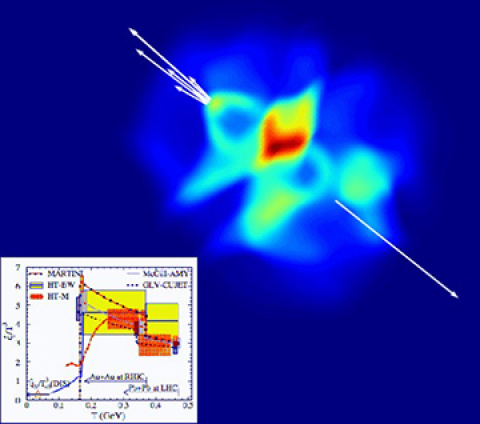
Heavy nuclei are accelerated to nearly the speed of light and collide with each other to create a new state of matter called QGP that only existed
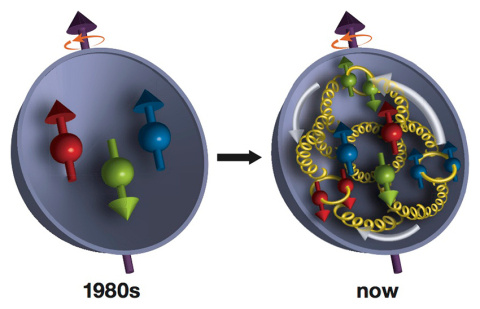
RHIC physicists collide two beams of protons with their spins aligned in the same direction, and then “antialigned.” The PHENIX
For decades, nuclear theorists have predicted that the neutron-rich barium isotopes near mass number 144 are centered in one of only two or three
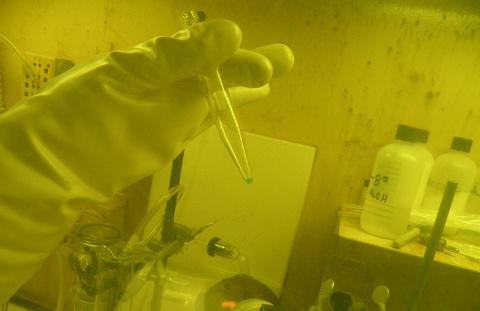
New elements and nuclei establishing the existence of the Island of Stability and expanding the Periodic Table of Elements were produced in hot
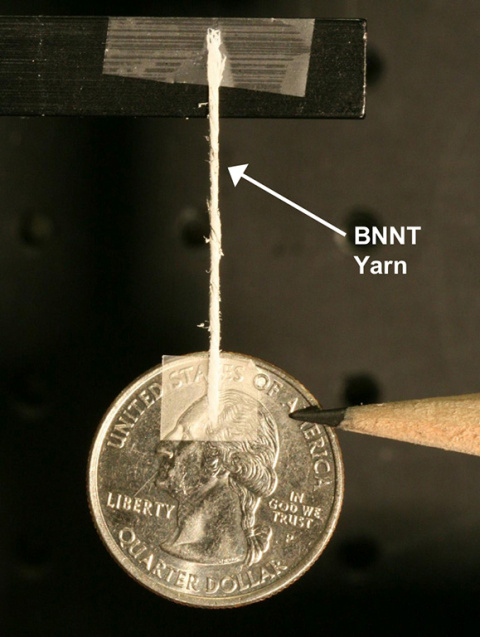
In 1994, researchers affiliated with DOE's Lawrence Berkeley National Lab theorized that it should be possible to produce nanotubes from a white
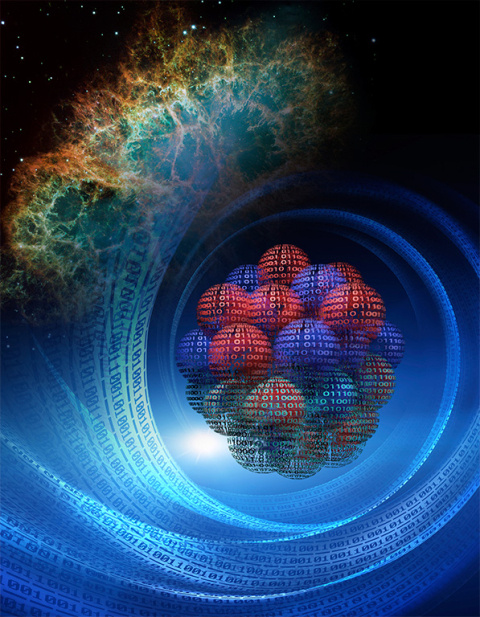
The neutron skin of the nucleus calcium-48 is much thinner than previously thought.