



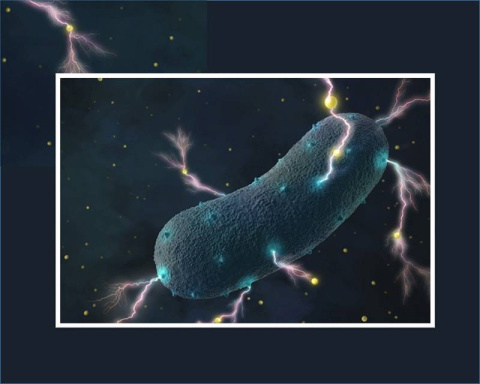
Scientists discovered that a common diarrhea-causing bacterium produces electricity & that hundreds of other bacterial species use this same process.
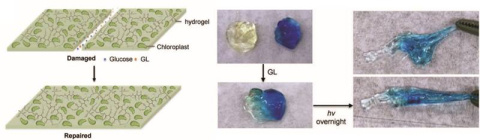
A new class of material absorbs and fixes atmospheric carbon dioxide to help it grow, get denser, and repair itself using sunlight.
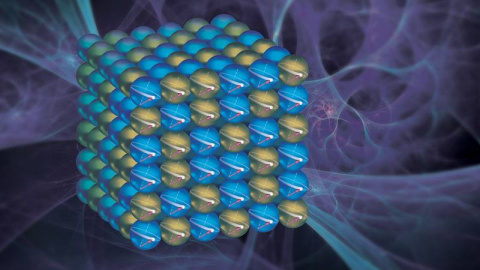
By rotating materials commonly used in computer storage devices, scientists found a new way to change their intrinsic properties.
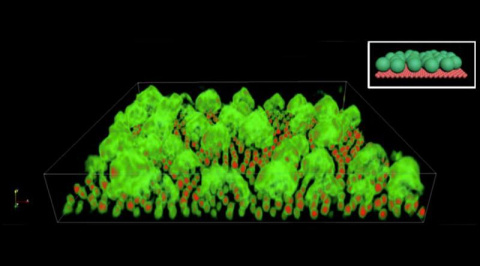
Researchers develop design rules that guide the self-assembly of crystals and frameworks into thin sheets for energy storage and other uses.
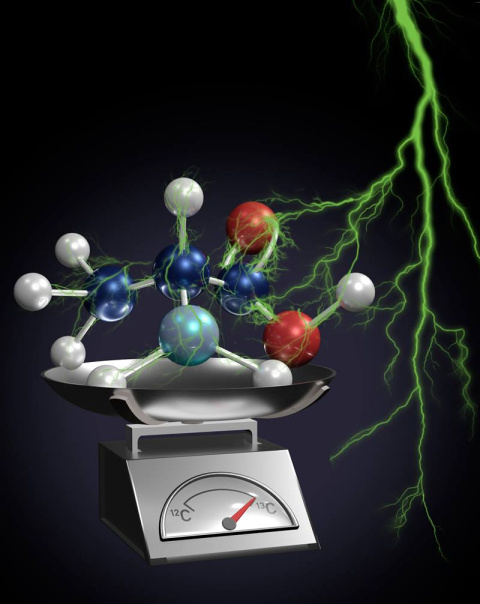
Novel isotope tracking brings nanoscale chemistry into view.
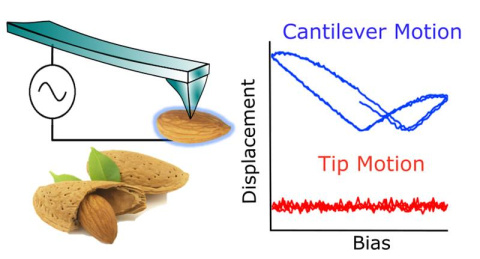
Novel microscopy method cuts instrument crosstalk, boosts accuracy.
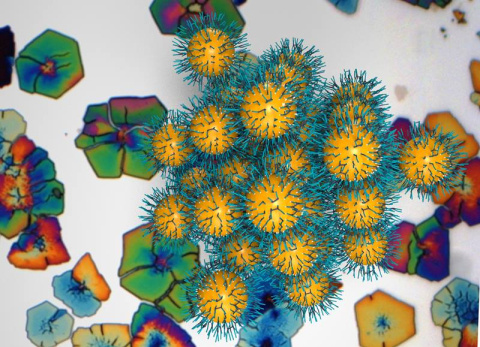
Ligands allow fine tuning of nanoparticle superstructure properties.
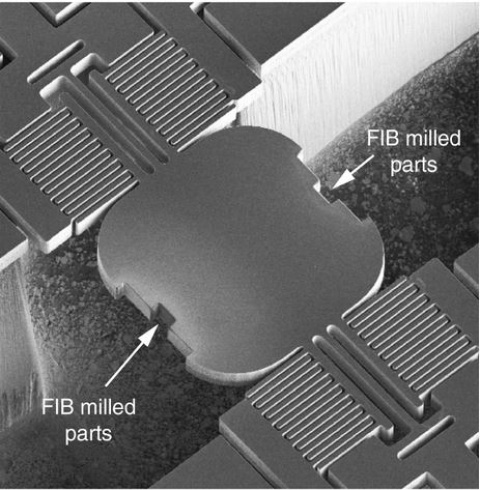
New optics technology can bring hard X-ray pulses down to a mere 300 picoseconds each.
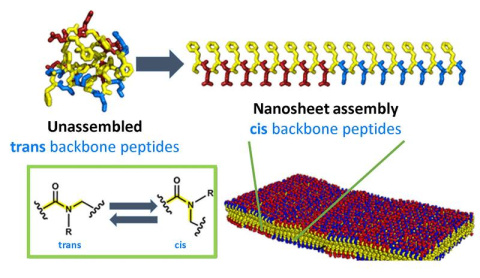
Team of researchers discovered that peptoids can change shape when they form a nanosheet, which has potential to improve chemical sensors & much more.
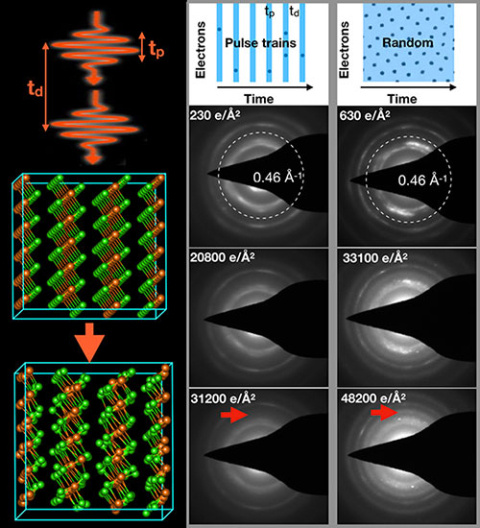
A new electron microscopy technique brings to light a plastic material’s atomic structure and has implications for renewable plastic.