




Scientists demonstrated a self-assembly approach to fabricating nanoscale metamaterials that are built on vertically aligned conducting metallic
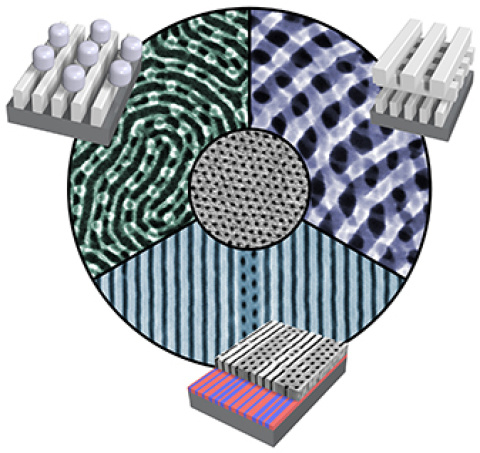
Self-assembly is a powerful concept for making nanoscale structures where molecules are designed to spontaneously pack themselves into the desired
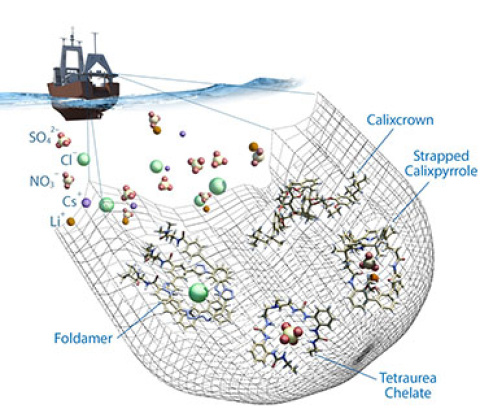
The various classes of chelators discovered and developed in the course of this fundamental research serve as tools that act, on the molecular

Identifying the correct mechanism of a reaction can still be one of the toughest tasks facing chemists. For example, when designing a catalyst,

The ability to correlate the 3D arrangements of atoms and defects with a material’s properties and functionality is vital in designing new
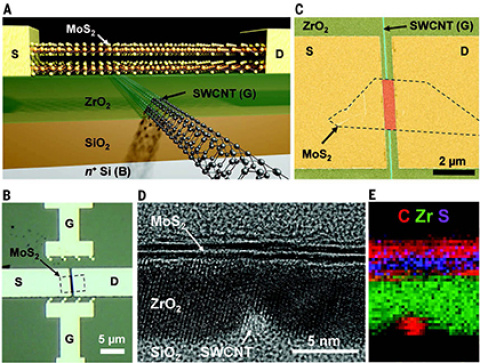
The next generation of microelectronics will only be realized by finding ways to continue to reduce the size of a transistor. Since the

Graphene’s remarkable electronic properties have fueled the vision of developing graphene-based devices to enable lighter, faster and smarter
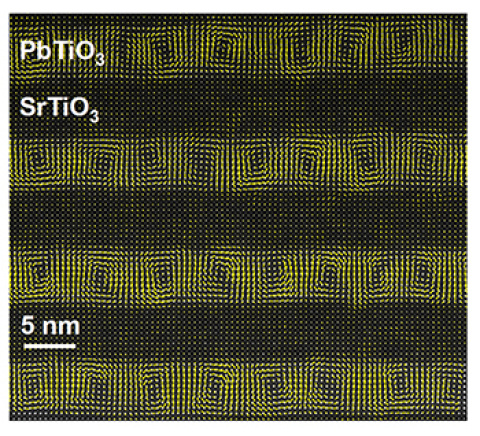
Recently, scientists discovered that in some magnetic materials, magnetic spirals, called skyrmions, could form on the material’s surface.
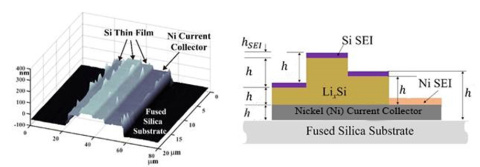
This research has developed new techniques for in situ measurements of the growth of solid-electrolyte interphase (SEI) layers on silicon
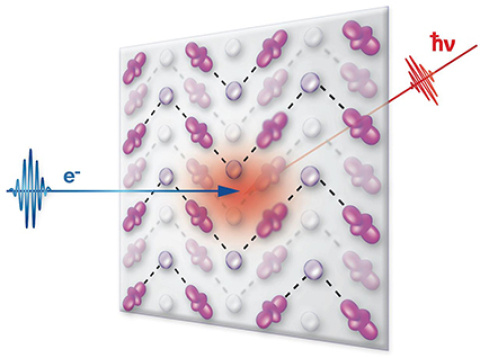
When an electron, which is negatively charged, travels through the atomic lattice, just like the attraction between opposite ends of a magnet, the