



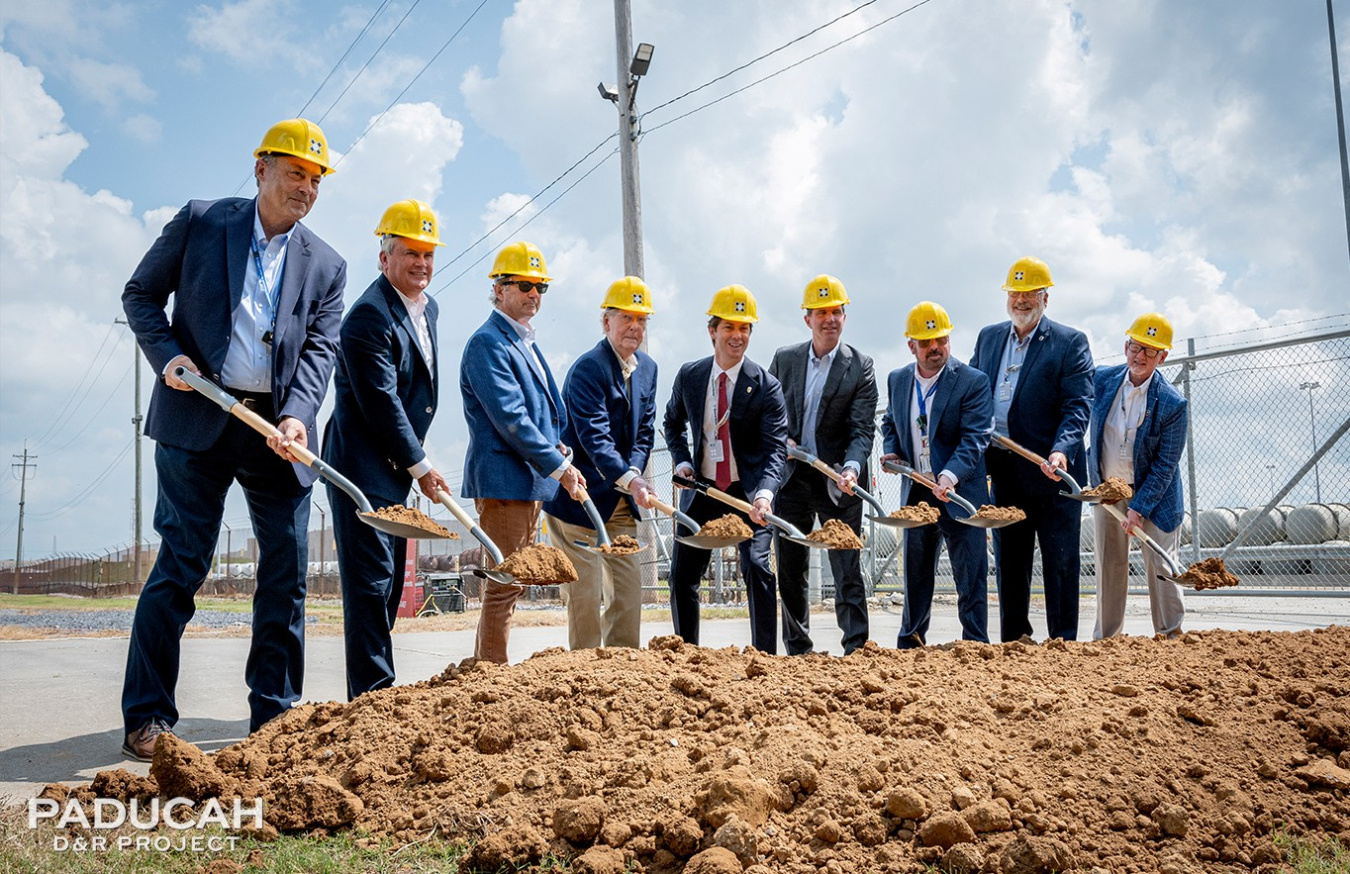
After DOE received the facilities from USEC in October 2014, a strategy was developed to optimize cleanup to allow transfer of land for future use. Utilizing a new integrated site-wide cleanup approach optimizes cleanup activities. This holistic updated approach focuses on end use fueled by community interest in site reuse for economic development, while targeting land which has the highest potential for reuse. The waste disposal decision is key to prioritizing and scheduling actions.
Community
DOE is committed to fostering meaningful public involvement in environmental remediation decision-making at its cleanup sites. The Paducah Community Relations Plan describes how DOE provides opportunities for the public to become involved in cleanup decisions at the Paducah Site. Interactive communications enable the public and other stakeholders to learn about the environmental program so they can effectively provide input.
Holistic Cleanup Approach
Paducah’s holistic cleanup approach focuses on end use fueled by the community’s desire for reuse of the site for economic development while targeting land that has the highest potential for reuse.
Property Transfer
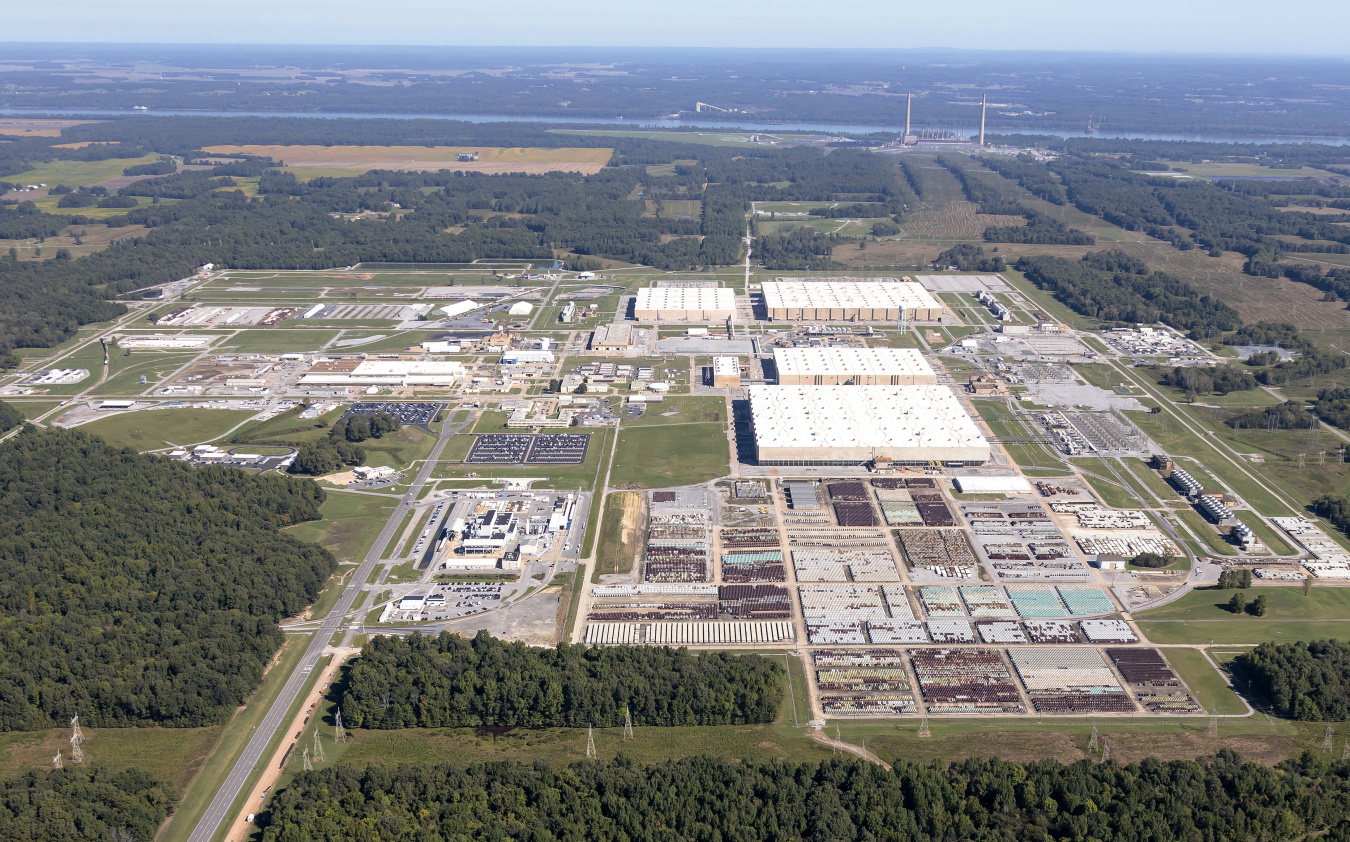
PPPO works to reduce the DOE footprint and lifecycle cost while providing opportunities for future reuse that, to the extent possible, supports economic development for the local Paducah community. As DOE makes progress on cleanup activities, land, facilities and infrastructure may become available to transfer for other uses. In planning long-term for property transfers, DOE developed an Environmental Assessment of the Paducah Site to address potential environmental impacts associated with the transfer of DOE-owned property.
The potential for environmental impact is assessed to determine the baseline (pre-transfer) environmental conditions and uses of the property (raw land, light industrial, etc.); to consider mitigation (e.g., design, access restrictions) enforced/imposed by DOE; and to assess any potential impacts resulting from adjacent incompatible land uses. The assessment resulted in a Finding of No Significant Impact to the environment.
In 1994, DOE began holding public workshops on future land use with Paducah stakeholders. Additional meetings have been held with the Paducah Gaseous Diffusion Plant Neighborhood Council, the Paducah Citizens Advisory Board, city and county officials and economic development interests. In 2010, the Kentucky Research Consortium for Energy and Environment developed a community-based end state vision encompassing the range of community perspectives for the site’s future after the facility closes. The end state is the condition of the site when remediation is complete, and appropriate property can be released for community development. The PGDP end state vision is driven by the current and expected future land use of areas at and around PGDP. A combination of industrial and recreational use is considered as the most likely future scenario for the Paducah Site. DOE continues to look for opportunities for productive use of the PGDP facilities and property.
In addition to property transfer, land leases are another way to support reindustrialization. In August 2025, DOE agreed to lease approximately 100 acres of land to California-based company, General Matter, for a future private-sector domestic uranium enrichment facility. The lease was issued through the Hall Amendment, a law that allows DOE to lease, rent, or redevelop land and buildings at old nuclear weapon production sites that are no longer in use.
Paducah Area Community Reuse Organization (PACRO)
The Paducah Area Community Reuse Organization, PACRO, is one of seven active Community Reuse Organizations that exist in areas where nuclear weapons complex plants once thrived. PACRO is tasked to mitigate the impact of the closure of the Department of Energy owned Paducah Gaseous Diffusion Plant in western McCracken County, Kentucky. Its mission includes promoting the site and surrounding acreage for future economic development and pushing for federal cleanup dollars to reduce the footprint of the long-running uranium enrichment facilities.