



Cleanup crews have finished demolishing a tight cluster of 10 historic, highly contaminated buildings at Oak Ridge National Laboratory, concluding a six-year project to eliminate legacy hazards and help transform the heart of the laboratory’s central campus, creating new opportunities for future research missions.
Office of Environmental Management
November 10, 2026 Estimated Read Time min
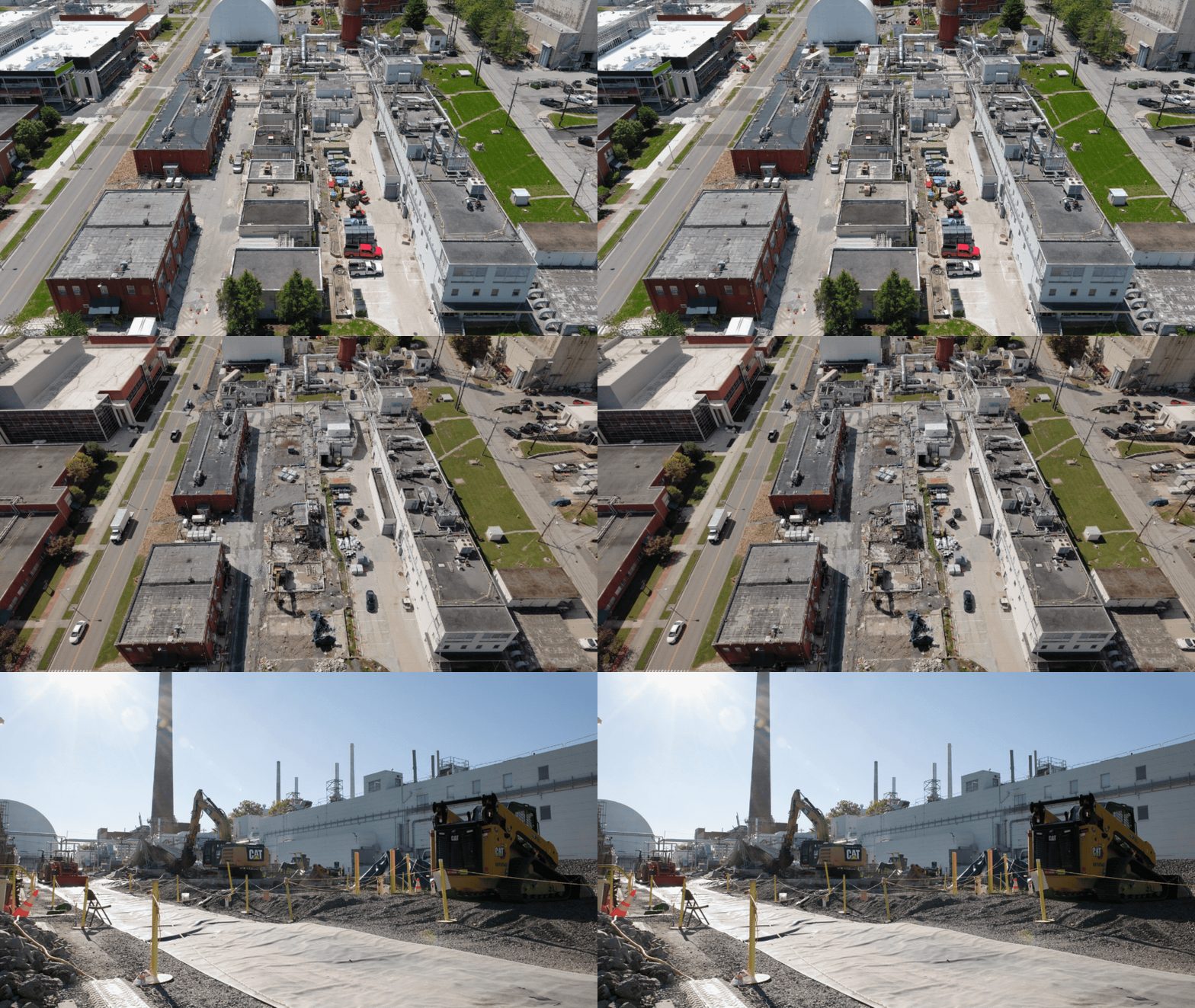
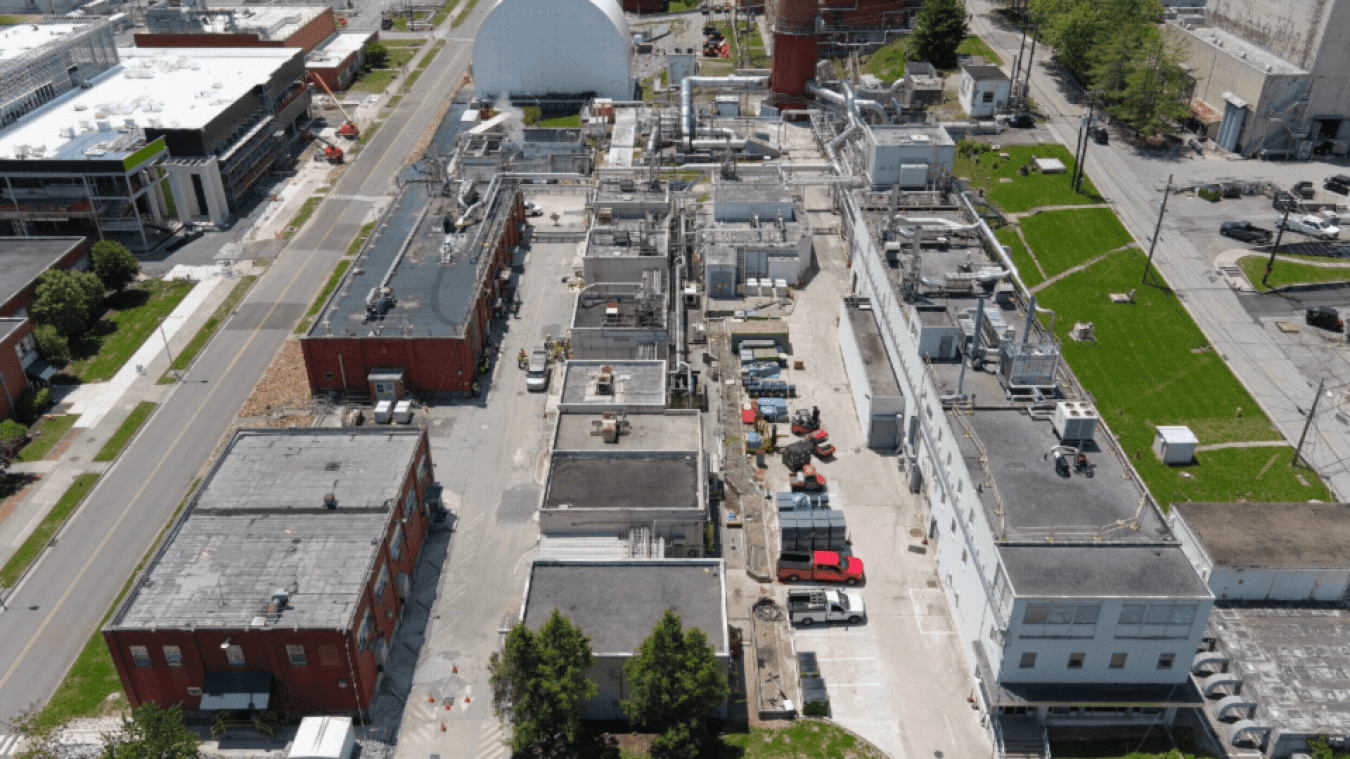
Before-and-after views of the Isotope Row demolition that removed 10 buildings.
OAK RIDGE, Tenn. — Cleanup crews have finished demolishing a tight cluster of 10 historic, highly contaminated buildings at Oak Ridge National Laboratory, concluding a six-year project to eliminate legacy hazards and help transform the heart of the laboratory’s central campus, creating new opportunities for future research missions.
The U.S. Department of Energy’s (DOE) Oak Ridge Office of Environmental Management (OREM) and prime cleanup contractor United Cleanup Oak Ridge (UCOR) took down the former radioisotope production facilities, known collectively as Isotope Row, in only two months.
“Completing Isotope Row reflects the technical expertise, collaboration and commitment to safety required to address some of ORNL’s most challenging legacy hazards,” Federal Project Director Michael Griswold said. “This accomplishment reduces risks today while opening new opportunities for the laboratory’s tomorrow.”
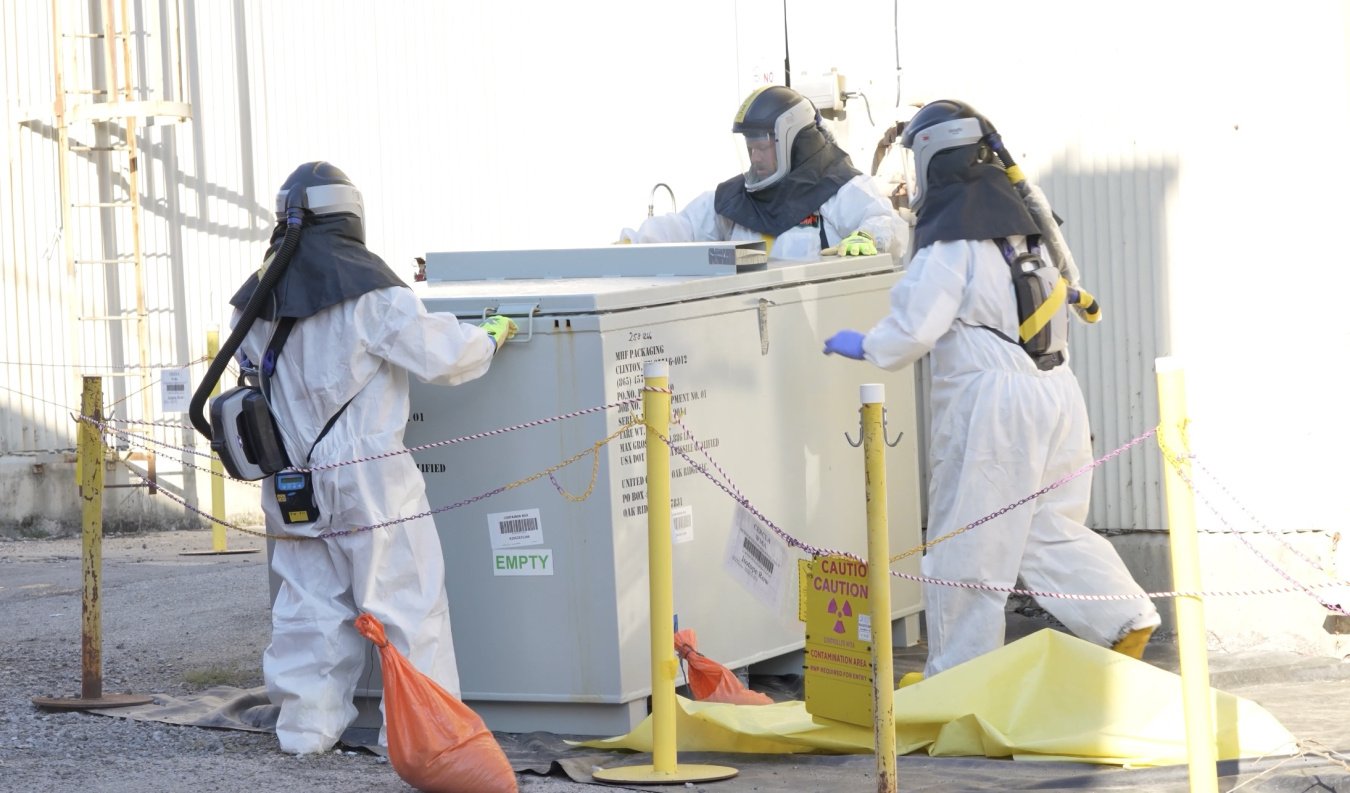
Crews remove a glovebox from Isotope Row during deactivation, preparing the series of 10 buildings to be safely demolished.
Multidisciplined personnel safely removed nearly 3 million pounds of waste; four 2,000-pound tanks that held an inert gas for legacy operations; ventilation systems; and equipment that protected personnel from hazards, including six hot cells and contaminated gloveboxes.
They also tore down over 12,000 square feet of buildings. Workers disposed of most demolition debris onsite, avoiding transportation costs and reflecting strong stewardship of taxpayer dollars.
“This accomplishment belongs to the people across our organization who spent six years planning, problem-solving and safely executing incredibly challenging work,” UCOR Senior Vice President of End State Delivery Clint Wolfley said. “Their ingenuity and determination have transformed one of ORNL’s most complex footprints into an opportunity for its future.”
The magnitude of the accomplishment comes into sharp focus when considering what these facilities once housed and what was left behind.
Constructed between the late 1940s and early 1960s, Isotope Row supported radioisotope production and research for medical, industrial, scientific and national defense applications. When operations ended in the early 1990s, the buildings remained, along with highly contaminated hot cells, gloveboxes, radioactive isotopes, mercury, asbestos and hazardous process systems that required decades of planning and specialized cleanup approaches.
UCOR began deactivating Isotope Row in 2020, first isolating utilities and removing combustible materials, hazardous waste and asbestos before tackling heavily contaminated process equipment and ventilation systems.
One of the greatest challenges was removing overhead process off-gas and central ventilation piping. Portions of the ventilation system were built using an asbestos-containing concrete mixture that became highly contaminated during decades of operations. Removing these systems 10 to 15 feet above the floor required extensive planning, specialized controls and careful packaging to protect workers and safely prevent the spread of contamination.
Partnerships were equally critical to the project’s success. OREM, UCOR, ORNL prime contractor UT-Battelle and DOE’s Office of Science worked together to support the facilities’ transition to cold-and-dark status, which involves isolating and shutting off all facility utilities and removing asbestos from aging infrastructure. Working closely with UT-Battelle, crews strategically scheduled teardowns during afternoon hours to minimize disruptions to ongoing research operations.
“After decades standing at the heart of ORNL, Isotope Row is gone and ORNL’s skyline is forever changed,” said Wolfley.
-Contributor: Ryan Getsi
To receive the latest news and updates about the Office of Environmental Management, submit your e-mail address.