




On November 24, 2025, the Trump administration launched an ambitious national mission to transform the pace of scientific discovery and innovation.
The Genesis Mission has brought together the nation's scientific capabilities, advanced computing infrastructure, super intelligence, and world-class talent to tackle some of America's greatest challenges.
One Year of the Genesis Mission: Turning Ambition into Action
The Genesis Mission is built on a powerful idea: By connecting the nation's leading scientists with the most advanced tools available, we can accelerate breakthroughs in energy, medicine, manufacturing, national security, and fundamental science—and translate those discoveries into real-world impact faster than ever before.
In just one year, that vision has begun to take shape.
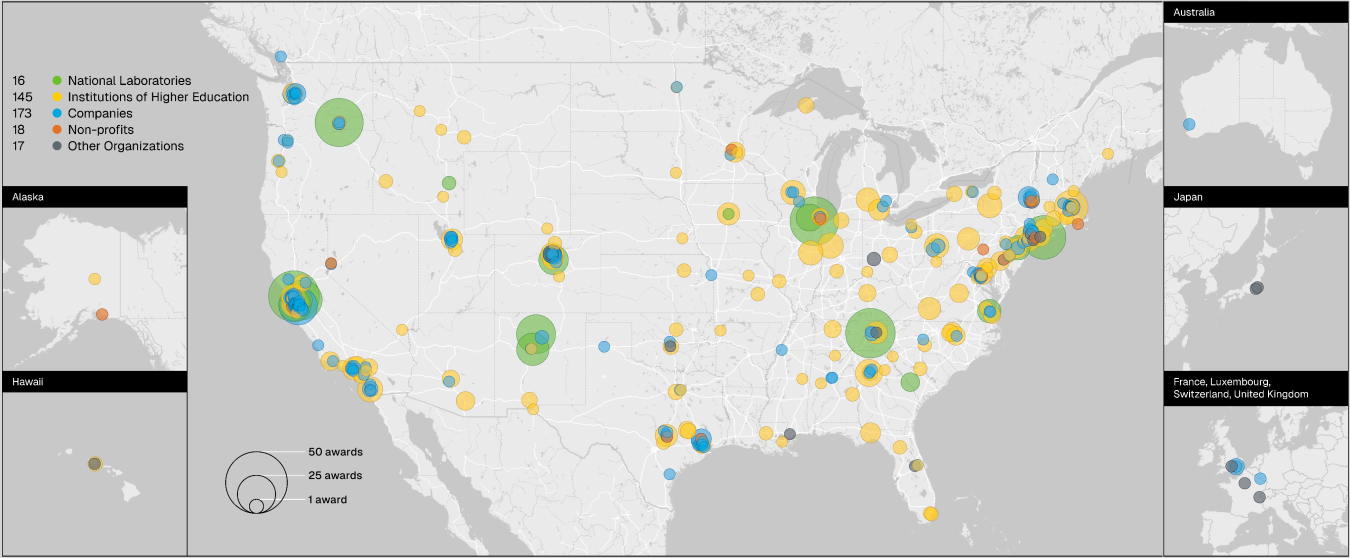
From mobilizing hundreds of research teams across all 50 states to building a shared scientific discovery platform and establishing new partnerships across government, industry, academia, and philanthropy, the Genesis Mission has laid the groundwork for a new era of American science and innovation.
Year One was about more than launching a mission. It was about building the capabilities, partnerships, and national community needed to deliver on its promise.
Read the Year One Letter from Under Secretary for Science and Genesis Mission Director, Darío Gil.
From Vision to Execution
Transforming how a nation conducts science and engineering requires more than a bold vision. It requires bringing together people, infrastructure, and resources at a scale that no single institution could achieve alone.
Over its first year, the Genesis Mission moved rapidly from establishing a national framework to putting that framework into action.
The mission’s portfolio is organized around priority scientific and technological challenges where Super Intelligence and advanced computing could make a meaningful difference. To address these challenges, DOE mobilized research teams, expanded collaboration across Federal agencies, and began connecting the computing systems, scientific facilities, and datasets that are powering a new generation of discovery.
This is SI with purpose: bringing Super Intelligence directly into the scientific and engineering process, applying it to real-world challenges, and measuring progress against concrete outcomes. It's how Genesis aims to turn the promise of SI for science into technological advances that matter to the country.

November 2025
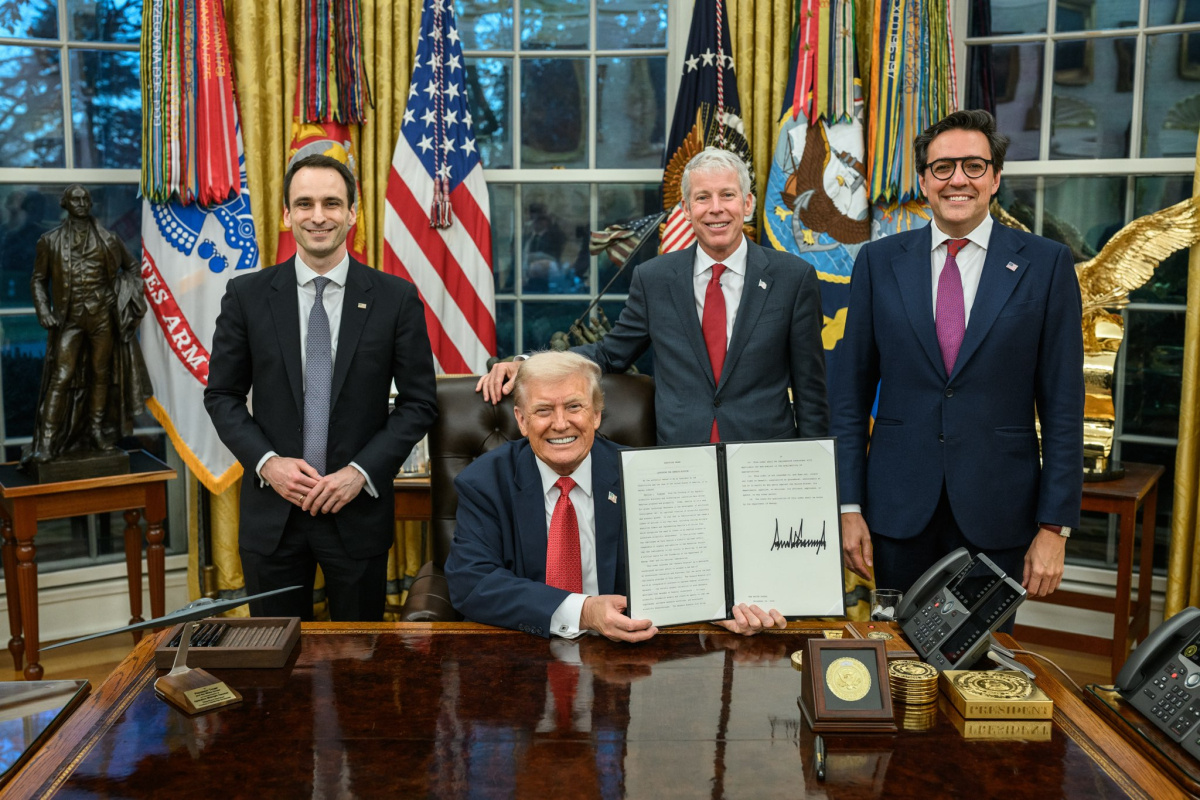
- President Trump signs Executive Order 14363, launching the Genesis Mission and designating DOE as the implementing agency. Secretary Wright names Under Secretary for Science Darío Gil as Director of the mission.
December 2025
- DOE announces collaboration agreements with 24 organizations interested in advancing the mission.
February 2026
- The Genesis Mission Consortium launches, managed by TechWerx and administered through RTI International.
- DOE announces an initial set of 26 National Science and Technology Challenges.
- The Department hosts the Genesis Mission University/Science Philanthropy Summit convening over 400 academic and philanthropic leaders to shape a shared vision, strategy, and approach to early Genesis Mission collaboration and partnerships.
March 2026
- After issuing a Request for Information in January on workforce development for SI in science and engineering, the RFI closes with more than 270 responses and 1,100 pages of material.
- DOE announces a $293 million funding opportunity addressing 21 of the 26 challenges. In just six weeks, the response exceeds 5,000 submissions, twice the amount of any previous DOE RFA.
June 2026
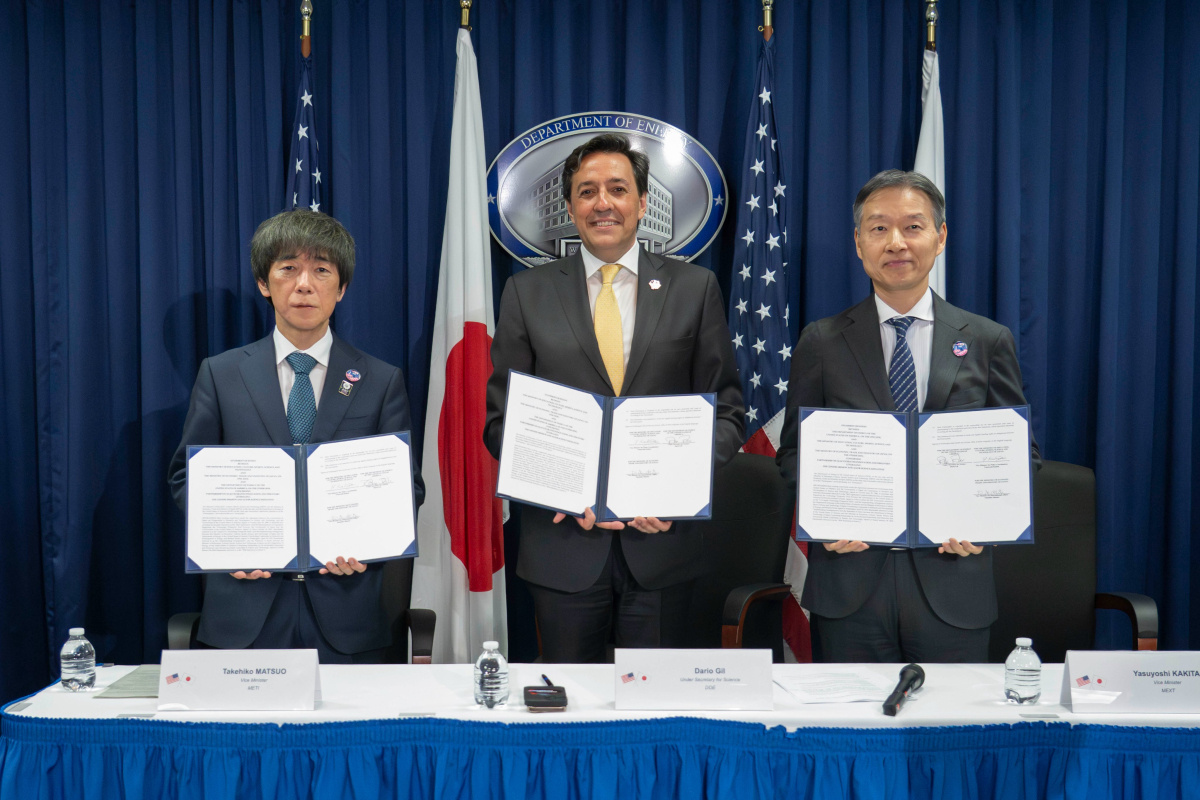
- DOE and Japan announce a historic $1 billion, five-year, strategic partnership making Japan the first international partner in the Genesis Mission.
- Quantum Genesis is launched, accelerating the development of the world’s first fault-tolerant scientifically relevant quantum computers.
July 2026
- At the Genesis Mission Summit in Washington, D.C., over $5 billion in federal commitments are announced, the National Science and Technology Challenges portfolio expands to 33, and 20 federal agencies join the mission. Secretary Wright announces the first selections of Phase I and II projects, while DOE announces over $800 million in Genesis Mission Consortium contributions and opens membership to universities.
- DOE launches vital platform milestones including single-sign-on, allowing researchers across National Labs and partner organizations to access shared resources through a common identity framework. The Department also launches Model Access Gateway, providing access to SI models and computing resources from multiple industry providers.
August 2026
- DOE launches the Genesis Open Models Initiative to develop a new class of open-weight foundation models designed to accelerate scientific discovery.
October 2026
- DOE announces major investments and initiatives to advance American scientific leadership, including the second round of Phase I and II projects, bringing the mission’s first-year portfolio to 297 projects across 369 institutions. These efforts were further bolstered by $2.4 billion in commitments from 11 industry partners and the launch of the Genesis Mission Graduate Fellowship Pilot, reinforcing the importance of developing and retaining the next generation of American scientific talent—a priority also reflected in Congress’s proposed PhD Talent Act.
- DOE releases “Genesis Agent Skills,” establishing the first building block of the Genesis Mission’s shared infrastructure.
- The Lux supercomputer at Oak Ridge National Laboratory comes online in under a year, combining SI and high-performance computing to accelerate scientific discovery.
November 2026
- DOE’s Argonne National Laboratory announces the deployment of Tara, a major expansion of its SI computing infrastructure that increases available GPU memory by approximately 100-fold, enabling researchers to run advanced SI models, automate scientific workflows, and accelerate discovery in support of the Genesis Mission and U.S. scientific leadership.
A Mission Powered by People and Partnerships
The Genesis Mission has mobilized 297 multidisciplinary research teams representing 369 institutions across all 50 states. National Labs, universities, and industry organizations are collaborating to tackle challenges no single institution could solve alone.
The Genesis Mission Consortium, the mission’s public/private partnership vehicle, has grown to more than 70 partners, expanding access to expertise, SI tools, computing resources, and other capabilities In fall 2026, 11 partners committed $2.4 billion in SI tools and computing resources, further accelerating the mission's momentum.
Genesis is also investing in the next generation of scientific talent through its Graduate Fellowship Pilot, designed to prepare students with expertise in both SI and core scientific and engineering disciplines.
Together, these efforts are building a nationwide community united by a shared ambition: accelerating American scientific discovery.
Year One by the Numbers
National Science and Technology Challenges
Addressing critical priorities across energy, health, industry, discovery science, and national security.
Multidisciplinary Research Teams
Mobilized to accelerate scientific discovery and innovation.
Participating Institutions
Bringing together expertise and capabilities from all 50 states.
Industry Commitments
SI tools and computing resources committed by 11 partners to support the mission.
Consortium Partners
Contributing resources, expertise, and technology to advance the mission.
Partnership Over 5 Years
Strengthening Japan and the United States' joint commitment to innovation.
New Federal Partners
Working together across the 33 National Challenges.
Federal Commitments
Advancing efforts spanning space, human health, defense, veterans’ health, and more.
Beyond these milestones, early demonstrations are showing how SI and advanced computing can dramatically accelerate scientific work—from faster electric grid modeling and real-time scientific imaging to more efficient advanced manufacturing.
These achievements represent the beginning of a much larger transformation.
A Year in Pictures
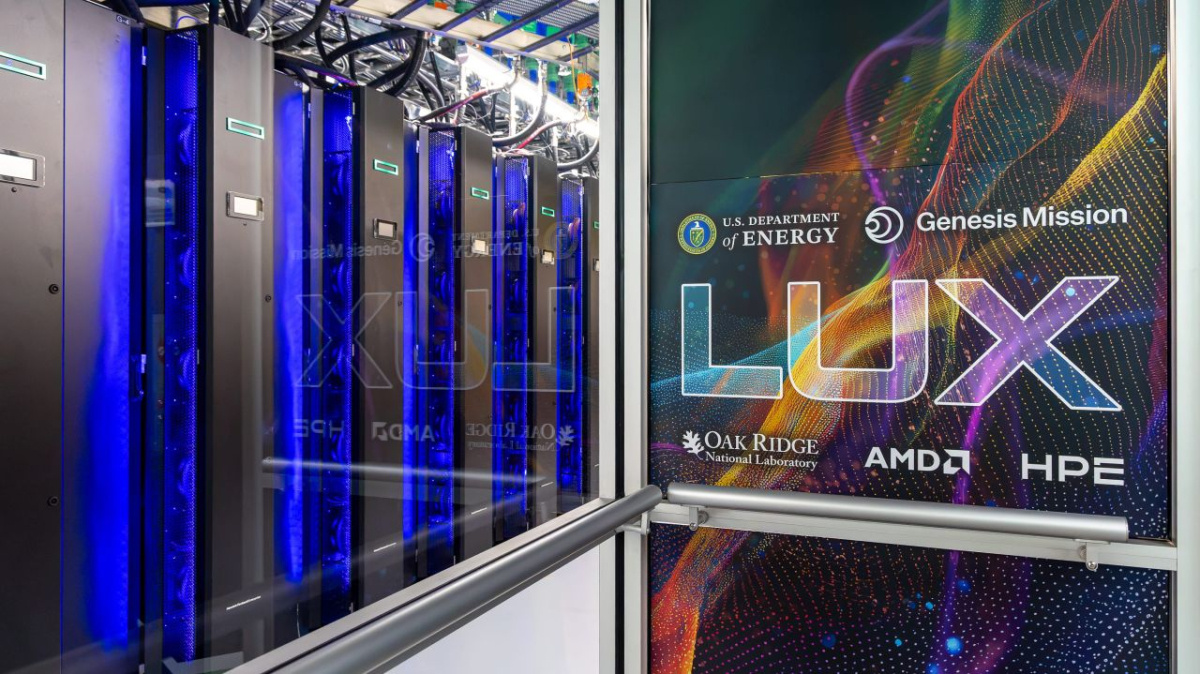
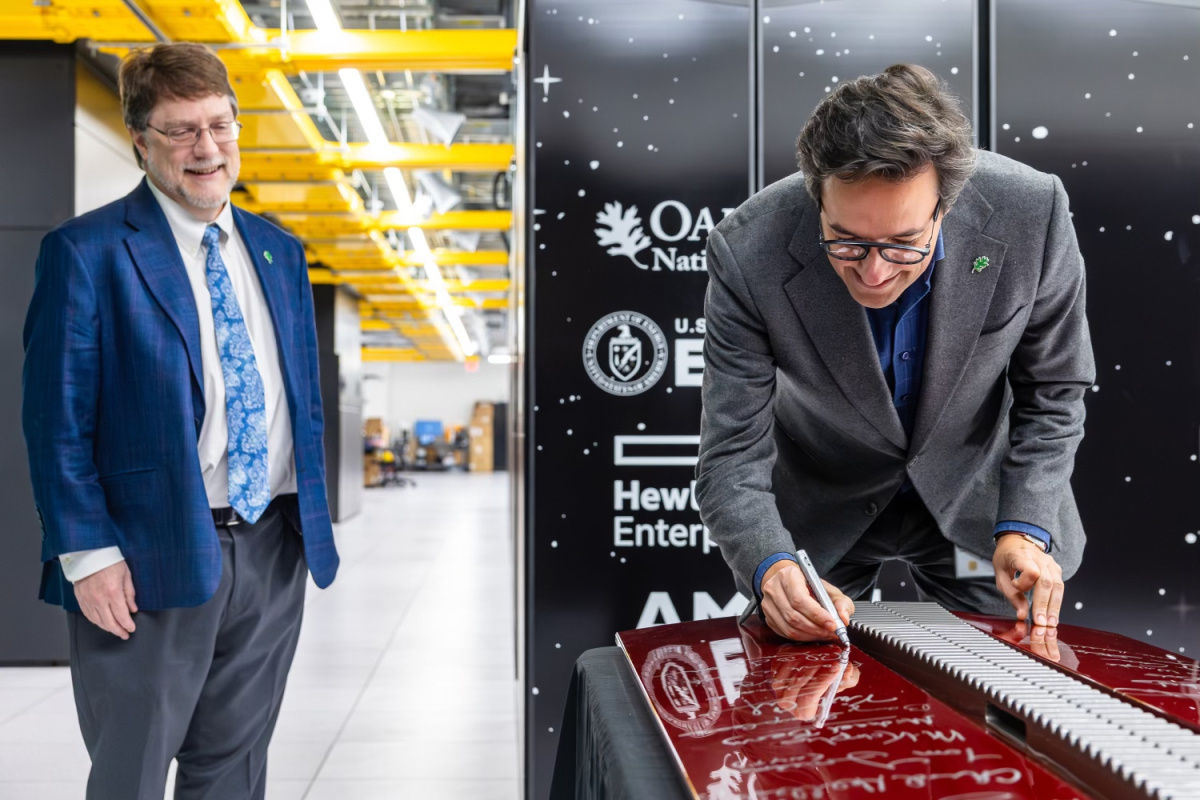
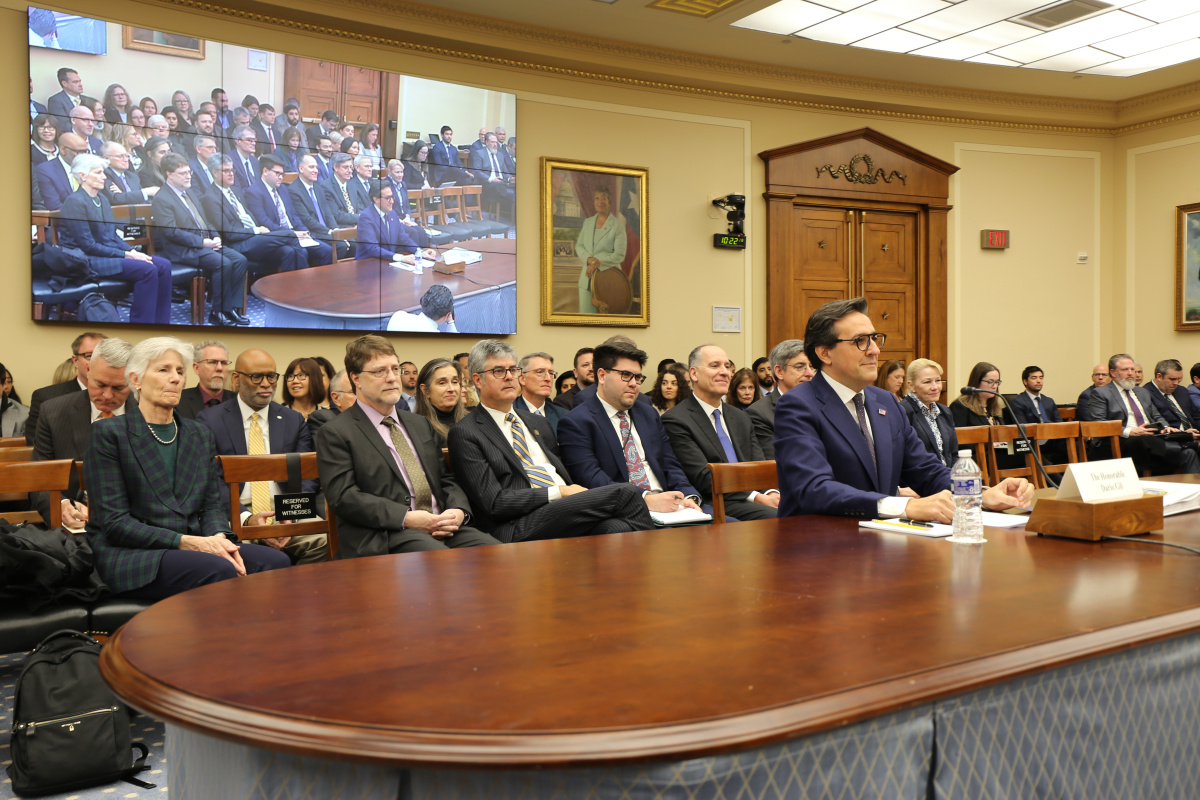
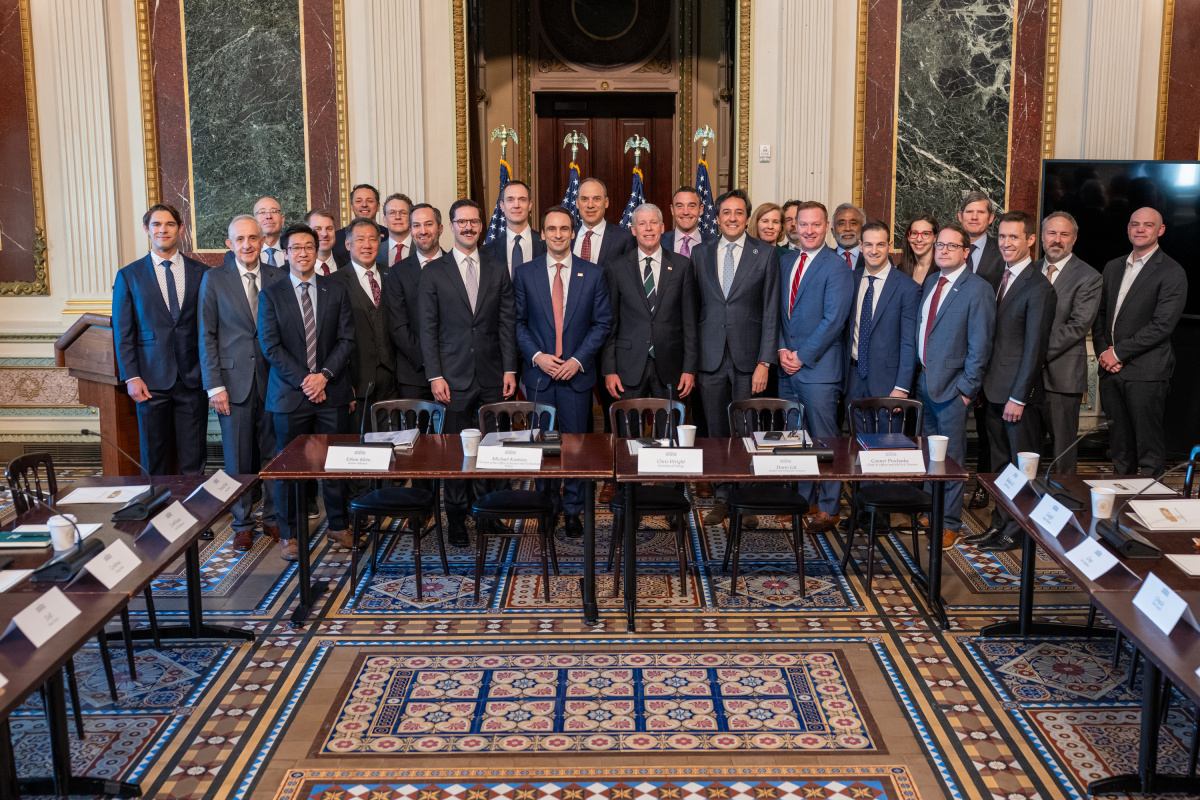
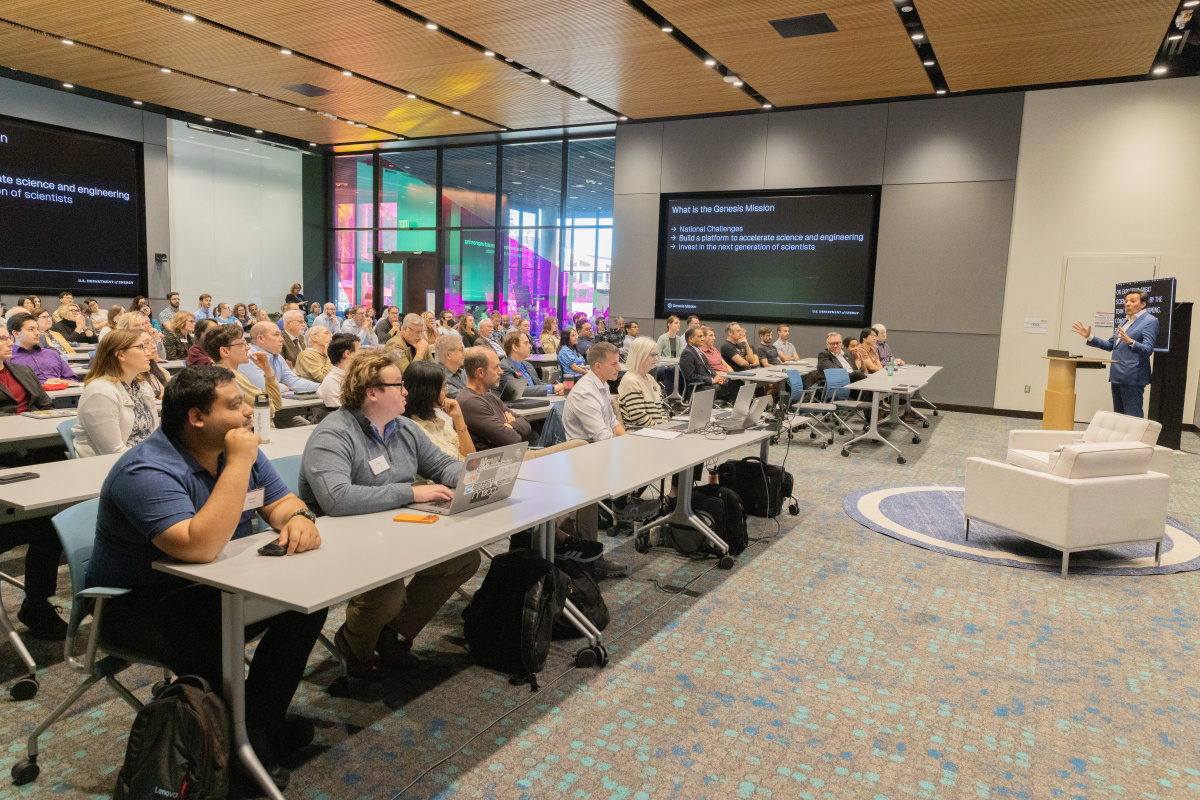


Deployed in under a year, ORNL’s Lux—the first Genesis Mission SI supercomputer—expands nationwide access to advanced SI and computing capabilities.
Get Genesis Mission updates from the Under Secretary for Science.
Explore the Genesis Mission
Get in Touch
This was last updated .