



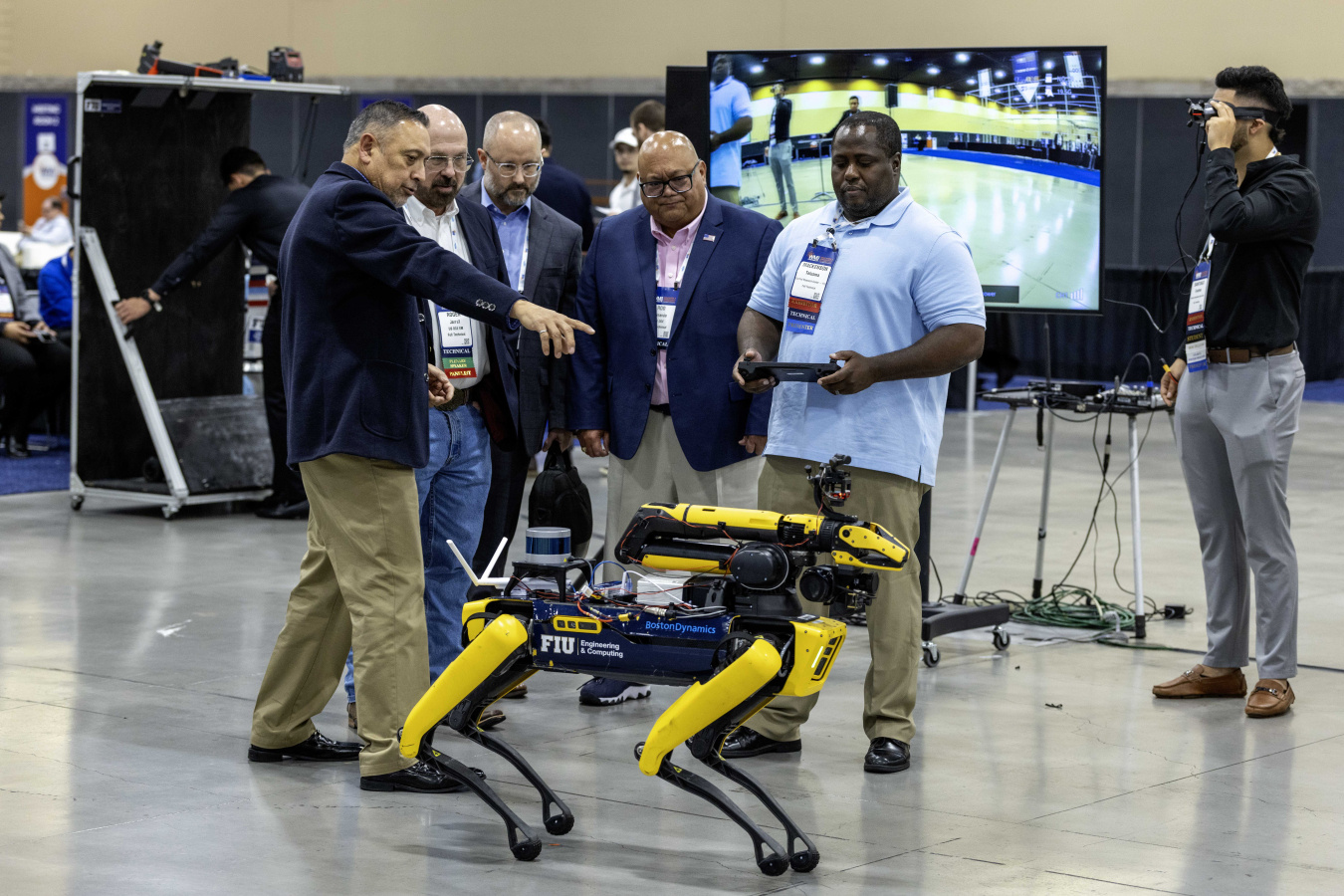
The Office of Environmental Management (EM) incorporates a robust technology portfolio across the cleanup complex to ensure alignment with mission goals and supports the use of state-of-the-art technology and baseline alternatives to reduce costs, accelerate schedules, and mitigate technical vulnerabilities – all to drive innovation and efficiency without sacrificing safety or effectiveness.
The work required to complete the cleanup mission is uniquely challenging due to the hazards associated with the nation’s nuclear facilities, coupled with the complex nature and environment of much of the work involved. Appropriate technology insertion is necessary to accomplish EM’s mission safely and efficiently.
Latest News
-
September 29, 2026
-
September 29, 2026
Technology Needs
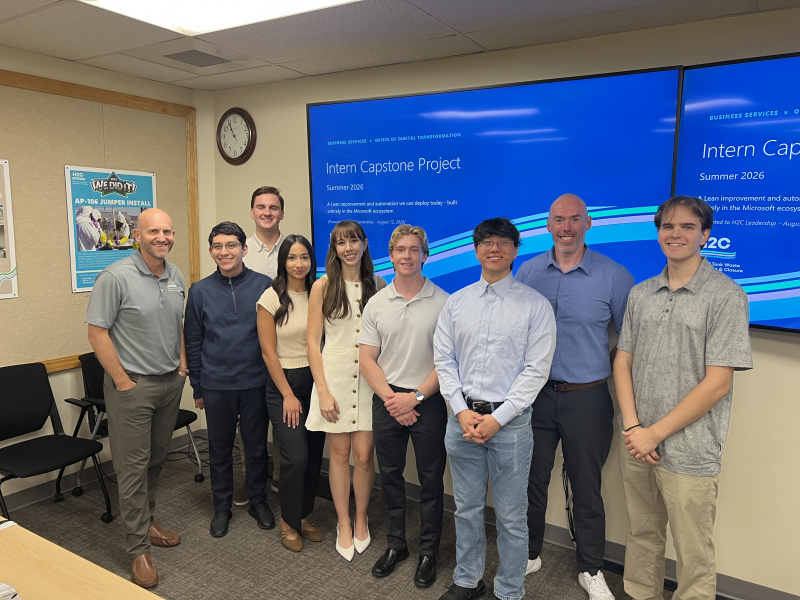
EM provides funding to laboratories, universities, and industry to assist with the technology needed to meet current and future mission requirements. Potential technology developers have the ability to understand specific EM site technology needs through topic roadmaps and national laboratory reports and publications. Specific topics include: tank waste processing and closure; soil & groundwater remediation; deactivation & decommissioning; and robotics and artificial intelligence.
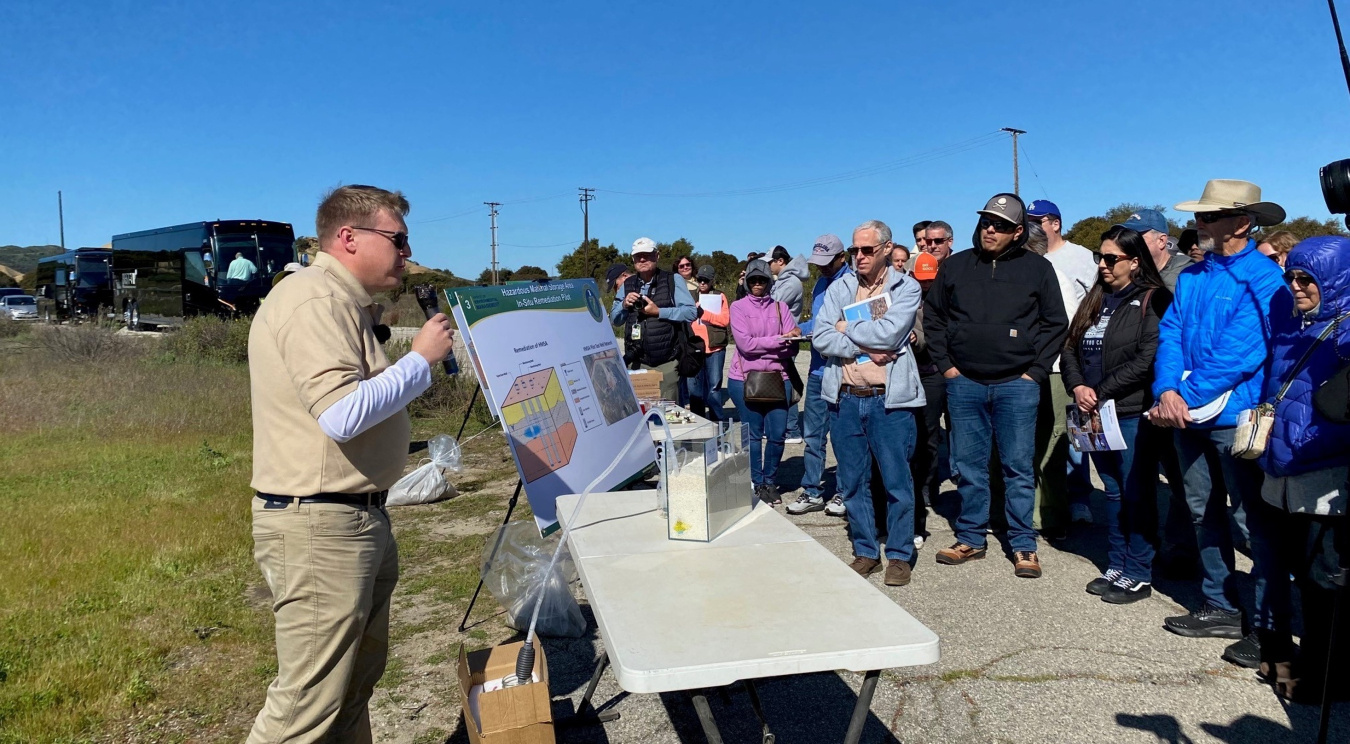 During a Groundwater University site tour at the Santa Susana Field Laboratory, Josh Mengers, federal project director for the Energy Technology Engineering Center, shows an educational model to demonstrate some of the work being done at the site.
EM manages one of the largest groundwater and soil remediation efforts in the world. The inventory at the EM sites includes 6.5 trillion liters of contaminated groundwater.
- Prediction – improve AI modeling to understand soil and groundwater contaminant characteristics
- Detection – Improve in-situ sensor durability and sensitivity (chemical, nutrient, thermal)
- Detection – Improve geotechnical techniques
- Immobilization/degradation – develop techniques to reduce contamination spread
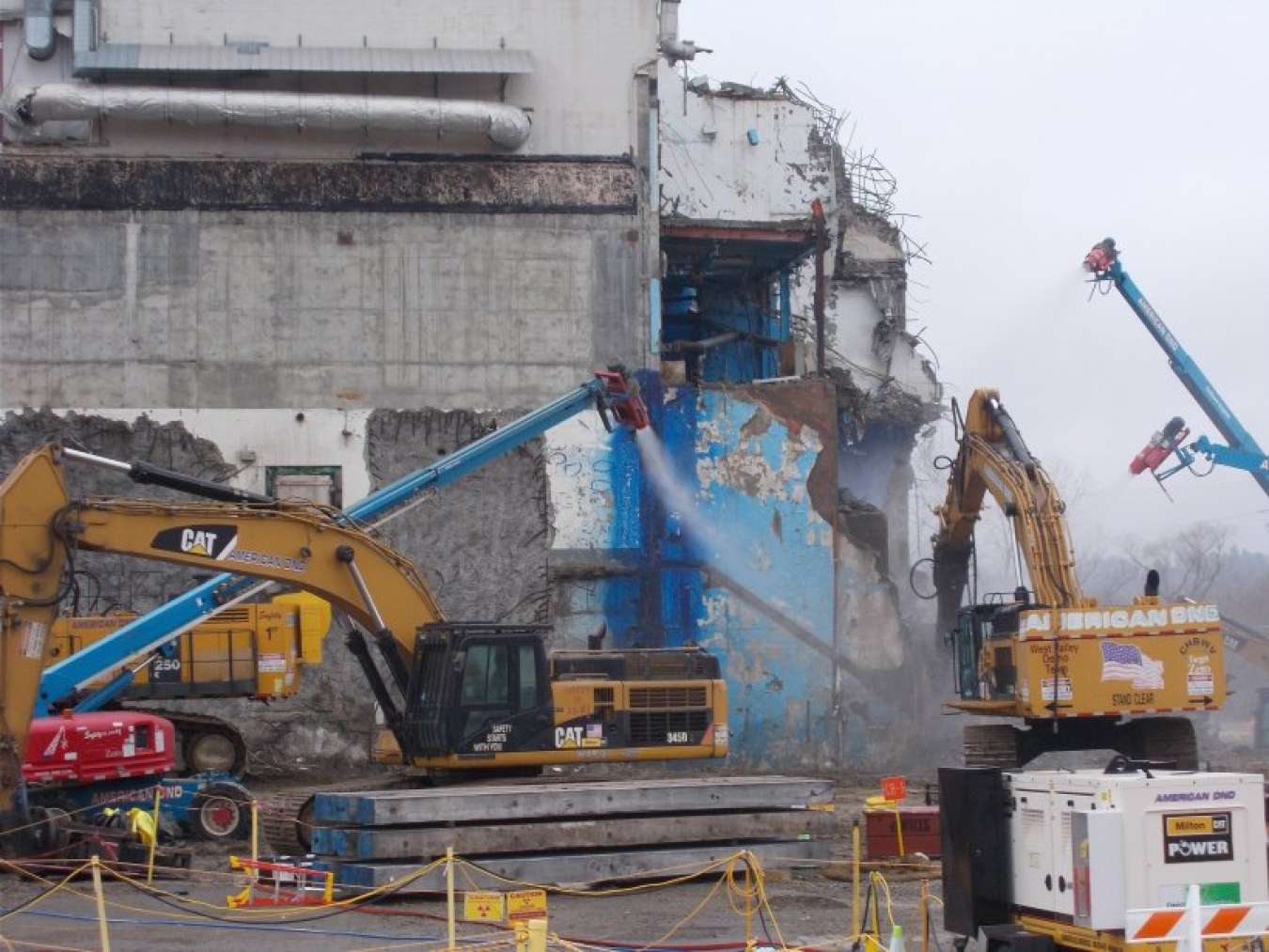 An excavator with a hydraulic hammer is used to deconstruct the Acid Recovery Cell to prepare for the removal of reinforced-concrete flooring as part of the deconstruction of the Main Plant Process Building at the West Valley Demonstration Project.
Deactivation is the process of placing a contaminated (nuclear, radiologically, or radioactive) excess facility in a stable condition to minimize risks. Decommissioning is the final process of closing and securing the facility.
- Worker Safety – develop techniques to reduce human contaminant exposure
- Encapsulation – efficient technologies are needed to prevent airborne spread of contaminants
- Dust collection – capture/filter particles during demolition
- Mobile laboratory – to perform sample processing
- Sampling equipment – increase equipment environmental effectiveness
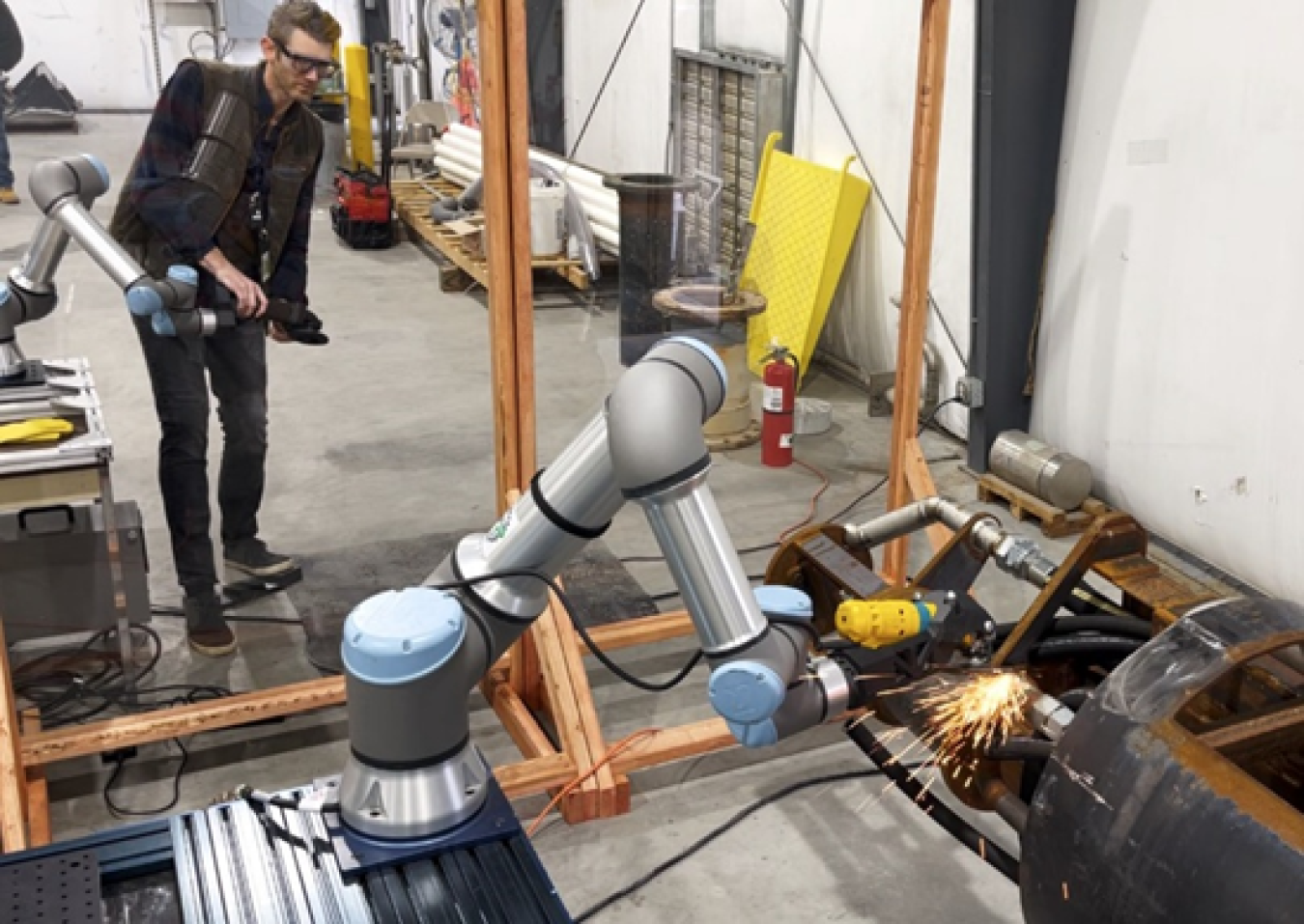
EM demonstrated and deployed new and innovative technologies in FY25 that improves cleanup quality and productivity, enhances worker safety, reduces operational risk, provides alternatives to baseline technologies, and enables new operational capabilities across the DOE complex. These integrated field demonstrations advance remote operations, intelligent sensing, environmental monitoring, structural monitoring, robotic manipulation, and AI-enabled decision support in high-hazard environments. EM's integration of robotics and artificial intelligence also directly supports the Genesis Mission for Nuclear Restoration and Revitalization across the EM complex.
- Autonomous & Robotic Inspection Systems - Reduced worker entry into hazardous and radiological environments, improved inspection precision and data coverage, enhanced structural and subsurface characterization accuracy, and strengthened proactive risk mitigation and schedule predictability.
- Robotic Maintenance & Remote Handling Systems - Expanded remote handling capability, reduced worker exposure during high-risk waste operations, improved radiological control margins, and established alternative treatment pathways that lower long-term storage liability and associated lifecycle costs.
- Environmental & Structural Monitoring Systems - Improved environmental characterization accuracy, strengthened airborne and groundwater contamination detection, enhanced structural monitoring capability, and supported measurable reductions in long-term monitoring frequency and stewardship cost.
- Artificial Intelligence & Digital Enabling Systems - Expanded digital data integration across sites, enhanced knowledge accessibility, reduced manual data processing burdens, and strengthened AI-enabled decision support for cleanup planning and execution.
Roadmaps
EM roadmaps are motivated by specific mission needs at our cleanup sites. Before proposing or assessing any specific technologies, the roadmap development process solicits feedback from EM sites to better understand technological needs and challenges. A roadmap identifies and aggregates the needs across the EM complex that could potentially be addressed with new and innovative technology development. Through the use of roadmaps, technology developers can better understand specific technology needs for a specific EM cleanup site. This improved understanding of the problem may provide greater focus and efficiency on solution-based technology development.
Completed Roadmaps
Funding Opportunities
EM supports national laboratories, companies, and educational institutions in developing cutting-edge technology to advance the cleanup mission. Funding opportunities are available for research, innovation, and commercialization efforts that drive progress in cleanup focus areas. Whether you’re working on proof of concept or demonstrating scalable technologies, EM offers various funding opportunities to assist in bringing technological ideas to life.
Periodically, EM receives unsolicited proposals. An unsolicited proposal is a written proposal for a new or innovative idea that is submitted to an agency on the initiative of the offeror for the purpose of obtaining a contract with the government, and that is not in response to a request for proposals. Per FAR 15.603, a valid unsolicited proposal must: be innovative and unique; be independently originated and developed by the offeror; be prepared without government supervision, endorsement, direction, or direct government involvement; include sufficient detail to permit a determination that government support could be worthwhile and the proposed work could benefit the agency’s research and development or other mission responsibilities; not be an advance proposal for a known agency requirement that can be acquired by competitive methods; and not address a previously published agency requirement. For submission of an unsolicited proposal, click here.
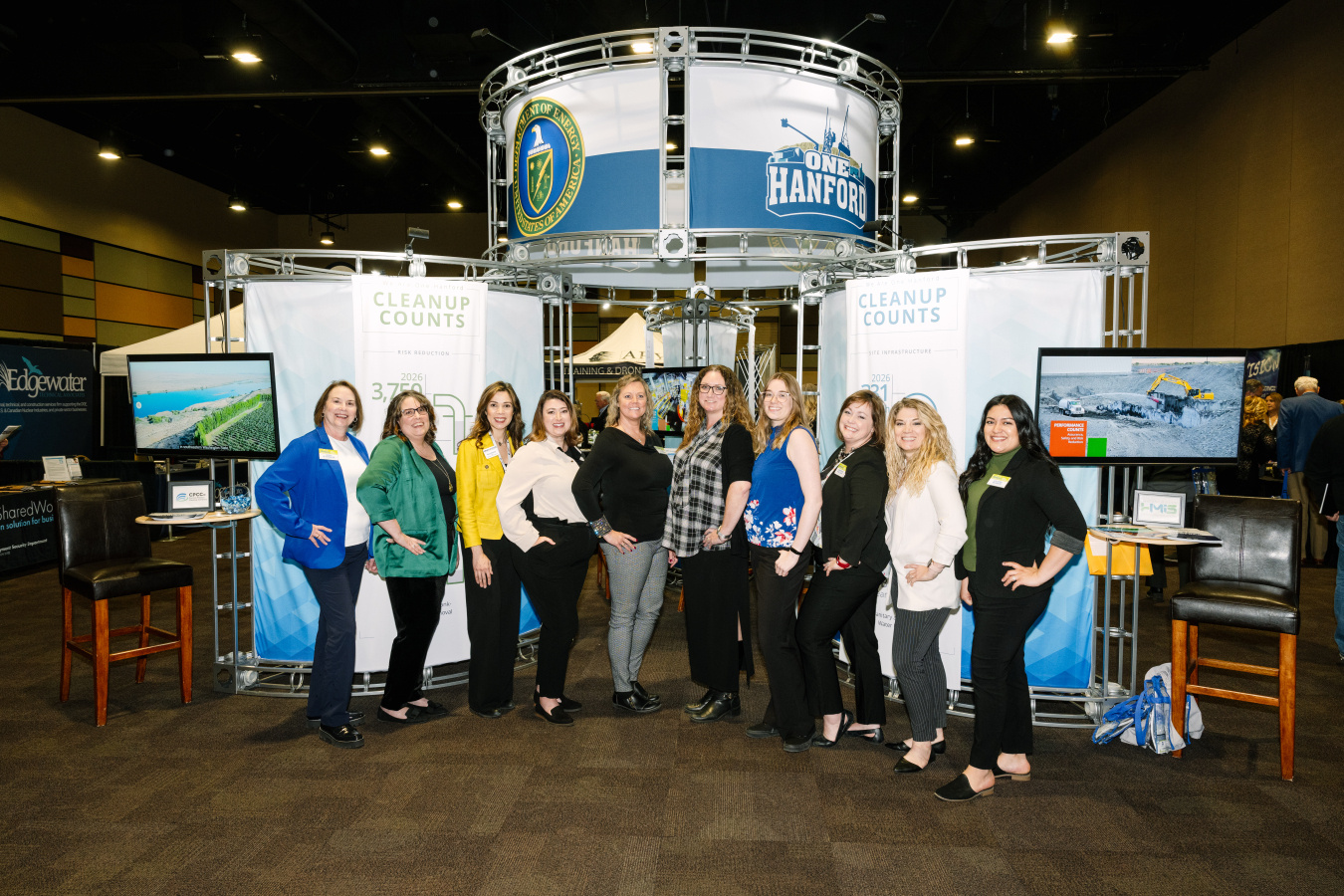 Small Business Program managers from the Hanford host the 17th annual Bridging Partnerships Small Business Symposium, which fosters relationship development between procurement offices and local and regional small businesses.
The Small Business Innovation Research (SBIR) program was established by Congress in 1982. Its major goals are to: stimulate technological innovation; use small business to meet federal research and development needs; foster and encourage participation by the socially and economically disadvantaged small businesses, and those that are 51 percent owned and controlled by women, in technological innovation; and increase private sector commercialization of innovations derived from federal research and development, thereby increasing competition, productivity, and economic growth.
For more information on the SBIR program funding opportunities click here.
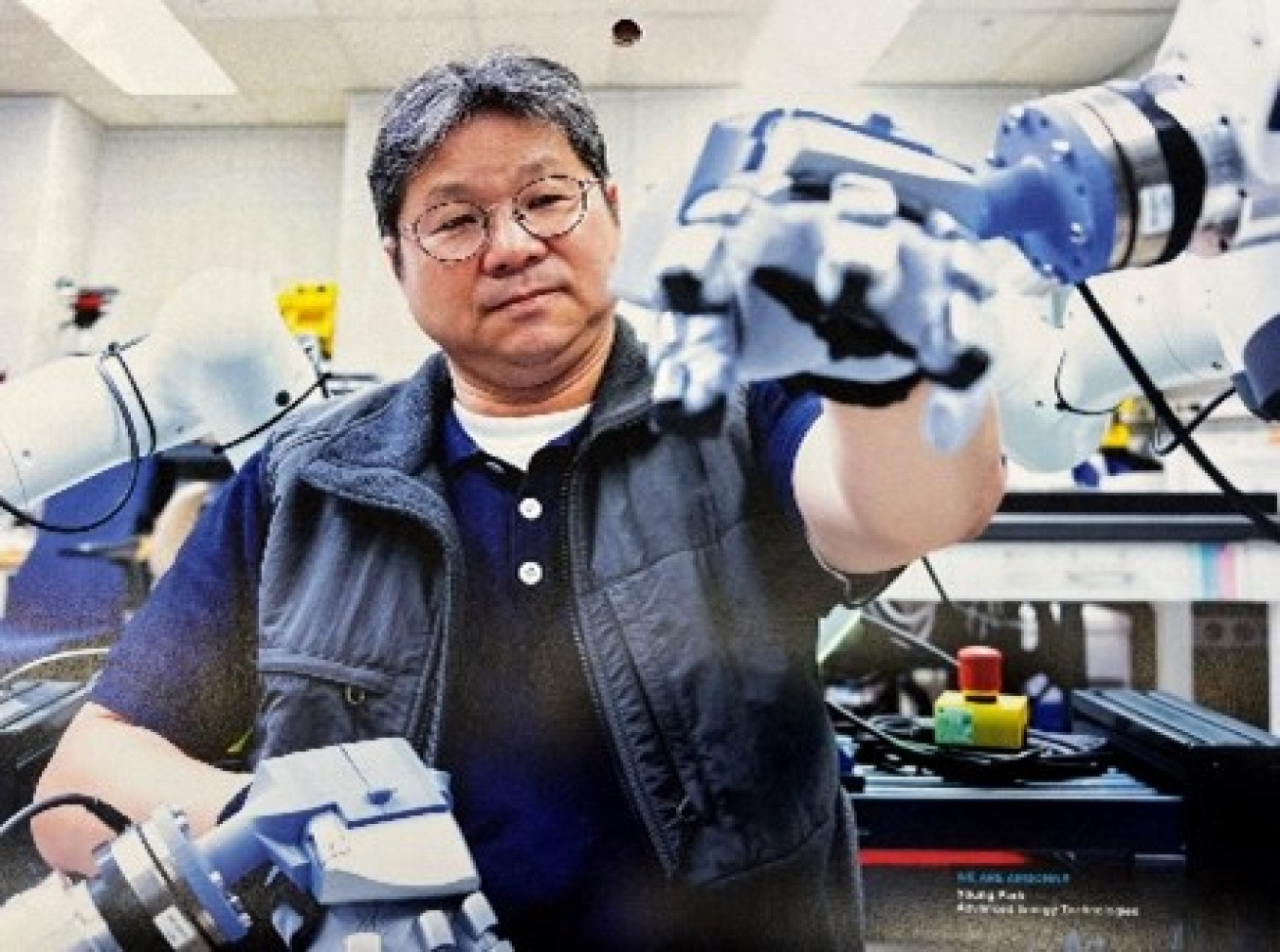
At the Core of Innovation
Young Soo Park, group leader for Robotics and Remote Systems at Argonne National Laboratory, leads the development of advanced robotic systems, telerobotics, digital twins, and AI-enabled remote technologies for hazardous nuclear environments. His work significantly supports the EM's technology operations mission by advancing robotics capabilities for environmental cleanup, remote maintenance, waste handling, hot cell operations, and D&D activities across EM’s site complex.
Park’s research focuses on integrating force-reflective teleoperations, physical AI, robotics autonomy, and hardware-in-the-loop digital twins to enable safer, more resilient remote operations in high-consequence environments. His team develops technologies for transuranic waste handling, tank farm inspection and repair, remote tooling, dexterous manipulation, and robotic systems for nuclear facility operations. Through collaborations, his work bridges advanced robotics research with mission-driven deployment to address critical DOE operational needs.
Partnerships
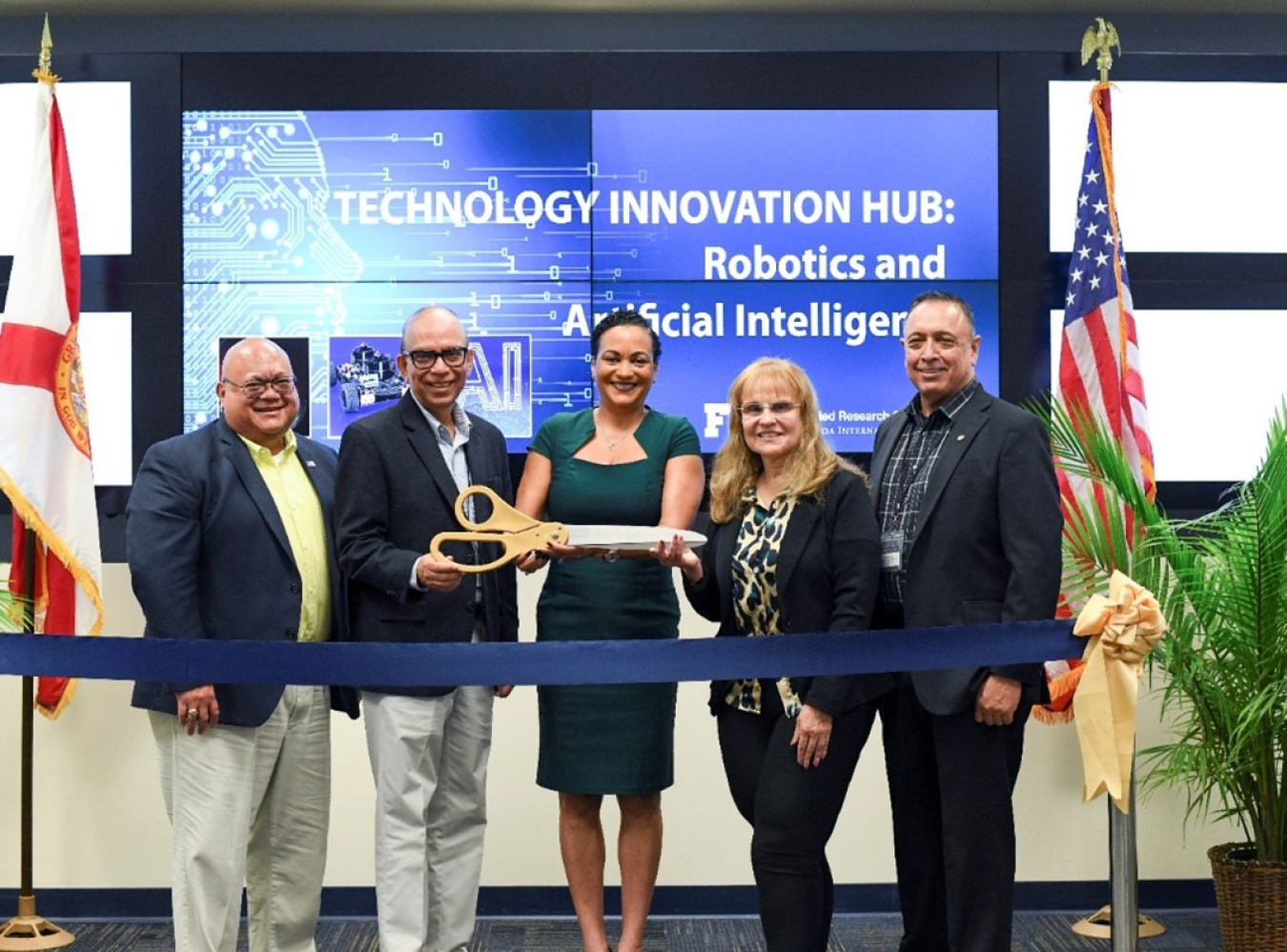
EM is driving innovation and efficiency, focusing on priorities and reining in costs and schedules without sacrificing safety or effectiveness. By collaborating with multiple scientific communities ranging from research institutions to national laboratories and industry innovators, EM creates an environment where ideas thrive, and breakthrough cleanup technologies emerge. This environment serves as a catalyst for innovation, uniting experts to tackle complex challenges related to the EM cleanup mission.

EM offers funding opportunities such as grants, research awards, and cooperative agreements that aids institutions in connecting with department, national laboratories, and contractors to gain understanding of the work being completed in various topical areas. Funding for university engagement supports innovative research, workforce, development, and real-world technology projects that can be deployed at EM sites across the country.
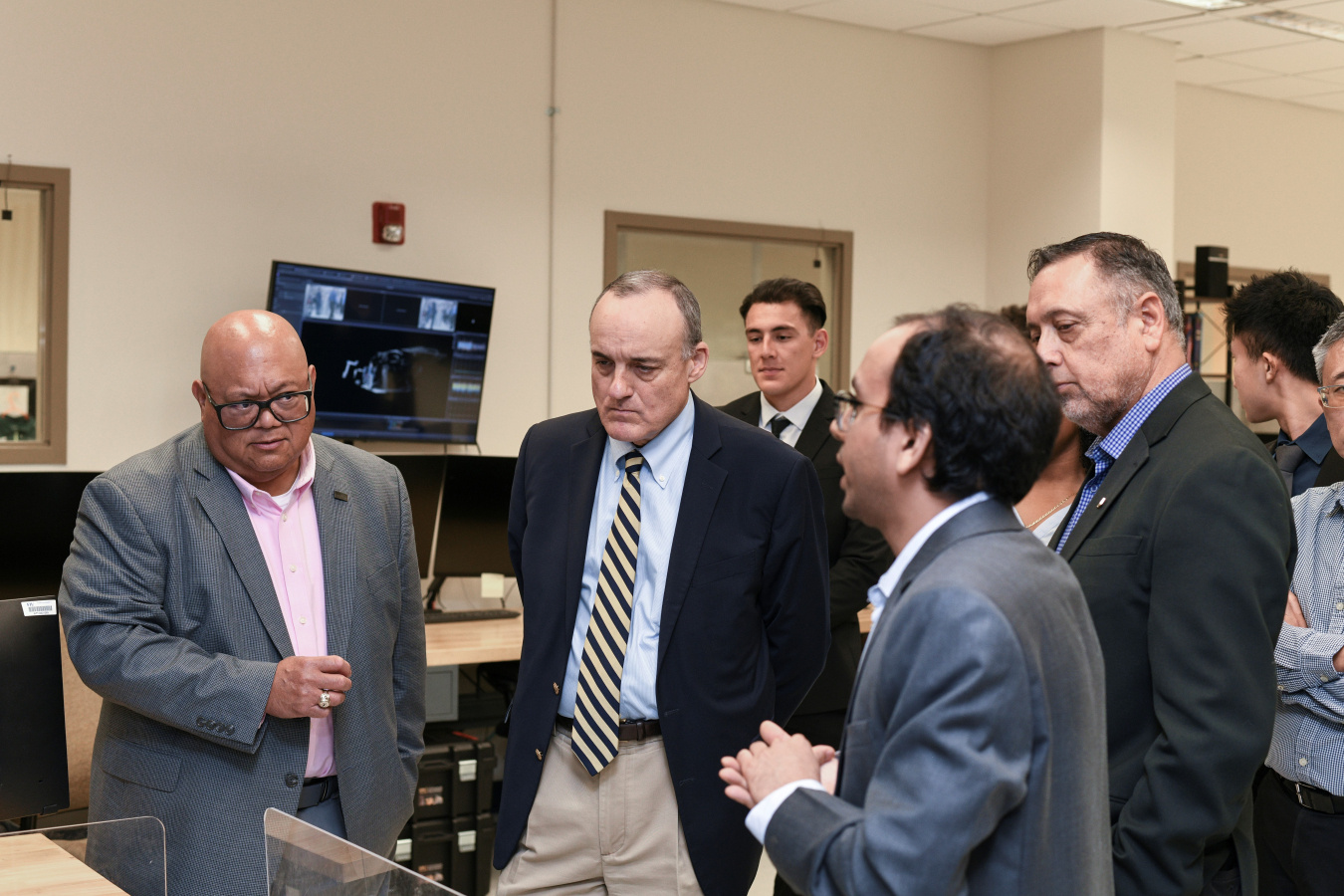 EM Chief Technology Officer and EM Technology Operations Director discuss research and technology with Florida International University recent graduates.
The Applied Research Center (ARC) at Florida International University (FIU) provides critical support to the EM mission of accelerated risk reduction and cleanup of the environmental legacy of the nation’s nuclear weapons program. ARC’s applied research, technology development, demonstration and testing, and STEM workforce development covers four major areas of environmental cleanup operations: radioactive waste processing, facility decontamination and decommissioning, soil and groundwater remediation, and information technology development. Proposed projects focus on the areas identified as highest priorities by EM as part of the multi-year program plan. All research projects and tasks are coordinated by DOE site customers/stakeholders, EM headquarters and experts from the national laboratories. These projects develop technical solutions for Hanford, Oak Ridge, Savannah River, Idaho, and Moab. For more information about ARC click here.
Consortium for Risk Evaluation with Stakeholder Participation (CRESP)
CRESP was established in 1995 under an EM cooperative agreement to develop data and methodology to make risk a key part of its decision making at the Environmental Management Office of DOE. The objective of CRESP is to advance cost-effective, risk-based cleanup of the nation’s nuclear weapons production facility waste sites and cost-effective, risk-based management of potential future nuclear sites and wastes. This is accomplished by seeking to improve the scientific and technical basis for environmental management decisions by DOE and by fostering public participation in that search. For more information on the CRESP click here.
National laboratories are critical to the success of the EM mission. An outgrowth of immense investment in scientific research initiated by the U.S. government during World War II, the national laboratories have served as the leading institutions for scientific innovation for more than 70 years.
The Energy Department's 17 national labs tackle the critical scientific challenges of our time -- from combating climate change to discovering the origins of our universe -- and possess unique instruments and facilities, many of which are found nowhere else in the world. They address large scale, complex research and development challenges with a multidisciplinary approach that places an emphasis on translating basic science to innovation.
Featured Video
Innovation Highlight
Researchers at Savannah River National Laboratory are supporting DOE's Genesis Mission by employing AI and machine learning to tackle complex environmental challenges, which can significantly reduce costs and improve efficiency for the cleanup mission. Read the full story here.
Continue Exploring

EM sponsors science and technology development to improve the efficacy, effectiveness, and safety of its cleanup efforts. These efforts include mission-directed scientific research, technology development and demonstration, and technical issue resolution efforts. Visit our Science & Innovation Page to learn more.
CURIE is a DOE resource portal for nuclear waste management information. CURIE users can find information on a wide range of topics related to nuclear waste and disposal. Users can also upload relevant information to CURIE and share with others. Users can form and join communities to exchange information. CURIE is accessible to interested individuals and organizations from all sectors, including industry, vendors, government, national laboratory partners, academia, and the general public.
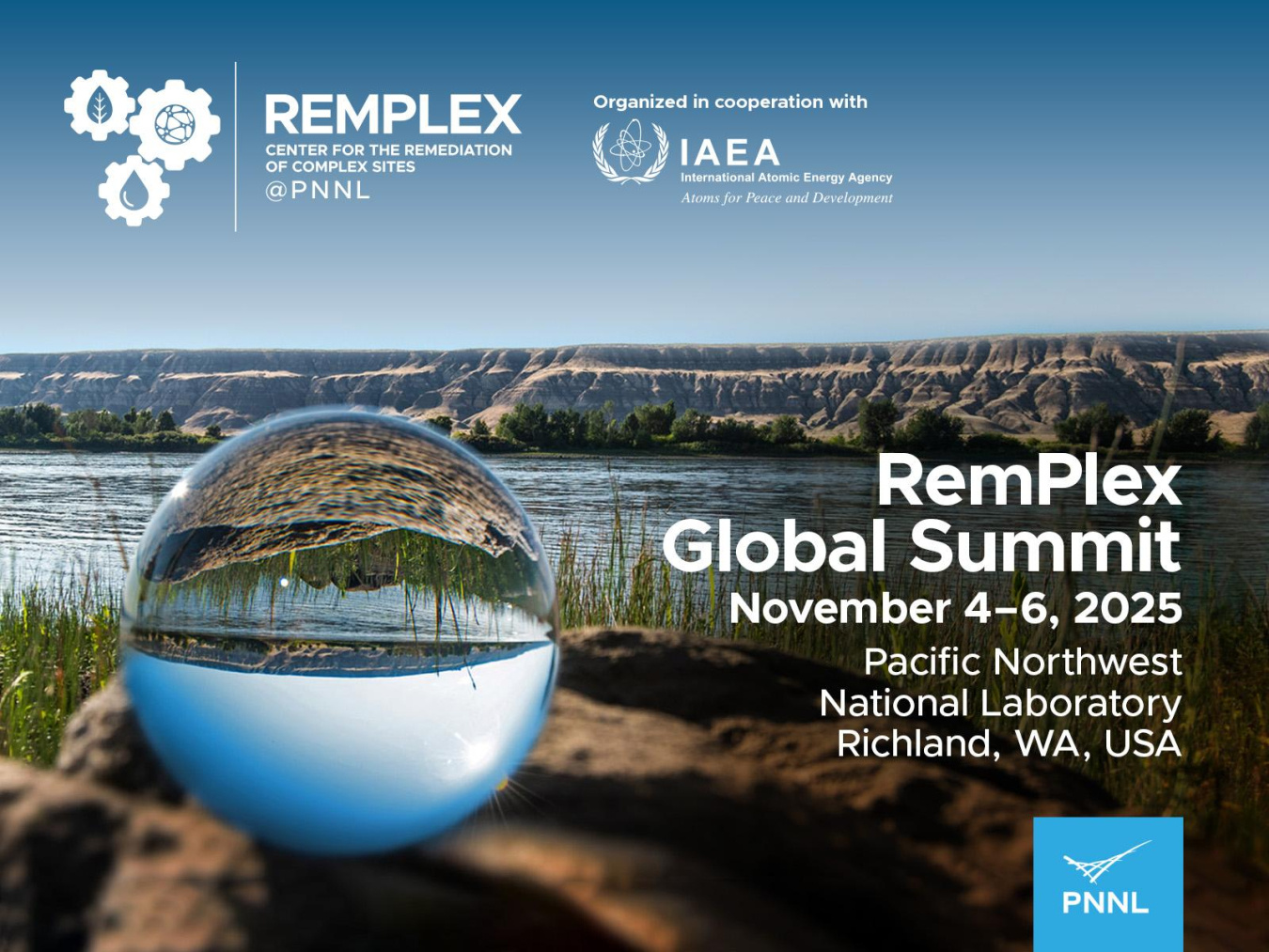
The 2025 Global Summit brought together participants from government, industry, and research institutions to discuss remediation challenges and to collaborate on the application of both proven and innovative solutions. Click here to learn more.
Explore the links below to learn more!