



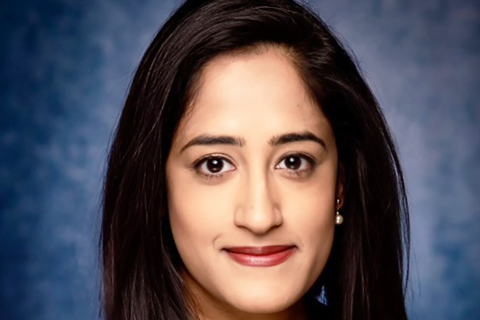
Meet Anagha Iyengar. She speaks five languages and leads an NNSA program responsible for developing new ways to reduce the risk of nuclear terrorism and anticipate new threats to global nuclear security.
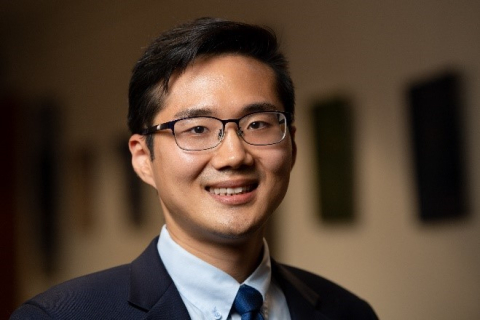
Meet Benjamin Lee. He was named after Benjamin Franklin, who is still a role model as he tries to combine his knowledge of science, policy, and diplomacy to advance NNSA's nonproliferation mission.
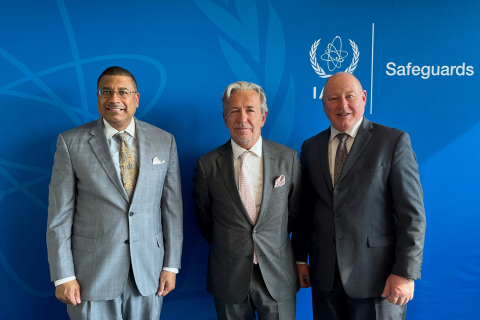
Last month, Principal Deputy Administrator Frank Rose and Associate Principal Deputy Administrator James McConnell, visited organizations in Austria and partners in the United Kingdom to discuss ongoing joint efforts and explore new areas of cooperation.
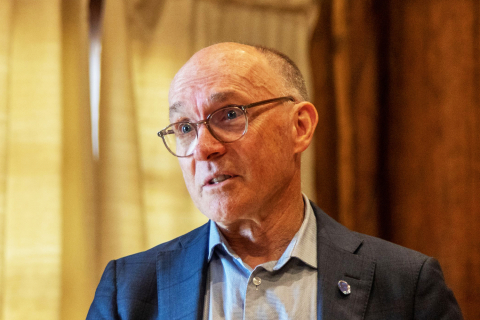
Dr. Robert Floyd, leader of the Preparatory Commission for the Comprehensive Nuclear-Test-Ban Treaty Organization, visited three NNSA sites where the United States showed support for the CTBT and for maintaining the stockpile without explosive testing.
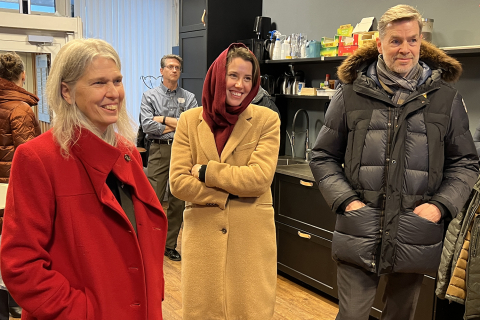
NNSA Administrator Jill Hruby wrapped up her visit to Nordic countries last month with a trip to Norway. In addition to discussing mutual concerns, she traveled to Kjeller, the site of an innovative joint U.S.-Norwegian nonproliferation effort.
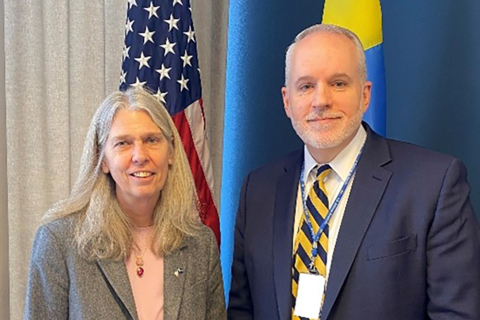
NNSA Administrator Jill Hruby completed a visit to Sweden last month as part of her trip to some of the United States’ key Northern European partners.
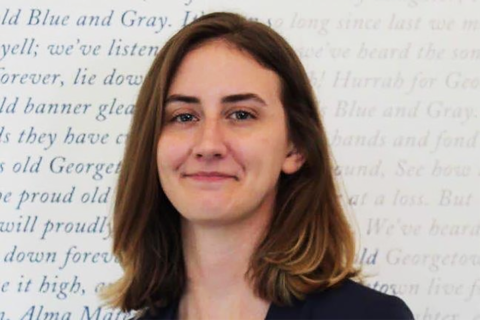
Far from being put off by NNSA's bureaucracy, she has embraced it. It's crucial to understanding how U.S. policy is implemented at different levels across different organizations, she says.
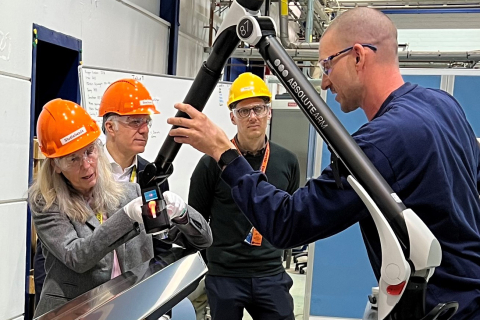
Jill Hruby, the Under Secretary for Nuclear Security of the U.S. Department of Energy and Administrator of the National Nuclear Security Administration, visited Westinghouse Sweden in Västerås, Sweden, on March 17.

NNSA Principal Deputy Administrator Frank Rose visited Jordan, Qatar, Saudi Arabia, and the United Arab Emirates to strengthen cooperation on nuclear security issues and learn more about regional partners’ activities and concerns related to our missions.
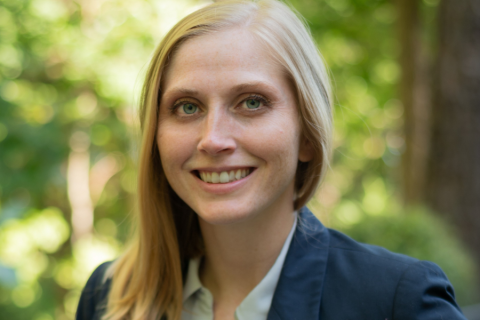
A passion to address climate change led NNSA's Annelise Atkinson to a career in nuclear security. She now works to stop bad actors from using nuclear materials in improvised nuclear devices.