



The National Nuclear Security Administration today successfully conducted a subsurface, non-nuclear chemical high-explosive experiment at the Nevada National Security Site, increasing the United States' ability to detect low-yield nuclear explosions.

In another major Trump Administration national security win, Vermont joins the growing list of states cleared of radioactive cesium. NNSA continues to lead national efforts to remove radiological devices to eliminate their risk and keep Americans safe.
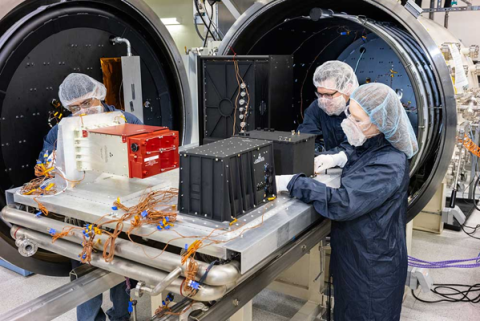
NNSA delivered its fifth next-generation Global Burst Detector sensor payload to the U.S. Space Force this month. They monitor for above-ground nuclear detonations around the world.
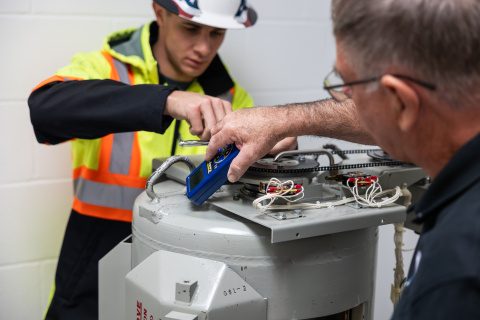
NNSA has successfully removed all high-risk cesium-137 material from North Dakota, a major achievement for national security. This milestone marks the 14th state or territory to be declared free of high-risk quantities of this dangerous material.
U.S. Energy Secretary Chris Wright has OK’d American civil nuclear exports to Thailand under Part 810, allowing U.S. innovators to charge ahead in new markets and accelerate American energy dominance.
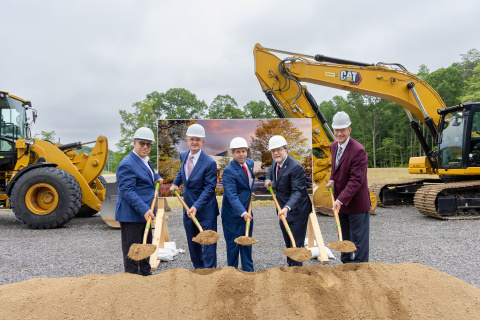
NNSA's nonproliferation and counterterrorism capabilities serve as America's nuclear shield, protecting the homeland through a multi-layered defense. The groundbreaking at ORNL is the first step in introducing critical new capabilities for that effort.
The safe removal of all enriched uranium from Venezuela sends another signal to the world of a restored and renewed Venezuela. Thanks to President Trump’s decisive leadership, the teams finished in months what would have normally taken years.

The U.S. has secured its largest HALEU fuel shipment, working in partnership with Japan. This advances President Trump’s strategy to restore America's energy dominance and power next-generation nuclear reactors. It's also a huge nonproliferation win!
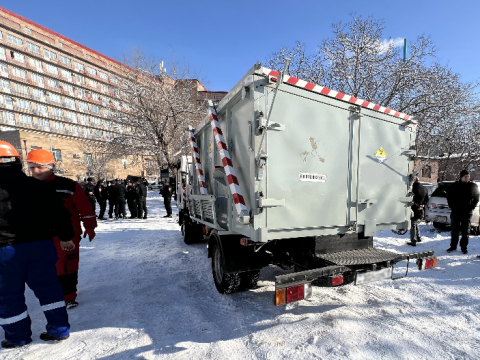
NNSA removed the last highly radioactive source in the country, eliminating radiological risks and strengthening American and global security.
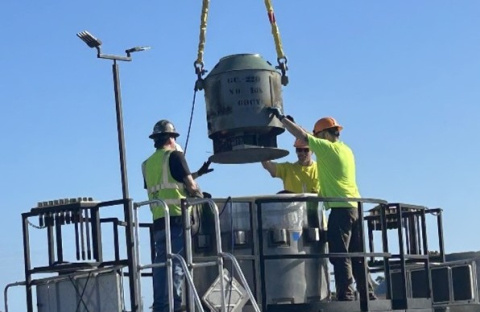
NNSA has successfully removed all high-risk cesium-137 material from the state. This means South Carolina is now the 13th state to be completely free of this dangerous radioactive material, a massive win for the safety of Americans, and prevents adversaries from acquiring this material.