



NNSA and Japan’s Kyoto University converted two cores from the Kyoto University Critical Assembly from using highly enriched uranium to high-assay low-enriched uranium fuel. It's a nonproliferation and HALEU research milestone.
National Nuclear Security Administration
December 1, 2025 Estimated Read Time min
NNSA-Kyoto University conversion of the critical assembly meets joint U.S.-Japan commitments and advances nuclear energy innovation
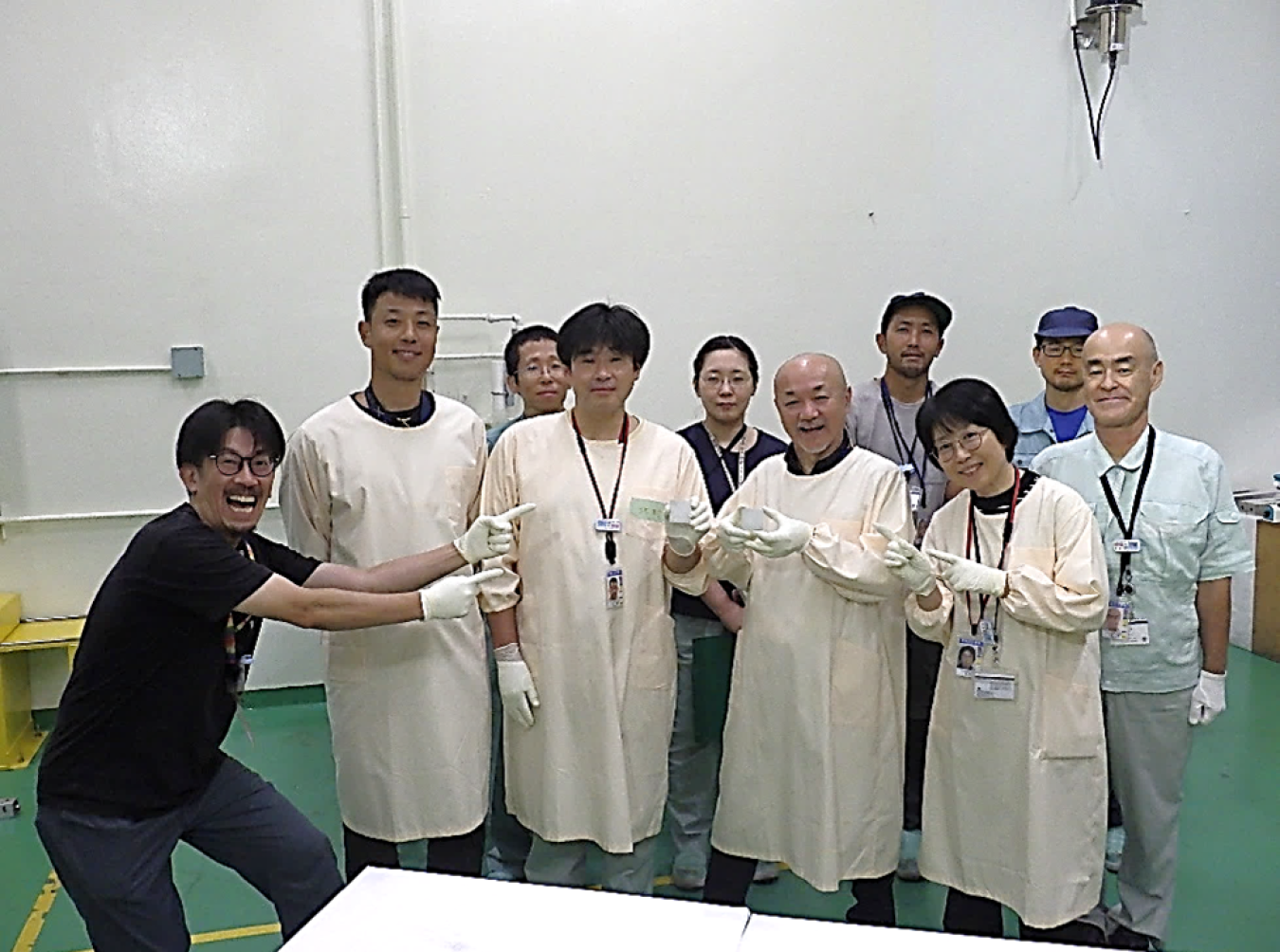
NNSA, in collaboration with Japan’s Kyoto University, recently completed the conversion of the Kyoto University Critical Assembly (KUCA) by converting two cores from using highly enriched uranium (HEU) to high-assay low-enriched uranium (HALEU) fuel. This milestone represents a nonproliferation success and makes KUCA the world’s most flexible critical facility to test HALEU fuels.
Converting KUCA to a lower-enriched uranium fuel strengthens global safety and security by reducing reliance on weapons-grade HEU, minimizing the risk of its misuse by nefarious actors to create an improvised nuclear device. For NNSA’s Office of Material Management and Minimization, this marks the eighth HEU-fueled research reactor converted or verified as shut down in Japan and the 111th globally for the Department of Energy since 1978.
KUCA provides a controlled environment essential for advanced reactor physics and nuclear engineering research and training. As a training hub for students and nuclear professionals from around the world, it is critical to advancing the nuclear energy renaissance.
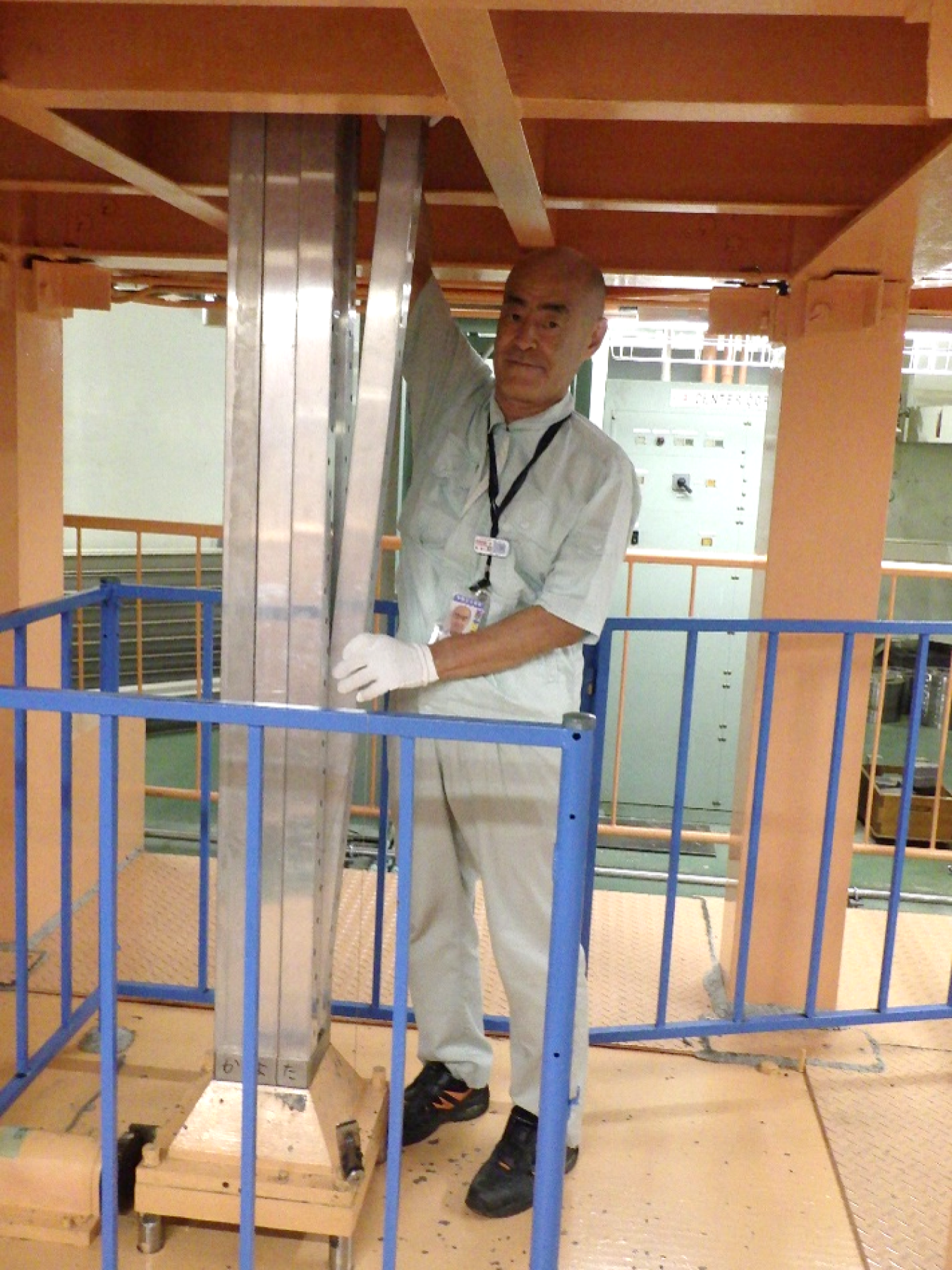
With the core updates, KUCA is now a world-class HALEU testing ground supporting a variety of fuels, core configurations, and testing scenarios. This range of experimentation capacity is rare and will generate data to support the development of new advanced reactor designs.
KUCA is a multi-core critical assembly with three reactor cores: the newly converted Cores A and B use solid moderators while Core C uses light water as a moderator. KUCA’s Core C was converted to a standard uranium silicide fuel in 2024, but Cores A and B required significant research and development to find a suitable fuel. The United States and Japan collaborated to develop a first-of-its-kind uranium molybdenum (U-Mo) fuel that maintains reactor performance while expanding KUCA’s experimental capabilities. France and the Republic of Korea also played key roles:
- The Korean Atomic Energy Research Institute donated their material processing capabilities to produce a U-Mo alloy as atomized powder.
- France’s Framatome CERCA, which manufactures fuel and irradiation targets for research reactors, mixed and pressed the powder and created a unique aluminum cladding to encase it, then scaled this technology to produce hundreds of units.
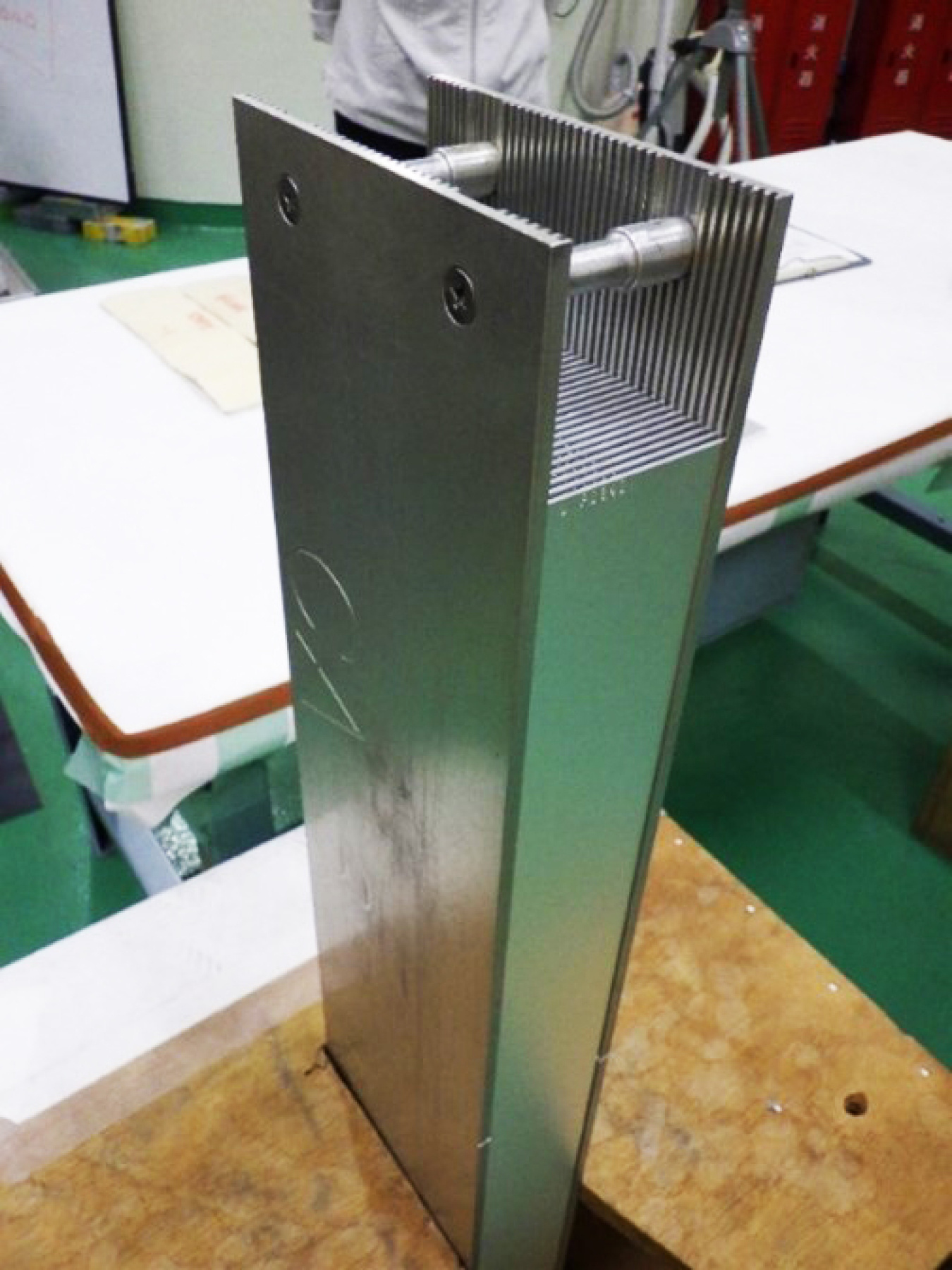
U-Mo fuel is a promising option for converting high-performance research reactors from HEU to HALEU, as its high uranium density allows it to match behavior formerly achieved only by HEU fuel. U-Mo fuel also improves reactor performance and safety.
“KUCA stands as a premier example of nonproliferation success and is at the forefront of HALEU fuel experimentation—a result made possible by the contributions of our partners throughout this collaborative, decade-long effort,” said Kasia Mendelsohn, NNSA’s Principal Assistant Deputy Administrator for Defense Nuclear Nonproliferation.
The KUCA facility, which paused operations in 2021, will resume work once approval is granted by Japan’s nuclear regulator.