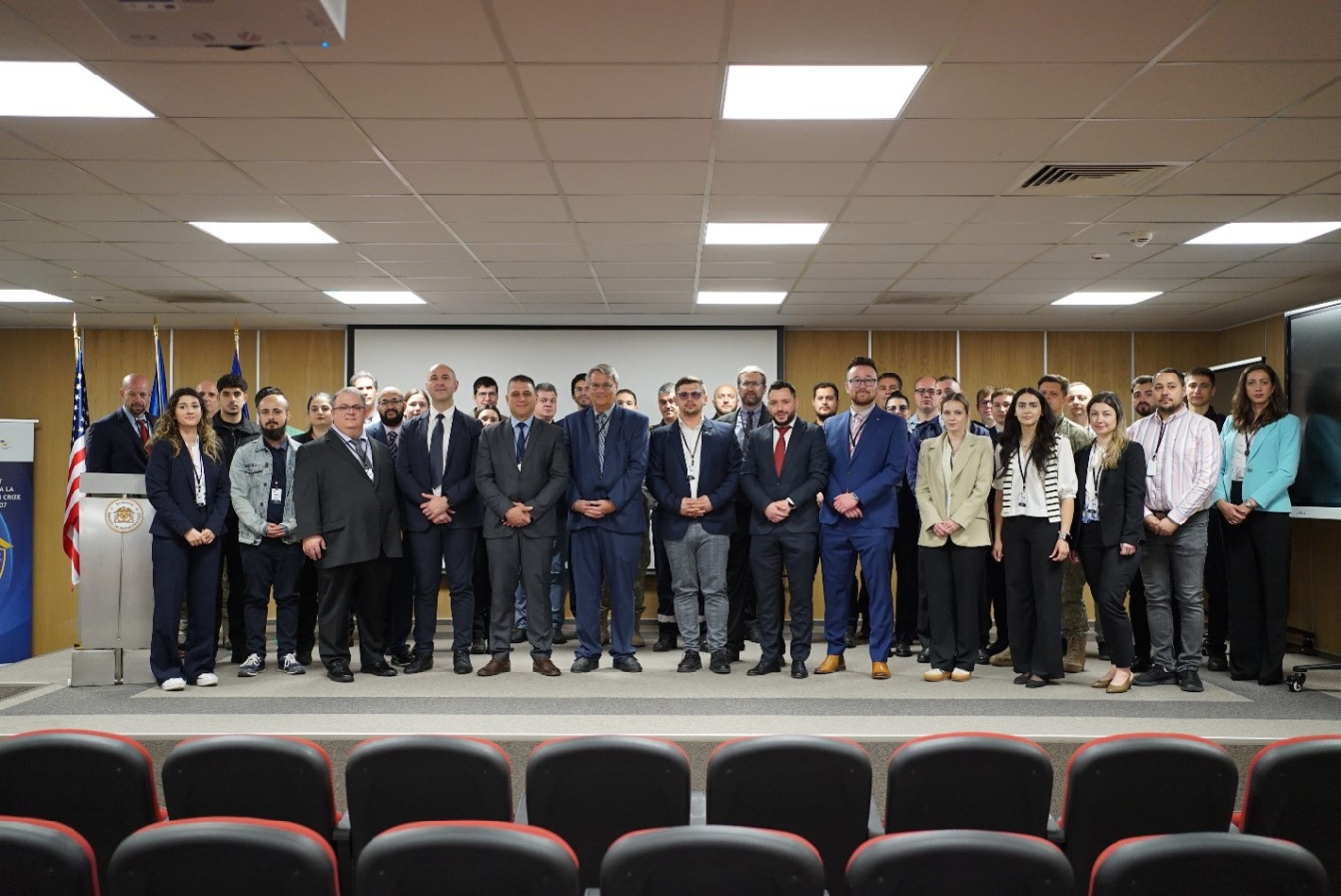
NNSA's Office of Counterterrorism and Counterproliferation conducts maritime radiological interdiction and consequence management training in Greece and Romania with NATO allies.
National Nuclear Security Administration
June 30, 2026 Estimated Read Time min
When the United States and its allies are trained, equipped, and ready to respond to radiological or nuclear threats, it reduces opportunities for illicit activity, disrupt nefarious plots, and strengthen collective capabilities to protect people, critical infrastructure, and the homeland. This “deterrence-by-readiness” approach was on display last month in two engagements the National Nuclear Security Administration (NNSA) conducted with North Atlantic Treaty Organization (NATO) allies.
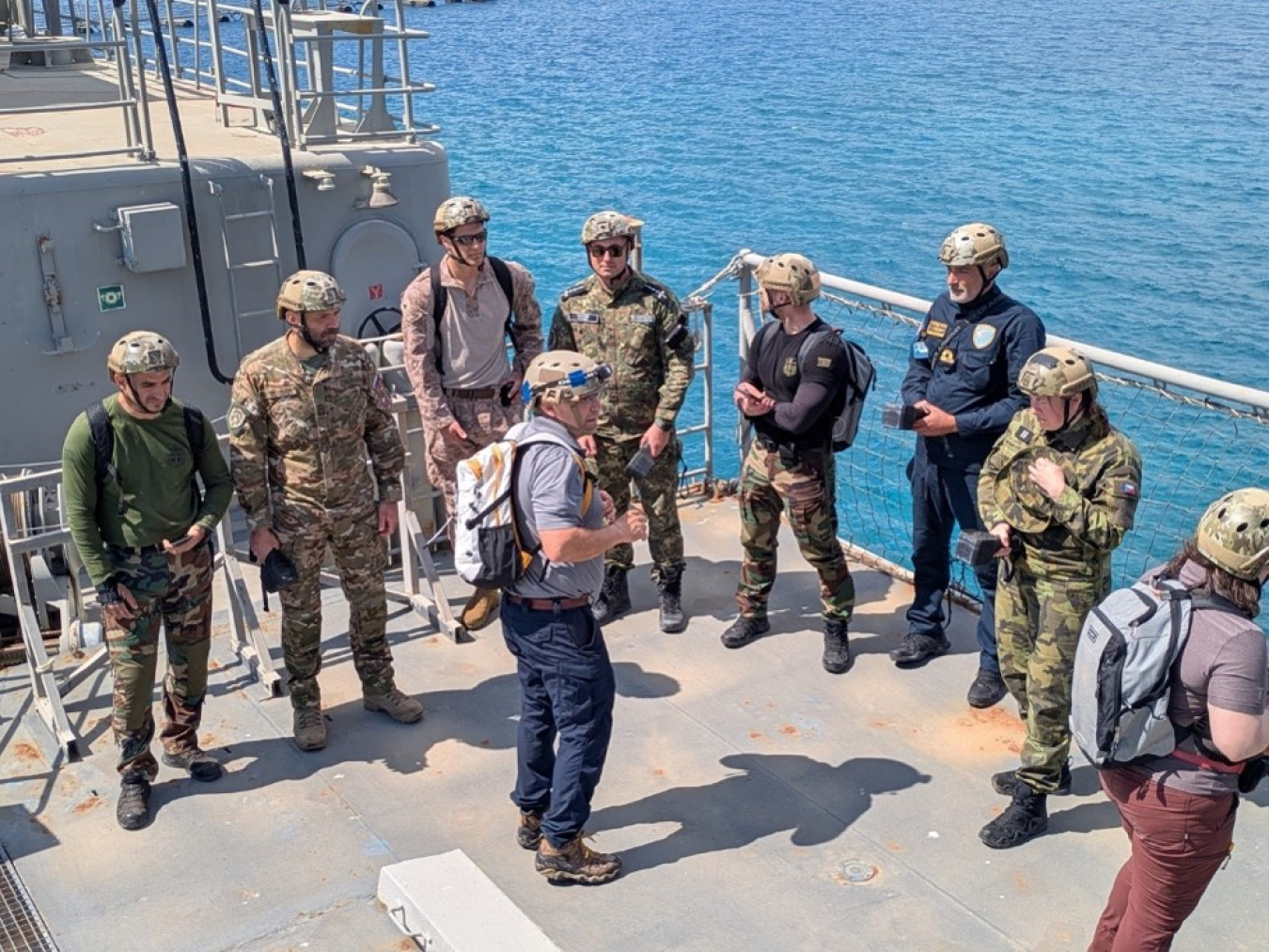
In Souda Bay, Greece, in partnership with the NATO Maritime Interdiction Operational Training Centre (NMIOTC), NNSA led the “Radiological Search in a Maritime Environment” Course. The specialized training brought together servicemembers, emergency response personnel, and technical experts from Belgium, Bulgaria, Czechia, Greece, Slovenia, and the United States for hands-on instruction in maritime nuclear and radiological search and response operations.
Participants trained in maritime search and response techniques and best practices, including the use of tactical radiation detection equipment and the integration of NATO and NNSA’s Office of Nuclear Incident Policy and Cooperation (NIPC) equipment aboard rigid-hull inflatable boats, or Rubberized Inflatable Hardened Boats (RHIBS). Practical exercises aboard docked training vessels and nearby islands replicated operational conditions responders may encounter while conducting radiological search and response missions on ships, in port environments, and in coastal waters. The training culminated in a Capstone Exercise simulating a complex radiological response incident to test participants’ tactical response capabilities.
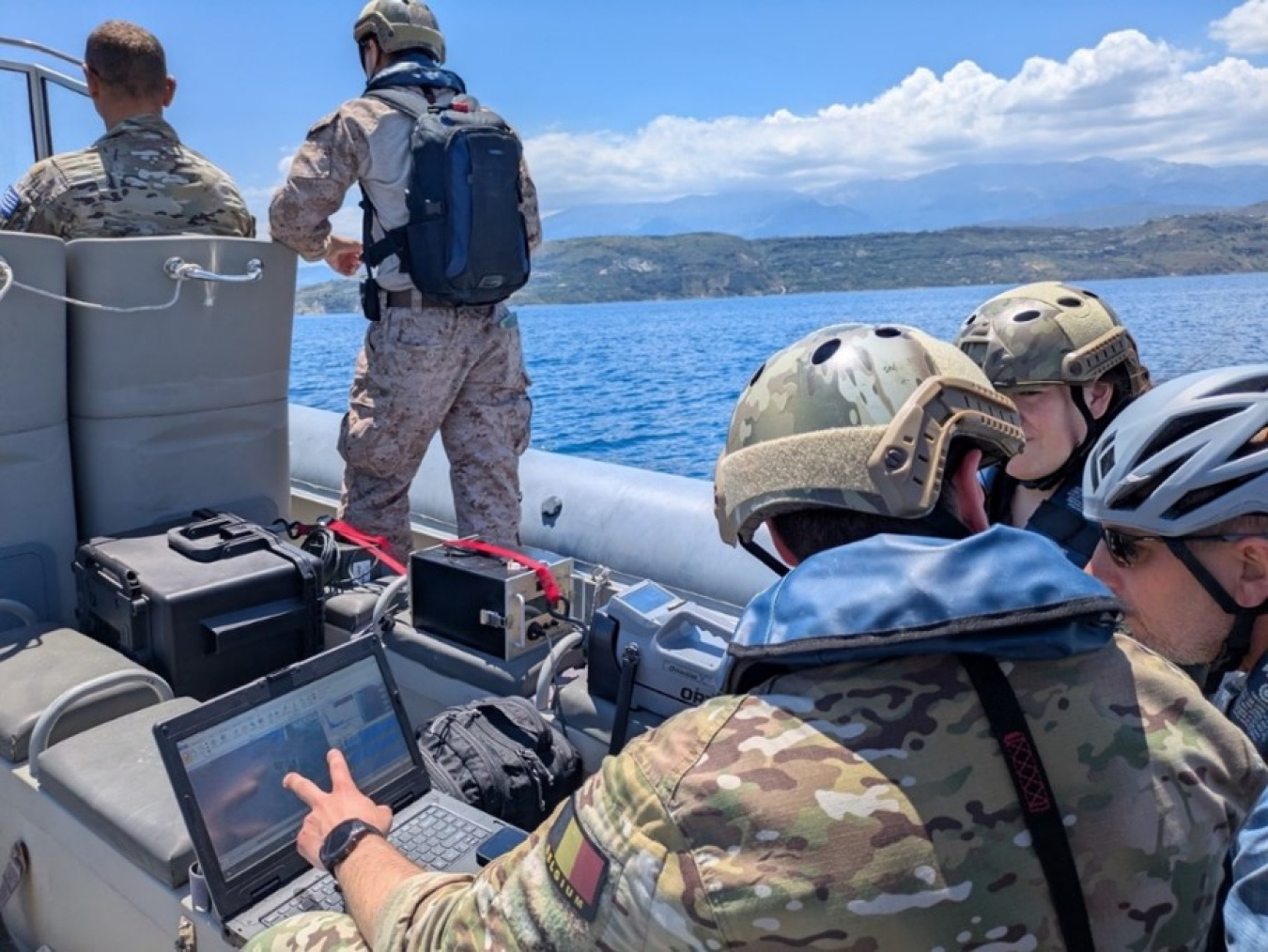
“The Office of Nuclear Incident Preparedness and Collaboration first engaged NMIOTC in 2019, and ever since we have cemented a nuclear and radiological emergency preparedness and training capability with NMIOTC,” said Andrae Brooks, a Senior Foreign Affairs Officer with NIPC. “Training now includes the use of two RHIBs, real radiological sources, and includes naval and amphibious targeted radiological search and response operations.”
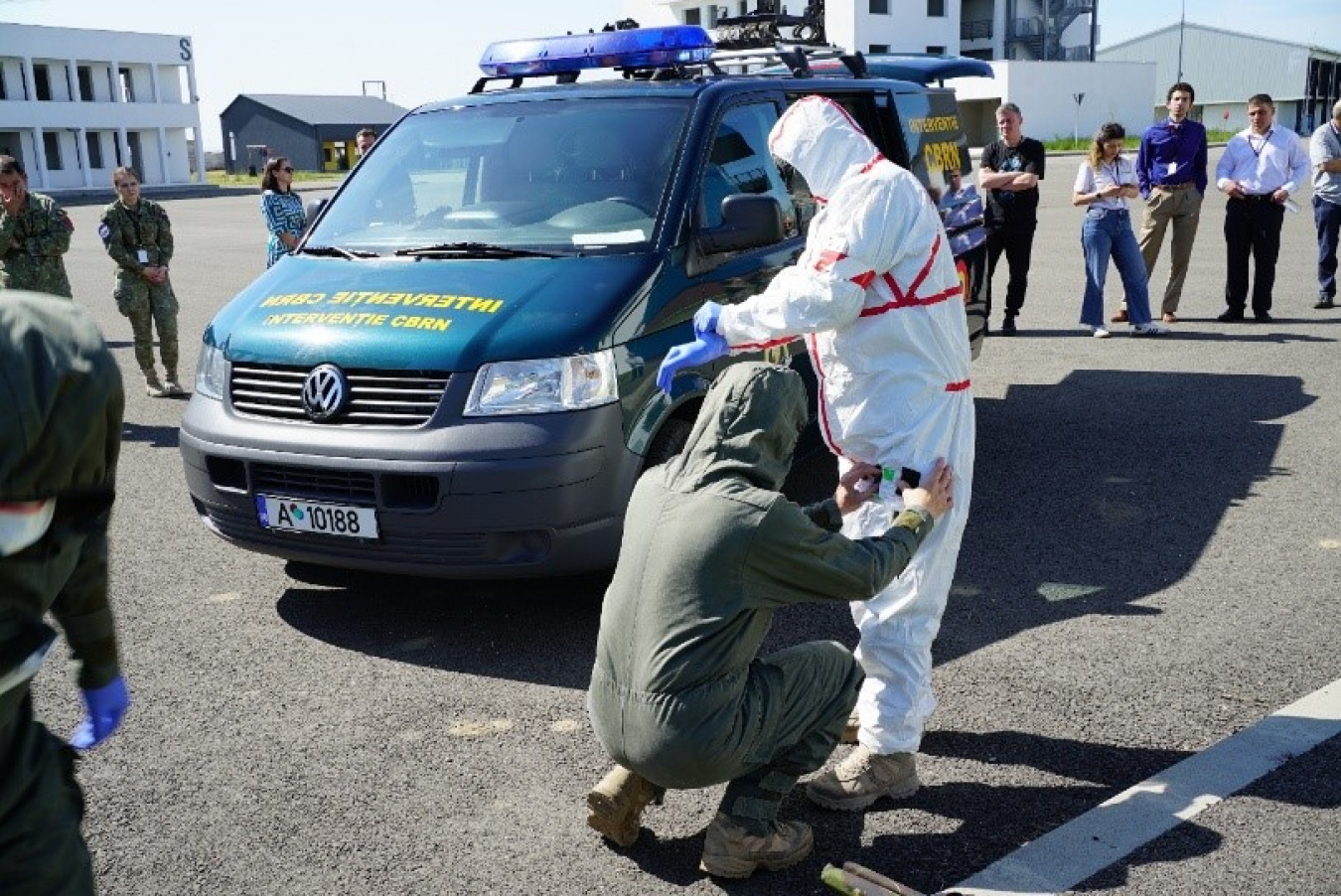
Also in May, NNSA deployed its Mobile Education Training Team to Bucharest, Romania, where they conducted a course on “Disaster Response and Consequence Management for a Radiological Incident”. Over five days emergency responders and NNSA technical experts explored key elements of radiological incident response during the course, including radiation hazard fundamentals, crisis management phases, environmental sampling, protective action planning, and modeling and simulation.
Among the Romanian, U.S., and NATO partners participating were: Romania’s Seviciul de Protectie si Paza, the Defense Threat Agency (DTRA), and members from Austria and the NATO Joint Chemical, Biological, Radiological, and Nuclear (CRBN) Defence Center of Excellence. The course also incorporated NATO CRBN defense frameworks and drew on expertise from DITRA, Austria Romania, and NATO. This training enabled NNSA and its partners to build a shared understanding of consequence management principles, exercise coordinated decision-making, and strengthen capabilities to reduce radiological threats.
Taken together, these training events reflect the capabilities of NNSA’s Office of Counterterrorism and Counterproliferation to: 1) locate and defeat terrorist devices; and 2) mitigate the effects of radiological or nuclear incidents around the globe, both of which are integral to the U.S. Government’s layered defense against nuclear and radiological terrorism. Through collaborative allied partner efforts like this partnership with NATO, NNSA is strengthening readiness, reducing radiological threats, and protecting U.S. national security interests as part of a broader deterrence posture.
In an era of growing nuclear and radiological threats and global instability, such engagements not only deter adversaries and reassure allies, but also demonstrate the United States’ commitment to leading with technical excellence, strategic foresight, and collaborative strength.
For more information about NNSA’s work in radiological and nuclear emergency preparedness and response, visit: Counterterrorism and Counterproliferation | Department of Energy.