



RSS
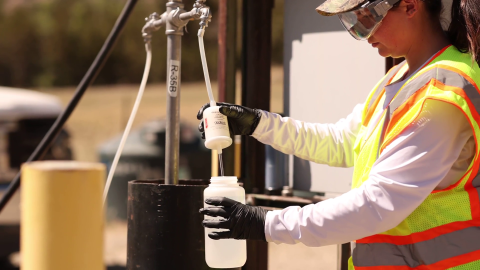

The EM Los Alamos Field Office (EM-LA) and cleanup contractor Newport News Nuclear BWXT Los Alamos (N3B) recently marked the five-year anniversary of the first EM contract dedicated to legacy cleanup at Los Alamos National Laboratory (LANL).
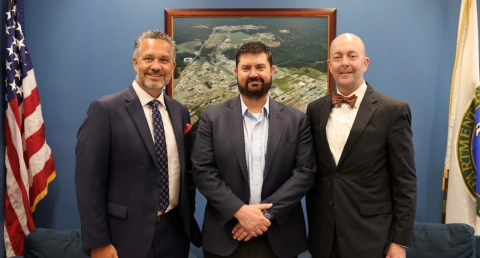
Jeff Avery, EM’s principal deputy assistant secretary, participated in a meet-and-greet last week in Washington, D.C., with two community partners involved in EM’s cleanup mission at the Savannah River Site in South Carolina.
With a significant percentage of employees eligible for retirement in the next decade, the Oak Ridge Office of Environmental Management (OREM) and its contractor UCOR are focused on initiatives that will bring interns and graduates into the workforce to l
EM contractor Savannah River Nuclear Solutions (SRNS) recently supported the Savannah River Federal Business Opportunities Forum, a two-day event held in North Augusta, South Carolina.
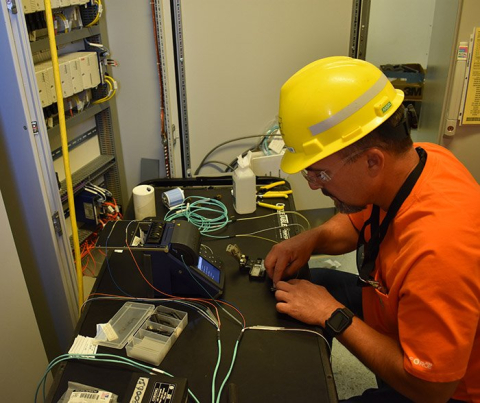
Electricians, radiological technicians and project control analysts are projected to be among the most in-demand professions across the EM complex in coming years, according to a recently completed analysis.
A new $30 million investment by EM will fund research and technology development led by DOE’s national laboratories aimed at better addressing tank waste at the Hanford Site.
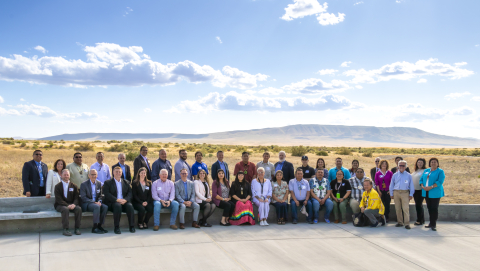
DOE is committed to improving the protection of tribal sacred sites — and access to those sites by tribes — through enhanced interdepartmental coordination, collaboration and action.
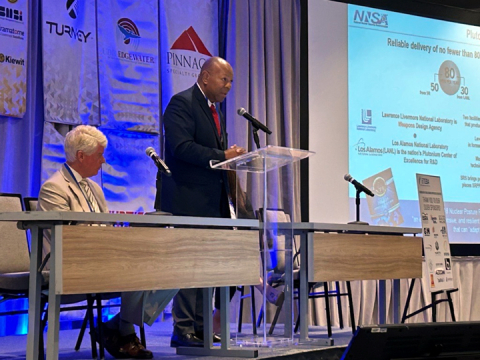
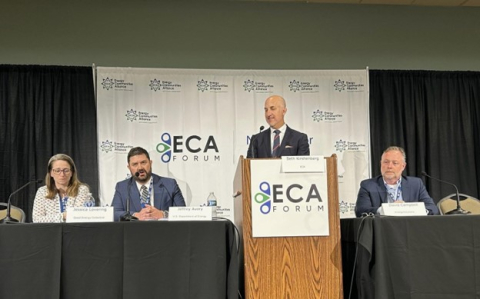
Jeff Avery, EM principal deputy assistant secretary, participated in the 2023 Energy Communities Alliance Forum panel.
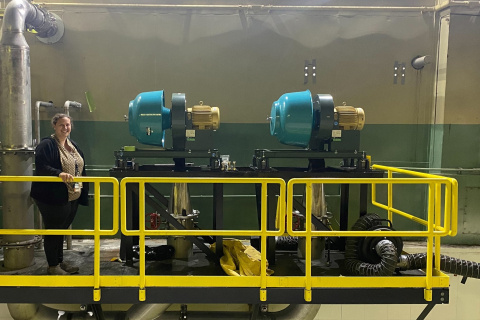
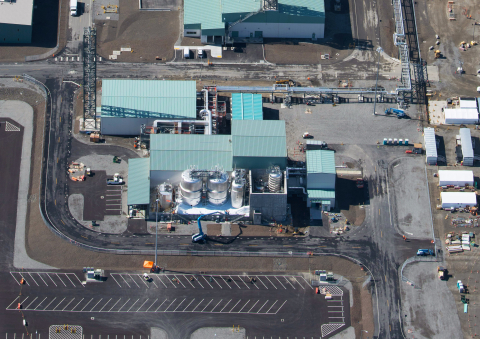
The Integrated Waste Treatment Unit has progressed to treating sodium-bearing waste entirely, the next step in efficiently removing remaining liquid radioactive waste from nearby Cold War-era underground tanks and closing them to protect the environment.
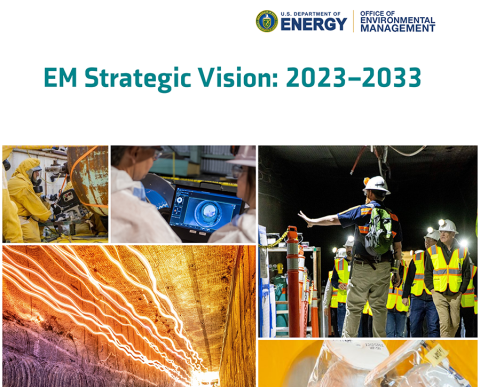
EM released its Strategic Vision 2023-2033, a blueprint to the program’s anticipated cleanup achievements over the next decade.